Mixing Traditional Silk Haori With Modern Tailoring 2026
The Resurgence of Heritage Minimalism in 2026
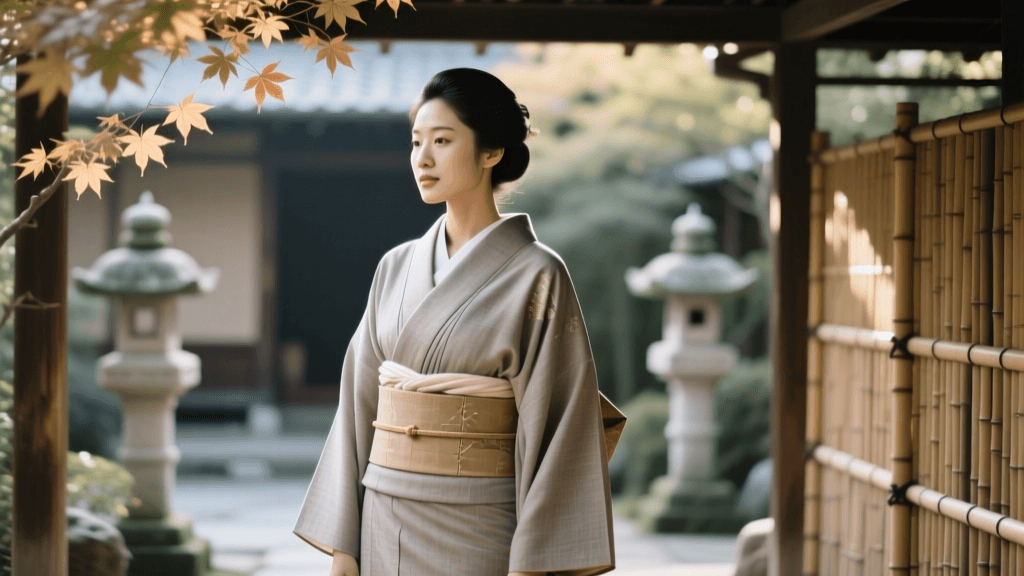
As the global fashion landscape of 2026 moves decisively away from fleeting micro-trends and fast-fashion cycles, a profound appreciation for 'heritage minimalism' has taken root. Discerning wardrobes are no longer just about acquiring new seasonal drops; they are about integrating historically significant, masterfully crafted garments into daily rotation. At the forefront of this movement is the traditional Japanese silk haori. Once reserved strictly for formal ceremonies or worn exclusively within the boundaries of traditional kitsuke (the art of dressing), the haori has emerged in 2026 as a versatile, statement-making layering piece that bridges the gap between East Asian heritage and contemporary Western tailoring.
However, integrating a traditional Asian garment into a modern wardrobe requires more than simply throwing it over a t-shirt. It demands an understanding of the garment's architecture, a respect for its cultural origins, and a keen eye for modern proportions. This comprehensive guide will explore exactly how to style, source, and maintain vintage and contemporary silk haori jackets within a modern 2026 wardrobe, ensuring your look is both sartorially advanced and culturally respectful.
The Anatomy of the Haori: Understanding the Silhouette
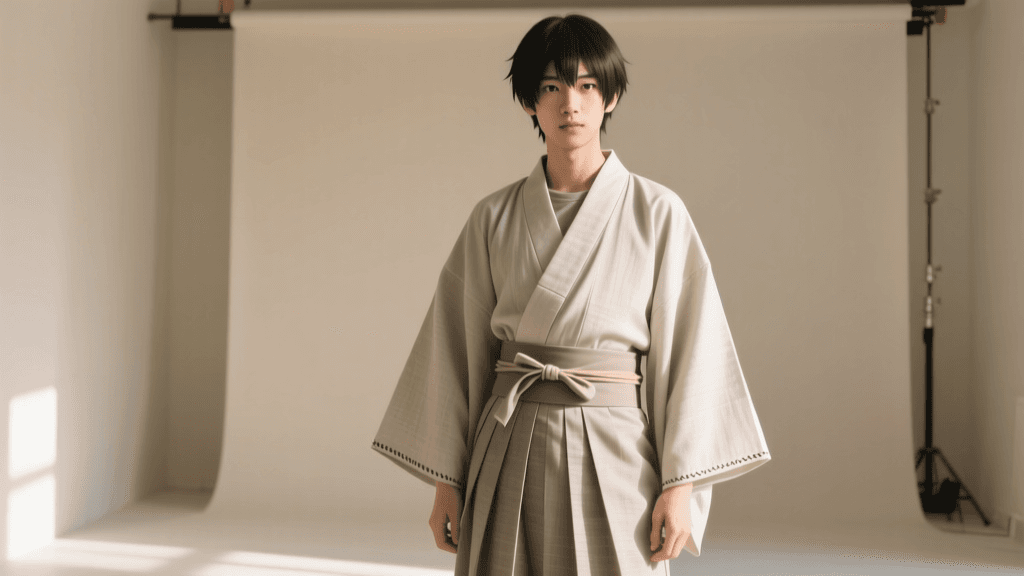
To successfully mix the haori with modern tailoring, one must first understand its unique construction. Unlike Western jackets that rely on darts, shoulder pads, and structured armholes to create a three-dimensional shape, the haori is cut from straight bolts of fabric. This results in a distinctive T-shape silhouette that drapes naturally from the shoulders. According to the Metropolitan Museum of Art's Heilbrunn Timeline of Art History, this straight-line cutting method has been a hallmark of Japanese garment construction for centuries, allowing for intricate, uninterrupted textile designs.
The haori typically features a hidden inner lining, often crafted from contrasting silk or featuring subtle, auspicious motifs. The front panels do not overlap like a kimono; instead, they hang open, secured only by the haori himo (decorative braided ties) or left completely unfastened. The sleeves are characterized by their deep, boxy drop and the furi—the open slit at the back of the sleeve armhole. When styling this piece for 2026, the lack of structured shoulders means the haori will naturally adopt a relaxed, oversized drape, which must be balanced with structured elements in the rest of your outfit.
2026 Styling Rules: Proportions and Layering
The golden rule of mixing traditional voluminous pieces with modern clothing is contrast. Because the silk haori is inherently fluid and boxy, the garments worn underneath and on the lower half must provide structural grounding.
The Office-Appropriate Haori Ensemble
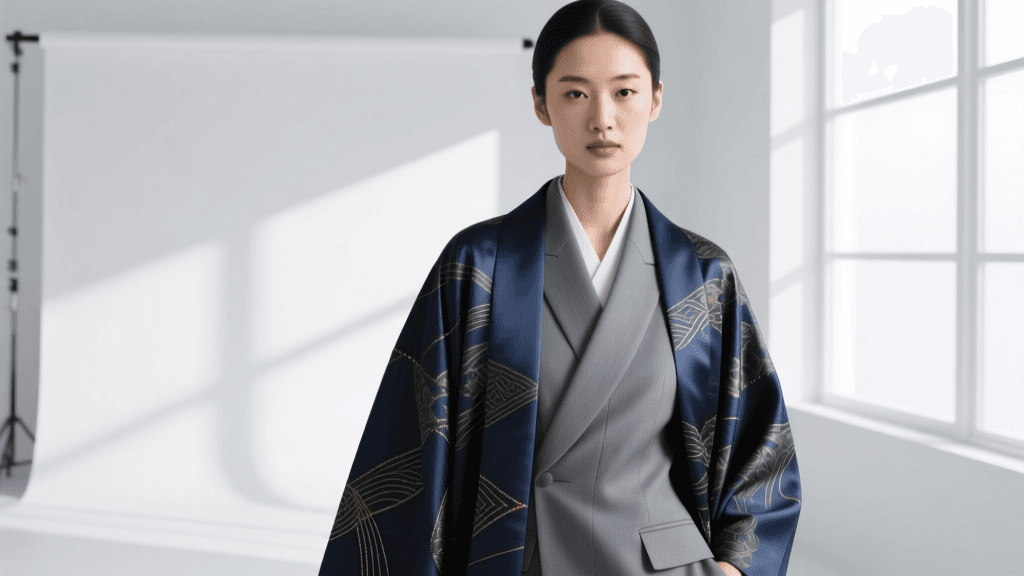
For the modern creative workplace in 2026, the haori serves as an exceptional alternative to the traditional unstructured blazer. Pair a mid-thigh length, solid-color tsumugi (slub silk) haori with a crisp, high-collar poplin shirt and sharply tailored, wide-leg wool trousers. The key to making this work in a professional setting is ensuring the trousers feature a strong front crease and a tailored waistband. The contrast between the fluid silk of the jacket and the architectural drape of the wool trousers creates a sophisticated, avant-garde silhouette. Ensure your shirt cuffs extend exactly 1.5 inches past the haori sleeve to maintain a deliberate, layered aesthetic.
Evening and Smart-Casual Integrations
For evening wear, the haori can replace the standard dinner jacket or overcoat. A dark, subtly patterned rinzu (figured silk) haori worn over a fine-gauge merino turtleneck and dark, raw selvedge denim offers a masterclass in texture mixing. The matte finish of the denim and the soft luster of the merino wool allow the intricate yuzen dye work of the haori to take center stage. In 2026, the 'quiet luxury' trend has evolved to embrace these rich, historical textures without the need for overt branding.
The 2026 Fabric and Color Pairing Matrix
Selecting the right type of silk is crucial for ensuring the haori feels appropriate for the modern context. Below is a structured matrix to help you pair traditional haori fabrics with contemporary wardrobe staples.
| Haori Silk Type | Texture & Finish | Ideal Modern Pairing (2026) | Best Setting |
|---|---|---|---|
| Tsumugi (Slub Silk) | Matte, textured, rustic | Crisp cotton poplin, structured wool trousers | Office, Daytime Events |
| Rinzu (Figured Silk) | Soft luster, damask-like patterns | Fine-gauge merino, dark selvedge denim | Evening, Smart-Casual |
| Chirimen (Crepe Silk) | Heavy drape, pebbled texture | Silk-blend knitwear, tailored pleated skirts | Gallery Openings, Dinners |
| Shibori (Tie-Dyed) | Highly textured, 3D patterns | Minimalist monochrome linen, wide-leg canvas | Weekend, Resort Wear |
Ethical Sourcing and Cultural Respect in 2026
As the demand for heritage garments rises, so does the market for cheap, culturally appropriated knockoffs produced by fast-fashion conglomerates. In 2026, conscious consumers must prioritize ethical sourcing. The most sustainable and culturally respectful way to acquire a silk haori is through the vintage and antique market. Japan has a robust culture of garment preservation, meaning thousands of pristine, mid-century haori are available through curated online vintage sellers and specialized auction houses.
By participating in the circular fashion economy, you are preserving textile history. Organizations like Fashion Revolution continuously advocate for extending the lifecycle of garments, noting that utilizing vintage pieces drastically reduces the carbon and water footprint associated with new silk production. Furthermore, institutions such as the Victoria and Albert Museum emphasize the importance of understanding the historical context of these garments to appreciate their true value beyond mere aesthetics. When purchasing, look for sellers who provide detailed measurements (specifically the yuki or sleeve-to-center-back length, and the mitake or back length) and who can verify the garment's provenance. Avoid modern, mass-produced 'kimono jackets' made from synthetic polyester, as they lack the structural integrity, breathability, and cultural authenticity of true silk haori.
Care and Maintenance for Mixed Wardrobes
Integrating delicate heritage silks into a daily rotation requires meticulous care. Unlike modern wool blazers that can be routinely dry-cleaned, a vintage silk haori should be cleaned as infrequently as possible to preserve the integrity of the natural fibers and the delicate yuzen dyes.
After each wear, hang the haori on a wide, padded wooden hanger to allow the shoulders to retain their shape. Avoid wire or thin plastic hangers, which will distort the straight-line cut. Let the garment air out in a well-ventilated, shaded area for 24 hours to release any absorbed odors or moisture. Never expose the silk to direct sunlight, as UV rays will rapidly degrade the natural proteins in the silk and fade the vibrant botanical dyes.
For minor surface dust, use a soft, natural-bristle garment brush, brushing gently in the direction of the silk grain. If the garment requires deep cleaning, seek out a specialist dry cleaner who has verifiable experience with antique Asian textiles. Standard commercial dry-cleaning chemicals can strip the natural sericin from the silk, leaving the fabric brittle and dull. When storing the haori for off-season months, wrap it in acid-free tissue paper and place it in a breathable cotton garment bag, avoiding plastic covers which can trap humidity and lead to mildew.
Conclusion
Mixing traditional Asian pieces with modern wardrobes is not merely a stylistic choice; it is an exercise in cultural appreciation, historical preservation, and sartorial innovation. The silk haori, with its rich history and masterful construction, offers a unique opportunity to elevate a 2026 wardrobe beyond the ordinary. By understanding its architectural silhouette, respecting its cultural origins, and carefully balancing its fluid drape with modern tailoring, you can create ensembles that are deeply personal, visually striking, and timelessly elegant. As we continue to embrace heritage minimalism, the haori stands as a testament to the enduring power of traditional craftsmanship in the modern world.