Decoding Japanese Garment Formality: Kimono, Hakama, Yukata (2026)
Introduction to Japanese Garment Hierarchy in 2026
The world of traditional Japanese clothing, collectively known as wafuku, is governed by a deeply nuanced system of formality, seasonality, and social context. As we navigate the 2026 cultural landscape, the appreciation for these garments has evolved, blending strict historical protocols with contemporary sustainable practices and modern styling. Whether you are attending a summer matsuri (festival), participating in a university graduation ceremony, or preparing for a formal tea gathering, understanding the distinct boundaries between the yukata, the kimono, and the hakama is essential. This comprehensive guide decodes the intricate rules of Japanese garment formality, providing actionable insights for collectors, cultural enthusiasts, and travelers seeking authentic experiences in 2026.
The Yukata: Informal Summer Elegance
The yukata is the most accessible and informal of traditional Japanese garments. Originally conceived as a bathing robe for the nobility during the Heian period, it has transformed into the quintessential summer festival wear. In 2026, the yukata remains strictly informal, crafted predominantly from lightweight, breathable fabrics such as cotton, hemp, and modern organic linen blends.
Fabric and Weaving Techniques
While standard printed cotton is common, discerning buyers in 2026 are increasingly seeking out shijira-ori, a traditional seersucker-like weave from Tokushima Prefecture that creates a textured, breathable surface ideal for Japan's humid summers. Another highly prized textile is Arimatsu shibori, a complex tie-dye technique that produces intricate, three-dimensional patterns. When styling a yukata, the rule of thumb is simplicity: it is worn directly over basic undergarments (or a lightweight hadajuban), bypassing the elaborate silk under-robes required for formal kimono.
Footwear and Accessories
Yukata are exclusively paired with geta (wooden clogs) and bare feet or specialized toe-socks. Wearing formal zori sandals or white tabi socks with a yukata is considered a major sartorial faux pas. For the 2026 summer season, artisans are introducing eco-resin and sustainably harvested paulownia wood geta, offering lightweight comfort for long festival nights.
The Kimono: Navigating the Formality Spectrum
Unlike the single-layer yukata, the term kimono encompasses a vast hierarchy of silk garments, each designated for specific levels of formality. According to The Metropolitan Museum of Art's Heilbrunn Timeline of Art History, the kimono's evolution reflects centuries of shifting social structures, sumptuary laws, and aesthetic philosophies. In 2026, wearing the correct kimono type is a sign of deep cultural respect.
Formality Chart: Kimono Types and Occasions
| Garment Type | Sleeve Length & Pattern | Formality Level | Best Occasion (2026 Context) |
|---|---|---|---|
| Kurotomesode | Short sleeves; black with crests, patterns only below the obi. | Highest (Married) | Weddings (worn by close relatives of the bride/groom). |
| Furisode | Very long, swinging sleeves; lavish all-over patterns. | Highest (Unmarried) | Coming of Age Day, formal weddings, tea ceremonies. |
| Houmongi | Short sleeves; continuous patterns that flow across seams. | High (Both) | Tea gatherings, gallery openings, formal dinners. |
| Tsukesage | Short sleeves; patterns confined to specific panels, no seam flow. | Semi-Formal | Graduation ceremonies, upscale restaurant visits. |
| Komon | Short sleeves; repeating, all-over micro-patterns. | Informal / Everyday | Theater outings, casual strolls, informal parties. |
The Art of the Obi
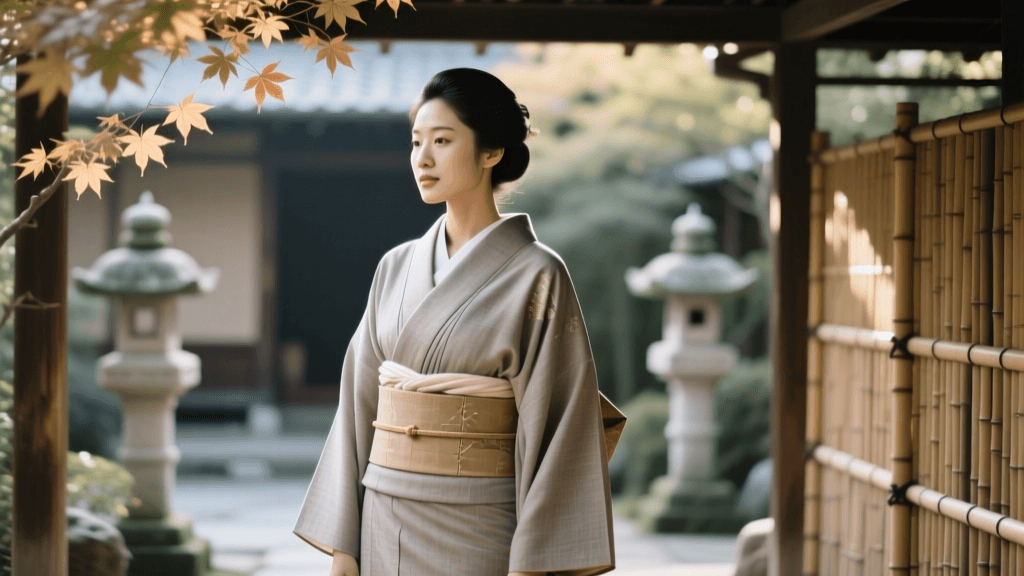
The formality of a kimono is intrinsically tied to the obi (sash) worn with it. A Fukuro obi, woven with gold and silver threads in the prestigious Nishijin-ori style, is mandatory for Furisode and Tomesode. Conversely, a Nagoya obi, which is pre-folded and stitched for easier tying, is the standard for Houmongi and Komon. In 2026, vintage upcycled obi are highly sought after in Tokyo's Shimokitazawa district, allowing wearers to pair historical textiles with modern, minimalist kimono silhouettes.
The Hakama: Academic, Martial, and Ceremonial Wear
The hakama is a pleated, skirt-like garment worn over a kimono. Historically associated with the samurai class for horseback riding and martial arts, its modern usage is highly specific. As detailed in the Met Museum's comprehensive study on Edo Period textiles and social dress, the hakama was a marker of status and profession, a legacy that persists in its contemporary applications.
Umanori vs. Andon-Bakama
There are two primary styles of hakama. The umanori (divided) hakama features split legs, resembling wide trousers, and is standard for martial arts like kendo and kyudo. The andon-bakama (undivided) functions like a pleated skirt and is predominantly worn by women. In 2026, the andon-bakama remains the definitive garment for female university graduates in Japan, typically worn over a vibrant Furisode or a refined Houmongi. It is also standard attire for female Shinto priests and practitioners of traditional tea ceremony.
Tying the Hakama
Securing a hakama requires precision. It features seven deep pleats, representing the seven virtues of the samurai, and is tied with long, stiff himo (cords) over a specialized hakama-shita (under-kimono). The knot, tied at the back over the obi, must be perfectly symmetrical, a skill that requires dedicated practice in kitsuke (dressing) classes.
The Unseen Foundation: Undergarments and Kitsuke
The flawless, cylindrical silhouette of a formal kimono is not achieved by the outer garment alone, but through a meticulous layering process known as kitsuke. The evolution into the Modern Era kimono brought about standardized undergarments that remain essential in 2026.
- Hadajuban & Susoyoke: The base layer consisting of a thin cotton top and wrap-skirt, protecting the expensive silk from skin oils and sweat.
- Nagajuban: The secondary silk or synthetic under-robe. Only the collar (han-eri) and the very bottom of the sleeves are visible. In 2026, washable, moisture-wicking synthetic nagajuban are popular for summer wear, while traditional silk remains the standard for winter.
- Datejime & Koshihimo: Wide silk or elastic sashes used to secure the layers tightly and create the necessary padding to eliminate the natural curves of the body, ensuring the kimono drapes in a perfect, unbroken cylinder.
- Tabi: Split-toe socks. White cotton tabi are strictly required for all formal and semi-formal kimono. Colored or patterned tabi are reserved for informal Komon or fashion-forward street styling.
Sourcing, Renting, and Styling in 2026
Acquiring authentic Japanese garments in 2026 offers more sustainable and accessible pathways than ever before. For travelers visiting Kyoto or Tokyo, the rental market has become highly sophisticated. Premium 2026 rental packages, which include a full Houmongi or Furisode set, professional dressing, and hair styling, typically range from ¥12,000 to ¥25,000. Many modern rental shops now utilize AI-assisted virtual fitting mirrors, allowing clients to preview how different obi colors and collar angles will look before the physical dressing begins.
For collectors and long-term residents, the recycle (vintage) market is a treasure trove. Neighborhoods like Daikanyama and Kuramae in Tokyo, as well as the Teramachi-dori area in Kyoto, host specialized vintage kimono boutiques. Here, one can source authentic, hand-dyed Yuzen silk kimono from the mid-20th century for a fraction of their original cost, often starting around ¥5,000 to ¥15,000 depending on the condition and the presence of family crests (kamon). When purchasing vintage, always inspect the silk for yake (sun fading) and ensure the lining is free of moisture damage.
Conclusion
Mastering the nuances of the yukata, kimono, and hakama is a journey into the heart of Japanese aesthetics and social philosophy. By respecting the boundaries of formality, understanding the historical weight of textile techniques, and embracing the sustainable vintage markets of 2026, wearers can honor this profound cultural heritage while expressing their own personal elegance.