Hanbok & Cheongsam in 2026 Global Fashion Media: Editorial Guide
The Renaissance of Asian Silhouettes in 2026 Fashion Media
Global fashion media has undergone a profound transformation in 2026, moving beyond superficial cultural appreciation to the deep, structural integration of Asian traditional garments. Leading publications, luxury brand campaigns, and high-fashion streaming media are no longer treating the hanbok and cheongsam (qipao) as mere ceremonial costumes or fleeting exotic trends. Instead, they are celebrated as foundational elements of contemporary haute couture and avant-garde editorial styling. This shift reflects a broader industry movement toward heritage-driven sustainability, architectural fashion, and respectful cultural collaboration. In this comprehensive guide, we explore how these iconic garments are being reinterpreted on the pages of global fashion magazines and provide actionable advice for sourcing and styling editorial-grade pieces today.
The Cheongsam (Qipao): From Heritage to Haute Couture
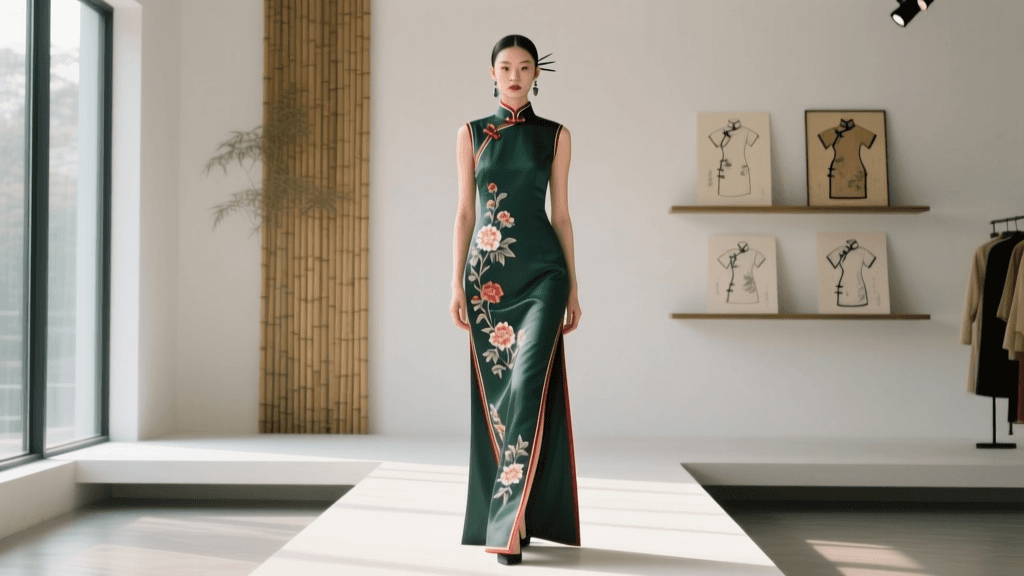
The cheongsam has experienced a radical editorial rebirth in 2026. Fashion editors at top-tier magazines are favoring deconstructed interpretations that maintain the garment's iconic high collar and asymmetric fastening while introducing avant-garde tailoring. According to the extensive textile archives at the Metropolitan Museum of Art's Asian Art department, the structural integrity of the qipao has historically relied on precise darting, side slits, and intricate frog closures. In 2026, contemporary designers are exaggerating these elements, pairing them with structured, oversized outerwear or utilizing sustainable textiles that drape with a heavier, more sculptural quality.
Key 2026 Cheongsam Editorial Trends
- Architectural Collars: Exaggerated mandarin collars crafted from stiffened organza, vegan leather, or 3D-printed bioplastics are dominating avant-garde spreads.
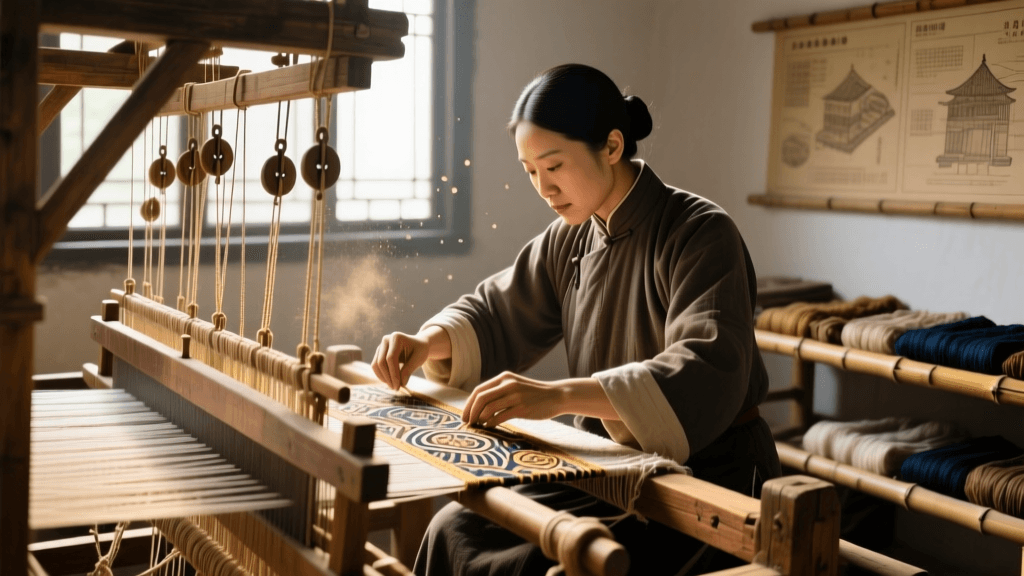
- Monochromatic Jacquards and Mud Silk: Moving away from loud, traditional motifs, editors are favoring subtle, tone-on-tone botanical jacquards and Xiangyunsha (mud silk). This heritage fabric, dyed with river mud and yam juice, is highly prized in 2026 for its zero-waste production and rich, leathery patina.
- Modular Layering: Styling the cheongsam over wide-leg silk trousers, sheer turtlenecks, or deconstructed denim, adapting it for transitional weather and modern street-style editorials.
The Hanbok: Structural Volume and Modern Minimalism
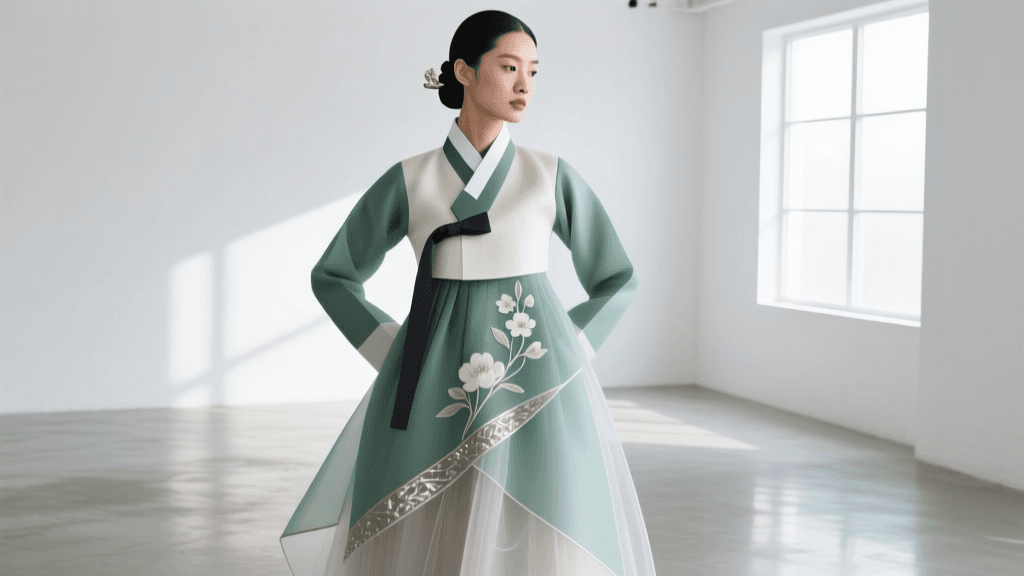
Parallel to the cheongsam's evolution, the Korean hanbok has become a staple in 2026's 'quiet luxury' and architectural volume editorials. The traditional silhouette—defined by the cropped jeogori (jacket) and the voluminous chima (skirt) for women, or the baji (trousers) for men—offers a masterclass in geometric proportion. As documented by cultural heritage initiatives on Korea.net's official culture portal, the hanbok's beauty lies in its fluid lines, vibrant use of negative space, and deep philosophical roots in Korean cosmology.
In 2026 global fashion spreads, stylists are stripping away the historically vibrant, contrasting colors in favor of muted, earth-toned palettes. Think charcoal grey ramie, ivory hemp, and deep indigo silks. The chima is frequently rendered in sheer, multi-layered tech-organza, creating a bell-shaped silhouette that photographs with striking etherealism. Meanwhile, the traditional goreum (ribbon tie) is being reimagined as detached, oversized structural sashes or woven with subtle metallic threads to catch studio lighting.
Editorial Styling Breakdown: Traditional vs. 2026 Avant-Garde
Understanding the distinction between historical accuracy and modern editorial styling is crucial for fashion professionals and collectors. Below is a comparison of how these garments are being adapted for contemporary media.
| Garment Element | Traditional Construction | 2026 Editorial Styling |
|---|---|---|
| Cheongsam Collar | Soft, fabric-covered mandarin collar (1-2 inches) | Stiffened, exaggerated heights, asymmetrical cuts, or detachable metal accents |
| Cheongsam Slits | Moderate side slits for ease of movement | Extreme thigh-high slits, layered over contrasting trousers or sheer hosiery |
| Hanbok Jeogori | Cropped just below the bust, curved hemline | Hyper-cropped bolero style, sharp angular hems, or sheer fabric overlays |
| Hanbok Chima | Opaque silk or cotton, tightly pleated at the chest | Sheer tech-organza, asymmetrical hemlines, or unpleated sculptural draping |
The Impact of Streaming Media on Global Demand
The influence of global streaming platforms cannot be overstated in 2026. High-budget historical dramas and neo-noir sci-fi epics set in futuristic Seoul or alternate-reality Shanghai have birthed the 'cyber-heritage' aesthetic. Costume designers are blending traditional weaving techniques with wearable technology, such as integrating fiber-optic threading into the hems of a cheongsam or using temperature-responsive dyes on a hanbok's jeogori. This media exposure has driven a massive surge in consumer demand for ready-to-wear pieces that capture this cinematic, editorial energy without the need for a bespoke commission.
Sourcing Editorial-Grade Traditional Garments
For collectors, stylists, and fashion enthusiasts looking to acquire pieces that match this 2026 editorial standard, the market has matured significantly. You are no longer limited to mass-produced tourist garments or strictly ceremonial wear.
Where to Source Contemporary Designs
- Bespoke Ateliers in Shanghai and Seoul: Custom commissions remain the gold standard for editorial perfection. Expect to pay between $800 and $2,500 for a hand-finished, editorial-grade cheongsam or hanbok using premium heritage fabrics like authentic Xiangyunsha or hand-woven Andong hemp.
- Independent Global Designers: Look for designers who have trained at institutions like Bunka Fashion College, Central Saint Martins, or Parsons, and who specialize in Asian heritage wear. Many contemporary brands now offer ready-to-wear editorial capsules priced between $350 and $900, focusing on modern silhouettes and sustainable textiles.
- Curated Vintage Archives: Sourcing 1930s Shanghai qipaos or mid-century Korean hanboks from verified vintage dealers provides authentic structural references. The Victoria and Albert Museum's Asian collections frequently highlight the historical tailoring techniques that modern vintage dealers and archivists use to authenticate and preserve these invaluable pieces.
Critical Measurements for Modern Tailoring
When commissioning or purchasing a contemporary cheongsam for editorial styling, standard sizing is rarely sufficient. You must provide the atelier with specific editorial measurements:
- Nape to Hem: Crucial for determining the dramatic, floor-sweeping length favored in 2026 high-fashion photography.
- Slit Placement: Measure from the waist down to dictate exactly where the thigh slit begins, ensuring it aligns with your styling vision (e.g., pairing with high-waisted trousers).
- Collar Clearance: Specify the exact millimeter gap between the neck and the mandarin collar to ensure the architectural stiffness does not impede movement during long editorial shoots.
Care and Maintenance for High-Fashion Silks and Ramie
Maintaining editorial-grade garments requires meticulous care, especially when modern designers blend traditional fibers with contemporary structural elements. Improper care can ruin the architectural silhouettes that define the 2026 aesthetic.
- Peace Silk and Mulberry Silk: Always utilize professional, eco-friendly dry cleaning. Never use alkaline detergents, which degrade the protein structure of the silk and ruin the subtle jacquard weaves popular in current editorials.
- Ramie and Hemp Blends: These plant-based fibers are highly durable but prone to hard creasing. Hand wash in cold water with a pH-neutral soap, and press with a steam iron while the garment is still slightly damp to maintain the crisp, angular lines required for modern styling.
- Structural Organza and Tech-Fabrics: Avoid traditional steam, which can melt or warp synthetic blends used in modern chima skirts. Instead, use a specialized cold-air garment steamer and store the skirt on a wide, padded hoop hanger to preserve the bell shape.
- Archival Storage: Store heavy chima and structured cheongsams on padded, wide-shoulder hangers in breathable cotton garment bags. Never fold archival or editorial pieces along the seams, as this will permanently weaken the fibers and create stubborn creases that disrupt the garment's fluid lines.
Conclusion
The integration of the hanbok and cheongsam into 2026 global fashion media represents a triumph of cultural preservation meeting modern design innovation. By understanding the structural nuances, sourcing from ethical contemporary ateliers, and maintaining these garments with expert care, fashion professionals and enthusiasts can actively participate in this sophisticated sartorial renaissance. As the lines between heritage wear and haute couture continue to blur, these iconic Asian silhouettes will undoubtedly remain at the forefront of global editorial styling for years to come.