Chinese Couture on the Global Runway: A Collector's Guide
The Global Impact of Chinese Haute Couture
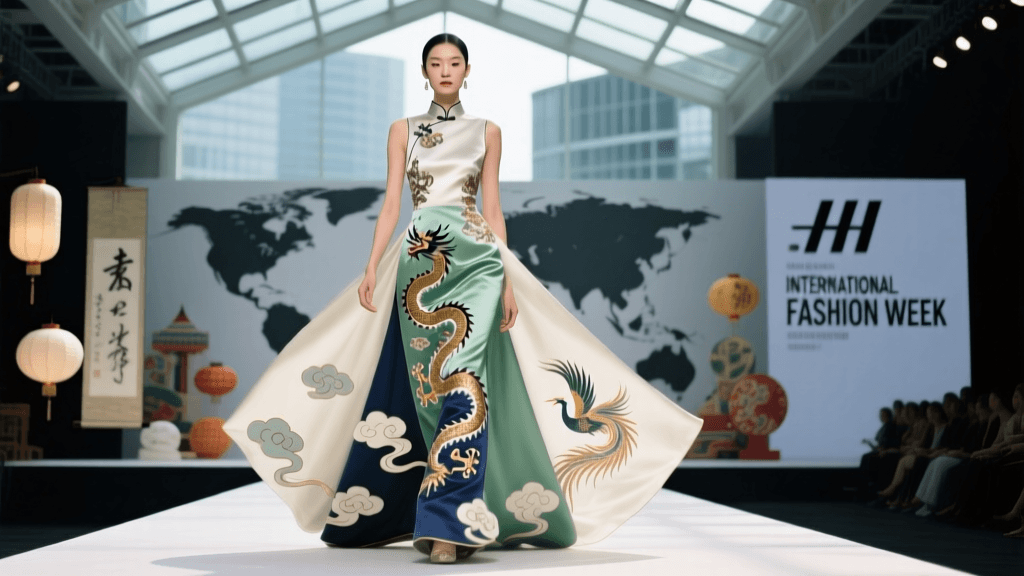
The intersection of traditional Chinese garment-making and international haute couture represents one of the most dynamic and visually arresting movements in modern fashion history. From the intricate silk brocades of the Ming Dynasty to the structural elegance of the 1930s Shanghai qipao, Chinese sartorial heritage has continuously captivated global design houses. The watershed moment for this cultural exchange on the modern runway was undoubtedly the Metropolitan Museum of Art’s 2015 exhibition and accompanying gala, China: Through the Looking Glass. This event not only shattered attendance records but also cemented Chinese aesthetic codes—such as porcelain-inspired embroidery, jade ornamentation, and dragon motifs—as permanent fixtures in the lexicon of global luxury fashion.
Today, collectors, stylists, and fashion enthusiasts look beyond mere trend-chasing. They seek to acquire, commission, and style garments that honor the profound history of Chinese textiles while meeting the rigorous demands of contemporary red carpets and international galas. This guide provides actionable insights into sourcing, commissioning, and styling Chinese-inspired couture for high-profile events.
Core Elements of Chinese Runway Fashion
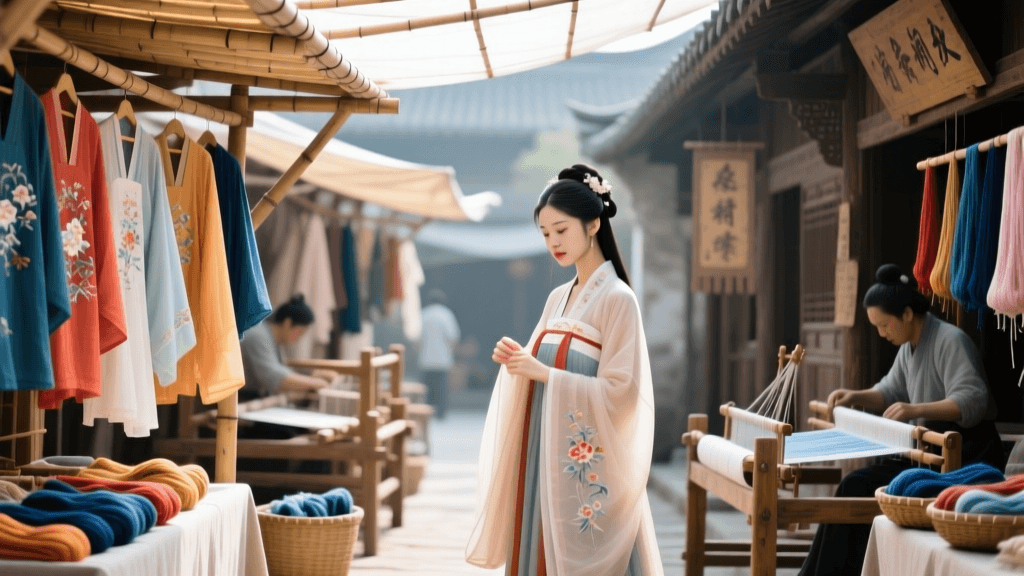
To successfully navigate the world of Chinese couture, one must understand the foundational techniques that distinguish these garments from Western tailoring. According to the Heilbrunn Timeline of Art History, traditional Chinese dress is characterized by its emphasis on surface decoration, symbolic motifs, and fluid, unstructured silhouettes that drape over the body rather than constricting it.
Kesi Silk Tapestry and Brocade
Kesi (cut silk) is a highly specialized tapestry weaving technique that creates a seamless, carved-like surface where the pattern appears to float on the fabric. In modern couture, designers utilize Kesi and heavy silk brocades (zhijin) to construct structured bodices and sweeping train details. When commissioning a piece, request a minimum of 22-momme silk charmeuse or heavy crepe de chine for liquid draping, and 30-momme or higher for structured brocade elements.
The Four Famous Embroideries
Haute couture-level Chinese garments frequently feature one of the Four Famous Embroideries: Su (Suzhou), Xiang (Hunan), Shu (Sichuan), and Yue (Guangdong). Su embroidery is the most prevalent in high fashion due to its incredibly fine silk threads, which can be split into up to 48 microscopic strands. This allows for photorealistic shading and double-sided stitching. When consulting with an atelier, specify Su embroidery for delicate floral motifs and Shu embroidery for bold, high-contrast pieces featuring koi or pandas.
Evolution of the Silhouette
While Western couture often relies on corsetry and crinolines, Chinese-inspired runway pieces frequently adapt the qipao (cheongsam) or the flowing lines of Hanfu. Modern iterations feature high mandarin collars, asymmetrical pipa-shaped lapels, and dramatic side slits that allow for movement. As noted in extensive coverage of international red carpet events by The Guardian, the fusion of these traditional silhouettes with Western train lengths and modern fabrics creates a striking, statuesque profile highly favored by celebrities and diplomats alike.
Commissioning and Sourcing: A Collector’s Guide
Acquiring a couture-level Chinese garment requires navigating a complex landscape of ready-to-wear luxury brands, made-to-measure ateliers, and bespoke haute couture houses. Whether you are sourcing for a museum archive, a private collection, or a specific gala appearance, understanding the financial and temporal investments is crucial.
Cost, Timing, and Sourcing Comparison
| Category | Estimated Cost (USD) | Lead Time | Best Use Case |
|---|---|---|---|
| Luxury Ready-to-Wear (e.g., Shanghai Tang, Guo Pei RTW) | $2,500 – $8,000 | 1 – 3 Months | Cocktail parties, premieres, high-end evening wear |
| Made-to-Measure (Bespoke Qipao Ateliers) | $5,000 – $15,000 | 3 – 6 Months | Diplomatic dinners, weddings, formal galas |
| Haute Couture (Custom Runway/Archive Commissions) | $50,000 – $250,000+ | 9 – 18 Months | Met Gala, Cannes Film Festival, Museum Archives |
Actionable Sourcing Steps
- Identify the Ateliers: For authentic, high-end qipao construction, look to heritage tailors in Shanghai and Hong Kong, such as Blanc de Chine or established masters on Maoming Road. For avant-garde runway couture, direct inquiries to Paris-based Chinese couture houses are necessary.
- Request Fabric Swatches: Never commission a bespoke piece without reviewing physical swatches. Ensure the silk has been pre-shrunk and treated for colorfastness, especially if utilizing traditional plant-based dyes like indigo or madder root.
- Secure Archive Rights: If you are purchasing a retired runway piece from a Chinese designer’s archive, ensure the contract includes rights for public exhibition and specifies the exact condition report, including any oxidized metallic threads.
Styling Chinese Couture for Galas and Red Carpets
Styling a Chinese-inspired couture piece requires a delicate balance of honoring the garment’s cultural roots while ensuring it photographs flawlessly under harsh red-carpet lighting. The structural integrity of garments like the qipao demands precise preparation.
Precision Measurements and Fit
Unlike Western gowns that can be altered significantly in the final weeks, a heavily embroidered qipao leaves almost zero margin for error. When submitting measurements to an atelier, you must provide:
- Hollow-to-Hem: Measured from the base of the neck to the desired floor length, accounting for the exact heel height (minimum 3 inches recommended for optimal drape).
- High Hip and Low Hip: The qipao skims the body closely; measuring both ensures the side slits do not pull open awkwardly when walking.
- Across Back and Shoulder Slope: Crucial for the mandarin collar and cap sleeves to lay flat without buckling.
Undergarments and Foundation
The sleek silhouette of Chinese couture is easily disrupted by visible panty lines or bulky shapewear. Invest in custom-molded silicone body shapers or seamless, laser-cut microfiber undergarments in nude tones that match the wearer's exact skin undertone. For garments with dramatic side slits, specialized dancewear briefs or built-in silk gussets must be integrated by the tailor during the initial muslin fitting.
Accessory Pairing: Jade, Gold, and Pearls
When accessorizing, avoid overwhelming the garment's intricate embroidery.
- Jade: Opt for Type A, untreated imperial green jadeite. A single, high-quality jade bangle or a carved jadeite pendant on a fine gold chain adds authenticity without competing with the dress.
- Gold Filigree: Traditional Chinese gold filigree (hua si xiang qian) earrings or hairpins complement the metallic threads often found in Su embroidery.
- Footwear: Avoid overly embellished shoes. A sleek, pointed-toe pump in a color pulled directly from the secondary tones of the dress’s embroidery is the most elegant choice.
Navigating Cultural Appreciation on the Runway
As Chinese fashion continues to dominate international runways, the line between cultural appreciation and appropriation is a critical consideration for stylists and collectors. True appreciation involves deep engagement with the garment’s history and craftsmanship. When styling or commissioning, avoid mixing sacred or historically restricted motifs (such as the five-clawed imperial dragon or specific Buddhist iconography) with casual or overly sexualized modern styling. Consulting with cultural historians or working directly with Chinese heritage brands ensures that the garment is presented with the dignity and context it deserves.
Preserving and Maintaining Couture Garments
Couture-level Chinese garments are investments that require museum-grade preservation. The metallic threads used in brocade and embroidery are highly susceptible to tarnishing and friction.
- Storage: Never hang heavy, beaded, or embroidered silk garments on standard hangers, as the weight will distort the warp and weft of the silk. Store them flat in acid-free, archival-quality boxes lined with unbleached muslin.
- Cleaning: Avoid traditional dry cleaning, as the harsh chemicals can strip the natural sericin from the silk and dissolve the metallic coatings on embroidery threads. Seek out specialist textile conservators who utilize liquid carbon dioxide cleaning or specialized hand-spotting techniques.
- Environment: Maintain a storage environment at exactly 68°F (20°C) with a relative humidity of 50%. Fluctuations in humidity can cause silk fibers to expand and contract, leading to the snapping of delicate embroidery threads.
By understanding the profound history, meticulous craftsmanship, and precise styling requirements of Chinese couture, collectors and fashion professionals can champion these magnificent garments on the global stage, ensuring their legacy continues to inspire the international fashion landscape.