Styling a Traditional Kimono for Modern Formal Events
The Renaissance of the Kimono in Contemporary Formalwear
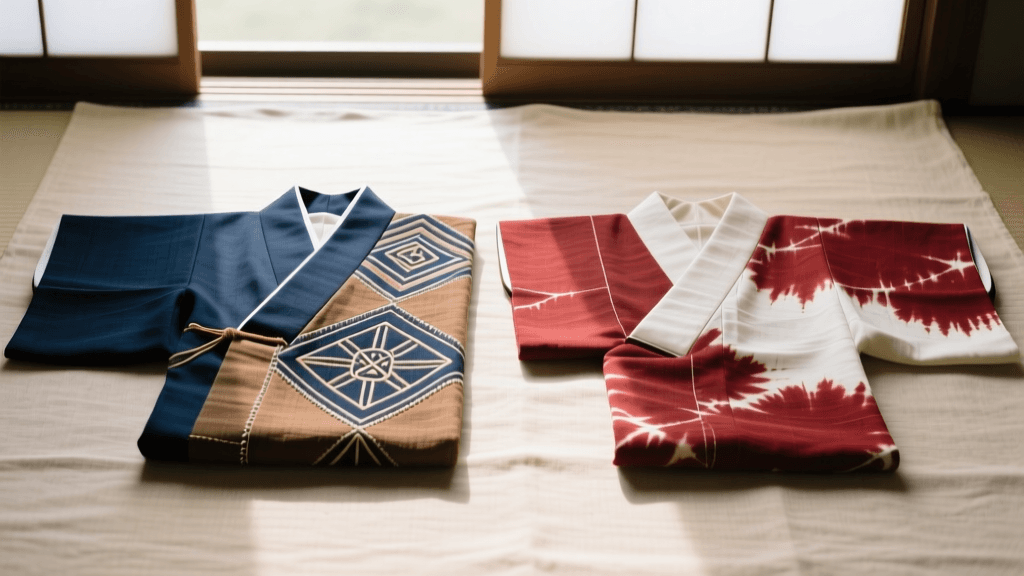
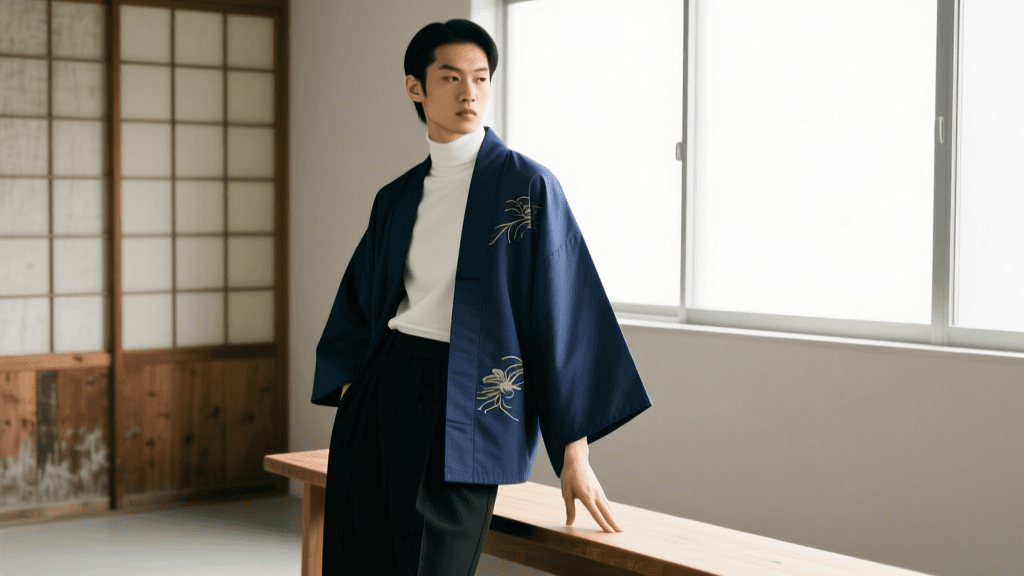
The traditional Japanese kimono is often mistakenly viewed by the global public as a static relic of the past, reserved exclusively for tea ceremonies or coming-of-age festivals. In reality, the kimono is a dynamic, living garment that has continuously evolved to meet the sartorial demands of modern life. Today, fashion-forward individuals and cultural enthusiasts are increasingly styling traditional Japanese garments for contemporary formal occasions, including evening galas, modern weddings, art gallery openings, and international red-carpet events. As highlighted by the Victoria and Albert Museum in their comprehensive exploration of the garment's history, the kimono has always been a highly fashionable, trend-responsive piece of clothing that readily absorbs global influences while maintaining its distinct structural elegance.
Styling a kimono for a modern formal event requires a delicate balance between respecting historical sartorial rules and embracing contemporary aesthetics. By understanding the nuances of fabric, formality, and modern accessory pairings, you can transform this centuries-old T-shaped garment into a breathtaking ensemble suited for the 21st century's most exclusive occasions.
Selecting the Right Kimono for Modern Events
The foundation of any formal kimono ensemble lies in selecting the correct garment type based on the event's dress code, the time of day, and the wearer's marital status or personal preference. While the traditional rules of kitsuke (the art of dressing) are strict, modern styling allows for a degree of curated flexibility, particularly when attending international or non-traditional galas.
Houmongi (Visiting Wear)
The Houmongi is the most versatile formal kimono for modern evening events. Characterized by its eba-moyo (a continuous pattern that flows seamlessly across the seams of the fabric), it is appropriate for both married and unmarried women. For a modern gala, opt for a Houmongi in deep, jewel-toned silks like emerald green or sapphire blue, featuring subtle metallic threads that catch the ambient lighting of an evening venue.
Furisode (Swinging Sleeves)
Traditionally reserved for unmarried women, the Furisode is instantly recognizable by its dramatic, floor-sweeping sleeves, which can measure up to 114 centimeters in length. While historically worn for Seijin Shiki (Coming of Age Day), modern fashion icons frequently style Furisode at high-profile international events to make a bold, avant-garde statement. The sweeping sleeves create a magnificent silhouette that rivals any Western haute couture ballgown.
Kurotomesode (Black Formal Wear)
The Kurotomesode is the most formal kimono for married women, typically worn by the mothers of the bride and groom at weddings. It is made of black silk crepe (chirimen) and features five family crests (kamon). While its use is strictly bound to wedding ceremonies, its stark, elegant black canvas provides a striking backdrop for highly decorative, modern gold and silver obi belts.
Comparison Chart: Formal Kimono Types for Modern Events
| Kimono Type | Formality Level | Best Modern Event Match | Est. Rental Cost (USD) | Dressing Time |
|---|---|---|---|---|
| Houmongi | Semi-Formal to Formal | Gallery Openings, Dinners, Galas | $70 - $130 | 45 - 60 mins |
| Furisode | High Formal | Red Carpets, Premiere Nights | $120 - $250 | 60 - 90 mins |
| Kurotomesode | Ultra-Formal | Weddings (Immediate Family) | $150 - $300 | 60 - 90 mins |
| Komon (Edo Komon) | Smart Casual / Cocktail | Theater, Cocktail Parties | $40 - $80 | 30 - 45 mins |
Blending Tradition with Modern Accessories
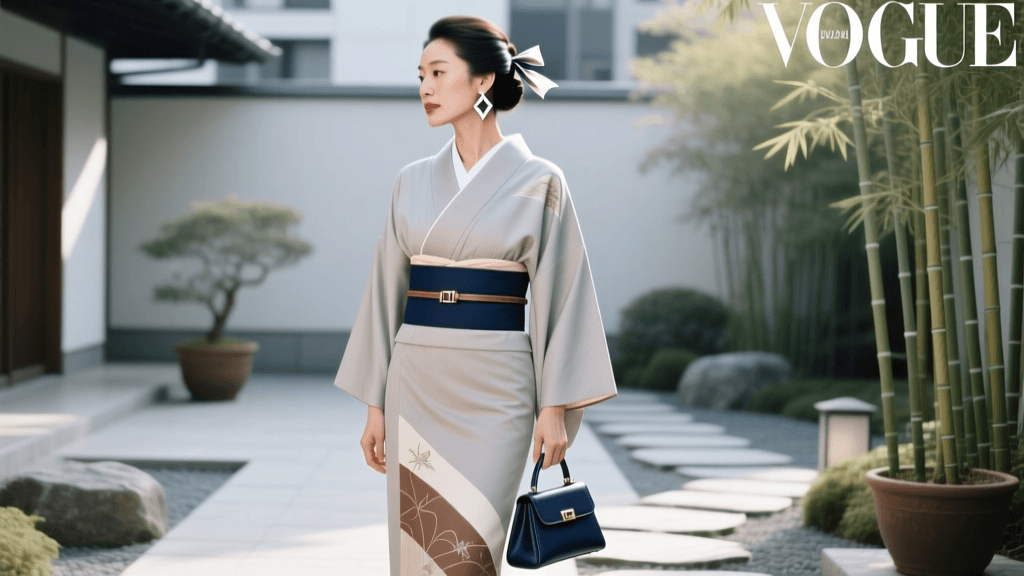
The true art of modernizing a kimono ensemble lies in the accessories. The obi (sash) is the focal point of the outfit. For formal evening events, a Fukuro Obi is mandatory. Measuring approximately 30 centimeters in width and 4.5 meters in length, a formal Fukuro Obi is woven with heavy gold or silver metallic threads. According to The Metropolitan Museum of Art, the structural complexity of the obi and its tying methods represent a significant architectural achievement in global fashion history.
For modern events, consider the Otaiko knot, a smooth, drum-like knot that sits elegantly at the back, offering a sleek profile that is comfortable for sitting at formal dinner tables. To secure the obi, an obijime (braided cord) is used. Contemporary stylists often swap traditional silk cords for obijime adorned with modern obidome (brooches) crafted from semi-precious stones, polished agate, or even minimalist acrylics, bridging the gap between Edo-period craftsmanship and modern jewelry design.
Footwear: Zori and Tabi
Traditional formal footwear consists of white split-toe tabi socks and zori sandals. For evening galas, select zori with brocade or vinyl covers that match the metallic hues of your obi. While purists insist on flat zori, modern kimono rental boutiques in Tokyo and Kyoto now offer 'heel zori'—sandals with a discreet 3-to-5 centimeter block heel. This modern innovation not only prevents the hem of the kimono from dragging on the floor but also improves the wearer's posture, creating a more elongated, graceful silhouette that pairs beautifully with Western-style evening clutches.
Hair, Makeup, and the Modern Aesthetic
When styling a kimono for a contemporary gala, the hair and makeup should complement, rather than compete with, the garment. Traditional geisha-style makeup is entirely inappropriate for a modern guest. Instead, opt for a modern, minimalist makeup look with a focus on flawless skin and a bold, matte lip color that echoes a secondary hue in the kimono's pattern.
Hair should be styled in an elegant updo to expose the eri (collar) at the nape of the neck, which is considered a highly elegant and sensual focal point in Japanese aesthetics. Modern kanzashi (hair ornaments) can be integrated subtly. Instead of the large, dangling floral kanzashi worn by maiko, choose minimalist metal hairpins, single pearl accents, or tortoiseshell combs that align with modern fine jewelry trends.
Practicalities: Timelines, Costs, and Dressing
Wearing a formal kimono is an intricate process that requires professional assistance unless you are highly trained in kitsuke. Planning your timeline and budget is crucial for a stress-free event experience.
- The Kitsuke Process: Professional dressing takes between 45 to 90 minutes. The dresser will use multiple undergarments, including a hadajuban (undershirt), susuyoke (slip), and datejime (under-belts) to create the ideal cylindrical body shape, which prevents the obi from slipping.
- Collar Etiquette: The most critical rule of kimono dressing is that the left side of the collar must always cross over the right. As noted by cultural authorities like Japan Guide, wrapping the right side over the left is strictly reserved for dressing the deceased for burial. This rule applies universally, regardless of how avant-garde the rest of your styling may be.
- Cost Breakdown: Renting a high-end Houmongi or Furisode package in major cities like Tokyo or Kyoto typically costs between $80 and $250 USD. This usually includes the kimono, obi, undergarments, zori, and a small bag. Hiring a professional kitsuke-shi (dresser) to come to your hotel or venue will add an additional $60 to $120 USD to your budget.
- Event Day Timeline: Because the kimono restricts your stride and requires careful posture management, you should finish dressing no more than 90 minutes before you need to enter your transportation. Sitting in a car requires leaning back slightly and pulling the hem forward to avoid crushing the obi knot.
'The kimono is not merely a garment to be worn; it is an architecture of silk that demands the wearer to move with intention, grace, and a deep awareness of their physical space.'
— Modern Kitsuke Master, Kyoto
Sustainable and Vintage Styling
An increasingly popular trend among eco-conscious fashion lovers is sourcing vintage kimono and upcycled obi. The secondary market in Japan is vast, with high-quality, mid-century silk garments available for a fraction of the cost of new, custom-woven silk. Styling a vintage kimono for a modern gala not only ensures that your ensemble is entirely unique—eliminating the risk of matching with another guest—but also aligns with the global fashion industry's push toward sustainable, circular wardrobes. Pairing a 1970s vintage silk kimono with a contemporary, sustainably sourced leather obi belt is a hallmark of cutting-edge, eco-friendly formal styling.
Conclusion
Styling a traditional kimono for modern formal occasions is a profound way to engage with Asian traditions while expressing personal, contemporary style. By carefully selecting the appropriate garment, investing in professional dressing, and thoughtfully integrating modern accessories, you can honor the rich heritage of Japanese textile arts while making a striking, unforgettable entrance at any modern gala or wedding. The kimono, in all its structured majesty, remains one of the most powerful and elegant garments in the global formalwear repertoire.