Guide to Ainu Attush and Ryukyuan Ryusou Textiles
Beyond the Yamato: Exploring Japan's Ethnic Minority Textiles
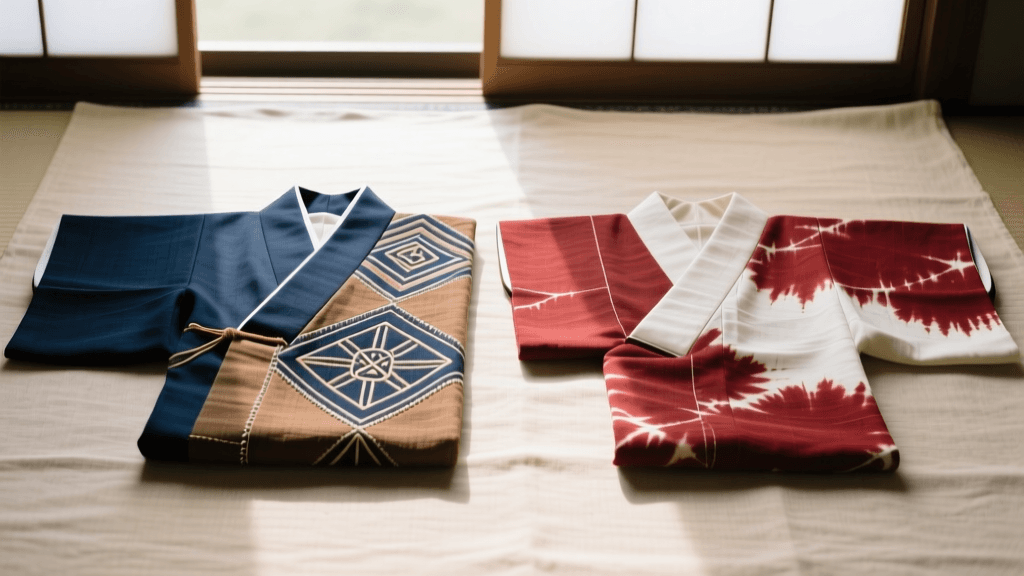
When discussing traditional Japanese clothing, the global imagination immediately turns to the silk kimono, the obi, and the hakama of the Yamato majority. However, Japan's rich tapestry of cultural heritage extends far beyond the main islands' dominant culture. The indigenous Ainu people of Hokkaido and the Ryukyuan people of Okinawa possess deeply distinct, breathtaking textile traditions. For collectors, historians, and cultural enthusiasts, acquiring and preserving Ainu attush and Ryukyuan ryusou offers a profound connection to these resilient ethnic minorities. This guide provides actionable advice on identifying, sourcing, and preserving these extraordinary garments.
The Ainu Attush: Bark Cloth of the Northern Frontier
The Ainu, the indigenous people of Hokkaido, Sakhalin, and the Kuril Islands, developed a material culture perfectly adapted to their harsh, snowy environment. The cornerstone of traditional Ainu everyday clothing is the attush, a robust, breathable fabric woven from the inner bark of the Japanese elm (Ulmus davidiana, known as ohyo in Ainu) or the Manchurian elm.
Material and Craftsmanship
Creating attush is a labor-intensive process that requires deep ecological knowledge. Bark is typically harvested in the spring or early summer when the sap is flowing. The outer bark is stripped away, and the inner layers are boiled, dried, and softened in running water. Artisans then split the fibers into fine threads using their fingernails and weave them on a backstrap loom. The resulting fabric is highly durable, water-resistant, and possesses a distinct, earthy texture that softens beautifully with age.
While the base fabric is plain, Ainu garments are famously adorned with intricate appliqué and embroidery. According to the National Ainu Museum (Upopoy), these motifs—such as the moreu (spirals) and aiush (thorns)—are not merely decorative. They serve a spiritual function, placed at the collar, cuffs, and hems to ward off malevolent spirits from entering the wearer's body.
Sourcing and Authenticating Ainu Attush
For collectors, acquiring authentic vintage or contemporary attush requires knowing where to look and what to examine.
- Where to Buy: The village of Nibutani in Hokkaido is the historical and contemporary epicenter of Ainu craft. Visiting local cooperatives or the Nibutani Ainu Culture Museum shop is the most reliable way to purchase authentic pieces directly from artisans. Online, specialized Japanese antique textile dealers and auction houses in Sapporo occasionally list vintage 19th and early 20th-century garments.
- Authentication: Genuine attush has a distinct, slightly woody scent and a visible, irregular weave. Synthetic reproductions or tourist-grade items often use dyed cotton or hemp to mimic the color of elm bark. Examine the threads closely; true elm bark fiber has a natural luster and varying thickness.
- Costs and Timing: A contemporary, hand-woven attush jacket (attush-amip) crafted by a recognized artisan will typically cost between $800 and $1,500 USD. Vintage, heavily embroidered ceremonial robes from the Meiji or Taisho eras can range from $2,000 to over $10,000 USD depending on provenance and condition. The best time to visit Hokkaido for textile sourcing is September, coinciding with autumn harvest festivals and craft fairs.
Ryukyuan Ryusou and Bingata: Subtropical Elegance
Thousands of miles south of Hokkaido, the Ryukyu Islands (modern-day Okinawa) developed a completely different sartorial tradition. As an independent kingdom for centuries, the Ryukyu Kingdom served as a vital maritime bridge between China, Japan, Korea, and Southeast Asia. This cosmopolitan trade history is vividly woven into the ryusou, the traditional dress of the Ryukyuan people.
Materials: Bashofu, Jofu, and Bingata
Unlike the heavy silks and bark cloths of the north, Ryukyuan textiles are engineered for a hot, humid, subtropical climate. The most prized everyday and summer fabrics are bashofu (woven from the fibers of the Japanese fiber banana) and jofu (a high-quality ramie). These fabrics are incredibly lightweight, breathable, and possess a crisp, linen-like drape.
For formal and ceremonial wear, the Ryukyu Kingdom developed bingata, a spectacular resist-dyeing technique. Using paper stencils and a soybean-based resist paste, artisans apply vibrant pigments—traditionally derived from minerals and plants like the Fukugi tree (yellow) and cochineal (red)—to create bold, tropical motifs featuring peonies, dragons, and ocean waves. The Okinawa Prefectural Museum houses an extensive collection of historical bingata, showcasing how the size and complexity of the motifs were strictly regulated by the wearer's social rank during the kingdom era.
Sourcing and Authenticating Ryukyuan Textiles
The market for Ryukyuan textiles is vibrant but requires a discerning eye to distinguish between authentic artisan work and mass-produced souvenirs.
- Where to Buy: Naha, the capital of Okinawa, is home to several historic bingata dyeing studios, such as the Chinen and Shiroma families, who have held their craft since the Ryukyu Kingdom era. For vintage bashofu and jofu, antique markets in Tsuboya and specialized textile galleries in Kyoto and Tokyo often carry high-end Okinawan pieces.
- Authentication: Authentic bingata features a distinct 'halo' effect around the edges of the dyed motifs, a result of the stencil paste resisting the dye naturally. The colors should be vibrant but possess a natural, slightly muted depth characteristic of traditional pigments. For bashofu, hold the fabric to the light; true banana fiber has a beautiful, semi-translucent quality and natural slubs.
- Costs and Timing: A standard cotton bingata obi or haori might cost between $300 and $800 USD. However, a full, hand-dyed silk bingata kimono or a genuine, hand-woven bashofu bolt will easily range from $3,000 to $15,000+ USD. Plan sourcing trips for October or November, when the typhoon season has passed, the weather is dry, and traditional craft exhibitions are frequently held in Naha.
Comparative Analysis: Ainu vs. Ryukyuan Garments
Understanding the stark contrasts between these two ethnic minority traditions is crucial for collectors building a diverse and historically accurate portfolio.
| Feature | Ainu Attush | Ryukyuan Ryusou / Bingata |
|---|---|---|
| Primary Material | Elm bark fiber (Ohyo) | Ramie (Jofu), Banana (Bashofu), Silk |
| Climate Origin | Cold, snowy (Hokkaido) | Subtropical, humid (Okinawa) |
| Bolt Width (Standard) | Approx. 30-35 cm (Backstrap loom) | Approx. 36-38 cm (Treadle loom) |
| Average Cost (USD) | $800 - $3,000 (Contemporary/Vintage) | $1,500 - $15,000+ (Artisan Silk/Bashofu) |
| Primary Decoration | Appliqué and chain-stitch embroidery | Stencil resist-dyeing (Bingata) |
| Care Difficulty | Moderate (Susceptible to moisture/mold) | High (UV fading, dye bleeding) |
Archival Care and Preservation Guidelines
Preserving ethnic minority textiles requires specialized knowledge, as the natural fibers and dyes behave differently than modern synthetic materials. Research from the National Museum of Ethnology emphasizes that improper storage is the leading cause of degradation in historical Japanese textiles.
Environmental Controls
Both attush and bashofu are highly susceptible to fluctuations in humidity. Maintain a stable environment with a relative humidity (RH) between 45% and 55%, and a temperature around 65°F to 68°F (18°C - 20°C). High humidity will cause elm bark fibers to develop mold, while excessively dry conditions will make banana and ramie fibers brittle and prone to snapping.
Storage Materials and Techniques
- Wrapping: Never store these garments in plastic, which traps moisture and off-gasses harmful chemicals. Wrap each piece in acid-free, unbuffered tissue paper (tatou). For bingata textiles, ensure the tissue is completely unbuffered, as alkaline buffers can react with natural plant dyes and alter their colors.
- Containers: The gold standard for Japanese textile storage is the kiribako (paulownia wood box). Paulownia naturally regulates humidity and repels insects. If using archival cardboard boxes, ensure they are lined with acid-free paper.
- Moth Prevention: Avoid traditional camphor or chemical mothballs, especially with bingata and attush, as the fumes can permanently stain natural dyes and degrade bark fibers. Instead, use natural kobu (dried kelp) or specially formulated, non-off-gassing archival pest deterrents, and inspect the garments bi-annually.
Cleaning and Handling
Never attempt to wash vintage attush or bashofu at home. Water can cause the elm bark fibers to shrink and stiffen irreversibly, while it can cause the soybean resist and natural pigments in bingata to bleed. Always consult a conservator who specializes in Asian ethnographic textiles. When handling, wear clean, dry cotton gloves to prevent the transfer of natural skin oils, which attract pests and cause localized fabric degradation over time.
Conclusion
The garments of the Ainu and Ryukyuan peoples are far more than mere clothing; they are woven archives of indigenous survival, ecological mastery, and cross-cultural exchange. Whether you are drawn to the rugged, spiritual resilience of the Hokkaido attush or the vibrant, cosmopolitan elegance of the Okinawan bingata, collecting these textiles requires patience, respect, and a commitment to their preservation. By understanding the specific materials, sourcing ethically, and employing rigorous archival care, collectors can ensure that the sartorial voices of Japan's ethnic minorities continue to be heard for generations to come.