Chinese Cloud Shoes & Boots 2026: The Ultimate Styling Guide
The Renaissance of Traditional Chinese Footwear in 2026
As the Xin Zhongshi (New Chinese Style) movement continues to dominate global and domestic fashion runways in 2026, the focus has shifted from mere garment silhouettes to the foundational elements of the outfit: traditional footwear. While the Mamianqun (horse-face skirt) and the Ruqun have enjoyed years of mainstream revival, 2026 marks the definitive year of the traditional Chinese shoe. From the elegantly upturned toes of Cloud Shoes (Yunxie) to the structured, scholarly silhouettes of traditional cloth boots (Xuezi), modern consumers are demanding historical accuracy paired with contemporary ergonomic comfort.
Whether you are attending a traditional tea ceremony, navigating a modern corporate office in tailored Xin Zhongshi menswear, or simply looking to ground your everyday wardrobe with a piece of living history, understanding the nuances of Chinese footwear is essential. This comprehensive guide explores the anatomy, modern innovations, styling techniques, and maintenance of traditional Chinese shoes and boots for the 2026 wardrobe.
The Anatomy of Heritage: Cloud Shoes and Cloth Boots
Cloud Shoes (Yunxie / 云履)
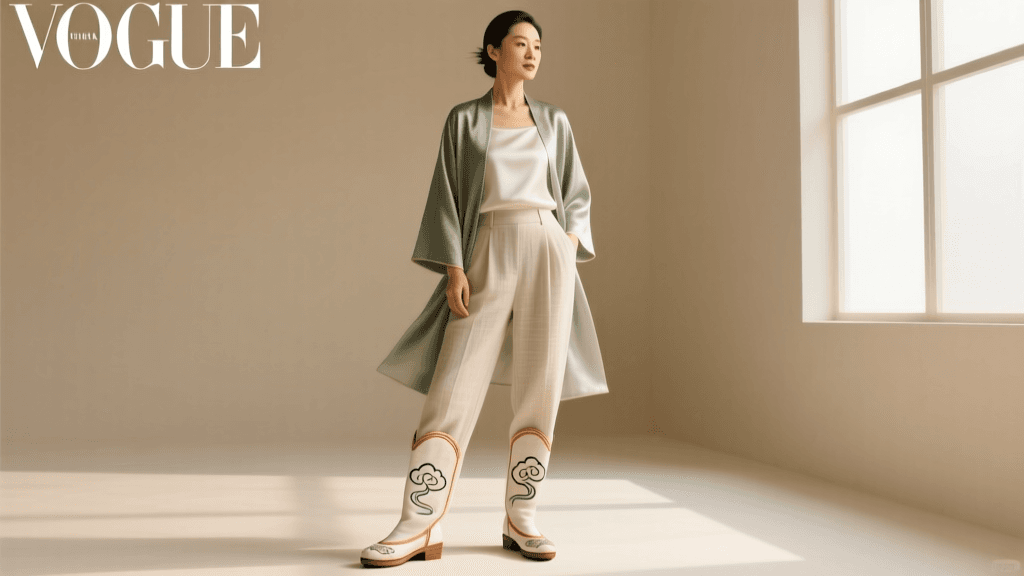
Cloud shoes are perhaps the most recognizable silhouette in Han Chinese footwear history. Characterized by their distinctive upturned toes—often shaped like a ruyi scepter or a stylized cumulus cloud—these shoes were designed not only for aesthetic grace but also to protect the delicate embroidery on the vamp from dragging on the ground. Historically, the uppers were crafted from silk brocade or sturdy cotton, heavily embroidered with motifs of bats (for fortune), lotuses (for purity), or cranes (for longevity). According to the Metropolitan Museum of Art's Heilbrunn Timeline of Art History, the intricate material culture of the Qing dynasty heavily influenced the decorative arts of footwear, elevating everyday accessories into canvases of symbolic embroidery.
Traditional Cloth Boots (Xuezi / 靴子)
While cloud shoes are inherently low-profile, traditional boots offer a striking, structured alternative. Originally popularized by nomadic equestrian cultures and later integrated into Han and Manchu court dress, Xuezi come in two primary historical variants: the flat-soled scholar's boot and the thick-soled martial/official boot. In 2026, the scholar's boot has seen a massive resurgence in Xin Zhongshi menswear and gender-neutral fashion. Modern iterations feature sleek, ankle-high profiles crafted from matte cotton or velvet, often fastened with hidden side zippers that maintain the illusion of traditional side-button closures (pankou).
The Thousand-Layer Sole: Ancient Tech Meets 2026 Ergonomics
The soul of traditional Chinese footwear lies in its sole. The legendary "thousand-layer sole" (qian ceng di) is a marvel of pre-industrial engineering. Artisans paste dozens of layers of recycled cotton cloth together using natural wheat starch paste, allow them to dry in the sun, and then stitch them tightly together using thick hemp thread. This process creates a sole that is breathable, shock-absorbent, and molds perfectly to the wearer's foot over time.
However, walking on the concrete and asphalt of modern cities requires more cushioning than pure cotton can provide. The most significant innovation in the 2026 footwear market is the "hybrid thousand-layer sole." Heritage brands and independent artisans are now sandwiching a 5mm layer of high-density EVA foam or natural latex between the traditional cotton layers. The bottom is finished with a thin, vulcanized rubber cap for waterproofing and grip, while the top retains the breathable, moisture-wicking properties of raw cotton. This ensures that your feet remain comfortable during a 10-hour day of urban wear without sacrificing the historical silhouette.
The premium uppers of these shoes often feature exquisite silk work. The preservation and continuation of these techniques are vital, as recognized by global heritage organizations. For instance, the UNESCO Intangible Cultural Heritage registry highlights the profound importance of Chinese sericulture and silk craftsmanship, which provides the foundational materials for high-end traditional footwear uppers. Furthermore, institutions like the Victoria and Albert Museum have extensively documented the durability and brilliance of Chinese silk weaving, proving that when properly cared for, these textiles can last for generations.
2026 Footwear Comparison Chart
Choosing the right traditional footwear depends on your lifestyle, outfit pairing, and comfort needs. Below is a comparison of the most popular styles available in the 2026 market.
| Footwear Type | Silhouette & Features | Best Use Case | 2026 Avg. Price (USD) | Maintenance Level |
|---|---|---|---|---|
| Cloud Shoe (Yunxie) | Upturned toe, slip-on, low vamp | Casual wear, pairing with Mamianqun | $65 - $140 | Moderate (Keep dry, spot clean) |
| Scholar Boot (Xuezi) | Ankle-high, flat sole, structured | Formal events, tailored Xin Zhongshi suits | $120 - $220 | Low (Brush off, air out) |
| Embroidered Loafer | Modern loafer base, silk brocade upper | Office wear, wide-leg linen trousers | $80 - $160 | High (Silk requires careful storage) |
| Martial Arts Boot | Thick stacked sole, high calf | Stage performance, cosplay, avant-garde fashion | $150 - $300 | Low (Sturdy cotton canvas) |
How to Style Traditional Footwear in 2026
Integrating heritage footwear into a modern wardrobe requires a balance of proportion and texture. Here are the top styling rules adopted by Xin Zhongshi fashion editors this year:
- The Mamianqun Pairing: When wearing a horse-face skirt, opt for Cloud Shoes with a slightly thicker hybrid sole. The upturned toe of the shoe will peek out beautifully from beneath the pleats as you walk, drawing attention to the intricate embroidery. Ensure the shoe's color palette picks up a secondary or tertiary color from the skirt's woven pattern.
- Tailored Menswear & Gender-Neutral Suits: Pair matte black or deep indigo Scholar Boots with wide-leg, pleated trousers. The trousers should have a slight break, resting just on the top of the boot. This creates a continuous, elongated vertical line that is incredibly flattering and commands presence in a boardroom or gallery opening.
- Everyday Denim and Linen: For a casual weekend look, traditional embroidered loafers or simplified cotton slip-ons pair exceptionally well with raw hem denim or relaxed-fit linen pants. The juxtaposition of rugged denim and delicate silk embroidery is a hallmark of the 2026 eclectic-traditional aesthetic.
Sizing, Fit, and Essential Maintenance
One of the most common pitfalls for newcomers to traditional Chinese footwear is improper sizing. Unlike modern leather shoes that stretch significantly over time, cotton and silk brocade uppers have very little give.
The Golden Rules of Sizing
- Measure in the Evening: Your feet naturally swell throughout the day. Always measure your foot length and width in the late afternoon or evening.
- Size Up for Width: Traditional shoes are often built on a narrower last. If you have a wide foot, order a half-size up from your standard US/EU conversion and use a thin cotton insole to take up the extra length.
- Account for Socks: Traditional footwear is meant to be worn with natural fiber socks (cotton, bamboo, or silk). Never size your shoes based on wearing them barefoot.
Care and Preservation
To ensure your footwear lasts for years, proper maintenance is non-negotiable. Never machine wash traditional cloth shoes, as the water and agitation will dissolve the natural starches used in the thousand-layer sole and ruin the structure of the shoe. Instead, use a soft-bristled brush to remove dry dirt from cotton uppers. For silk brocade, use a specialized dry-cleaning foam and a microfiber cloth, gently dabbing at stains rather than rubbing.
When storing your shoes for the off-season, stuff them with acid-free tissue paper to maintain their shape and prevent the uppers from creasing. Keep them in a breathable cotton dust bag in a cool, dark place, and include a silica gel packet to prevent humidity from degrading the silk threads or causing mold on the cotton soles.
Conclusion
The year 2026 has proven that traditional Chinese footwear is not merely a costume piece, but a viable, comfortable, and deeply meaningful addition to the contemporary wardrobe. By understanding the rich history of the Cloud Shoe and the Scholar Boot, and by selecting modern iterations that respect heritage techniques while embracing ergonomic advancements, you can step confidently into the future while honoring the artisans of the past.