Sustainable Japanese Natural Dye Plants: 2026 Eco Guide
The Renaissance of Kusaki-Zome in 2026
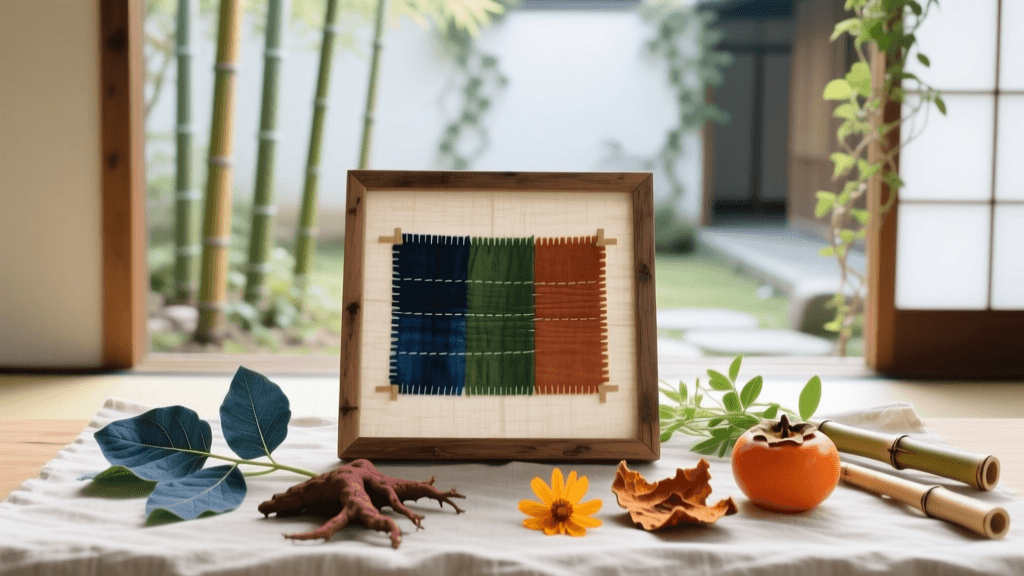
The ancient Japanese art of kusaki-zome (grass and tree dyeing) is experiencing a profound renaissance in 2026. As the global fashion and textile industries face mounting regulatory and consumer pressure to eliminate toxic synthetic dyes, artisans, educators, and eco-conscious designers are turning back to Japan’s rich botanical heritage. However, modern sustainability demands more than simply substituting chemicals with plants; it requires a holistic rethinking of water usage, mordant toxicity, agricultural impact, and energy consumption.
Today, the intersection of traditional Japanese natural dye plants and cutting-edge eco-friendly methods has created a blueprint for zero-waste textile coloring. By integrating bio-mordants, closed-loop water filtration, and sustainably foraged botanicals, the 2026 approach to kusaki-zome honors ancestral wisdom while meeting the rigorous environmental standards of the modern era. According to the Japan Kogei Association, the preservation of these traditional crafts is now intrinsically linked to sustainable material innovation, ensuring that ancient techniques remain viable and ecologically responsible for future generations.
Core Japanese Botanical Dyes for Sustainable Studios
Japan’s diverse climate supports a wide array of dye-bearing flora. In 2026, the focus has shifted toward plants that can be harvested regeneratively or cultivated without depleting local ecosystems.
Ai (Japanese Indigo - Persicaria tinctoria)
Unlike tropical indigo species, ai is a temperate plant native to East Asia. The traditional method involves fermenting the leaves into sukumo (dried, composted indigo). In 2026, sustainable studios have adopted waterless bio-enzyme vats. By utilizing specific cellulase enzymes to break down the indoxyl precursors without the need for massive, water-heavy alkaline vats, artisans are reducing water consumption by up to 80%. The resulting deep, living blues retain the iconic antimicrobial properties of traditional Japanese indigo without the heavy water footprint.
Kihada (Amur Cork Tree - Phellodendron amurense)
Kihada yields a brilliant, fluorescent yellow due to its high berberine content. Historically used to dye paper and textiles to repel insects, the inner bark is the source of the dye. To prevent the over-harvesting and killing of these slow-growing trees, 2026 sustainability protocols dictate that only naturally fallen branches or pruned off-cuts from managed forestry are used. Kihada is highly valued in modern eco-fashion for its natural UV-protective and antibacterial qualities, making it a favorite for sustainable summer linens and yukatas.
Enju (Japanese Pagoda Tree - Styphnolobium japonicum)
The dried flower buds of the enju tree produce a range of colors from soft lemon yellow to vibrant chartreuse, depending on the mordant used. Because the dye is extracted from the unopened buds, sustainable foraging in 2026 focuses on collecting buds that have naturally dropped or thinning clusters to promote better tree health. The high concentration of rutin in the buds requires only low-temperature extraction (around 60°C), making it highly energy-efficient for modern solar-assisted dyeing setups.
Shikon (Purple Gromwell - Lithospermum erythrorhizon)
Shikon produces a breathtaking, deep purple dye from its roots, historically reserved for the highest ranks of Japanese nobility. However, wild shikon is critically endangered. As highlighted by conservation data from the Royal Botanic Gardens, Kew, over-harvesting of medicinal and dye roots threatens global biodiversity. In response, the 2026 kusaki-zome community has embraced lab-cultivated shikon root extracts. Grown via plant tissue culture in controlled environments, these bio-identical extracts provide the exact same shikonin pigment without disturbing wild populations or degrading native soils.
Revolutionary Eco-Friendly Methods in 2026
The true mark of sustainability in 2026 lies not just in the plants chosen, but in the chemistry and mechanics of the dyeing process itself.
Bio-Mordants and Symplocos
Historically, metallic salts like alum, iron, and tin were used as mordants to bind plant pigments to textile fibers. While alum is relatively safe, iron and tin can be toxic to aquatic ecosystems when discharged. The 2026 standard replaces metallic mordants with bio-mordants. The most revolutionary is symplocos, a plant that naturally accumulates aluminum from the soil. By using symplocos leaf powder, dyers achieve the same bright, color-fast results as chemical alum, but with a 100% biodegradable, plant-based input. Additionally, protein-rich binders like fermented soy milk are used to prepare cellulose fibers (like cotton and hemp), eliminating the need for tannin-heavy, water-intensive pre-treatments.
Closed-Loop Water Filtration
Textile dyeing is notoriously water-intensive. Modern eco-studios in Japan now utilize closed-loop water systems. After a dye bath is exhausted, the remaining water is passed through biochar and mycelium-based filters. The biochar absorbs residual organic pigments and tannins, while the mycelium breaks down complex organic compounds. The filtered water is then safely returned to the garden or reused for the next scouring bath, achieving near-zero liquid discharge.
Solar-Assisted Dyeing (Taiyo-Zome)
To reduce the carbon footprint associated with heating large vats of water, artisans are turning to taiyo-zome (solar dyeing). Using UV-stable, insulated polycarbonate vats, dyers harness ambient solar heat to slowly extract pigments and bind them to fibers over several days. This low-and-slow method not only saves energy but often results in softer, more nuanced colors that are less prone to fading over time.
Comparison: Traditional vs. 2026 Sustainable Methods
| Process Stage | Traditional Method (Pre-2020s) | 2026 Eco-Friendly Method | Environmental Impact Reduction |
|---|---|---|---|
| Fiber Preparation | Boiling with soda ash and synthetic detergents | Plant-based saponin surfactants; soy milk protein binding | Eliminates synthetic chemical runoff |
| Mordanting | Chemical alum, iron sulfate, or copper | Symplocos leaf powder, pomegranate rind tannins | Prevents heavy metal soil and water contamination |
| Heat Source | Gas or electric stovetops (high energy) | Solar-assisted vats, induction with recycled heat | Reduces energy consumption by up to 65% |
| Water Management | Single-use vats discharged into municipal drains | Biochar/mycelium closed-loop filtration systems | Achieves 90% water recycling and zero toxic discharge |
| Botanical Sourcing | Wild-foraged (often leading to over-harvesting) | Regenerative pruning, lab-cultivated extracts | Protects endangered species and native habitats |
Step-by-Step: Zero-Waste Kihada Dyeing Guide
For home dyers and small studios looking to adopt 2026 sustainability standards, here is a practical guide to dyeing silk or cotton with kihada (Amur cork tree) using eco-friendly methods.
Materials and Costs (2026 Estimates)
- Sustainably sourced Kihada bark chips: 50g (approx. $12 USD from certified regenerative forestry cooperatives).
- Symplocos bio-mordant powder: 15g (approx. $8 USD).
- Plant-based scouring agent (Saponin liquid): 10ml (approx. $3 USD).
- 100g of undyed, organic cotton or peace silk.
- Stainless steel or enamel pot (dedicated to dyeing).
Step 1: Eco-Scouring
Wash the fabric using warm water and the plant-based saponin liquid to remove natural oils and waxes. This ensures the fiber is receptive to the dye. Rinse thoroughly and keep the fabric damp.
Step 2: Bio-Mordanting
Dissolve the 15g of symplocos powder in a pot of warm water. Add the damp fabric and slowly bring the temperature to 70°C. Maintain this heat for 45 minutes. Symplocos provides the necessary aluminum ions to bind the yellow pigment to the fiber without introducing synthetic heavy metals. Allow the fabric to cool in the bath, then remove and gently squeeze out excess liquid.
Step 3: Low-Energy Extraction
Place the 50g of kihada bark chips in a pot with 3 liters of water. Instead of a rapid boil, use a solar-assisted vat or a low-energy induction burner to maintain a gentle simmer (80°C) for 45 minutes. The berberine pigment will leach into the water, turning it a vibrant, glowing yellow. Strain the liquid through a compostable hemp filter, saving the spent bark for garden mulch or compost.
Step 4: The Dye Bath
Return the strained yellow liquid to the pot. Add the mordanted fabric. Maintain a temperature of 60°C for 45 minutes, stirring gently with a wooden spoon to ensure even color distribution. Turn off the heat and let the fabric steep as the bath cools to room temperature.
Step 5: Washing and Water Recycling
Remove the fabric and rinse in cool water until it runs clear. Pass the exhausted dye bath through a biochar filter before disposing of the water, or use it to water acid-loving garden plants. Hang the dyed fabric in a shaded, well-ventilated area to dry. Direct sunlight can alter the berberine pigment before it fully sets.
The Future of Japanese Botanical Dyes
The integration of traditional Japanese natural dye plants with 2026’s eco-friendly methodologies proves that heritage crafts can lead the charge in sustainable fashion. As organizations like Textile Exchange continue to advocate for regenerative agricultural practices and non-toxic supply chains, the principles of kusaki-zome offer a scalable, beautiful alternative to petrochemical dyes. By embracing bio-mordants, protecting endangered flora through lab cultivation, and respecting the water cycle, modern artisans ensure that the vibrant colors of Japan’s botanical heritage will thrive for centuries to come.