Styling the Silk Haori: 2026 Guide to Modern Minimalist Wardrobes
The Renaissance of the Haori in 2026 Fashion
The traditional Japanese haori—a hip- or thigh-length kimono-style jacket—has long been a symbol of elegance, formality, and artisanal craftsmanship. Historically worn over the kosode (the predecessor to the modern kimono) to provide warmth and denote social status, the haori is experiencing a massive resurgence in 2026. As global fashion pivots away from fleeting micro-trends and embraces 'quiet luxury' and sustainable capsule wardrobes, the haori has emerged as the ultimate statement layering piece. According to the Victoria and Albert Museum, the structural brilliance of Japanese T-shaped garments lies in their zero-waste construction and universal adaptability, making them perfectly suited for the eco-conscious consumer of 2026.
Choosing the Right Haori for a Modern Capsule
When integrating a haori into a contemporary wardrobe, silhouette and fabric are paramount. Traditional haori are constructed from standard bolts of silk, meaning the width is relatively fixed. For a modern, relaxed fit that mimics the drop-shoulder aesthetic popular in 2026 minimalist fashion, look for a yuki (the measurement from the center back seam to the wrist) of at least 62 to 65 centimeters. This ensures the garment drapes elegantly over modern, bulkier layering pieces without pulling at the shoulders.
Fabric and Palette
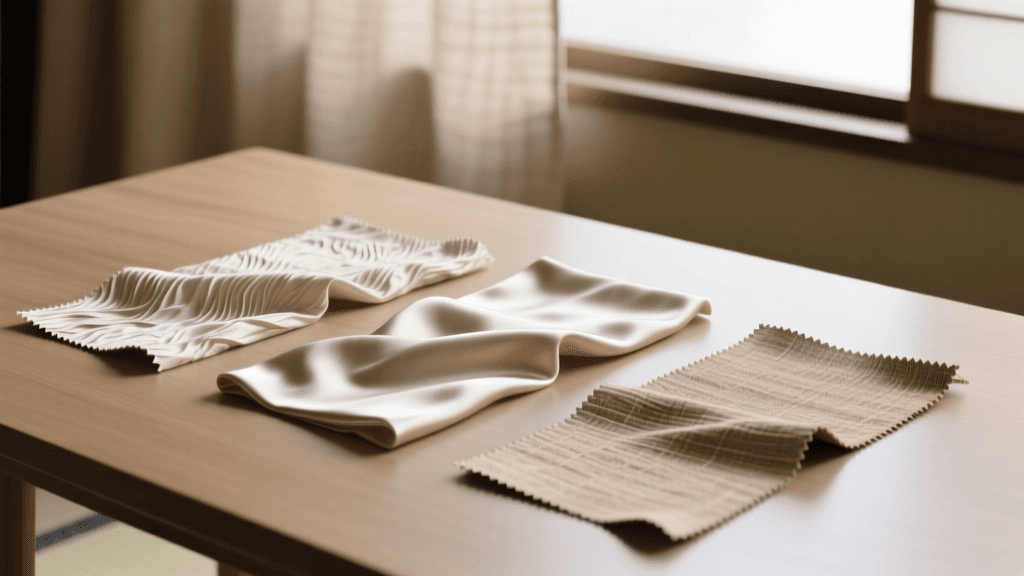
While vibrant, heavily embroidered crepe silk (chirimen) is stunning, it can clash with a minimalist wardrobe. Instead, seek out meisen (a stiff, durable silk with a subtle matte finish) or rinzu (a soft, damask-weave silk) in muted tones. Charcoal, navy, olive, and deep burgundy act as neutral anchors in a 2026 capsule wardrobe, allowing the subtle geometric or nature-inspired kasuri (ikat) patterns to provide texture without overwhelming the outfit.
4 Ways to Style the Haori in 2026
1. The Corporate Minimalist
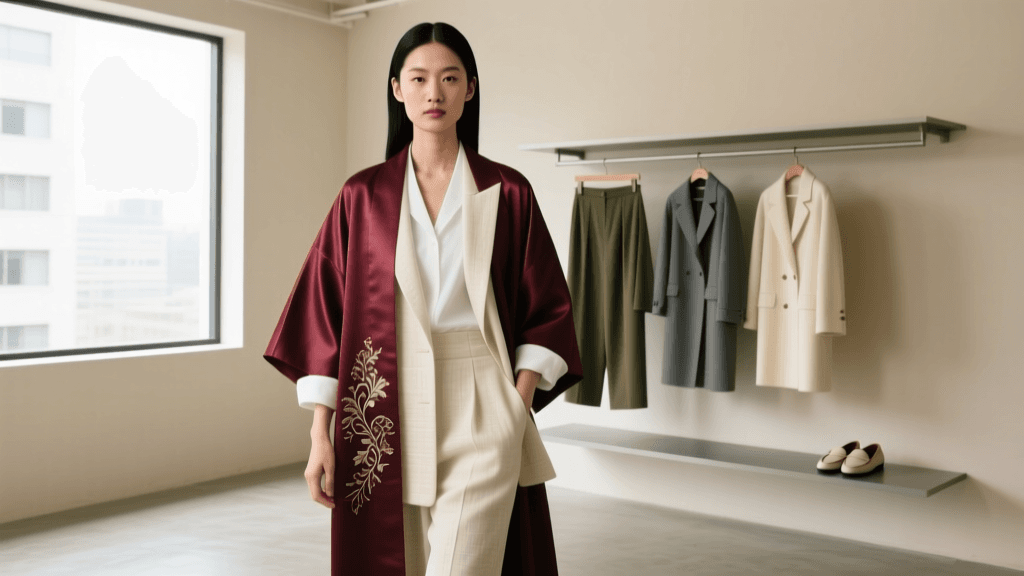
The modern office dress code in 2026 favors structured comfort and expressive layering. Replace the standard wool blazer with a mid-thigh length, solid-color silk haori. Layer it over a fine-gauge merino wool turtleneck and tailored, high-waisted wide-leg trousers. The straight, unstructured lines of the haori contrast beautifully with the sharp tailoring of the trousers. Secure the jacket not with the traditional woven haori himo cords, but with a sleek, minimalist leather belt worn loosely over the haori at the natural waist, or simply let it hang open for an effortless, authoritative drape.
2. Elevated Streetwear
Weekend aesthetics in 2026 heavily feature elevated basics and heritage textiles. Pair a vintage, slightly distressed indigo-dyed cotton or silk haori with a crisp, heavyweight white oversized t-shirt and straight-leg raw denim. Finish the look with chunky, monochromatic sneakers. The juxtaposition of Edo-period textile techniques with contemporary streetwear silhouettes creates a visually striking, culturally rich outfit that feels entirely modern and grounded.
3. Evening Elegance
For dinner or gallery openings, use a heavily patterned, vintage silk haori as a duster coat over a bias-cut silk slip dress. The haori provides modesty and warmth while allowing the fluid lines of the modern slip dress to peek through. Opt for a haori with a striking hiyoku (inner lining) featuring contrasting colors or metallic threads, which will catch the light dynamically as you move through the evening.
4. Transitional Spring Layering
During the unpredictable weather of early spring, the haori serves as the perfect light outer layer. Wear it over a lightweight cashmere crewneck sweater, paired with tailored Bermuda shorts and knee-high leather boots. This look bridges the gap between traditional Japanese proportion and modern European resort wear, offering a sophisticated silhouette that adapts to fluctuating temperatures.
Haori Integration: Traditional vs. 2026 Modern Styling
To truly master the art of mixing these worlds, it helps to understand how the styling rules have evolved. Below is a comparison chart detailing how to translate traditional elements into a modern 2026 context.
| Styling Element | Traditional Context | 2026 Modern Capsule Integration |
|---|---|---|
| Inner Layer | Kosode (silk kimono) | Fine-gauge turtlenecks, crisp poplin shirts, slip dresses |
| Bottoms | Hakama or hidden kimono skirt | Wide-leg wool trousers, raw denim, tailored shorts |
| Fastening | Haori himo (woven silk cords) | Left open, or cinched with a contemporary leather belt |
| Footwear | Zori or geta with tabi socks | Chunky loafers, minimalist sneakers, knee-high leather boots |
| Accessories | Kanzashi (hair ornaments), kinchaku (drawstring bag) | Structured leather totes, geometric silver jewelry |
Care and Maintenance for Vintage Silk
Investing in a vintage or artisanal haori requires proper stewardship. The Metropolitan Museum of Art notes that historical Japanese silks are remarkably resilient when stored correctly, but they are highly susceptible to light damage and moisture. To ensure your garment lasts for decades, follow these conservation guidelines:
- Cleaning: Avoid traditional dry cleaning, as the harsh chemicals can strip the silk of its natural sericin and cause the vintage dyes to bleed. Instead, rely on professional textile conservators for spot cleaning, or use a handheld steamer on a low setting to refresh the fibers and remove odors.
- Storage: Never hang a heavy silk haori on a wire or thin wooden hanger for long periods; the weight of the dense silk will distort the shoulder seams and cause permanent stretching. Store it flat, folded along its original seam lines, interleaved with acid-free tissue paper.
- Environment: Keep the garment in a cool, dark, climate-controlled environment. Use cedar blocks rather than mothballs, which contain pesticides that can degrade the silk proteins over time.
- Display: If you choose to display your haori as art when not in use, ensure it is mounted on a padded, custom-fitted wooden stand and kept out of direct sunlight to prevent UV degradation of the natural dyes.
Sourcing Authentic Haori in 2026
The market for traditional garments has matured significantly. In 2026, consumers are prioritizing verifiable provenance and ethical sourcing over fast-fashion 'kimono-style' cardigans produced from synthetic polyesters.
Vintage and Archival
For authentic vintage pieces (dating from the Taisho to early Showa eras), online archival curators and specialized Kyoto-based vintage exporters offer the best selection. Taisho-era (1912–1926) pieces often feature bold, art-deco-inspired geometric patterns, while early Showa pieces lean towards softer, nature-inspired motifs. Expect to pay between $120 and $350 USD for a high-quality, well-preserved vintage silk haori from reputable dealers who provide condition reports and era authentication.
Contemporary Artisans
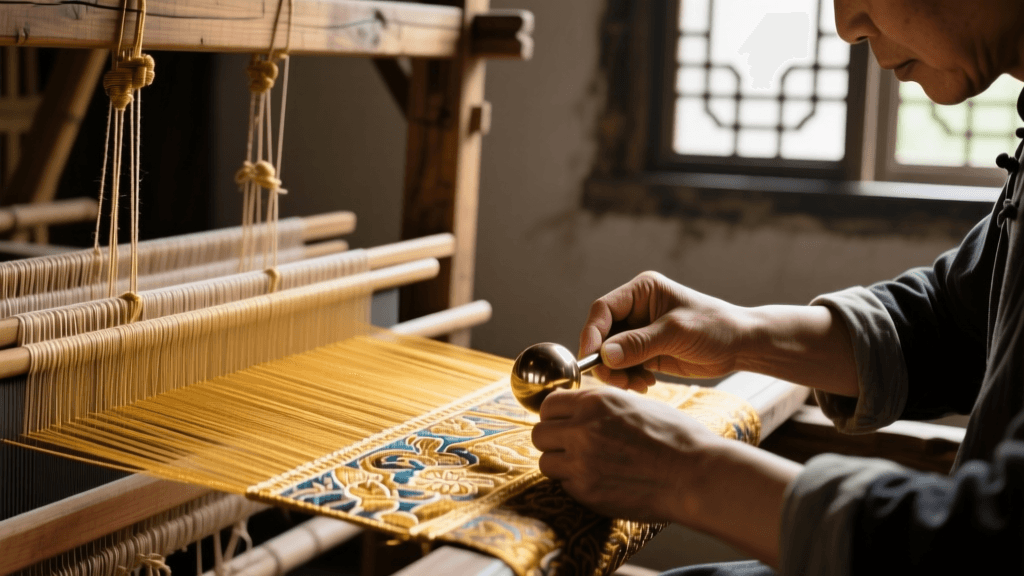
If you prefer new garments, seek out modern Japanese brands that collaborate directly with regional weavers in textile hubs like Kiryu or Nishijin. These contemporary haori often feature modernized sizing (wider shoulders, deeper armholes) and machine-washable silk blends, priced between $400 and $900 USD. Supporting these artisans aligns with the Ellen MacArthur Foundation's principles of circular fashion, ensuring that heritage weaving techniques remain economically viable and environmentally sustainable for the next generation.
Conclusion
The silk haori is far more than a relic of the past; it is a versatile, sustainable, and profoundly beautiful garment that deserves a prominent place in the modern wardrobe. By respecting its traditional construction while fearlessly pairing it with contemporary minimalist pieces, you create a personal style that transcends seasons and trends. In 2026, true luxury is defined by intentionality, craftsmanship, and the seamless blending of global heritage with modern life. Whether draped over a tailored suit or thrown on over weekend denim, the haori remains a testament to the enduring power of Asian textile traditions.