Styling Silk Haori Jackets for 2026 Minimalist Streetwear
The Rise of the Neo-Edo Aesthetic in 2026
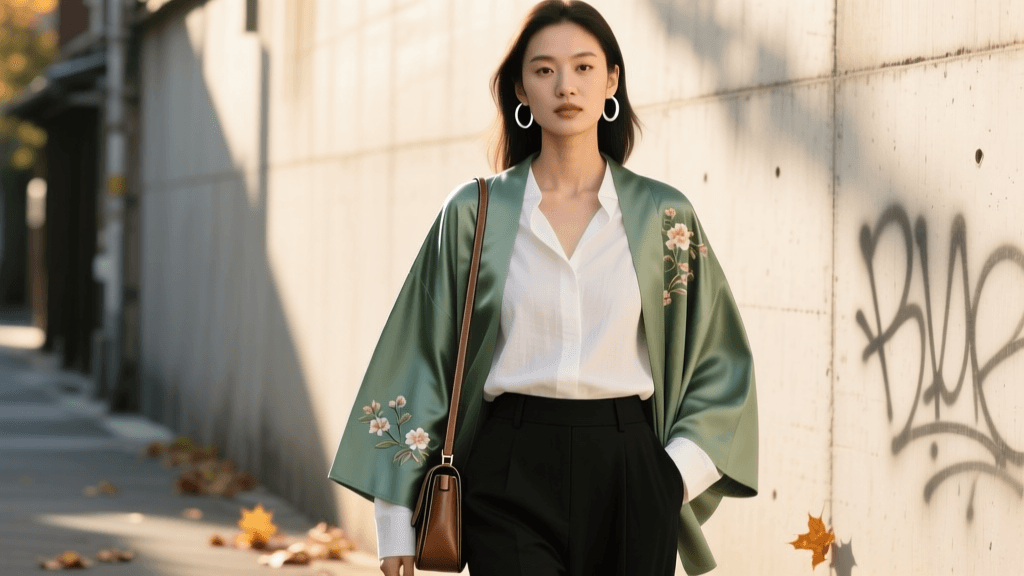
As the global fashion landscape in 2026 continues to pivot away from loud logomania and fast-fashion trends, a profound appreciation for heritage textiles and quiet luxury has taken center stage. At the forefront of this movement is the integration of traditional Asian garments into everyday modern wardrobes. Among the most versatile and striking of these pieces is the Japanese haori—a traditional hip- or thigh-length kimono-style jacket. Once reserved strictly for formal ceremonies or worn over traditional kimono, the silk haori has been reclaimed by contemporary stylists and streetwear enthusiasts as the ultimate minimalist layering piece.
The 2026 "Neo-Edo" aesthetic is defined by the juxtaposition of centuries-old craftsmanship with hyper-modern, utilitarian silhouettes. By pairing the fluid, drop-shoulder drape of a vintage silk haori with structured, contemporary streetwear, you create a look that is both deeply personal and visually arresting. This guide will break down exactly how to source, style, and care for a silk haori jacket in 2026, ensuring your wardrobe honors Asian traditions while remaining firmly rooted in modern urban fashion.
Anatomy of a Streetwear-Ready Haori
Before integrating a haori into your daily rotation, it is crucial to understand its construction. The beauty of the haori lies in its T-shaped, straight-line cut, which naturally aligns with the oversized, relaxed fits dominating 2026 streetwear. When hunting for the perfect piece, pay attention to these specific structural elements:
- The Eri (Collar): Unlike the kimono, the haori features a thicker, folded collar that lays flat against the neck and drapes down the front. This creates a natural lapel effect that mimics modern duster coats or open cardigans.
- The Sode (Sleeves): Look for sleeves with a generous drop-shoulder seam. A standard vintage haori sleeve width measures around 30-35cm, allowing it to layer effortlessly over heavyweight hoodies or thick merino wool sweaters without bunching.
- The Jaku (Lining): Many vintage haori feature an inner lining (often silk or crepe) that sometimes includes hidden, hand-painted motifs. In 2026, a popular styling trick is to fold the front panels back to reveal this lining, adding a flash of color and texture to monochromatic outfits.
- Length and Proportions: For the most flattering modern silhouette, seek a haori that measures between 80cm and 90cm in length. This mid-thigh drop perfectly balances the wide-leg trousers and relaxed denim popular in contemporary menswear and womenswear.
For deeper historical context on Japanese textile construction and the evolution of these garments, the Kyoto Costume Institute provides an extensive digital archive detailing the precise tailoring techniques that give the haori its iconic drape.
3 Actionable Haori Styling Formulas for 2026
Styling a traditional garment requires a careful balance to ensure it looks intentional rather than costumey. The key is to treat the haori as a high-end outerwear piece, anchoring it with modern basics and contemporary footwear. Here are three battle-tested formulas for 2026.
Formula 1: The Urban Commuter (Tech-Minimalist)
This look bridges the gap between traditional elegance and modern utility, perfect for the creative professional or the urban commuter. Start with a vintage, dark-toned silk haori (navy, charcoal, or deep plum with subtle geometric weaving). Layer it over a fitted, charcoal ribbed mock-neck merino wool sweater. For the base, opt for technical, water-resistant wide-leg trousers from brands like COS or Lemaire, which offer a structured drape that mirrors the haori’s fluidity. Finish the look with a pair of Salomon XT-6 or Hoka Transport sneakers in a monochromatic colorway. The chunky, utilitarian soles of the sneakers ground the delicate silk, creating a striking visual tension.
Formula 2: Weekend Gallery Drape (Relaxed Heritage)
Ideal for weekend wear, gallery hopping, or casual social gatherings, this formula leans into texture and relaxed proportions. Choose a haori with a more vibrant, organic pattern—such as a 1970s Showa-era floral or autumnal motif. Wear it completely open over a heavyweight, 250gsm white cotton t-shirt with a slightly dropped shoulder. Pair this with 14oz raw selvedge denim in a straight or relaxed fit, cuffed slightly at the ankle to show off your footwear. New Balance 990v6 or Asics Gel-Kayano 14 sneakers in grey and cream complement the vintage nature of the silk while maintaining a distinctly modern streetwear profile.
Formula 3: Evening Elevated (Smart-Casual Fusion)
For evening dinners or smart-casual events, the haori can replace the traditional blazer. Select a haori made from tsumugi (a textured, slubbed silk) in a solid, earthy tone like olive or rust. The matte texture of tsumugi reads more like modern outerwear than shiny formal silk. Layer it over a crisp, unbuttoned poplin shirt and tailored pleated wool trousers. Instead of traditional dress shoes, opt for minimalist leather boots, such as the Paraboot Michael or a sleek Chelsea boot. Secure the haori not with the traditional braided ties (himo), but let it hang open, or use a discreet, modern magnetic clasp hidden near the waist to keep the silhouette clean.
Comparison Chart: Traditional vs. 2026 Streetwear Styling
Understanding the shift in how the haori is worn highlights the creative freedom of modern styling. Below is a breakdown of how traditional wearing conventions have been adapted for the 2026 streetwear aesthetic.
| Feature | Traditional Wearing | 2026 Minimalist Streetwear |
|---|---|---|
| Inner Layer | Full kimono, juban (undergarment), and obi sash | Mock-neck merino, heavyweight cotton tee, or poplin shirt |
| Closure | Haori himo (braided silk ties) fastened at the chest | Left open for drape, or secured with hidden magnetic clasps |
| Bottoms | Hakama, kimono skirts, or traditional tailored trousers | Wide-leg wool trousers, raw selvedge denim, or tech-wear cargos |
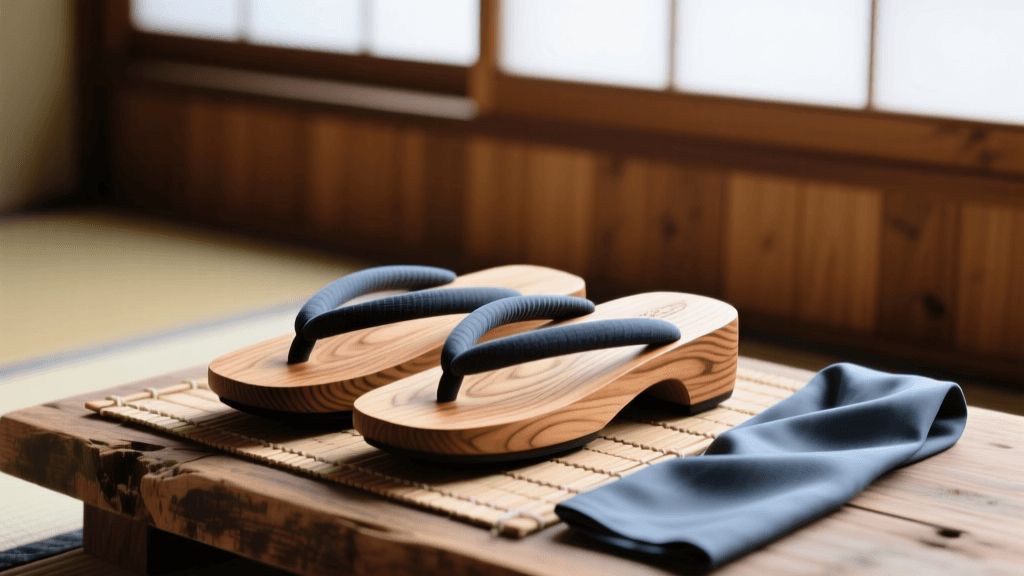
| Footwear | Zori or geta sandals worn with tabi socks | Chunky trail runners, retro sneakers, or minimalist leather boots |
| Accessories | Folding fans, traditional hair ornaments, zori bags | Crossbody tech bags, silver jewelry, minimalist beanies |
Sourcing, Pricing, and Authenticity in 2026
The market for vintage Asian garments has matured significantly. In 2026, buyers have access to highly curated platforms that guarantee authenticity and condition. While fast-fashion brands frequently release synthetic, culturally appropriated "kimono cardigans," true enthusiasts seek out authentic, vintage silk pieces.
For authenticated vintage haori, specialized Kyoto-based exporters like Yamatoku and various curated sellers on Depop and Grailed offer the best selection. Expect to pay between $120 and $350 for a standard, excellent-condition vintage silk haori. Highly coveted pieces, such as those featuring hand-painted yuzen dyeing or gold-leaf surihaku techniques, can command prices upwards of $600 to $1,200. When purchasing online, always request detailed photos of the armpit seams (a common area for stress and discoloration) and the condition of the inner lining.
The Victoria and Albert Museum's Asian collections offer excellent visual references for identifying authentic dyeing and weaving techniques, helping buyers distinguish between genuine mid-century craftsmanship and modern, mass-produced reproductions.
Modern Care and Preservation
Caring for 50-to-100-year-old silk requires a departure from conventional garment maintenance. The Textile Society of America frequently highlights the dangers of harsh chemicals on historical fibers. Traditional dry cleaning can strip vintage silk of its natural luster and cause the delicate inner linings to shatter over time.
In 2026, the gold standard for refreshing a vintage haori is ozone cleaning or professional textile steaming, which eliminates odors and kills bacteria without immersing the garment in solvents. For minor surface dust, use a soft-bristled garment brush, always brushing in the direction of the silk weave. When storing your haori, never use wire hangers, which will distort the shoulder seams and leave permanent rust marks. Instead, use wide, padded wooden hangers and store the jacket in a breathable cotton garment bag with untreated cedar blocks to naturally repel moths and absorb excess humidity. By treating your haori with the respect its heritage demands, you ensure it remains a cornerstone of your modern wardrobe for decades to come.