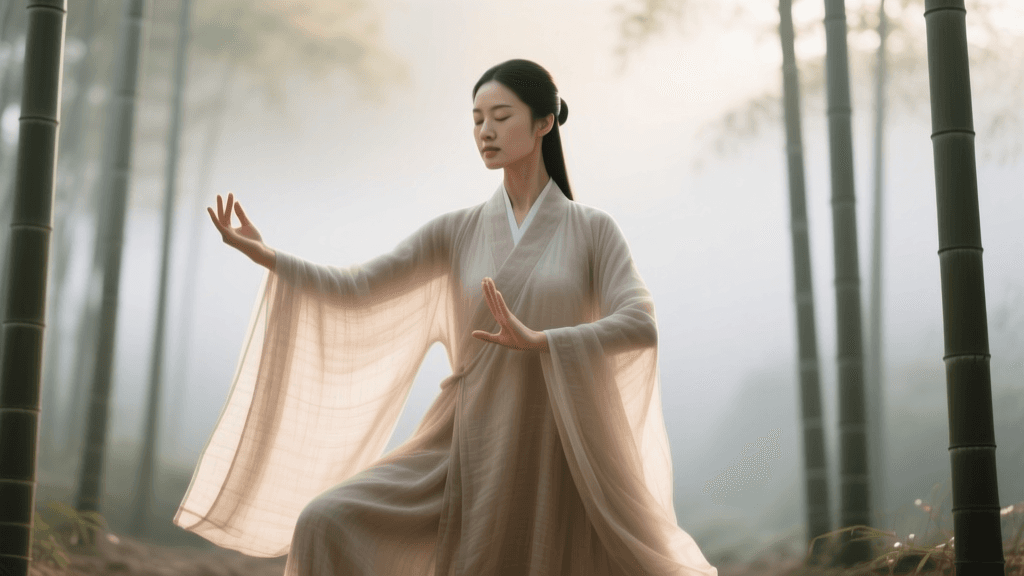
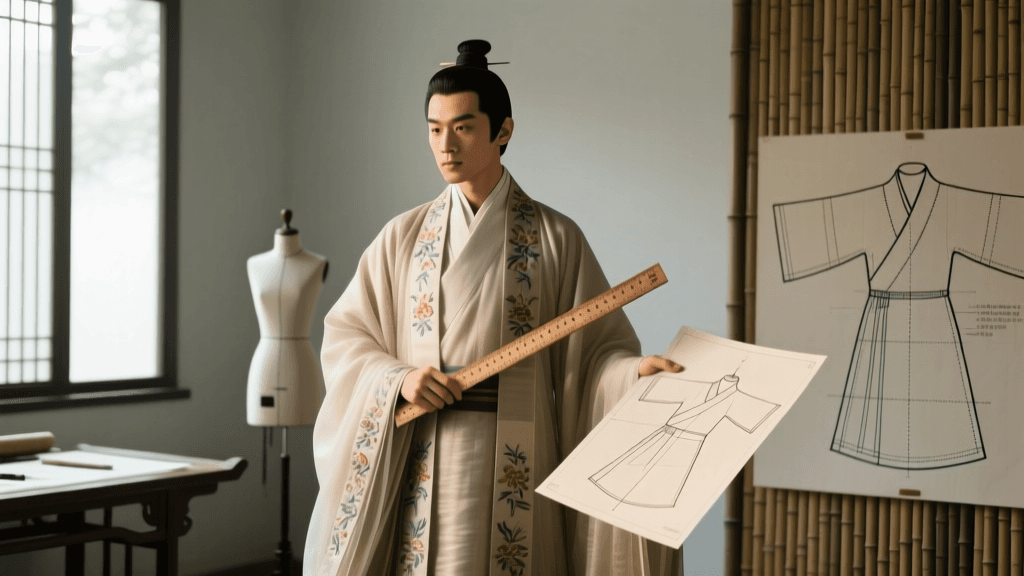
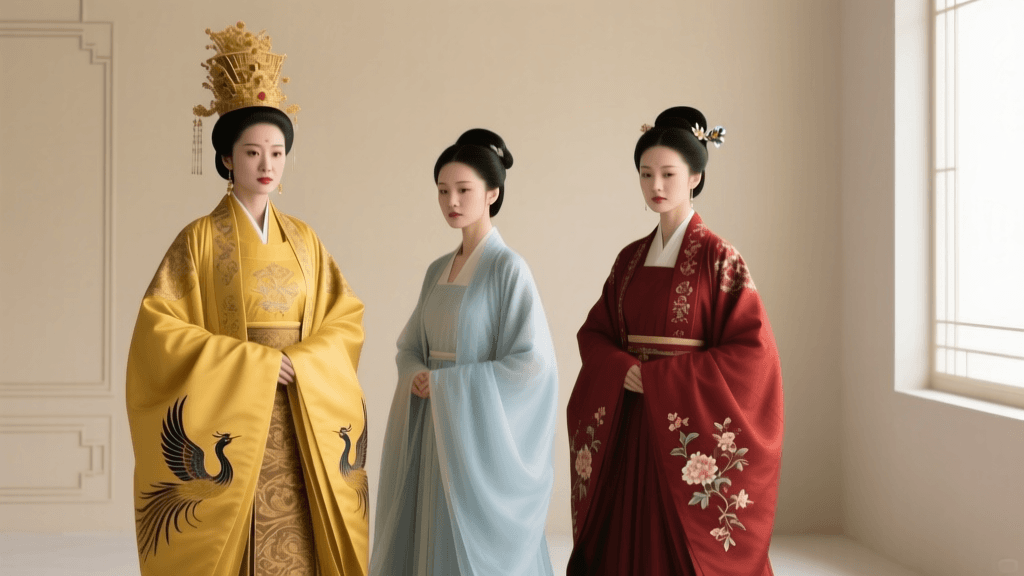
Hanfu in Kunqu & Peking Opera: 2026 Costume Guide
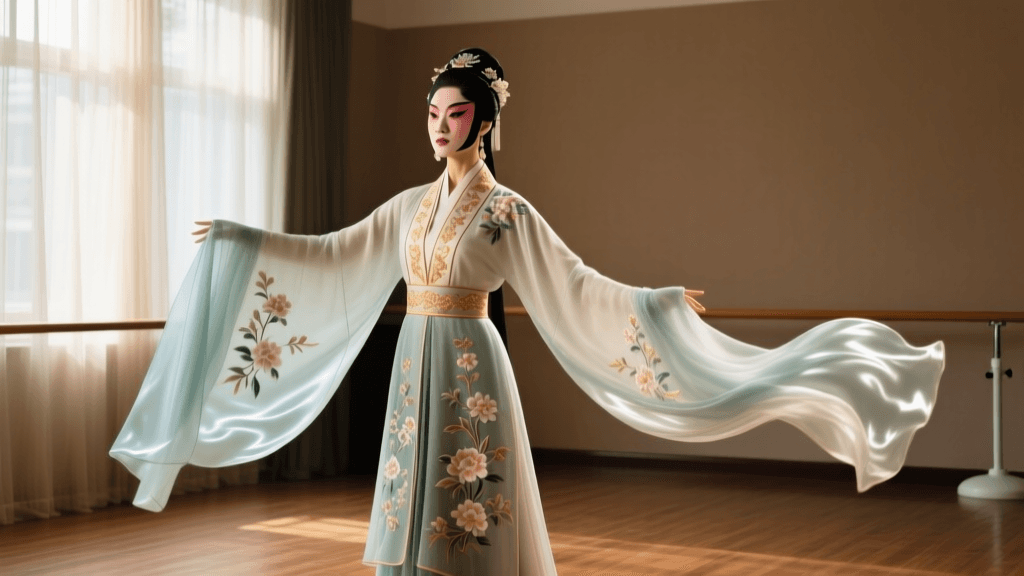
The Ming Dynasty Hanfu Roots of Traditional Opera
The intersection of historical Hanfu and traditional Chinese performing arts represents one of the most fascinating sartorial evolutions in Asian culture. While the modern Hanfu movement focuses heavily on historical accuracy, traditional Chinese opera costumes—known as Xifu (戏服)—operate on a different axis. They are a theatricalized, highly stylized evolution of Ming Dynasty court and daily wear. In 2026, as the global appreciation for traditional Asian performing arts reaches new heights, the line between historical Hanfu reenactment and stagecraft is blurring. Audiences and troupe directors alike are demanding a return to the exquisite craftsmanship of the past, merging the authenticity of the Hanfu revival with the dynamic needs of the stage.
Kunqu Opera, recognized by UNESCO's Intangible Cultural Heritage registry as a masterpiece of oral and intangible heritage, relies heavily on the elegant, flowing silhouettes of Ming-style Hanfu. Peking Opera (Jingju), while more acrobatic and visually loud, also bases its foundational wardrobe on the cross-collared robes, pleated skirts, and round-collared garments of the Ming era. Understanding how to source, style, and maintain these garments in 2026 requires a deep dive into the specific textiles and techniques that define the stage.
Essential Stage Garments: Mang Robes and Shuixiu
To build or commission a traditional opera wardrobe today, one must understand the two most iconic elements of the stage: the Mang robe and the water sleeves. Both are direct descendants of historical Hanfu, modified for the dramatic lighting and exaggerated movements of the theater.
The Mang Robe (蟒袍)
The Mang robe, or 'python robe,' is the highest-ranking garment on the traditional stage, worn by emperors, generals, and high-ranking officials. Historically derived from the Ming Dynasty court robes granted to favored officials, the stage Mang features a round collar, a pleated lower skirt, and intricate embroidery of four-clawed pythons (dragons with four claws are pythons in Chinese sartorial law).
In 2026, top-tier Kunqu and Peking Opera troupes are moving away from mass-produced, machine-embroidered polyester replicas. Instead, lead actors are commissioning bespoke Mang robes utilizing authentic Suzhou embroidery (Su Xiu). The 2026 market for bespoke stage Mang robes features heavy use of panjin (gold couching), where metallic threads are laid flat and stitched down with silk, creating a 3D texture that catches modern LED stage lighting beautifully. A fully hand-embroidered, authentic silk Mang robe from a master workshop in Suzhou currently ranges from $2,800 to $5,500 USD, reflecting the hundreds of hours of artisanal labor required.
Water Sleeves (水袖 - Shuixiu)
Perhaps the most recognizable element of traditional Chinese opera is the Shuixiu, or water sleeve. These are elongated, flowing white cuffs attached to the end of the robe's sleeves. While historical Ming Dynasty Hanfu featured generous sleeve widths, opera water sleeves are exaggerated extensions, sometimes reaching up to 90 centimeters in length for professional performers. They are used as an extension of the actor's body to express complex emotions through specific techniques like touxiu (throwing the sleeve) and fanxiu (fluttering the sleeve).
2026 Sourcing Guide: Materials for Water Sleeves
Choosing the right fabric for water sleeves is critical. The material must be heavy enough to carry momentum when thrown, yet light enough to flutter gracefully when caught. Below is a comparison of the most popular materials used by troupes and serious Hanfu performance enthusiasts in 2026.
| Fabric Type | Drape & Momentum | 2026 Avg. Cost (per pair) | Best Application | Maintenance Level |
|---|---|---|---|---|
| 100% Mulberry Silk Habotai | Excellent; fluid and heavy enough for precise catches | $85 - $140 USD | Professional Kunqu, Lead Roles | High (Dry clean or careful hand wash) |
| Silk-Crepe Blend | Good; slightly more texture, resists wrinkling | $60 - $95 USD | Touring Troupes, Peking Opera | Medium (Gentle machine wash possible) |
| High-Grade Polyester Chiffon | Fair; very light, requires vigorous throwing | $25 - $45 USD | Students, Amateur Hanfu Dance | Low (Machine washable, durable) |
| Raw Silk (Tussah) | Poor for sleeves; too stiff, but used for robe bodies | $110+ USD | Not recommended for Shuixiu | High |
For those sourcing in 2026, the Suzhou and Hangzhou textile markets remain the global epicenters for these materials. Many international buyers now utilize specialized WeChat mini-programs connected directly to Suzhou embroidery cooperatives, allowing for custom length measurements and reinforced cuff stitching to withstand the violent snapping motions of Peking Opera choreography.
Textile Care and Conservation for Troupe Wardrobes
Opera costumes are significant financial investments and cultural artifacts. The heavy metallic threads and delicate silk bases of a Mang robe require meticulous care. According to guidelines provided by the Smithsonian Museum Conservation Institute, historical and theatrical textiles must be protected from fluctuating humidity, direct UV light, and acidic storage materials.
Actionable Storage Steps for 2026 Troupes:
- Never Hang Heavy Mang Robes Long-Term: The weight of the gold couching and thick silk will warp the shoulders and tear the delicate necklines. Always store them flat or rolled.
- Use Acid-Free Tissue and Muslin: Wrap folded robes in unbleached, washed cotton muslin. Avoid plastic garment bags, which trap moisture and cause the metallic threads to tarnish or the silk to mildew.
- Cedar Storage Boxes: Store rolled costumes in traditional cedar or camphor wood chests. These woods naturally repel moths and silverfish without the need for harsh chemical mothballs, which can degrade silk proteins.
- Climate Control: Maintain wardrobe rooms at a stable 45-55% relative humidity. In 2026, many modern theaters utilize smart IoT humidity sensors inside wardrobe trunks to alert costumers to dangerous moisture spikes.
The Impact of the Modern Hanfu Movement on Stage Accuracy
The Hanfu revival, which began as a grassroots movement in the early 2000s, has matured into a massive cultural and economic force by 2026. This has profoundly impacted traditional performing arts. Modern Hanfu enthusiasts are deeply educated on historical textiles, collar alignments, and period-accurate weaving techniques. When these enthusiasts attend Kunqu performances, they bring a critical eye to the stage.
As noted by curators at the Victoria and Albert Museum's Asian collections, the appreciation for historical Asian textiles has driven a renaissance in traditional loom weaving. In response, progressive Kunqu troupes are collaborating with Hanfu historians to correct decades of theatrical shortcuts. For instance, the improper overlapping of collars (which historically must always be left over right, or jiaoling youren) is now strictly policed by both directors and audiences. Furthermore, the use of historically accurate plant-based dyes—such as indigo, madder root, and rattan yellow—is being reintroduced for intimate Kunqu stage settings, replacing the harsh, synthetic aniline dyes that dominated the late 20th century.
Conclusion: Bridging History and Performance
Navigating the world of Hanfu-inspired stage costumes in 2026 requires a balance of historical reverence and practical theatricality. Whether you are a troupe manager sourcing authentic Mulberry silk water sleeves, a lead actor commissioning a bespoke Mang robe with traditional gold couching, or a Hanfu enthusiast studying the theatrical evolution of Ming Dynasty dress, the resources available today are richer than ever. By prioritizing authentic materials, proper textile conservation, and an understanding of the deep historical roots of these garments, performers can ensure that the visual poetry of Kunqu and Peking Opera continues to captivate audiences for generations to come.