Best Hanfu Styles For Qigong And Meditation In 2026
The Intersection of Hanfu and Chinese Wellness Practices
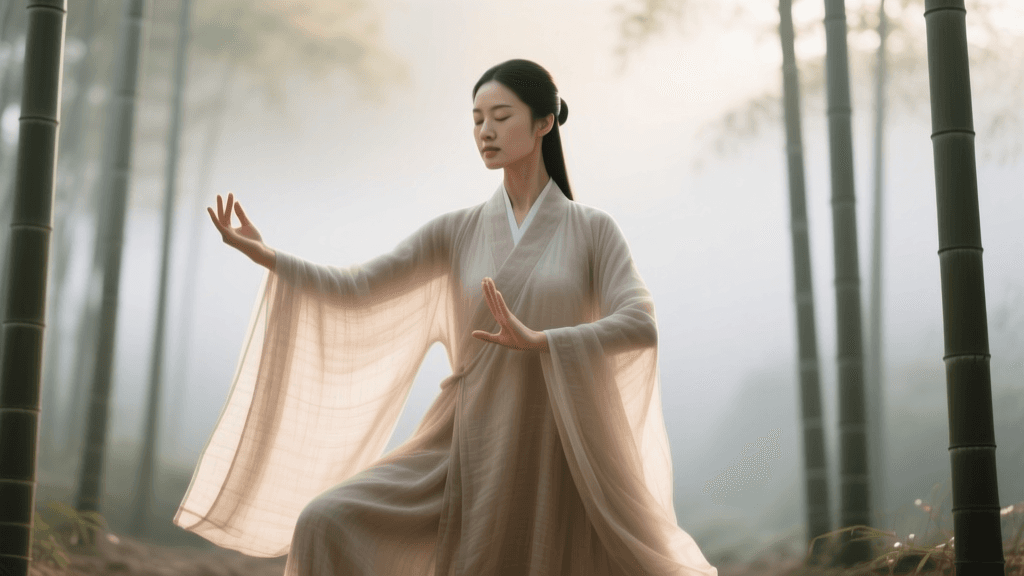
As we navigate the holistic wellness landscape of 2026, the integration of traditional cultural practices with modern mindfulness techniques has reached an unprecedented peak. For practitioners of Qigong, Tai Chi, and seated meditation, the clothing worn during these sessions is no longer an afterthought. It is a vital component of the practice itself. Traditional Chinese Medicine (TCM) has long emphasized the flow of Qi (vital energy) through the body's meridian system, and the garments that envelop the body play a direct role in either facilitating or obstructing this flow.
In 2026, the global wellness community is increasingly turning to Hanfu—the traditional clothing of the Han Chinese—not merely for its aesthetic beauty, but for its profound physiological and psychological benefits during mindful movement. According to the National Center for Complementary and Integrative Health, the environmental and physical conditions in which one meditates significantly impact the nervous system's ability to down-regulate stress. Hanfu, with its emphasis on natural fibers, loose silhouettes, and harmonious proportions, provides an ideal microclimate for deep meditative states and active energy cultivation.
Why Fabric Choice Matters in Qigong and Meditation
The foundation of any wellness-focused wardrobe lies in its textile composition. Modern synthetic activewear, while popular for high-intensity interval training, often traps heat and moisture against the skin. In TCM, the concept of Wei Qi (defensive energy) circulates just beneath the skin's surface, protecting the body from external pathogens like wind, cold, and dampness. Wearing non-breathable synthetics during slow, deliberate practices like Qigong can disrupt the skin's natural respiration and create an imbalance in the body's thermal regulation.
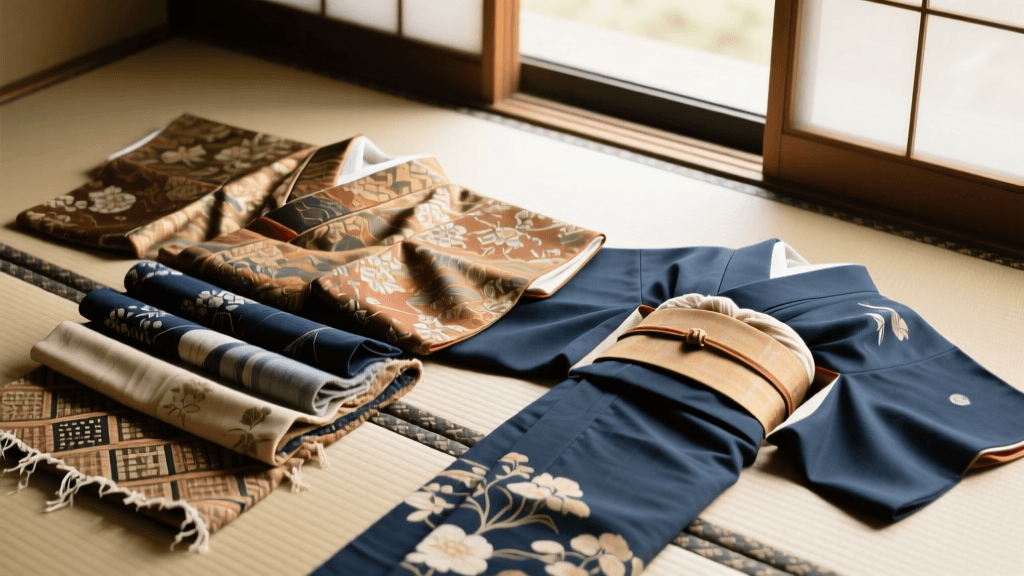
Natural fibers, conversely, work in harmony with the body's physiological processes. Mulberry silk, for instance, is renowned for its temperature-regulating properties and smooth texture, which prevents friction and sensory distraction during seated meditation. The history of sericulture and silk production highlights how this ancient fiber has been utilized for millennia to promote skin health and physical comfort. Similarly, ramie (often referred to as China grass) and organic bamboo linen offer exceptional moisture-wicking capabilities, making them the premier choices for active Qigong routines in the warmer months of 2026.
Top Hanfu Silhouettes for Mindful Movement in 2026
Selecting the correct historical silhouette is crucial depending on the specific type of wellness practice you are undertaking. The Hanfu revival movement of the mid-2020s has led to the development of specialized 'wellness lines' that maintain historical accuracy while optimizing for modern ergonomic needs.
1. The Song Dynasty Beizi (褙子) for Seated Meditation
The Beizi is a long, open-front coat with parallel collars and side slits that extend up to the underarm. For practitioners of Zuochan (seated meditation) or mindfulness breathing exercises, the Beizi is unparalleled. Its open front allows for unrestricted expansion of the diaphragm and lower abdomen, which is essential for deep, Dan Tian-focused breathing. The side slits ensure that when you sit cross-legged or in a lotus position, the fabric drapes elegantly over the knees without bunching up or restricting blood flow to the lower extremities.
2. The Ming Dynasty Daopao (道袍) for Standing Meditation
For Zhan Zhuang (standing like a tree) and slow-flowing internal martial arts, the Ming Dynasty Daopao is the gold standard in 2026. Characterized by its wide sleeves and structured side panels with inner ties, the Daopao provides a subtle, grounding weight. The generous cut around the shoulders and chest allows for the complete relaxation of the Jian Jing (shoulder well) acupoints, a critical requirement for dropping tension and allowing Qi to sink to the Dan Tian. The inner ties keep the garment securely in place, ensuring that the fabric does not shift distractingly during prolonged standing postures.
3. Tang Dynasty Duan Da (短打) for Active Qigong
When practicing dynamic forms like Ba Duan Jin (The Eight Brocades) or Wu Qin Xi (The Five Animal Frolics), long flowing robes can become a tripping hazard during deep stances and wide sweeps. The Duan Da—a traditional short garment consisting of a cross-collared top and loose-fitting trousers—is the optimal choice. It provides the historical authenticity of Hanfu while offering the practical mobility required for deep horse stances (Ma Bu) and expansive arm movements. In 2026, many wellness retreats have adopted lightweight linen Duan Da sets as their standard uniform for morning outdoor Qigong sessions.
2026 Fabric Comparison Chart for Wellness Practitioners
To help you build the ultimate Hanfu wellness wardrobe, we have analyzed the top natural fabrics available on the market this year. Understanding the physical properties of these textiles will allow you to match your garment to your specific practice environment.
| Fabric Type | Breathability Score (1-10) | Moisture-Wicking | Drape Quality | Best Wellness Application |
|---|---|---|---|---|
| Mulberry Silk (Heavyweight) | 7 | Moderate | Fluid & Elegant | Indoor Seated Meditation, Winter Qigong |
| Ramie (China Grass) | 10 | Excellent | Structured & Crisp | Outdoor Summer Qigong, Ba Duan Jin |
| Bamboo Linen Blend | 9 | High | Soft & Relaxed | Standing Meditation, Tai Chi |
| Organic Cotton (Brushed) | 6 | Low | Heavy & Grounding | Restorative Yin Yoga, Deep Breathing |
The Psychology of Mindful Dressing
The benefits of wearing Hanfu for wellness extend far beyond the physical properties of the fabric. The act of dressing in traditional garments serves as a powerful psychological anchor, signaling to the brain that it is time to transition from the chaos of daily life into a state of focused mindfulness. Research published by Harvard Medical School suggests that establishing consistent pre-meditation rituals significantly enhances the depth and consistency of a mindfulness practice.
The traditional Hanfu dressing process requires deliberate, unhurried movements. Aligning the collar correctly—Jiao Ling You Ren (left collar over right collar, representing the harmony of Yin and Yang)—forces the practitioner to slow down and focus on the present moment. Tying the sash (Yaodai) around the waist serves as a physical reminder to engage the core and maintain an upright, aligned spine, which is the foundational posture for all Qigong and meditation practices. By the time you begin your first breathing exercise, your mind is already centered and calm.
Sourcing Eco-Friendly and Bio-Compatible Hanfu
In 2026, the intersection of wellness and environmental sustainability is a major focus for conscious consumers. When sourcing Hanfu for your wellness practice, it is highly recommended to seek out garments dyed with traditional, plant-based pigments. Synthetic dyes can sometimes cause contact dermatitis or sensory irritation, which is entirely counterproductive to a meditative state.
Natural indigo dye, derived from the Indigofera tinctoria plant, has been used for centuries in Asian textiles and possesses natural antibacterial and anti-inflammatory properties. Similarly, madder root and pomegranate rind dyes offer warm, earthy tones that are completely bio-compatible and hypoallergenic. When shopping for your wellness Hanfu, look for artisanal workshops that explicitly state their use of traditional vat-dyeing methods and undyed, raw silk or linen for the inner linings that sit directly against your skin.
Practical Care Tips for Your Wellness Wardrobe
To maintain the energetic and physical integrity of your natural-fiber Hanfu, proper care is essential. Follow these actionable steps to ensure your garments remain a supportive element of your wellness journey:
- Hand Wash in Cold Water: Always wash ramie and silk garments by hand using a pH-neutral, plant-based detergent. Hot water can degrade the natural proteins in silk and cause plant-dyed fabrics to bleed.
- Air Dry in the Shade: Direct sunlight can weaken natural fibers and fade botanical dyes. Hang your Hanfu on wide, padded hangers in a well-ventilated, shaded area to preserve the fabric's structural drape.
- Energetic Cleansing: Many traditional practitioners recommend airing out meditation garments under the light of a full moon or using sage and palo santo to clear stagnant energy from the fabric after intense emotional release sessions.
- Storage: Store your wellness Hanfu folded neatly in a cedar wood chest or a breathable cotton garment bag. Avoid plastic covers, which trap moisture and encourage the growth of mildew, particularly in humid climates.
Conclusion
As the wellness paradigm of 2026 continues to embrace holistic, culturally rooted practices, the integration of Hanfu into Qigong and meditation routines offers a profound enhancement to both physical comfort and mental focus. By selecting the appropriate historical silhouette and prioritizing natural, breathable fabrics like ramie and mulberry silk, practitioners can create an optimal microclimate for the cultivation of Qi. Ultimately, wearing Hanfu during mindful movement is not just about honoring Asian traditions; it is about utilizing centuries of sartorial wisdom to deepen your connection with your body, your breath, and your inner stillness.