2026 Saenghwal Hanbok: Mixing Daily Hanbok With Modern Streetwear
The Renaissance of Saenghwal Hanbok in 2026
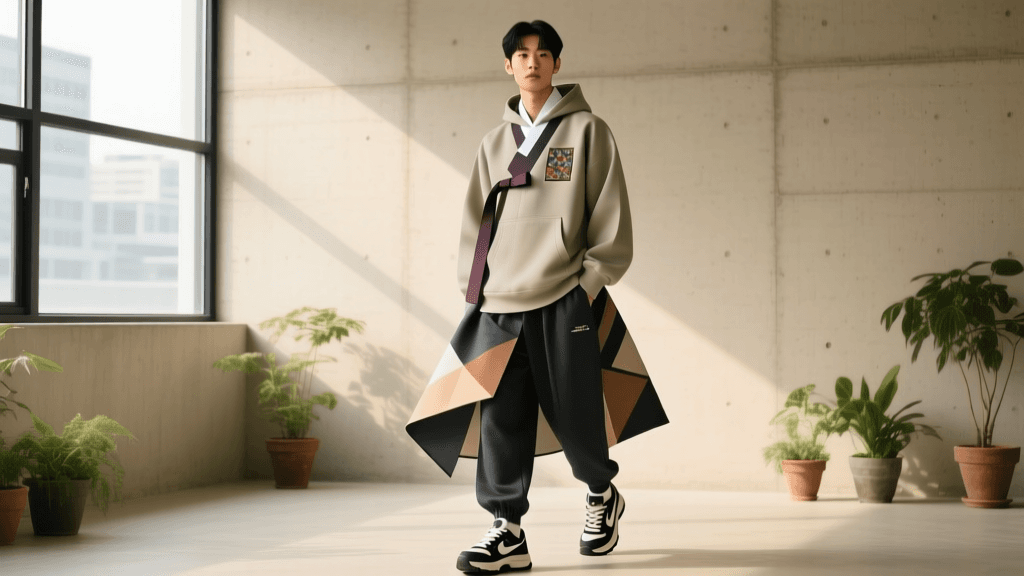
The global fashion landscape in 2026 is defined by a profound appreciation for neo-traditionalism, where historical garments are seamlessly integrated into contemporary daily life. At the forefront of this movement in East Asian fashion is the Saenghwal Hanbok (생활한복), or 'daily hanbok.' Unlike the highly structured, heavily layered ceremonial hanbok reserved for weddings or major holidays like Chuseok, the Saenghwal Hanbok is designed for mobility, comfort, and modern urban environments. By shortening hemlines, utilizing breathable modern textiles, and simplifying the complex tying mechanisms, designers have transformed this traditional Korean attire into a versatile staple for the modern capsule wardrobe.
Mixing traditional Asian pieces with modern streetwear is no longer a niche subculture; it is a dominant trend on the streets of Seoul, Tokyo, and global fashion capitals. According to the Korean Craft and Design Foundation, the intersection of heritage craftsmanship and contemporary streetwear represents one of the most significant cultural exports of the decade, allowing wearers to honor their ancestry while participating in cutting-edge global fashion. This guide explores how to authentically and stylishly incorporate Saenghwal Hanbok elements into your 2026 streetwear rotation.
Core Silhouettes: Anchoring Tradition in a Modern Closet
To successfully blend traditional Korean garments with modern streetwear, one must understand the foundational anatomy of the hanbok and how its proportions interact with contemporary silhouettes. The traditional hanbok relies on the contrast between a voluminous lower half and a structured, fitted upper half. Here is how to adapt these core pieces for 2026.
The Cropped Jeogori (Jacket)
The jeogori is the traditional upper garment, characterized by its git (collar) and goreum (long tying ribbons). In 2026 streetwear, the modern jeogori is often cropped to sit exactly at the natural waist, mimicking the proportions of a modern bolero or cropped bomber jacket. The stiff white dongjeong (removable paper or fabric collar) is frequently omitted in daily wear for a softer, more relaxed neckline. Styling a linen or tech-silk jeogori over a ribbed turtleneck in the winter, or over a sleek slip dress in the summer, creates a striking juxtaposition of historical tailoring and modern minimalism.
The Midi Chima (Wrap Skirt)
The chima is the full, wrap-around skirt. Traditional ceremonial chimas sweep the floor and require multiple petticoats to achieve a bell shape. The modern Saenghwal chima, however, typically falls at the mid-calf or ankle and utilizes box pleats or subtle A-line cuts that drape naturally without excessive undergarments. In a streetwear context, the high-waisted chima pairs exceptionally well with oversized graphic tees or cropped hoodies tucked into the waistband. The wrap-tie closure allows for adjustable sizing and a customizable slit, adding a dynamic, utilitarian edge to the garment.
The Modern Durumagi (Overcoat)
For outerwear, the durumagi serves as the perfect transitional piece. Originally worn by scholars and nobility, the 2026 interpretation of the durumagi functions similarly to a lightweight trench coat or an unstructured duster. Featuring side slits for ease of movement and subtle internal pockets for modern essentials like smartphones and transit cards, a wool-blend durumagi layered over a vintage denim jacket and wide-leg trousers is a hallmark of high-end Seoul street style.
Accessorizing the Modern Hanbok
Accessories bridge the gap between the historical and the contemporary. In 2026, traditional accents are used sparingly to elevate streetwear outfits without looking like a costume.
- Modern Norigae: The norigae is a traditional decorative pendant tied to the goreum or waistband. Contemporary artisans are crafting norigae using upcycled metals, acrylics, and minimalist geometric shapes, making them perfect attachments for modern streetwear belts, backpacks, or sneaker laces.
- Daenggi (Hair Ribbons): Instead of traditional braiding, modern wearers are weaving silk daenggi through contemporary hair accessories, such as matte-finish claw clips or wrapping them around the base of a sleek ponytail for a subtle pop of color.
- Binyeo (Hairpins): Carved wooden or metal binyeo are increasingly being used as statement pieces to secure messy buns, contrasting beautifully with casual, oversized streetwear silhouettes.
2026 Styling Formulas: Traditional Meets Streetwear
Creating a cohesive look requires balancing the volume and texture of traditional pieces with modern streetwear staples. Below is a structured guide to mastering the neo-trad aesthetic this year.
| Traditional Piece | Modern Streetwear Pairing | Footwear | Occasion |
|---|---|---|---|
| Cropped Linen Jeogori | High-waisted wide-leg denim & fitted tank | Chunky Sneakers (e.g., Asics Gel-Kayano 14) | Casual Day Out / Cafe Hopping |
| Midi Pleated Chima | Oversized vintage graphic hoodie (tucked) | Combat Boots (e.g., Dr. Martens Jadon) | Concerts / Evening Street Style |
| Wool-Blend Durumagi | Turtleneck, cargo trousers, & crossbody bag | Leather Derby Shoes or Loafers | Office Wear / Smart Casual |
| Hanbok-inspired Padded Vest | Longline white t-shirt & relaxed joggers | Minimalist Slip-ons | Weekend Errands / Travel |
Fabric Innovations and 2026 Color Palettes
The evolution of Saenghwal Hanbok is deeply tied to textile innovation. While traditional hanbok relies heavily on crisp silk and stiff organza, the 2026 daily hanbok embraces sustainable, low-maintenance fabrics. Washed hemp, organic cotton, and recycled tech-silks are now the industry standard, allowing these garments to be machine-washed and worn in diverse weather conditions.
Color palettes have also shifted away from the high-contrast, vibrant primary colors of ceremonial wear. This year's trends draw inspiration from the Korean natural dyeing tradition (Galot) and traditional ceramics. Muted celadon greens, deep Onggi (earthenware) browns, washed indigo, and soft lotus pinks dominate the market. These earthy, desaturated tones make the garments significantly easier to color-block with the neutral palettes typical of modern streetwear, such as slate greys, off-whites, and faded blacks.
Leading Brands in the Neo-Trad Movement
If you are looking to invest in authentic, high-quality Saenghwal Hanbok, several pioneering brands are leading the charge in 2026, blending historical accuracy with modern utility:
- Leesle: A pioneer in the modern hanbok movement, Leesle offers highly accessible, machine-washable daily hanbok pieces. Their 2026 streetwear capsule features modular jeogori with snap-button closures hidden beneath traditional-looking goreum ties.
- Danha: Known for romantic, contemporary silhouettes, Danha frequently utilizes upcycled materials and traditional Korean quilting techniques (nuibim) to create stunning outerwear and skirts that appeal to high-fashion streetwear enthusiasts.
- Tchai Kim: Blending Eastern tailoring with Western avant-garde concepts, Tchai Kim is the go-to brand for structural chimas and dramatic durumagi overcoats that make a bold statement in any urban environment.
Care and Maintenance for Hybrid Garments
One of the primary advantages of Saenghwal Hanbok over its ceremonial counterpart is ease of care. However, to maintain the structural integrity of the collars and the crispness of the pleats, proper maintenance is required.
- Washing: Always use a mesh laundry bag when machine-washing cotton or linen blends on a gentle cycle with cold water. Avoid harsh bleaches, which can degrade the natural fibers and traditional dyes.
- Drying: Air drying is strongly recommended. Hang the chima from a wide, padded hanger to allow the pleats to fall naturally. Never wring out a jeogori, as this will distort the shape of the git (collar).
- Ironing: Use a low-to-medium steam iron. Always iron the goreum (ties) flat, but avoid pressing hard creases into the curved seams of the shoulders, which are designed to drape softly over the body.
Cultural Appreciation and Global Integration
As traditional Asian garments become more visible in global streetwear, the conversation around cultural appreciation remains vital. Wearing Saenghwal Hanbok is widely encouraged by Korean cultural institutions as a way to keep the tradition alive and evolving. As highlighted by cultural export initiatives on Korea.net, the global spread of Hallyu (the Korean Wave) has fostered a welcoming environment for international fashion enthusiasts to adopt and adapt daily hanbok, provided it is done with respect for the garment's origins and structural significance.
By understanding the history, terminology, and proper styling techniques, you can seamlessly integrate the elegance of the Saenghwal Hanbok into your 2026 wardrobe, creating looks that are deeply rooted in heritage while looking firmly toward the future of global streetwear.