Kimono Destination Weddings: Planning Your Kyoto Event
The Allure of a Traditional Japanese Destination Event
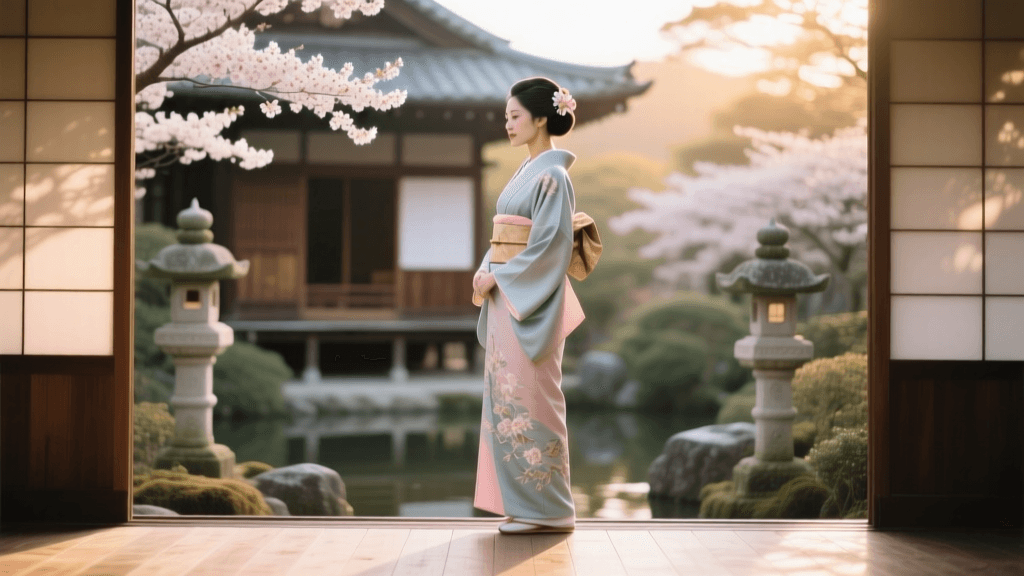
Exchanging vows or celebrating a milestone anniversary amidst the historic temples, bamboo groves, and manicured gardens of Kyoto is a dream for many. For couples and event planners seeking an immersive cultural experience, incorporating traditional Japanese garments into a destination wedding elevates the occasion from a simple ceremony to a profound cultural exchange. However, organizing a kimono-clad event in Japan requires meticulous planning, an understanding of garment logistics, and a deep respect for local customs. According to the Japan National Tourism Organization (JNTO), destination weddings in Japan have surged in popularity, yet many international visitors remain unaware of the intricate logistics involved in securing and wearing formal bridal kimono.
This comprehensive guide explores the practicalities of planning a kimono destination wedding or special milestone event in Kyoto, covering garment selection, rental logistics, the dressing process, and essential venue considerations.
Selecting Your Garment: Shiromuku, Irouchikake, and Hikifurisode
When planning a traditional Japanese wedding, the bridal trousseau is highly codified. Understanding the hierarchy of formal garments is the first step in planning your aesthetic and budget.
The Shiromuku (White Wedding Kimono)
The shiromuku is the most formal wedding garment, consisting of an all-white ensemble that symbolizes purity and the bride's willingness to be 'dyed' in the colors of her new family. A full shiromuku set includes the white uchikake (overcoat), the white kakeshita (base kimono), and traditional accessories like the bunkin-takashimada wig and the wataboshi (white silk hood). Because of the heavy silk brocades and multiple layers, a complete shiromuku can weigh between 10 to 15 kilograms (22 to 33 lbs).
The Irouchikake (Colored Overcoat)
Often worn during the wedding reception or for the post-ceremony photo sessions, the irouchikake is a vibrant, heavily padded overcoat featuring auspicious motifs such as cranes, pine trees, and peonies. Popular colors include rich reds, golds, and deep purples. It is worn over a colored or white base kimono and does not require the traditional white headpieces, allowing the bride to wear her natural hair styled in an elegant updo.
The Hikifurisode (Trailing Sleeves)
For brides opting for a slightly less formal but highly romantic look, or for unmarried bridesmaids and guests attending the ceremony, the hikifurisode is an excellent choice. Characterized by its long, trailing sleeves (often over 100cm in length) and padded hem, the hikifurisode is the formal attire of unmarried women. It offers a wider variety of modern, pastel, and floral patterns compared to the strict traditions of the shiromuku.
Rental vs. Purchase: A Cost and Logistics Breakdown
Deciding how to acquire your garments is one of the most critical logistical choices you will make. As noted in Japan Guide's cultural resources, the Japanese rental industry is highly sophisticated, offering turnkey solutions that are often far more practical for international travelers than purchasing and shipping garments abroad.
| Acquisition Option | Estimated Cost (USD) | Pros | Cons | Lead Time |
|---|---|---|---|---|
| Kyoto Boutique Rental | $1,200 - $3,500 | Includes professional dresser (kitsuke-shi), hair styling, and accessories; no luggage fees. | Limited sizing for very tall or plus-size individuals; strict return timelines. | 6-9 Months |
| Purchase & Ship | $4,000 - $15,000+ | Becomes a family keepsake; guarantees perfect fit; relaxed day-of timeline. | Exorbitant shipping/customs fees; finding a qualified dresser in Kyoto can be difficult. | 6-12 Months |
| Vintage/Antique Sourcing | $400 - $2,000 | Highly unique, eco-friendly, and significantly more affordable. | Fragile vintage silk; high risk of hidden stains; missing small accessories. | 4-6 Months |
Actionable Advice: If you choose to rent, book your fitting and consultation at least eight months in advance. High-end Kyoto salons often limit the number of international bookings per day to ensure adequate translation and dressing time.
The Dressing Process (Kitsuke) and Day-Of Timeline
Wearing a formal kimono is not a simple task of slipping on a dress; it is an architectural endeavor known as kitsuke. For a bridal ensemble, the dressing process takes between 60 to 90 minutes, followed by 45 minutes of specialized hair and makeup styling.
Essential Measurements for Rentals
Unlike Western clothing, kimono are not sized by standard S/M/L metrics. When contacting a Kyoto salon, you must provide the following specific measurements:
- Height: Crucial for determining the length of the kimono hem (ohashori).
- Hip and Bust Circumference: Determines the width of the fabric panels and the amount of padding (towels) needed to create the traditional cylindrical silhouette.
- Yuki (Back-Span): Measured from the center of the back of the neck, over the shoulder, down to the wrist bone. This dictates the sleeve length.
- Foot Size: Traditional zori sandals and tabi socks are sized in centimeters. Western shoe sizes must be converted, and salons need this to prepare the correct footwear.
The Anatomy of the Layers
A bridal kitsuke involves numerous under-layers that protect the expensive silk and shape the body. The dresser will first apply the hadajuban (undershirt) and susoyoke (underskirt), followed by strategic padding using cotton towels to flatten the curves, as the kimono is designed for a straight, tubular silhouette. Next comes the nagajuban (under-kimono), secured with multiple koshihimo (cotton ties) and datejime (under-belts). Finally, the heavy outer silk layers are applied, culminating in the maru-obi or fukuro-obi (the wide, stiff sash), which is tied in an elaborate bridal knot called the bunko or fukura-suzume.
Navigating Kyoto Venues, Weather, and Footwear
Kyoto's geography and climate play a massive role in the success of an outdoor or temple-based destination wedding. The city is situated in a basin, which creates extreme weather conditions that can severely impact your comfort in heavy silk garments.
Seasonal Considerations
- Spring (March to May): The most popular season due to the cherry blossoms (sakura) and mild temperatures. However, late March can still be quite chilly, requiring specialized under-garments like the hanten (a quilted half-coat worn beneath the kimono).
- Summer (June to August): Highly discouraged for full bridal kimono. Kyoto summers are notoriously hot and humid, with temperatures frequently exceeding 35°C (95°F) and humidity levels above 80%. Wearing 15kg of layered silk in this weather poses a genuine risk of heat exhaustion.
- Autumn (October to November): The ideal season for a kimono wedding. The weather is crisp, and the backdrop of fiery red and gold maple leaves (momiji) provides stunning photography opportunities.
- Winter (December to February): While visually striking, especially if it snows, Kyoto winters are bitterly cold. Brides must utilize modern thermal under-layers (like Heattech) and disposable body warmers (kairo) strategically placed by the dresser.
Venue Logistics and Footwear
Many historic venues in Kyoto, such as Shinto shrines and traditional ryokan, feature tatami mat flooring and gravel pathways. You must wear traditional zori (straw or vinyl sandals) with tabi (split-toe socks). Walking on gravel in zori is challenging and can be painful. Pro Tip: Request that your venue provide a 'kago' (palanquin) or a wheelchair disguised with a traditional red carpet for moving between distant photo locations, preserving your energy and keeping the hem of your kimono clean.
Cultural Etiquette and Working with Local Artisans
When engaging with Kyoto's traditional artisans, from the kitsuke-shi (dressers) to the shrine priests, cultural respect is paramount. The Victoria and Albert Museum's Asian textile archives frequently highlight the deep spiritual and social significance woven into Japanese garments; treating the attire with reverence is essential.
Always arrive at your salon exactly on time; Japanese scheduling is precise, and a 15-minute delay can disrupt the entire day's itinerary. When being dressed, it is customary to remain relatively quiet and follow the physical cues of the dresser, as they are manipulating heavy fabrics and tight bindings. Furthermore, ensure your nails are trimmed short and free of dark polish, as you will need to handle delicate silk obi-jime (cords) and fans during the ceremony.
Finally, when visiting Shinto shrines for the san-san-kudo (sake-sharing ritual), be mindful of the sacred spaces. Photography is often restricted in the main honden (inner sanctuary), and you must follow the priest's instructions regarding when to bow, clap, and walk. By blending thorough logistical preparation with a deep respect for Japanese traditions, your kimono destination wedding in Kyoto will be a flawless, unforgettable celebration of love and culture.