Hanfu Life Milestones: 2026 Rites and Ceremonies Guide
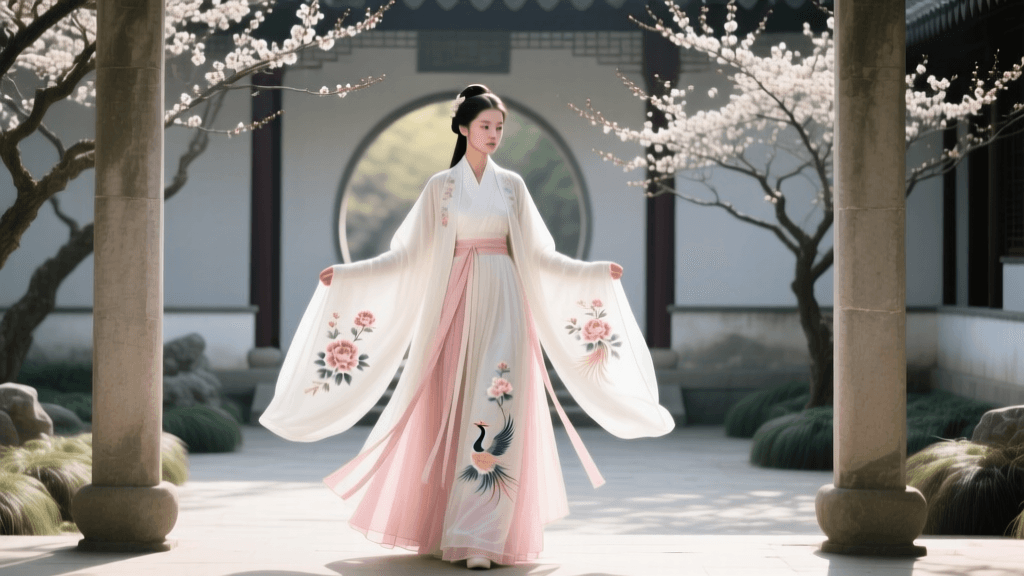
The Resurgence of Hanfu in Modern Life Milestones
The cultural renaissance of traditional Chinese clothing has reached a profound institutional milestone in 2026. No longer confined to casual streetwear, tourism, or social media photoshoots, Hanfu has been formally integrated into the most significant life milestones of modern individuals across Asia and the global diaspora. From coming-of-age ceremonies to academic graduations and weddings, the adoption of historically accurate garments reflects a deep societal yearning for cultural continuity and ancestral reverence. This comprehensive guide explores how to select, style, and source authentic Hanfu for life’s pivotal rites and ceremonies in 2026, ensuring your garments are as meaningful as the moments they commemorate.
Ji Li and Guan Li: The Coming-of-Age Ceremonies
The transition from youth to adulthood is marked by the traditional coming-of-age ceremonies: the Ji Li (笄礼) for women and the Guan Li (冠礼) for men. In 2026, cultural associations and families have standardized these rites, moving away from theatrical approximations toward historically grounded practices based on Song and Ming dynasty ritual manuals.
Ji Li: The Hair-Pinning Ceremony for Women
Traditionally performed when a young woman reaches the age of 18 (or 20 in strict historical contexts), the Ji Li centers on the 'Three Additions' (San Jia) of clothing and hair ornaments, symbolizing her growing maturity and societal responsibilities.
- First Addition (Chu Jia): The celebrant changes from childhood clothing into a simple, modest cotton or linen Ruqun (blouse and skirt). A simple wooden or jade hairpin (Ji) is placed in her hair, representing the initial step into adulthood and the virtue of humility.
- Second Addition (Er Jia): She changes into a more formal, deeper-colored Aoqun (jacket and skirt), often featuring subtle woven motifs. A silver or gold hairpin is added, symbolizing her readiness to take on family and social duties.
- Third Addition (San Jia): The final change is into a grand, formal garment such as a Song dynasty Beizi or a Ming dynasty Daxiushan (large-sleeved robe). A elaborate hairpin or a small coronet is placed, marking her full status as an adult woman ready for marriage and civic life.
Guan Li: The Capping Ceremony for Men
The Guan Li for men follows a similar three-tiered structure, focusing on the addition of headwear (Guan) and corresponding robes.
- First Addition: A simple scholar’s cap (Zhubian) and a basic cotton Shenyi (deep robe), emphasizing the pursuit of knowledge and moral grounding.
- Second Addition: A formal leather or dark fabric cap (Pibian) paired with a darker, structured robe, symbolizing the readiness to serve the community and take on martial or civic duties.
- Third Addition: A formal official-style hat (Juebian) and a grand Yuanlingpao (round-collar robe), representing full adult manhood and the capacity for leadership and ancestral worship.
Hun Li: Traditional Hanfu Weddings in 2026
The Hanfu wedding (Hun Li) has become a dominant choice for couples in 2026 who wish to infuse their nuptials with profound historical symbolism. Unlike Western white gowns or modern Qipaos, traditional Hanfu weddings emphasize the union of two families and the balance of Yin and Yang. The two most popular historical periods chosen by modern couples are the Tang and Ming dynasties, each offering vastly different aesthetic and symbolic profiles.
| Feature | Tang Dynasty Wedding Style | Ming Dynasty Wedding Style |
|---|---|---|
| Color Palette | Men in crimson/red; Women in green/blue (Hong Nan Lü Nü) | Both in deep crimson, gold, and auspicious red |
| Women’s Attire | Qixiong Ruqun (chest-high skirt) with a Pibo (silk shawl) | Fengguan Xiapei (Phoenix Coronet and Cloud Scarf) with a round-collar robe |
| Men’s Attire | Round-collar robe (Yuanlingpao) with a Futou hat | Nine-rank official robe with a Buzi (mandarin square) and Futou hat |
| Vibe & Symbolism | Romantic, cosmopolitan, vibrant, and fluid | Solemn, structured, highly formal, and aristocratic |
| 2026 Avg. Purchase Cost | $350 - $700 USD | $600 - $1,500+ USD (due to heavy embroidery and coronets) |
In 2026, the Ming dynasty Fengguan Xiapei remains the pinnacle of bridal Hanfu. The phoenix coronet, adorned with kingfisher feather replicas (Tian-tsui) and dangling pearl streamers, is paired with a heavily embroidered Xiapei (cloud scarf) weighted with jade or gold pendants at the ends. Because of the intricate craftsmanship required for Ming-style wedding sets, couples are advised to commission bespoke pieces from heritage ateliers at least six to eight months before their wedding date.
Academic Graduations: The 2026 University Hanfu Trend
One of the most remarkable shifts in the 2026 academic calendar is the widespread adoption of Hanfu for university graduation ceremonies. Moving away from the standard Western academic gown, dozens of universities across China, as well as overseas Chinese student associations in North America and Europe, have adopted modified traditional scholar’s robes for degree conferrals.
The most popular garment for this milestone is the Ming dynasty Lanshan (scholar’s robe), characterized by its dark blue or black fabric, side slits, and subtle dark embroidery. Graduates pair the Lanshan with a traditional scholar’s cap (Rujin) or a modified square academic cap that bridges Eastern and Western academic traditions. For doctoral graduates, some institutions have introduced deep red Yuanlingpao robes with gold-thread Buzi (mandarin squares) depicting cranes or dragons, symbolizing the highest tier of academic achievement. This 2026 trend not only honors the ancient Chinese civil service examination traditions but also asserts cultural confidence on the global academic stage.
Sourcing, Fabrics, and Budgeting for Milestone Hanfu
When selecting Hanfu for life milestones, the choice of fabric is paramount. Milestone garments demand luxury textiles that drape elegantly and carry historical weight. In 2026, there is a massive surge in demand for Zhuanghua silk (a complex brocade technique where patterns are woven with supplementary weft threads) and Song-style Luo (gauze) for summer ceremonies.
The historical significance of these textiles cannot be overstated. As documented by the Metropolitan Museum of Art's Heilbrunn Timeline of Art History, Chinese silk production and weaving techniques have been central to the nation's cultural and economic identity for millennia, serving as the ultimate marker of status in ceremonial dress. Furthermore, the meticulous processes behind these fabrics are globally recognized; traditional sericulture and silk craftsmanship are protected on the UNESCO Intangible Cultural Heritage registry, ensuring that the techniques used to weave modern milestone garments are tied to an unbroken ancestral lineage.
2026 Sourcing Advice and Pricing
- Ready-to-Wear (Off-the-Rack): For coming-of-age ceremonies or graduations, high-quality ready-to-wear sets from established heritage brands cost between $150 and $400 USD in 2026. These are typically made from high-grade polyester blends or mid-tier mulberry silk.
- Custom Tailoring (Bespoke): For weddings and major ancestral rites, bespoke tailoring is highly recommended. Using authentic Zhuanghua silk or heavy brocade, custom Ming dynasty wedding sets range from $800 to $2,500 USD. Lead times in 2026 average 4 to 6 months due to the high volume of orders placed with master weavers in Suzhou and Hangzhou.
- Rental Markets: For those on a budget, the 2026 Hanfu rental market has become highly sophisticated. Premium bridal Fengguan sets can be rented for $100 to $200 USD per day, complete with professional styling and historical hairpiece fitting.
Conclusion
As we navigate 2026, the integration of Hanfu into life’s most critical milestones represents far more than a passing fashion trend. It is a profound reclamation of cultural identity, a way to physically embody the virtues, aesthetics, and philosophies of ancestors during moments of profound personal transformation. Whether you are pinning your hair for the Ji Li, walking down the aisle in a Ming dynasty Phoenix Coronet, or crossing the graduation stage in a scholar’s Lanshan, choosing the right Hanfu ensures that your personal milestones are woven seamlessly into the grand, enduring tapestry of Asian tradition.