Romanian Ia Blouse Styling Guide 2026: Modern Folk Revival
The Renaissance of the Romanian Ia in 2026
As the global fashion landscape in 2026 continues its decisive pivot toward slow fashion, artisanal heritage, and sustainable wardrobes, traditional European folk dress has emerged from museum archives and into everyday street style. At the forefront of this movement is the Romanian 'Ia' (pronounced ee-ah), a masterfully embroidered traditional blouse that has captivated contemporary designers, sustainable fashion advocates, and heritage enthusiasts alike. Recognized for its profound cultural significance, the art of the traditional blouse with shoulder embroidery was inscribed on the UNESCO Intangible Cultural Heritage list, cementing its status as a global treasure of textile artistry.
In 2026, wearing an Ia is no longer reserved for national holidays or folk festivals. It has become a statement piece in the modern capsule wardrobe, representing a rejection of mass-produced fast fashion in favor of garments that carry history, human craftsmanship, and sustainable material life cycles. Whether sourced from rural artisan cooperatives or contemporary heritage brands, the Ia offers a versatile canvas for modern styling.
Anatomy of the Ia: Understanding the Craft
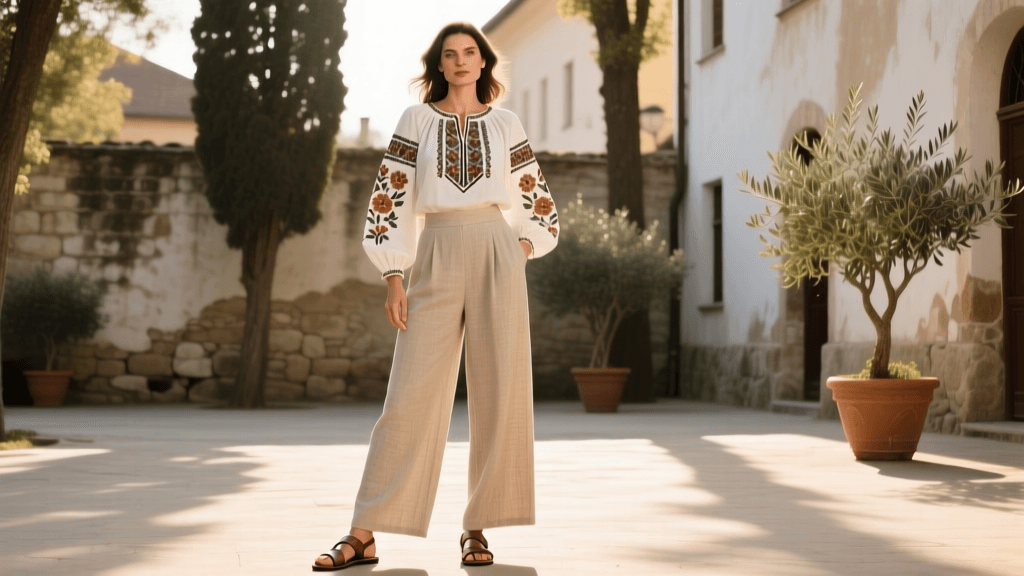
To style the Ia respectfully and effectively, one must first understand its architectural and decorative anatomy. The traditional blouse is not merely a garment; it is a coded textile map of Romanian regional identity. According to the archives at the National Museum of the Romanian Peasant, the classic Ia is constructed from hand-woven linen, hemp, or cotton, and features three distinct embroidered zones:
- The Altița (Shoulder Band): This is the most ornate and crucial element of the blouse. Located on the upper shoulder, the altița historically signaled the wearer's region, social status, and marital status. In 2026 styling, the altița acts as a natural focal point, drawing the eye upward and framing the face.
- The Încreț (Gather): Situated just below the altița, this horizontal band features geometric or floral motifs that transition the visual weight from the heavy shoulder down to the sleeve.
- The Râuri (Rivers): These are the vertical or diagonal stripes of embroidery that flow down the length of the sleeve, mimicking the movement of water and guiding the eye down the arm.
Contemporary Styling Formulas for 2026
Integrating a voluminous, heavily embroidered folk garment into a modern wardrobe requires an understanding of proportion, texture contrast, and silhouette balancing. Here are three actionable styling formulas for the contemporary wearer in 2026.
1. The Elevated Workspace (Smart Casual)
The voluminous sleeves and intricate embroidery of the Ia can easily overwhelm a professional setting if not balanced correctly. The key is to anchor the blouse with structured, minimalist tailoring.
- The Pairing: Tuck a mid-weight linen Ia into high-waisted, wide-leg wool trousers. Opt for a 32-inch inseam that grazes the floor, paired with a pointed-toe leather boot.
- Color Palette: Choose an Ia with monochromatic embroidery (such as black-on-white or navy-on-cream) and pair it with charcoal, camel, or deep olive trousers.
- Proportion Rule: Because the Ia features a bloused, gathered waist, ensure your trousers sit exactly at your natural waistline to prevent the torso from looking shortened. A slim, understated leather belt (1-inch width) in cognac or black will define the silhouette without competing with the embroidery.
2. Urban Streetwear Edge
Folk dress revival in 2026 heavily features the juxtaposition of delicate heritage textiles with rugged, utilitarian outerwear. This contrast highlights the fragility and beauty of the hand-stitched embroidery.
- The Pairing: Layer the Ia under a cropped, structured leather moto jacket or an oversized, raw-denim trucker jacket. Leave the jacket unzipped or unbuttoned to allow the altița (shoulder embroidery) to remain fully visible.
- Bottoms: Straight-leg, rigid selvedge denim or tailored cargo trousers in muted earth tones.
- Accessories: Keep jewelry minimal. Avoid statement necklaces, as they will clash with the Încreț (neckline gather). Instead, opt for chunky silver signet rings or simple geometric drop earrings.
3. Evening Elegance and Event Styling
For evening events, the Ia transitions beautifully into high-fashion elegance when paired with fluid, luxurious fabrics that contrast with the crisp, matte texture of the hand-woven linen.
- The Pairing: A semi-sheer, finely woven cotton Ia tucked into a bias-cut silk midi skirt. The fluidity of the silk mimics the 'rivers' (râuri) of the sleeve embroidery.
- Outerwear: Drape a tailored, oversized blazer over the shoulders, or use a sleek, minimalist wool cape.
- Footwear: Strappy, minimalist heeled sandals in metallic gold or silver to echo the intricate thread work of the blouse.
Sourcing Authentic Pieces: 2026 Market Guide
As demand for heritage garments has surged, the market has seen an influx of both authentic artisan pieces and mass-produced imitations. The World Crafts Council Europe continually advocates for supporting verified artisan cooperatives to sustain rural economies and preserve endangered textile techniques. Below is a comparison of sourcing avenues available in 2026.
| Source Type | Price Range (2026 USD) | Lead Time | Best For |
|---|---|---|---|
| Rural Artisan Cooperatives | $250 - $600 | 4 - 12 Weeks | Collectors, heritage purists, supporting rural economies |
| Vintage / Antique (Pre-1980) | $150 - $800+ | Immediate | Sustainable fashion advocates, unique one-of-a-kind styling |
| Contemporary Sustainable Brands | $120 - $300 | 1 - 3 Weeks | Everyday wear, modernized fits, accessible pricing |
| Fast Fashion Imitations | $40 - $90 | Immediate | Not recommended (lacks cultural authenticity and ethical production) |
Note: When purchasing from contemporary brands, always verify the supply chain transparency. Authentic brands will explicitly name the cooperatives or regions (e.g., Vrancea, Neamț, or Olt) where the embroidery was executed.
Garment Care and Preservation
Hand-embroidered linen and hemp require meticulous care to ensure they survive for generations. The natural fibers and organic dyes used in traditional Ias are highly sensitive to modern chemical detergents and high heat.
- Washing: Never machine wash an authentic Ia. Hand wash in cold water (below 30°C) using a pH-neutral, specialized textile detergent. Avoid soaking for more than 10 minutes to prevent natural dyes from bleeding into the unembroidered linen.
- Drying: Never wring or twist the fabric, as this will distort the hand-woven weave and damage the tension of the embroidery stitches. Roll the blouse in a clean, dry cotton towel to press out excess moisture, then lay it flat on a drying rack away from direct sunlight.
- Ironing: Iron the blouse while it is still slightly damp. Always iron on the reverse side using a medium heat setting. Place a clean cotton pressing cloth between the iron and the fabric to protect the raised texture of the chain and cross stitches.
- Storage: Store your Ia flat in a breathable cotton garment bag. Insert acid-free tissue paper into the sleeves to maintain their shape and prevent hard creases from forming along the embroidery lines. Use cedar blocks instead of mothballs to deter insects without introducing harsh chemicals to the fibers.
Cultural Appreciation in Modern Fashion
As the European folk dress revival accelerates through 2026, the conversation around cultural appreciation versus appropriation remains vital. Wearing the Ia is widely celebrated by Romanian cultural institutes when done with respect, understanding, and a commitment to ethical sourcing. By investing in authentic pieces, learning the regional dialects of the embroidery, and styling the garment in a way that honors its craftsmanship, modern wearers become active participants in the preservation of European textile heritage. The Ia is not merely a trend; it is a living, breathing testament to the endurance of folk art in the contemporary world.