Styling the Romanian Ia Blouse in 2026: Modern Revival
The Renaissance of the Romanian Ia in 2026
The landscape of European folk dress has experienced a monumental shift over the last decade, transitioning from museum archives and regional festivals into the forefront of global contemporary fashion. As we navigate the style landscape of 2026, the 'slow fashion' and artisanal revival movements have fully embraced traditional textiles, with the Romanian Ia (pronounced 'ee-ah') leading the charge. This iconic, intricately embroidered blouse is no longer confined to rural heritage celebrations; it has become a staple in the wardrobes of fashion-forward individuals who value craftsmanship, sustainability, and cultural storytelling.
In 2026, the modern consumer is highly educated on the origins of their garments. The desire for 'heritage-core' aesthetics has pushed traditional European folk dress into the spotlight, but wearing these pieces requires a nuanced understanding of their history, construction, and cultural significance. In this comprehensive guide, we explore how to authentically source, meticulously care for, and flawlessly style the Romanian Ia blouse today, bridging the gap between ancient Carpathian traditions and modern urban aesthetics.
Decoding the Altiță: Embroidery and Authenticity
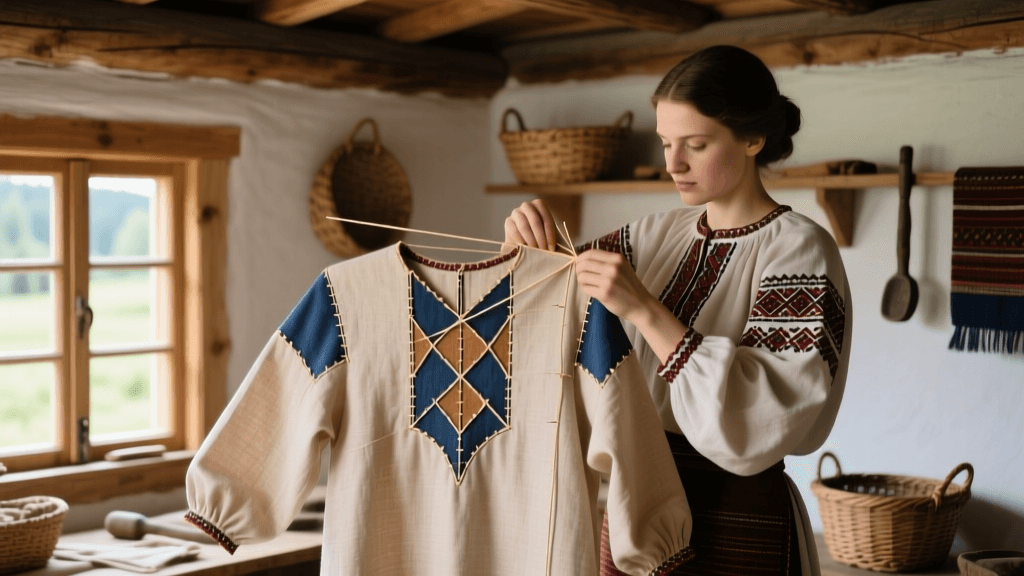
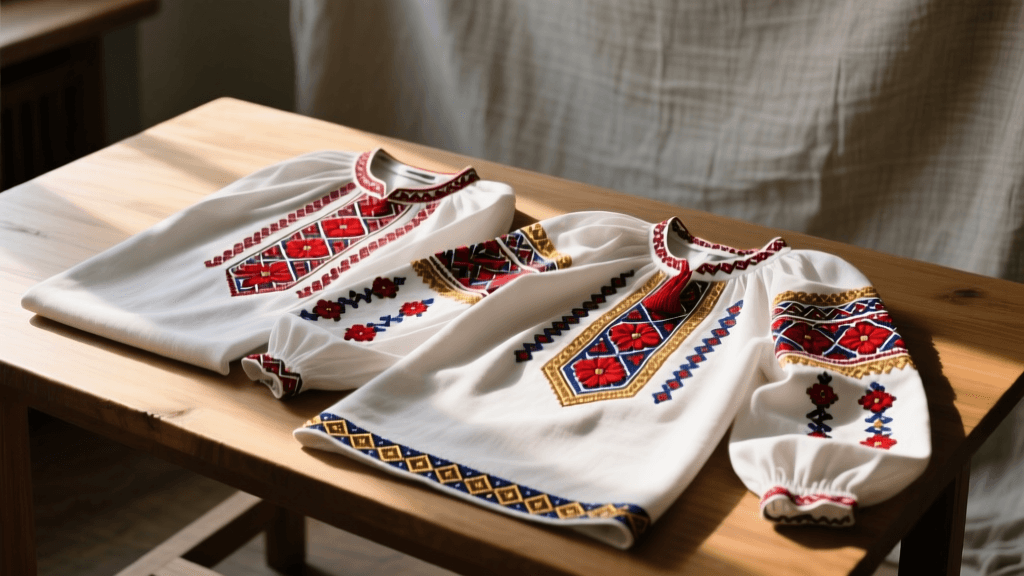
At the heart of the Ia’s global appeal is the altiță, the densely embroidered geometric and floral band that adorns the shoulder of the garment. Historically, the altiță served as a protective talisman and a visual identifier of the wearer’s specific village, marital status, and social standing. The meticulous needlework requires hundreds of hours of labor, utilizing traditional stitches like the punct în cruce (cross-stitch) and lănțișor (chain stitch).
Recognizing its immense cultural value, the art of the traditional Romanian blouse with embroidery on the shoulder was inscribed on the UNESCO Intangible Cultural Heritage list. This global recognition has sparked a massive revival among younger generations of artisans in regions like Muscel, Olt, and Vrancea, who are now preserving these ancestral techniques while adapting them for the 2026 market. Understanding the regional differences is key to curating an authentic collection:
- Muscel Region: Famous for the use of gold and silver metallic threads woven into geometric patterns, historically reserved for royalty and wealthy landowners.
- Olt Region: Characterized by vibrant, fiery reds and intricate floral and solar motifs, symbolizing life, energy, and the sun.
- Vrancea Region: Utilizes earth tones, predominantly black, brown, and deep green wool threads, featuring abstract symbols and the 'tree of life' motif.
Sourcing Authentic vs. Contemporary Pieces in 2026
When building a contemporary folk dress wardrobe in 2026, understanding the difference between authentic vintage pieces, modern artisan reproductions, and mass-produced imitations is crucial. The market has seen a massive surge in demand, driving up the prices of genuine historical garments while simultaneously funding rural artisan cooperatives.
1. Authentic Vintage (1920s–1970s)
Sourced from antique textile dealers, specialized Eastern European curators, or estate sales. These pieces feature hand-spun hemp, linen, or cotton, and utilize natural dyes. In 2026, expect to pay between $250 and $600 for a piece in excellent condition. Rare ceremonial blouses from the Muscel region with intact metallic threads can easily fetch upwards of $1,200 at specialized European folk dress auctions.
2. Contemporary Artisan-Made
Crafted by current rural cooperatives or independent heritage designers. These offer the benefit of pristine condition, structural integrity, and modern sizing while maintaining strict traditional accuracy. Prices in 2026 typically range from $180 to $450, directly supporting the rural women who keep the UNESCO-recognized craft alive.
3. Fast-Fashion Imitations
Often machine-embroidered on synthetic poly-blends. While affordable ($40–$80), these lack the cultural integrity, breathability, and structural longevity of true folk dress. Heritage enthusiasts and sustainable fashion advocates strongly discourage these purchases, as they dilute the cultural significance of the altiță.
For those seeking verified historical pieces and digital archives to verify regional patterns, the Europeana Fashion Collection remains an invaluable, authoritative resource for cross-referencing regional motifs and authentic construction methods before making a significant investment.
2026 Styling Guide: Integrating the Ia into Modern Wardrobes
The key to styling European folk dress in a contemporary setting is contrast. The voluminous, romantic silhouette of the Ia blouse pairs best with structured, modern, or minimalist pieces to avoid looking like a theatrical costume. Here are three distinct styling frameworks for 2026.
The Elevated Corporate Wardrobe
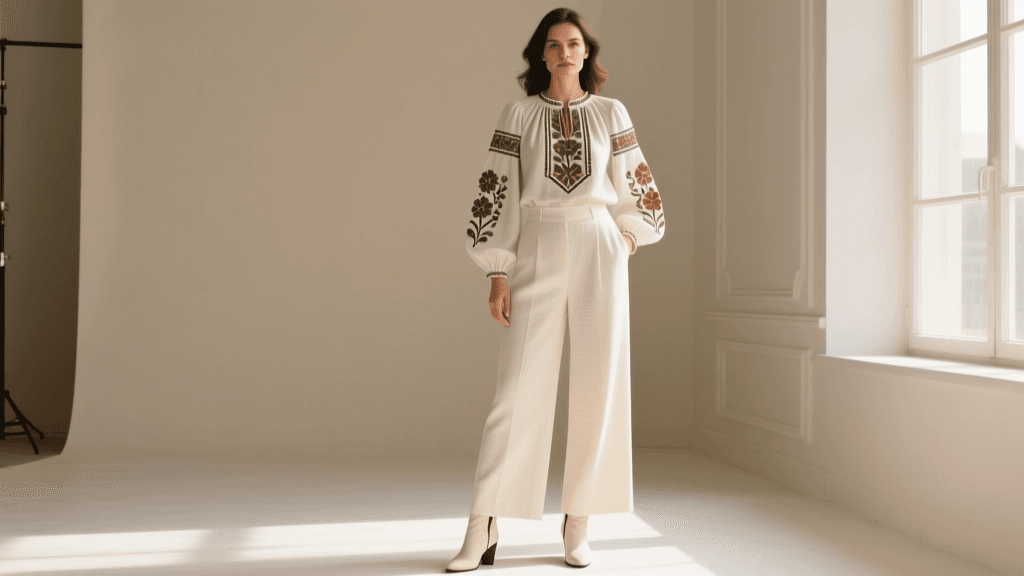
The 'quiet luxury' trend of 2026 has made room for subtle heritage pieces in professional environments. Choose an Ia with a muted color palette—such as cream linen with black or navy embroidery from the Vrancea region. Tuck the blouse into high-waisted, wide-leg tailored trousers made from sustainable Tencel or lightweight wool. Cinch the waist with a minimalist, structured leather belt to give shape to the blouse's natural volume. Finish the look with pointed-toe leather loafers and subtle gold hoop earrings that echo the traditional metallic accents of the embroidery.
Weekend Boho-Chic & Streetwear
For a relaxed, off-duty look, lean into the textural contrast between delicate folk embroidery and rugged streetwear staples. Pair a vibrant Olt region Ia (featuring red floral motifs) with raw, dark-wash selvedge denim jeans or a structured denim midi skirt. Layer a slightly oversized, vintage-inspired leather moto jacket over the shoulders. Footwear should be grounded and modern—think chunky leather Chelsea boots or clean, minimalist white sneakers. This look perfectly balances the romanticism of the folk dress with urban edge.
Evening Elegance & Gala Styling
For formal events, the Ia can be transformed into a breathtaking statement piece. Select a sheer, fine cotton or silk-blend Ia with intricate metallic thread work. Pair it with a flowing, bias-cut silk slip skirt in a complementary jewel tone (such as emerald green or deep burgundy). Accessorize with modern, sculptural metallic jewelry and a sleek, low chignon hairstyle to keep the focus on the shoulder embroidery. A pair of strappy, minimalist heeled sandals will elongate the silhouette, ensuring the traditional blouse feels entirely at home at a contemporary black-tie event.
2026 Ia Blouse Pairing Matrix
To simplify your styling process, refer to this quick-reference matrix designed for the modern wardrobe.
| Occasion | Blouse Style / Region | Bottom Pairing | Footwear | Accessories |
|---|---|---|---|---|
| Corporate / Office | Muted Vrancea (Black/Navy) | Tailored Wide-Leg Trousers | Pointed-Toe Loafers | Structured Leather Belt, Stud Earrings |
| Weekend Casual | Vibrant Olt (Red Floral) | Raw Selvedge Denim Jeans | Chunky Chelsea Boots | Leather Moto Jacket, Canvas Tote |
| Evening / Gala | Muscel (Metallic Threads) | Bias-Cut Silk Midi Skirt | Minimalist Strappy Heels | Sculptural Gold Cuffs, Silk Clutch |
| Summer Festival | White Hemp / Geometric | Linen Drawstring Trousers | Leather Gladiator Sandals | Woven Straw Hat, Layered Beads |
Care and Preservation of Delicate Folk Textiles
Owning a piece of European folk dress history comes with the responsibility of proper textile conservation. The natural fibers and dyes used in vintage and artisan-made Ia blouses require specialized care to ensure they survive for future generations.
- Washing: Never machine wash an authentic Ia. Hand wash in cold water using a pH-neutral, conservation-grade detergent. Avoid wringing or twisting the fabric; instead, gently press the water out and lay the garment flat on a clean, dry towel to air dry.
- Sunlight Exposure: Natural dyes, particularly the vibrant reds and deep blacks, are highly susceptible to UV fading. Always dry your blouse in the shade and store it away from direct sunlight.
- Storage: Do not hang vintage Ia blouses on wire or thin plastic hangers, as the weight of the embroidery can distort and tear the delicate shoulder seams. Fold the blouse gently, padding the folds with acid-free tissue paper to prevent hard creases, and store it in a breathable cotton garment bag or an archival textile box.
- Ironing: If ironing is necessary, turn the blouse inside out and place a clean cotton press cloth between the iron and the embroidery. Use a low heat setting and avoid pressing directly on the metallic threads or raised chain stitches, which can easily crush or melt.
The Future of European Folk Dress
The revival of the Romanian Ia in 2026 is more than just a fleeting fashion trend; it is a profound reclamation of cultural identity and a testament to the enduring appeal of slow, intentional craftsmanship. By choosing to invest in authentic, ethically sourced folk garments and styling them with modern reverence, we ensure that the ancestral skills of the altiță continue to thrive. Whether you are pairing a vintage Muscel blouse with tailored trousers for the office or styling a vibrant Olt piece with denim for the weekend, you are participating in a living, breathing textile tradition that bridges the past and the future of European fashion.