Sourcing Authentic Vyshyvanka & Ie Blouses in 2026
Introduction to Eastern European Textile Heritage
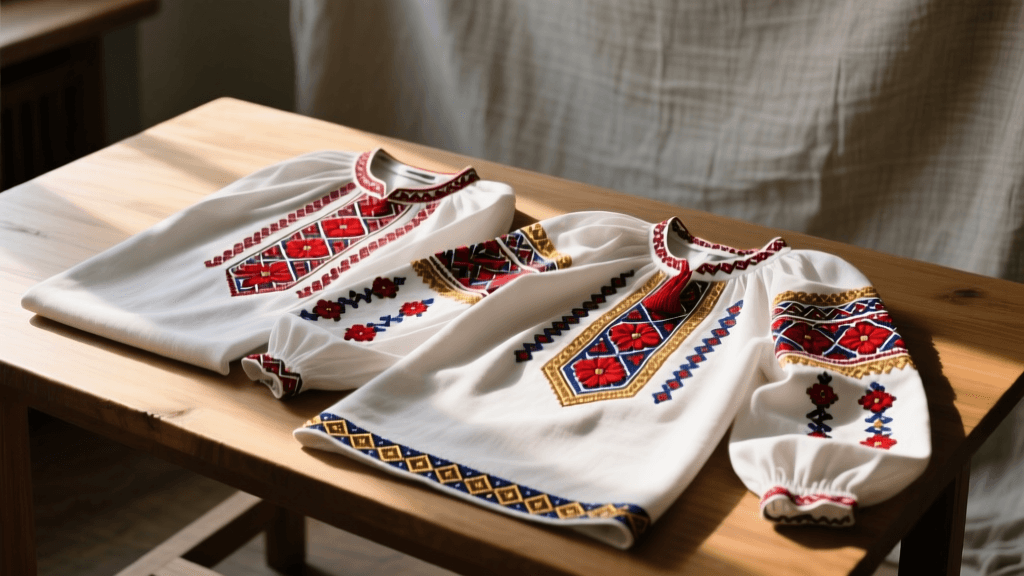
The landscape of Eastern European and Balkan folk dress has experienced a massive renaissance over the last few years. In 2026, collectors, cultural enthusiasts, and fashion historians are moving away from mass-produced, synthetic festival wear, seeking genuine, artisan-crafted garments that honor centuries-old traditions. Among the most coveted pieces in the Slavic and Balkan wardrobe are the Ukrainian Vyshyvanka and the Romanian Ie. These embroidered blouses are not merely clothing; they are wearable manuscripts, encoding regional identity, spiritual protection, and ancestral lineage through intricate needlework.
As the global market for heritage textiles expands in 2026, distinguishing between authentic, hand-loomed masterpieces and factory-made replicas has become a crucial skill for buyers. This comprehensive guide will walk you through the anatomy of these garments, how to authenticate them, where to source ethical artisan cooperatives, and how to preserve your investment for generations.
Anatomy of the Vyshyvanka and Ie
Ukrainian Vyshyvanka: Geometric and Floral Symbolism
The Vyshyvanka is the quintessential Ukrainian embroidered shirt, historically worn by both men and women. The construction relies on a loose, tunic-like silhouette crafted from hand-woven linen or hemp. The true magic, however, lies in the placement and pattern of the embroidery. According to UNESCO's framework for Intangible Cultural Heritage, traditional crafts like embroidery serve as a vital link to community identity. In 2026, authentic artisans from regions like Hutsulshchyna and Poltava continue to use distinct regional motifs. Hutsul embroidery is famous for dense, geometric cross-stitch patterns in vibrant reds, blacks, and oranges, while Poltava pieces often feature delicate, tone-on-tone white-on-white satin stitch and cutwork that mimics frost on a windowpane.
Romanian Ie: The Carpathian Canvas
The Romanian Ie (pronounced 'ee-yeh') is a women's blouse characterized by its intricate gathering at the neckline and the iconic altiță—a thick, horizontal band of embroidery on the upper sleeve. Below the altiță lies the încreț, a delicate net-like gathering, followed by vertical bands of motifs flowing down the arm. The motifs often draw from the natural world, featuring stylized ferns, wheat stalks, and the 'tree of life.' As noted in Britannica's comprehensive guide to embroidery, the use of specific stitches like the Romanian stitch (a variation of the long-and-short stitch) allows for smooth color shading that brings these floral and geometric motifs to life.
Natural Dyes and Threads: The 2026 Artisan Revival
A major trend in the 2026 heritage textile market is the strict return to natural, botanical dyes. While mid-20th-century pieces often utilized harsh aniline dyes, today's top-tier artisan cooperatives have revived ancient dyeing vats. When sourcing a premium Vyshyvanka or Ie, look for the following natural color profiles:
- Madder Root (Rubia tinctorum): Produces deep, earthy reds and terracotta hues. Authentic madder red fades gracefully over decades, unlike synthetic reds which tend to turn pinkish.
- Woad and Indigo: Used for deep blues. Traditional woad fermentation yields a slightly uneven, organic blue that gives the textile a living character.
- Weld and Onion Skins: The primary sources for vibrant yellows and golds, often used to symbolize the sun and agricultural prosperity.
- Walnut Husks and Oak Galls: Utilized for rich browns and deep blacks, providing a grounding contrast to brighter threads.
2026 Market Guide: Handmade vs. Machine-Made
Understanding the pricing and construction tiers is essential when navigating the 2026 market. Below is a comparison chart to help you evaluate the garments you encounter.
| Category | Base Fabric | Embroidery Method | 2026 Average Price (USD) | Lifespan & Authenticity Markers |
|---|---|---|---|---|
| Heritage Artisan (100% Handmade) | Hand-loomed linen/hemp, irregular slubs | Hand cross-stitch, satin stitch, cutwork | $450 - $1,200+ | Heirloom quality; slight irregularities on the reverse side of the embroidery prove handwork. |
| Semi-Artisan (Hybrid) | Mill-woven linen, uniform weave | Machine-guided or partial hand-finishing | $150 - $350 | Good for regular wear; reverse side is often too clean, indicating machine assistance. |
| Fast-Fashion Replica | Cotton-polyester blends | Computerized multi-needle machine | $30 - $80 | Stiff drape, synthetic sheen; embroidery is dense, flat, and lacks cultural accuracy in motif placement. |
Where to Source Authentic Garments in 2026
Finding genuine pieces requires looking beyond standard e-commerce algorithms. In 2026, the most reliable method for acquiring authentic Eastern European folk dress is through direct engagement with regional artisan guilds and verified cultural heritage platforms.
1. Regional Artisan Cooperatives
Organizations based in Maramureș (Romania) and the Carpathian foothills of Ukraine operate direct-to-consumer portals. These cooperatives ensure that the weavers and embroiderers receive fair compensation. When browsing their 2026 catalogs, look for 'maker profiles' that document the specific village and the artisan's lineage.
2. Specialized Vintage and Antique Dealers
For those seeking early-to-mid 20th-century antique pieces, specialized textile dealers in Vienna, Budapest, and Bucharest offer curated collections. These garments often feature heavier hemp bases and rare regional cuts that are no longer in production. Always request high-resolution macro photos of the seams and the reverse side of the embroidery to verify age and hand-stitching.
3. Cultural Festivals and Heritage Fairs
Attending events like the Sighișoara Medieval Festival or specialized Ukrainian cultural diaspora exhibitions in North America and Western Europe remains a premier way to buy directly from makers. In 2026, many of these festivals have implemented 'Heritage Verified' badges for vendors who can demonstrate their traditional crafting processes on-site.
Accessory Pairing: Completing the Balkan and Slavic Silhouette
A Vyshyvanka or Ie is rarely worn in isolation. To achieve a historically grounded silhouette, consider the following traditional pairings:
- The Namitka (Headscarf): A long, sheer linen or silk wrap worn by married women in various Slavic and Balkan cultures. In 2026, lightweight hand-woven ramie is a popular, breathable alternative to heavy vintage linen.
- Gerdan (Beaded Necklace): Intricate, wide bib necklaces made of glass seed beads, featuring geometric patterns that mirror the embroidery of the Hutsul region. Authentic gerdans are woven on small hand-looms, not simply strung.
- Brau (Woven Sash): A wide, heavily patterned woolen belt worn over the skirt or trousers. The brau serves both a practical purpose (supporting the lower back during labor) and a decorative one, utilizing complex tablet-weaving techniques.
Care, Preservation, and Storage
Investing in authentic heritage textiles requires a commitment to proper conservation. The Victoria and Albert Museum's textile conservation archives emphasize that light, moisture, and improper folding are the primary enemies of natural fibers.
Washing and Cleaning
Never machine wash an authentic, hand-loomed Vyshyvanka or Ie. The agitation can break the delicate linen fibers and cause natural dyes to bleed. Instead, soak the garment in cool water with a pH-neutral, conservation-grade detergent. Gently agitate by hand, rinse thoroughly, and roll the garment in a clean, white cotton towel to press out excess water. Lay flat to dry in the shade; direct sunlight will rapidly degrade both the fiber and the botanical dyes.
Archival Storage
When storing your garments for the off-season, avoid wire hangers or standard plastic garment bags, which can off-gas and trap moisture. Wrap the blouse in unbleached, acid-free archival tissue paper or washed, unbleached muslin. Store the wrapped garment in a breathable cedar chest or an acid-free textile box. Ensure the storage environment maintains a stable humidity level (around 50%) to prevent mold growth or fiber desiccation.
Conclusion
The resurgence of Eastern European folk dress in 2026 is a testament to the enduring power of cultural heritage. By understanding the intricate anatomy of the Vyshyvanka and Ie, recognizing the markers of true artisan handwork, and committing to ethical sourcing and meticulous care, you do more than acquire a beautiful garment. You become a custodian of a living, breathing textile tradition that has survived centuries of history. Whether you are sourcing a piece for a museum-quality collection or for meaningful personal wear, the legacy of Slavic and Balkan embroidery offers a profound connection to the past, woven directly into the fabric of the present.