Modern Norwegian Lusekofte & Selbu Styling Guide 2026
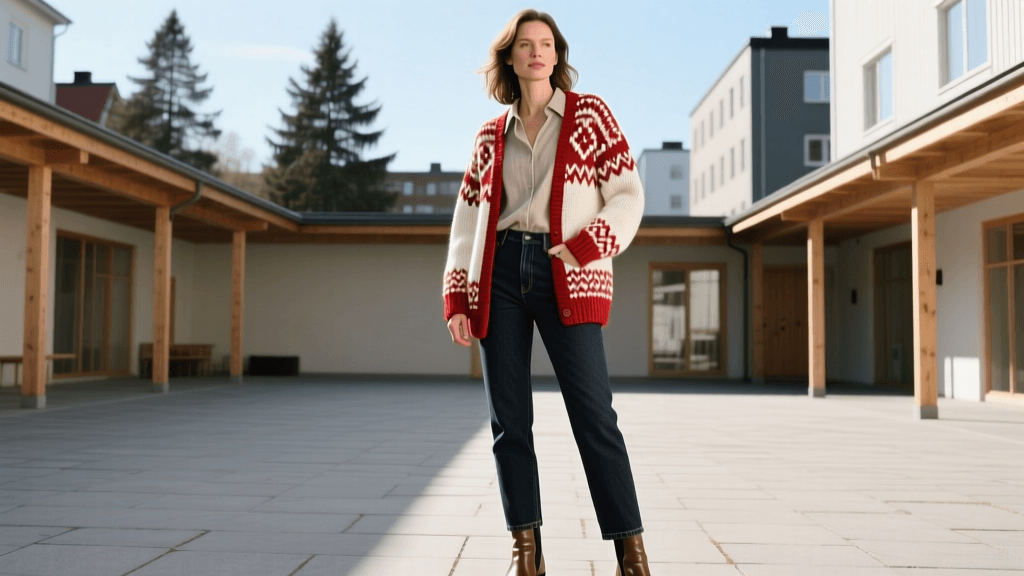
The 2026 Heritage Knitwear Renaissance
The global fashion landscape of 2026 has decisively pivoted away from transient micro-trends, embracing a profound appreciation for slow heritage and regional textile traditions. At the forefront of this European folk dress revival is the integration of traditional Scandinavian knitwear into contemporary urban wardrobes. No longer confined to museum archives or rural winter festivals, historic Norwegian garments are being reimagined by modern stylists, artisans, and fashion-forward individuals who value both cultural provenance and sartorial elegance. The most prominent examples of this revival are the Setesdal Lusekofte and the iconic Selbu-patterned accessories, which have transitioned from strictly utilitarian cold-weather gear to highly sought-after statement pieces in modern streetwear and creative office environments.
This shift is driven by a growing consumer demand for transparency, sustainability, and craftsmanship. According to recent textile industry analyses, buyers in 2026 are willing to invest significantly more in garments that offer a verifiable lineage and artisanal construction. By understanding the historical roots of these garments and learning how to style them with modern silhouettes, you can seamlessly incorporate European folk dress into your daily rotation without appearing as though you are wearing a historical costume.
Deconstructing the Lusekofte and Selbu Rose
To style these garments effectively, one must first understand their structural and historical foundations. The Lusekofte (literally translating to 'lice jacket') originates from the Setesdal valley in southern Norway. Historically knit in the round using unspun, lanolin-rich wool, the traditional Lusekofte features a distinct black-and-white geometric pattern. The 'lice' refer to the small, isolated white stitches scattered across the dark background, while the lower body often remains solid black to hide wear and tear from manual labor. The yoke and chest are adorned with intricate, recurring geometric motifs, often accented with subtle bands of red, yellow, or green embroidery, and finished with pewter or silver clasps known as sølvknapper.
Conversely, the Selbu rose (Selburose) is an eight-petal star motif that originated in the Selbu region of Trøndelag. Popularized in the mid-19th century by Marit Guldsetbrua Emstad, who reportedly brought the first patterned mittens to church, the Selbu rose quickly became a symbol of Norwegian knitting prowess. Today, the Selbu rose is a staple in contemporary Nordic design, appearing on everything from fine-gauge merino cardigans to heavy-duty outdoor mittens. The Norwegian Museum of Cultural History maintains extensive archives of these early textile innovations, highlighting how regional isolation fostered highly distinct, mathematically complex knitting patterns that continue to influence global textile design.
Contemporary Styling Formulas for 2026
Integrating heavy, historically accurate folk textiles into a modern 2026 wardrobe requires a careful balance of proportion, texture, and color theory. The goal is to let the heritage garment serve as the focal point while anchoring it with contemporary, minimalist staples.
The Creative Office Uniform
For professional environments that permit expressive dressing, the key is to seek out modernized, fine-gauge interpretations of the Lusekofte. In 2026, several heritage brands have released 'urban' iterations of the Setesdal sweater, utilizing a 2-ply merino-wool blend that drapes elegantly rather than bulking up the frame.
- The Silhouette: Opt for a slightly cropped, boxy Lusekofte with a dropped shoulder and a wide, ribbed hem that sits exactly at the natural waistline.
- The Pairing: Balance the voluminous, textured knit with high-waisted, wide-leg tailored trousers in a fluid fabric like charcoal wool crepe or heavy silk twill.
- The Accessories: Skip the traditional heavy silver belt. Instead, use a sleek, matte-black leather belt and finish with pointed-toe leather ankle boots. The contrast between the rustic, geometric knit and the sharp, architectural tailoring creates a striking, modern tension.
Elevated Weekend Streetwear
Weekend styling allows for a more relaxed, layered approach that highlights the rugged origins of Norwegian folk dress. Oversized Selbu-patterned cardigans and heavy, authentic Lusekofte jackets excel in transitional autumn and winter weather.
- The Layering Strategy: Wear a heavyweight, 100% Norwegian wool Lusekofte over a minimalist, floor-length slip dress in a muted earth tone, such as olive green or deep rust. The juxtaposition of the coarse, lanolin-rich wool against the smooth, liquid drape of the silk or cupro slip dress is a hallmark of 2026 Scandinavian styling.
- The Outerwear: When stepping outdoors, layer a structured, water-resistant trench coat or a sleek, collarless wool overcoat over the knitwear. Ensure the coat is at least three inches longer than the sweater to maintain a streamlined silhouette.
- The Extremities: Accessorize with authentic, double-layered Selbu mittens. In 2026, artisans are offering these in non-traditional colorways, such as navy and cream, or forest green and oatmeal, which integrate more easily into modern streetwear palettes.
2026 Sourcing Guide: Artisans, Brands, and Pricing
Authenticity and ethical production are paramount when investing in European folk dress. The market is currently saturated with mass-produced imitations that appropriate Nordic patterns without supporting the regional economies that sustained these traditions. When sourcing your garments, look for certification from organizations like Norges Husflidslag (The Norwegian Folk Art and Craft Association), which actively protects and promotes traditional Norwegian handicrafts.
Below is a comparative guide to sourcing authentic Norwegian knitwear in 2026, detailing price points, material compositions, and stylistic focuses.
| Brand / Maker Category | Style Focus & Fit | 2026 Price Range (USD) | Material Composition |
|---|---|---|---|
| Dale of Norway (Heritage Line) | Classic, structured, traditional length. Best for outerwear layering. | $380 - $550 | 100% Norwegian Steinkjer Wool (3-ply) |
| Rauma Garn (DIY Kits) | Customizable. Allows for modern crop modifications and color swaps. | $120 - $180 (Kit) | 100% Peer Gynt or Pt.5 Sport Wool |
| Independent Setesdal Artisans | Bespoke, historically accurate, finished with hand-forged pewter clasps. | $800 - $1,400+ | Unspun, lanolin-rich Setesdal fleece |
| Contemporary Nordic Studios | Cropped, relaxed drop-shoulder, fine-gauge for office/indoor wear. | $250 - $420 | Merino-Alpaca Blends (2-ply) |
For those interested in the DIY route, sourcing yarn directly from established Norwegian mills like Rauma Ull ensures you are working with fibers that possess the correct memory, halo, and stitch definition required for complex colorwork patterns.
Eco-Conscious Care and Blocking Techniques
Heritage wool garments require specialized care to maintain their structural integrity and natural water-resistant properties. Modern dry-cleaning chemicals can strip the wool of its natural lanolin, leaving the fibers brittle and prone to pilling. In 2026, the standard for maintaining folk textiles relies on gentle, eco-conscious home care methods.
Washing: Never machine wash a Lusekofte or Selbu garment. Fill a basin with cool water (strictly 15°C or 59°F) and add a pH-neutral, lanolin-enriched wool wash. Submerge the garment and gently press the water through the fibers without agitating or wringing, which causes felting. Let it soak for 20 minutes, then rinse with water of the exact same temperature to prevent thermal shock.
Blocking: Proper blocking is essential for colorwork garments, as it evens out the tension between the contrasting yarns and allows the intricate Selbu roses and Setesdal motifs to bloom. After gently rolling the garment in a towel to remove excess moisture, lay it flat on a breathable blocking mat. Use rust-proof T-pins to gently stretch the garment to its final dimensions, paying special attention to the ribbed cuffs and hem. For cardigans, use blocking wires threaded through the front bands to ensure a perfectly straight edge that will not curl when the traditional silver clasps are attached.
Conclusion
The revival of European folk dress in 2026 is not merely a nostalgic trend; it is a conscious rejection of disposable fashion in favor of garments that carry history, cultural weight, and unparalleled craftsmanship. By understanding the origins of the Lusekofte and the Selbu rose, and by applying modern styling principles to these historic textiles, you can build a wardrobe that is deeply rooted in tradition while remaining fiercely contemporary. Whether you are commissioning a bespoke piece from a Setesdal artisan or styling a fine-gauge merino interpretation for the modern office, these Norwegian heritage knits offer a timeless, sustainable approach to personal style.