2026 Guide to Styling Japanese Nishijin-Ori & Tabi
The 2026 Renaissance of Japanese Heritage Fashion
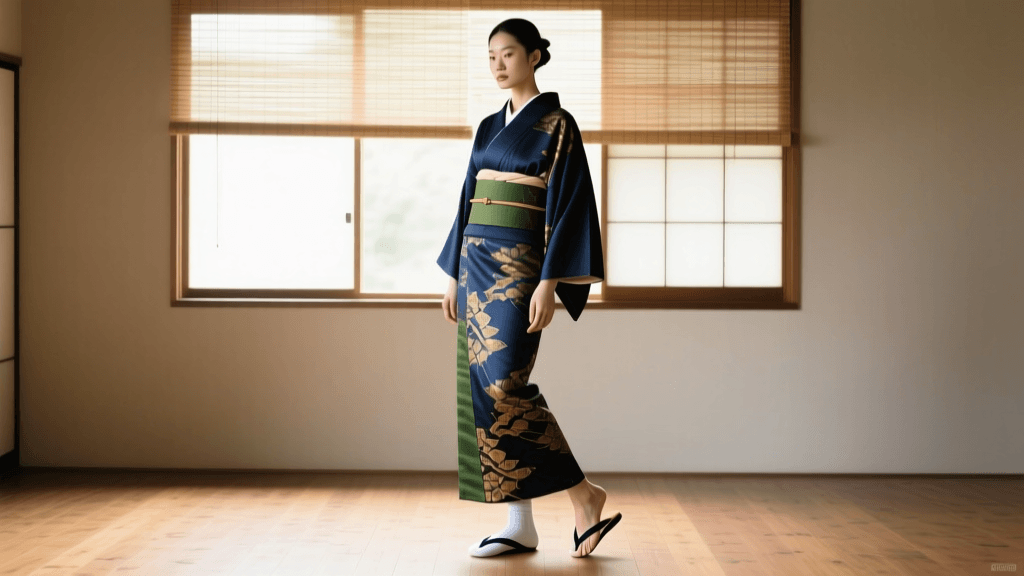
In 2026, the global fashion landscape has witnessed a profound return to mindfulness, sustainability, and heritage. Nowhere is this more evident than in the evolution of traditional Japanese clothing. Moving beyond mere costume, comprehensive Japanese fashion styles today represent a living, breathing intersection of ancient weaving methods, Zen spirituality, and contemporary international design. For the modern wardrobe, integrating these elements is not about wearing a historical replica; it is about embracing the sensory experience, the philosophy of preservation, and the artisanal trade that keeps these techniques alive. This guide explores how to authentically style heritage garments, from the intricate looms of Kyoto to the split-toe innovation of modern footwear.
Nishijin-Ori: Kyoto’s Master Weaving Method
Nishijin-ori is the pinnacle of Japanese textile artistry, originating from the Nishijin district in Kyoto. Characterized by its use of pre-dyed threads to create elaborate, tapestry-like patterns, this weaving method requires immense precision. In 2026, the trade of Nishijin textiles has expanded globally, yet the preservation of the craft remains fiercely local. Artisans are now blending traditional mulberry silk with upcycled metallic threads, creating sustainable luxury pieces that appeal to eco-conscious consumers.
Styling a Nishijin-ori piece in 2026 requires a minimalist approach to let the textile speak. A contemporary Nishijin-woven haori (jacket) pairs beautifully with tailored, wide-leg linen trousers and a simple organic cotton turtleneck. According to the Kyoto Museum of Traditional Crafts, the integration of these textiles into daily wear is vital for the survival of the weaving guilds. When purchasing, expect 2026 market prices for an authentic, hand-woven Nishijin haori to range from ¥180,000 to ¥350,000 ($1,200 to $2,300 USD), reflecting the hundreds of hours of loom work required.
Kasuri and Yuki-Tsumugi: Everyday Elegance and Education
While Nishijin-ori represents formal luxury, Kasuri (ikat) and Yuki-tsumugi offer breathable, everyday elegance. Kasuri involves resist-dyeing the threads before weaving, resulting in a beautifully blurred, organic pattern that embodies the Zen concept of wabi-sabi—finding beauty in imperfection. Yuki-tsumugi, a highly revered silk-weaving technique, is renowned for its lightweight, insulating properties. The UNESCO Intangible Cultural Heritage list recognizes Yuki-tsumugi not just for its output, but for the rigorous educational apprenticeships required to master the hand-spinning and weaving processes.
For 2026 spring and summer collections, a Kasuri cotton kimono-style wrap dress or a Yuki-tsumugi blend cardigan offers a sophisticated layering piece. These garments transition seamlessly from a creative workspace to an evening dinner, providing a tactile, sensory experience that mass-produced synthetics simply cannot replicate.
Footwear Evolution: Tabi and Zori in Modern Wardrobes
No comprehensive guide to Japanese fashion is complete without addressing footwear. The Tabi (split-toe sock) and Zori (traditional sandal) have transcended their historical roots to become staples in avant-garde and practical fashion alike. In 2026, international design houses continue to draw heavy inspiration from the Tabi silhouette, but traditional makers in Kyoto and Tokyo are leading the charge in ergonomic, sustainable footwear.
Modern Zori are now crafted with recycled EVA soles and sustainably harvested igusa (rush grass) or upcycled denim straps. They provide excellent arch support and encourage a natural, grounded walking posture that aligns with Zen physical practices. When styling Tabi boots or ankle-high split-toe shoes, pair them with cropped, tapered trousers or a flowing midi skirt to highlight the unique silhouette.
How to Measure for Traditional Tabi in 2026
Proper fit is crucial for Tabi, as the split-toe design requires exact alignment. While many brands now offer 3D foot-scanning via smartphone apps, taking manual measurements ensures accuracy when ordering from heritage artisans:
- Length: Measure from the back of your heel to the tip of your longest toe in centimeters. Tabi sizing in 2026 strictly follows the Japanese CM system (e.g., 24.5 cm).
- Width: Wrap a flexible measuring tape around the widest part of your foot (the ball). Traditional makers offer 'Standard', 'Wide', and 'Extra-Wide' fittings.
- Ankle Circumference: For ankle-high Tabi, measure the narrowest part of your ankle to ensure the kohaze (metal clasps) will fasten comfortably without restricting blood flow.
Life Stages and the Transition of Garments
In Japanese culture, clothing is deeply tied to life stages. The transition from the vibrant, long-sleeved furisode worn during the Coming of Age ceremony (Seijin no Hi) to the more subdued, elegant tomesode of married life, and eventually to the dignified, understated garments of elder years, reflects a societal respect for aging. In 2026, modern consumers are adapting this philosophy by investing in 'lifetime garments'—high-quality, hand-woven pieces that are meant to be worn, repaired, and eventually passed down, rather than discarded. This approach to fashion education teaches younger generations the value of textile preservation and mindful consumption.
Comparative Guide to Japanese Textiles (2026 Market Data)
Understanding the practical differences between traditional textiles is essential for building a versatile heritage wardrobe. Below is a comparison of the most prominent weaving methods available on the 2026 market.
| Textile Type | Weaving Method | Best Season | 2026 Avg. Price (Jacket/Haori) | Care Instructions |
|---|---|---|---|---|
| Nishijin-Ori | Tapestry weave, pre-dyed silk | Autumn / Winter | ¥250,000 ($1,650 USD) | Dry clean only; store with camphor |
| Kasuri (Cotton) | Ikat resist-dye, plain weave | Spring / Summer | ¥65,000 ($430 USD) | Hand wash cold; line dry in shade |
| Yuki-Tsumugi | Hand-spun silk, subtle patterns | All-Season (Layered) | ¥400,000 ($2,650 USD) | Specialist silk wash; avoid direct sun |
| Sakiori | Rag weaving, upcycled fabrics | Winter | ¥85,000 ($560 USD) | Gentle machine wash in mesh bag |
Zen Spirituality and the Sensory Experience of Dress
The intersection of Zen spirituality and Japanese fashion lies in the sensory experience of the garments. Dressing in traditional clothing is a meditative act. The rustle of silk (known as kinugoshi), the weight of a hand-woven obi, and the grounded feel of a wooden Geta or Zori sandal all serve to anchor the wearer in the present moment. In 2026, as digital fatigue reaches an all-time high, the tactile nature of heritage textiles offers a necessary physical grounding.
"True elegance in Japanese fashion is not about visual dominance, but about the quiet harmony between the wearer, the textile, and the environment. It is the embodiment of Ma—the negative space that allows the garment to breathe." — Journal of Asian Textile Arts, 2026 Edition.
Preservation, Travel, and International Design
For those looking to deepen their understanding of these garments, travel to Japan's weaving capitals remains the ultimate educational experience. In 2026, towns like Yuki (Ibaraki Prefecture) and the Nishijin district in Kyoto offer immersive, multi-day weaving retreats. These programs allow international visitors to sit at the jibata (traditional floor loom) and understand the physical toll and immense skill required to produce even a single yard of fabric.
Simultaneously, international design houses in Paris and Milan are collaborating directly with Japanese artisan guilds, ensuring that the trade of these textiles supports the local economies rather than exploiting them. By choosing authentic, artisan-crafted pieces, consumers participate in a global movement that values human hands over automated looms, preserving the soul of Asian traditions for the next generation.
Final Thoughts on Building a Heritage Wardrobe
Integrating traditional Japanese fashion into a 2026 wardrobe is a journey of curation. Start with a versatile piece, such as a cotton Kasuri jacket or a pair of modern Tabi boots, and allow your appreciation for the weaving methods and Zen aesthetics to guide your future acquisitions. By respecting the life stages of the garments and prioritizing preservation, you transform your closet from a revolving door of trends into a lasting sanctuary of culture, art, and mindful living.