Best Online Shops for Authentic Custom Hanbok 2026
The Global Renaissance of Hanbok Shopping in 2026
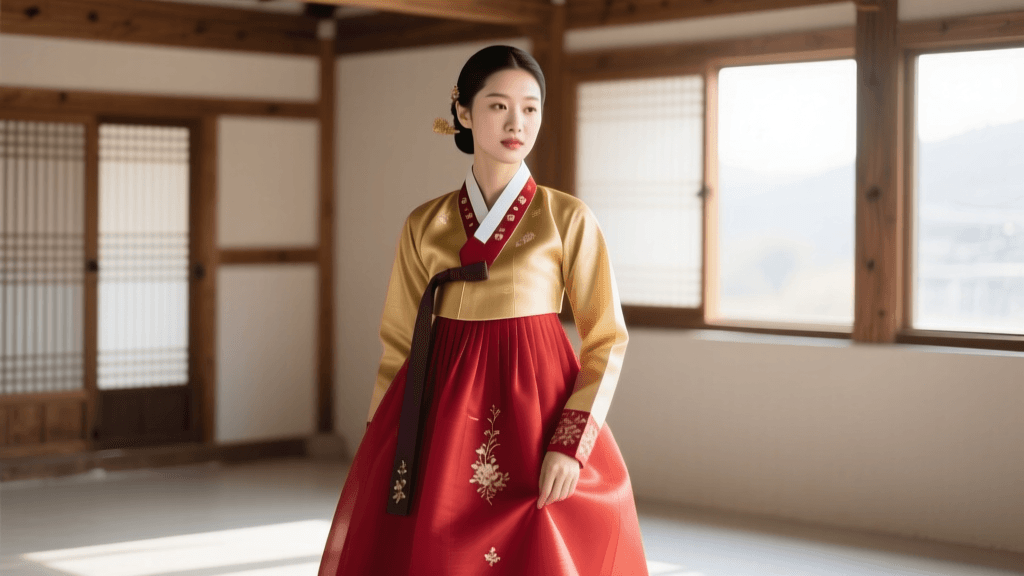
The year 2026 marks a watershed moment for global enthusiasts of traditional Korean dress. Thanks to advancements in augmented reality (AR) virtual try-ons and AI-driven precision sizing, purchasing an authentic, custom-tailored hanbok online is now more accessible and accurate than ever before. No longer restricted to physical boutiques in Seoul's Bukchon Hanok Village or Jeonju, international buyers can now commission museum-quality garments directly from master artisans. According to the National Museum of Korea, the global appreciation for the structural elegance of the hanbok has surged, driving a new wave of e-commerce platforms dedicated exclusively to heritage textiles and sustainable traditional fashion.
In 2026, the online hanbok market has matured significantly. Buyers are no longer forced to choose between overpriced middlemen and cheap, mass-produced polyester costumes. Direct-to-consumer models, supported by the Korean government's cultural export initiatives, now allow international shoppers to collaborate directly with certified *myeongjang* (master artisans) via specialized digital marketplaces. Whether you are seeking a ceremonial *hwalot* for a wedding, a modernized *saenghwal* hanbok for daily wear, or a historically accurate *jeogori* for cultural events, the digital landscape offers unprecedented access to authentic craftsmanship.
Understanding Core Hanbok Terminology for Online Search
Before navigating online marketplaces, it is crucial to understand the specific terminology used by authentic Korean sellers. Searching for generic terms like 'Korean dress' will often lead to fast-fashion costumes. Instead, use these precise terms to filter for authentic garments:
- Jeogori: The upper garment or jacket, worn by both men and women. In women's hanbok, it is typically cropped above the waist.
- Chima: The full, wrap-around skirt worn by women, characterized by its voluminous bell shape.
- Baji: The roomy, loose-fitting trousers worn by men, designed for ease of movement and sitting on floors.
- Goreum: The long, flowing ribbons used to tie the *jeogori* at the chest. The knotting and drape of the *goreum* are primary indicators of a garment's quality.
- Dongjeong: The removable, stiff white collar attached to the neckline of the *jeogori*, providing a sharp contrast that frames the face.
- Durumagi: The traditional overcoat worn for warmth and formal occasions, completing the outer layer of the ensemble.
Authenticity Check: Traditional Craftsmanship vs. Costumes
As noted by the Encyclopædia Britannica, the hanbok is historically characterized by its vibrant colors, simple lines, and lack of pockets. However, in the digital marketplace, distinguishing between a culturally significant garment and a theatrical costume requires a trained eye. In 2026, authentic online boutiques emphasize transparency in their material sourcing and construction methods.
When evaluating a product listing, look for detailed macro-photography of the seams. Authentic *jeogori* feature curved, hand-finished sleeves (*baerae*) that mimic the slope of traditional Korean architecture roofs. Mass-produced costumes often use straight, machine-sewn sleeves that restrict arm movement and lack the elegant drape of genuine tailoring. Furthermore, authentic *goreum* are weighted and hand-stitched to ensure they hang perfectly straight, whereas costume versions are frequently glued or machine-tacked, resulting in a stiff, unnatural appearance.
Fabric composition is the ultimate tell. While 2026 has seen incredible innovations in sustainable textiles, authentic premium hanbok still heavily rely on natural fibers. Look for 100% mulberry silk, traditional ramie (*mosi*), or hemp (*sambe*). Many top-tier artisans in 2026 are also offering certified 'peace silk' (ahimsa silk) and lotus-silk blends, catering to eco-conscious buyers without sacrificing historical accuracy.
Top Online Marketplaces for Sourcing Authentic Hanbok
1. Korea Craft and Design Foundation (KCDF) E-Shop
For buyers seeking guaranteed authenticity, the digital storefronts affiliated with the KCDF are the gold standard. The KCDF actively supports and vets traditional artisans, ensuring that every garment sold through their network meets strict cultural and quality guidelines. While their inventory leans toward high-end, museum-quality pieces and modern interpretations by certified designers, the assurance of genuine craftsmanship is unparalleled.
2. Direct-from-Jeonju Artisan Cooperatives
Jeonju remains the beating heart of traditional hanbok production. In 2026, several cooperatives of Jeonju-based artisans have launched English-friendly, AI-translated e-commerce portals. These platforms allow you to select your base pattern, choose from hundreds of authentic silk swatches, and input custom measurements. The trade-off is time; these garments are made-to-order and typically require a 6 to 10-week production period before international shipping.
3. Verified Master Artisans on Etsy
While Etsy is a global marketplace, a subset of verified Korean master artisans use it to reach international clients. To find them, search for 'Custom Handmade Hanbok' and filter by shop location (Seoul or Jeonju). Look for shops that require you to submit a detailed measurement form after purchase and offer video consultations to discuss fabric drape and color theory. Avoid shops that offer 'one-size-fits-all' or instant digital downloads masquerading as custom tailoring.
4. Korean Proxy Shopping Services
For the most adventurous shoppers, utilizing 2026's advanced proxy shopping services (like Delightroom or Harumio) allows you to browse domestic Korean hanbok sites that do not offer international shipping. These services provide a localized dashboard where you can purchase from high-end Seoul boutiques, and the proxy handles the domestic receiving, quality control photography, and consolidated international freight.
2026 Price and Material Comparison Chart
| Feature | Mass-Produced Costume (Fast Fashion) | Authentic Custom Hanbok (2026 Market) |
|---|---|---|
| Primary Fabric | Polyester, cheap synthetic blends, nylon | 100% Mulberry silk, Ramie, Hemp, Peace Silk |
| Goreum (Ribbons) | Machine-stitched, glued, static, lightweight | Hand-tied, weighted, traditional knotting, fluid drape |
| Dongjeong (Collar) | Printed white line, non-removable, synthetic | Removable, starched white cotton or traditional paper |
| Sleeve Construction | Straight machine seams, restrictive movement | Curved *baerae* seams, hand-finished for architectural drape |
| Price Range (USD) | $35 - $120 | $450 - $1,800+ |
| Production Time | Immediate (Dropshipped from warehouses) | 4 to 10 weeks (Hand-tailored to specific measurements) |
The Custom Fitting Process: Measurements You Need
Ordering a custom hanbok online requires precise measurements. Unlike Western tailoring, which often focuses on form-fitting silhouettes, hanbok tailoring prioritizes the drape and the relationship between the garment and the body's natural movement. When an online artisan requests your measurements, you will need a soft measuring tape and, ideally, a helper. Wear the undergarments you plan to use with the hanbok to ensure accuracy.
- Chest/Bust (Gaseum): Measure around the fullest part of your chest, keeping the tape measure parallel to the floor. This determines the overlap and fit of the *jeogori*.
- Waist (Hori): For women, measure the high waist (just below the bust) where the *chima* will sit. For men, measure the natural waist where the *baji* ties.
- Hips (Yeongdeung): Measure the fullest part of the hips to ensure the *chima* or *baji* drapes correctly without pulling.
- Shoulder Width (Eokkae): Measure from the edge of one shoulder bone to the other across the back. This is critical for the structural integrity of the *jeogori*.
- Arm Length (Palli): Measure from the base of the neck, over the shoulder, and down to the wrist bone. Traditional sleeves extend slightly past the wrist to cover the hands when the arms are lowered.
- Skirt Length (Chima Git): Measure from the high waist down to the ankle bone. The hem should traditionally graze the top of the foot, hiding the shoes entirely.
Undergarments and Accessories: Completing the Silhouette
A common mistake international buyers make is purchasing only the outer layers. The iconic, voluminous bell shape of the *chima* is not achieved by the skirt alone; it requires specific undergarments. In 2026, reputable online hanbok shops offer 'silhouette kits' alongside their main garments.
You must invest in a sokjeoksam (a lightweight, sleeveless undershirt) and a daeshim or sokchima (a structured, multi-layered petticoat or padded hip roll). The *daeshim* is tied around the high waist to push the outer *chima* outward, creating the graceful, floating effect that defines the traditional silhouette. Additionally, do not forget to add a norigae—a decorative pendant tied to the *goreum* or waist—which serves both as an ornamental focal point and a traditional talisman for good fortune.
Navigating International Shipping and Customs in 2026
Global logistics have become highly streamlined by 2026, but shipping delicate silk garments internationally still requires care. Most premium Korean hanbok boutiques now utilize DHL or FedEx priority services, which include climate-controlled transit to prevent silk from being exposed to extreme humidity or temperature fluctuations. When checking out, ensure the seller provides a detailed commercial invoice that accurately describes the items as 'Handwoven Silk Traditional Garments' rather than generic 'clothing,' which can sometimes trigger arbitrary tariff classifications.
For buyers in the EU and UK, the IOSS (Import One-Stop Shop) system is now universally integrated into major Korean cultural e-commerce platforms, meaning you will pay your VAT at checkout and avoid unexpected handling fees upon delivery. Always request that the hanbok be packed in acid-free tissue paper and a breathable cotton garment bag, never sealed in vacuum plastic, which can permanently crease the silk and damage the structural integrity of the *goreum*.
Caring for Your Authentic Garment
Preserving a hand-tailored hanbok requires specific maintenance routines. The Cultural Heritage Administration of Korea provides extensive guidelines on textile preservation, which apply equally to modern owners of traditional garments. Never attempt to machine wash or hand wash an authentic silk hanbok. Water can cause the natural dyes to bleed and the silk fibers to warp.
Instead, rely on professional dry cleaners who specialize in heritage textiles. Between wears, air the garment out in a shaded, well-ventilated area—direct sunlight will rapidly fade the vibrant natural dyes used in authentic pieces. The white *dongjeong* collar is designed to be removable; it should be detached after every wear and either gently hand-washed with mild soap or replaced with a fresh one to maintain the pristine contrast against the colored silk. Store your hanbok flat in a cedar chest or a breathable cotton storage box, stuffed with acid-free paper to maintain the volume of the sleeves and skirt without creating hard creases.
Conclusion
Purchasing an authentic hanbok online in 2026 is a rewarding journey into Korean heritage. By bypassing mass-market costumes and utilizing specialized artisan marketplaces, proxy services, and cultural foundation e-shops, you can commission a garment that is not only a stunning piece of wearable art but a genuine continuation of centuries-old craftsmanship. Take the time to measure accurately, understand the terminology, and invest in the proper under-layers, and your custom hanbok will serve as a breathtaking, culturally respectful addition to your wardrobe for decades to come.