Kimono vs Hanbok vs Cheongsam: 2026 Formal Styling Guide
The Evolution of Asian Formal Wear in 2026
As global fashion continues to embrace heritage garments, the traditional dress of East Asia remains at the forefront of elegant, culturally rich formal wear. In 2026, the Japanese kimono, Korean hanbok, and Chinese cheongsam (qipao) are not merely museum artifacts; they are dynamic, living garments that have evolved to meet contemporary aesthetic and practical demands. Whether you are attending a modern wedding, a diplomatic gala, or a cultural festival, choosing between these three iconic garments requires an understanding of their distinct silhouettes, construction methods, and current styling trends.
This comprehensive guide compares the kimono, hanbok, and cheongsam, breaking down their unique architectural features, 2026 market trends, and practical advice for sourcing and wearing them today.
The Japanese Kimono: Structured Elegance and Linear Beauty
Construction and Silhouette
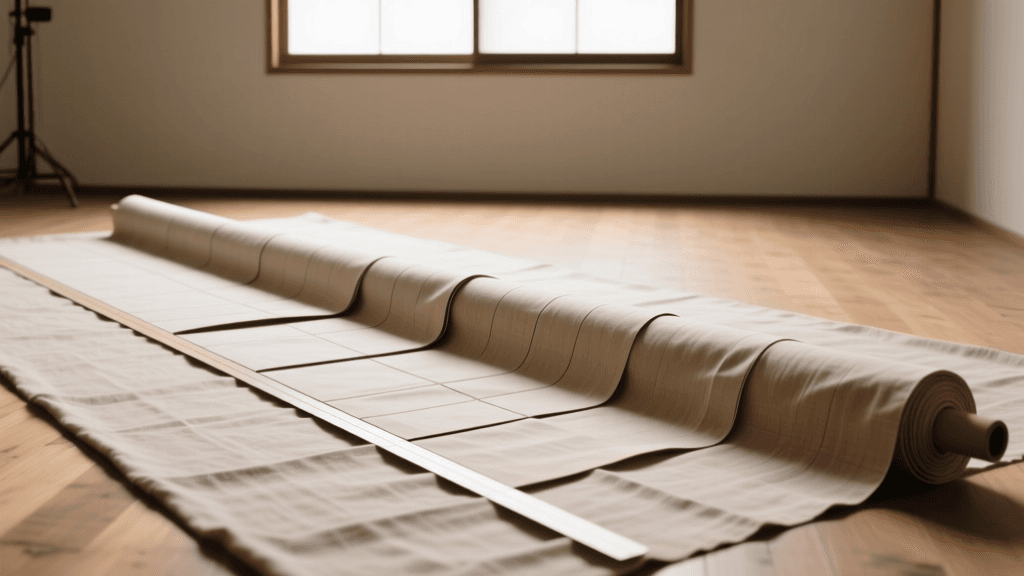
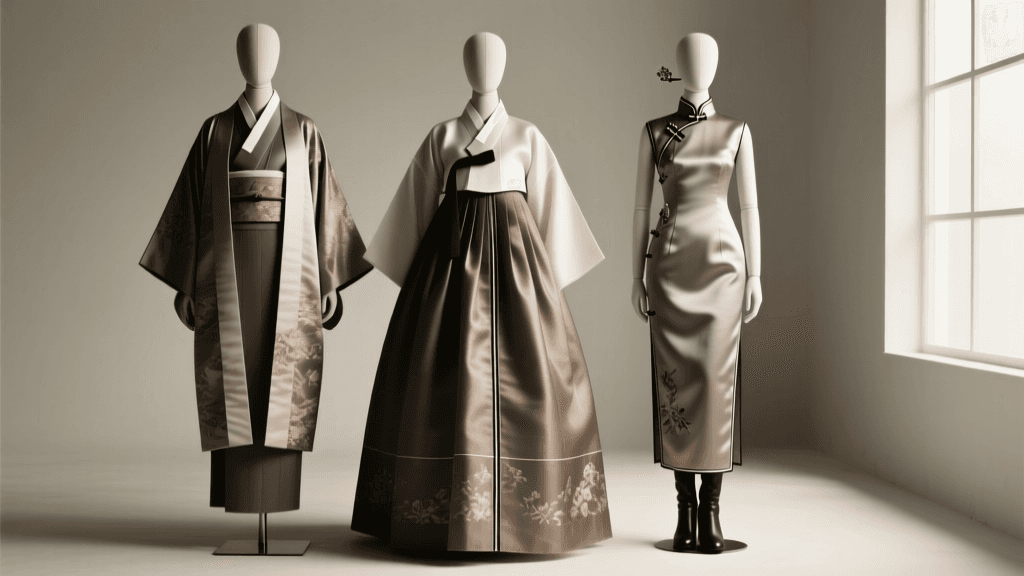
The kimono is defined by its T-shaped, straight-line construction. Unlike Western tailoring, which relies on darts and curved seams to follow the body's contours, the kimono is cut from single bolts of fabric (tanmono) in straight, geometric panels. This results in a flat, rectangular silhouette that wraps around the body, with the left side always overlapping the right. The shape is entirely created by the way it is worn and tied, rather than how it is cut.
The defining accessory of the kimono is the obi, a wide, stiff sash that secures the garment and creates a focal point at the back or front. According to the Victoria and Albert Museum, the kimono's beauty lies not in its three-dimensional form, but in its two-dimensional surface, where intricate dyeing and weaving techniques showcase the artisan's skill.
2026 Styling and Market Trends
In 2026, the kimono rental and bespoke markets in Japan and abroad have seen a massive shift toward sustainable and upcycled textiles. Vintage silk kimonos are being deconstructed and re-tailored into modern formal wear, while contemporary artisans are utilizing eco-friendly, plant-based mordants for traditional Yuzen dyeing. For formal events like weddings or coming-of-age ceremonies, the furisode (long-sleeved kimono for unmarried women) and kurotomesode (black crested kimono for married women) remain the gold standard.
- 2026 Pricing: A high-quality, bespoke silk kimono with a hand-painted obi currently ranges from ¥350,000 to ¥800,000 ($2,300 to $5,300 USD). Premium rental experiences in Tokyo average ¥15,000 to ¥25,000 per day.
- Modern Styling: Minimalist, monochromatic color palettes are trending heavily in 2026, moving away from overly busy patterns in favor of subtle, textured silk weaves and subdued wagara (traditional Japanese patterns).
The Korean Hanbok: Volumetric Grace and Dynamic Curves
Construction and Silhouette
In stark contrast to the linear kimono, the traditional Korean hanbok is celebrated for its volumetric grace and curved lines. The women's hanbok consists of the jeogori (a short, fitted jacket) and the chima (a full, bell-shaped wrap skirt). The men's version pairs the jeogori with baji (roomy, tied trousers). The silhouette is characterized by the baerae, the gentle, curved line of the jeogori's sleeves, and the voluminous lower half that allows for unrestricted movement.
As noted in Britannica's comprehensive guide to Hanbok, the garment's structure is designed to conceal the body's natural shape while emphasizing a sense of flowing, dynamic energy. The hanbok relies on the goreum—long, elegant fabric ties—rather than rigid sashes or buttons to secure the garment.
2026 Styling and Market Trends
The 2026 fashion scene in Seoul has fully embraced the gaeryang hanbok (modernized hanbok). While traditional, heavily layered silk hanboks are reserved for major holidays like Chuseok and Seollal, the modernized versions feature shortened chimas, lighter fabrics like silk organza, and integrated pockets. Designers are blending traditional color theory (obangsaek) with contemporary pastel and muted earth tones.
- 2026 Pricing: A custom-tailored modern formal hanbok from a boutique in Seoul's Bukchon Hanok Village typically costs between ₩300,000 and ₩600,000 ($220 to $450 USD), making it one of the more accessible bespoke options among the three garments.
- Modern Styling: Pairing a traditional jeogori with modern, high-waisted wide-leg trousers or a sleek midi-skirt is a dominant trend for semi-formal events in 2026, bridging the gap between heritage and everyday luxury.
The Chinese Cheongsam (Qipao): Tailored Sophistication
Construction and Silhouette
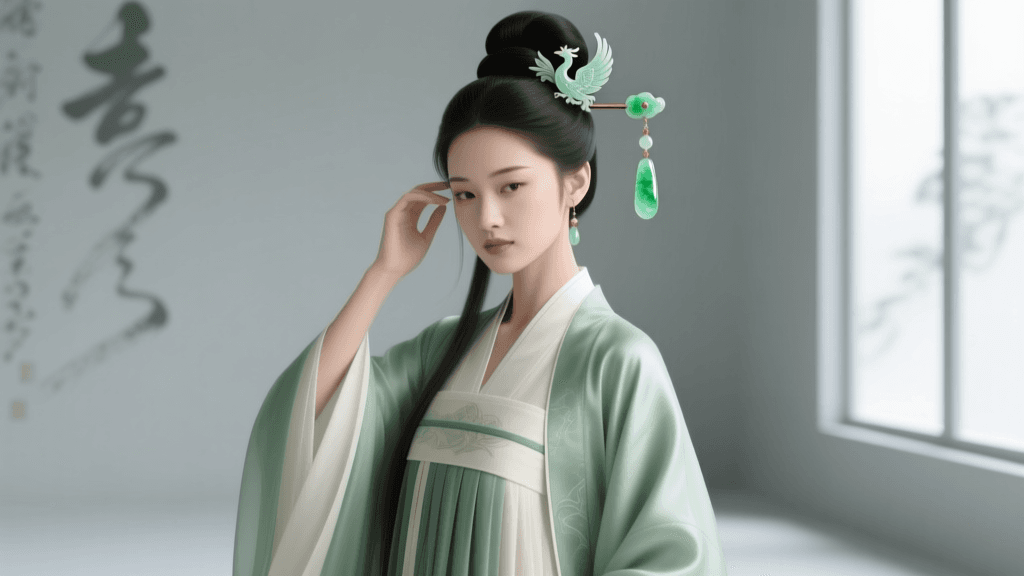
The cheongsam, or qipao, represents the pinnacle of tailored sophistication in East Asian dress. Originating in the 1920s in Shanghai, the modern cheongsam is a form-fitting, one-piece dress that celebrates the natural curves of the body. Key architectural elements include the stiff mandarin collar (stand-up collar), the asymmetrical front flap, the intricate pankou (frog fasteners), and the daring side slits that allow for mobility.
Unlike the kimono or hanbok, which wrap or tie, the cheongsam requires precise Western-style darting and seaming to achieve its skin-skimming fit. Britannica's archive on the Qipao highlights how the garment evolved from a loose, modest Manchu robe into a symbol of modern femininity and cosmopolitan glamour, a legacy that continues to define its formal applications today.
2026 Styling and Market Trends
In 2026, the cheongsam has seen a renaissance in fusion tailoring. Master tailors in Shanghai and Hong Kong are incorporating 3D body-scanning technology to ensure flawless bespoke fits, eliminating the discomfort historically associated with the garment's rigid structure. Stretch-silk blends and lightweight brocades are now standard, allowing for greater ease of movement at formal galas and red-carpet events.
- 2026 Pricing: Bespoke cheongsams from master tailors in Hong Kong or Shanghai start at $800 USD and can easily exceed $3,000 USD for garments featuring hand-embroidered Suzhou silk threads and premium 2026 textile imports.
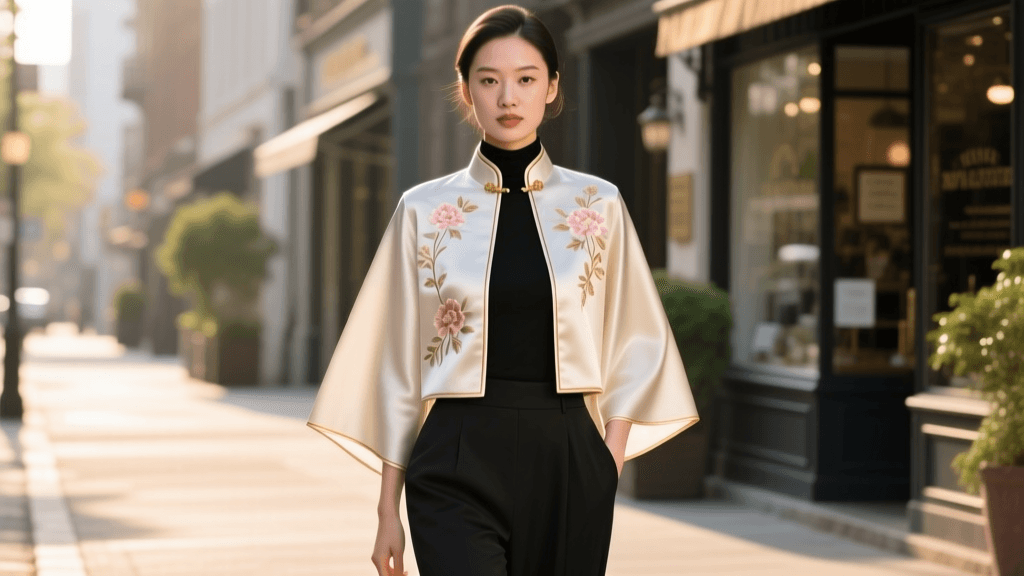
- Modern Styling: The "fusion qipao" is highly sought after in 2026, featuring elements like Western suit lapels, detachable capes, or asymmetrical hemlines, making it a favorite for avant-garde formal wear and high-fashion weddings.
Comprehensive Comparison Chart
| Feature | Kimono (Japan) | Hanbok (Korea) | Cheongsam / Qipao (China) |
|---|---|---|---|
| Silhouette | Linear, T-shaped, rectangular | Volumetric, bell-shaped, curved sleeves | Form-fitting, tailored, body-conscious |
| Primary Fastening | Obi (wide sash), ties (himo) | Goreum (long fabric ties), hidden pins | Pankou (frog knots), hidden zippers |
| Key 2026 Fabric Trend | Upcycled vintage silk, eco-Yuzen dyes | Lightweight silk organza, matte crepes | Stretch-silk blends, 3D-scanned brocades |
| Avg. Bespoke Cost (2026) | $2,300 - $5,300 USD | $220 - $450 USD (Modernized) | $800 - $3,000+ USD |
| Formality Level | Highly regulated by age/marital status | Flexible; ranges from daily to royal court | Universal formal/evening wear |
Practical Guide: Sourcing, Fitting, and Care in 2026
Sourcing and Bespoke Tailoring
If you are looking to invest in any of these garments in 2026, authenticity and fit are paramount. For the cheongsam, seek out established tailoring houses in Shanghai or Hong Kong that offer 3D scanning and multiple fitting sessions; the garment's tight tolerances leave no room for error. For the kimono, unless you are highly trained in kitsuke (the art of dressing), it is highly recommended to purchase from vendors who offer pre-tied obi or modern, easy-wear two-piece kimono sets for formal events. For the hanbok, modernized boutiques in Seoul offer the best balance of traditional aesthetics and contemporary comfort, often providing ready-to-wear sizing with custom tailoring adjustments included in the price.
Modern Care and Maintenance
Heritage garments require specialized care to maintain their structural integrity and vibrant dyes. In 2026, the standard for all three garments is professional, eco-friendly dry cleaning. Never machine wash silk kimono or cheongsam fabrics, as the water will destroy the crispness of the silk and cause the pankou knots or obi to warp.
Storage has also evolved. While traditional tansu (wooden chests) are still prized by collectors, most modern owners utilize breathable, acid-free cotton garment bags stored in climate-controlled environments. For the hanbok, it is crucial to hang the chima by its waistband rather than folding it, to preserve the voluminous pleats and prevent permanent creasing along the silk grain.
Conclusion
Choosing between the kimono, hanbok, and cheongsam in 2026 is ultimately a decision between three distinct philosophies of beauty: the structured, surface-level artistry of Japan; the dynamic, volumetric grace of Korea; and the tailored, sophisticated silhouette of China. By understanding the unique construction, current market trends, and proper care for each garment, you can confidently select and style the perfect piece of Asian heritage fashion for any formal occasion.