Everyday Hanbok 2026: Styling the Modern Jeogori with Denim
The Global Rise of the Everyday Hanbok in 2026
The global fashion landscape in 2026 has fully embraced the integration of heritage garments into daily wardrobes, moving traditional Asian dress out of ceremonial closets and onto the streets. Among the most prominent examples of this cultural renaissance is the Korean hanbok. Once reserved primarily for major holidays like Chuseok and Seollal, or worn during weddings, the hanbok has undergone a radical, practical transformation. Today, the modern hanbok is a staple of contemporary streetwear and business-casual attire, championed by global style influencers and Seoul-based designers who prioritize both heritage and utility.
At the heart of this movement is the jeogori, the traditional upper garment of the hanbok. While the traditional jeogori is characterized by its sweeping, curved hem and long, intricate ties, the 2026 iteration is reimagined for the modern commuter. By understanding how to pair a modern jeogori with contemporary staples like selvedge denim and tailored trousers, you can create a wardrobe that honors Asian traditions while remaining firmly rooted in modern sartorial trends.
The Anatomy of the 2026 Modern Jeogori
To successfully mix traditional pieces with modern clothing, one must first understand the structural shifts that define the contemporary jeogori. According to Encyclopedia Britannica, the traditional hanbok is defined by its vibrant colors, simple lines, and lack of pockets, historically reflecting the social status and marital status of the wearer. However, the 2026 modern jeogori strips away the rigid formality while retaining the iconic silhouette.
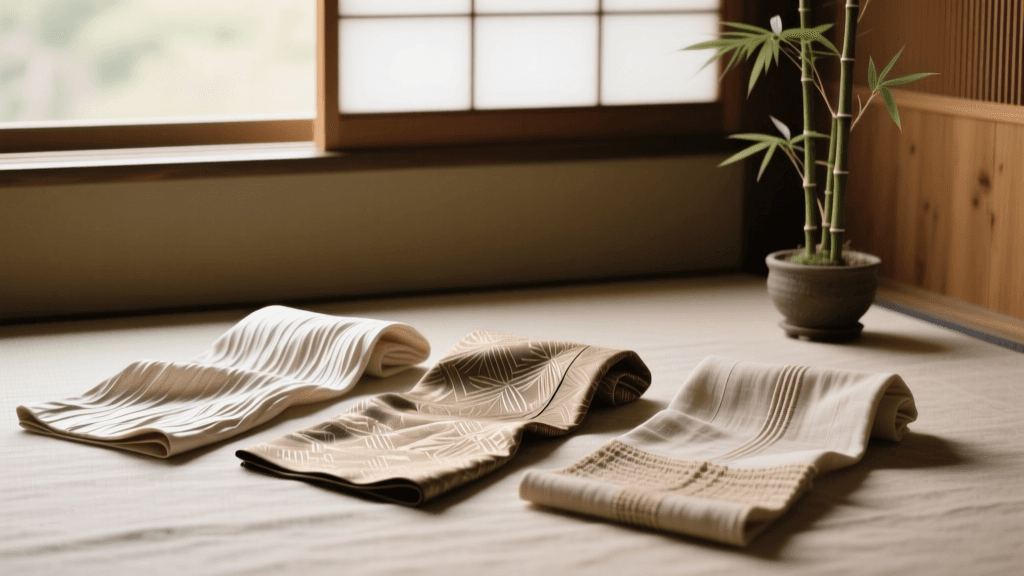
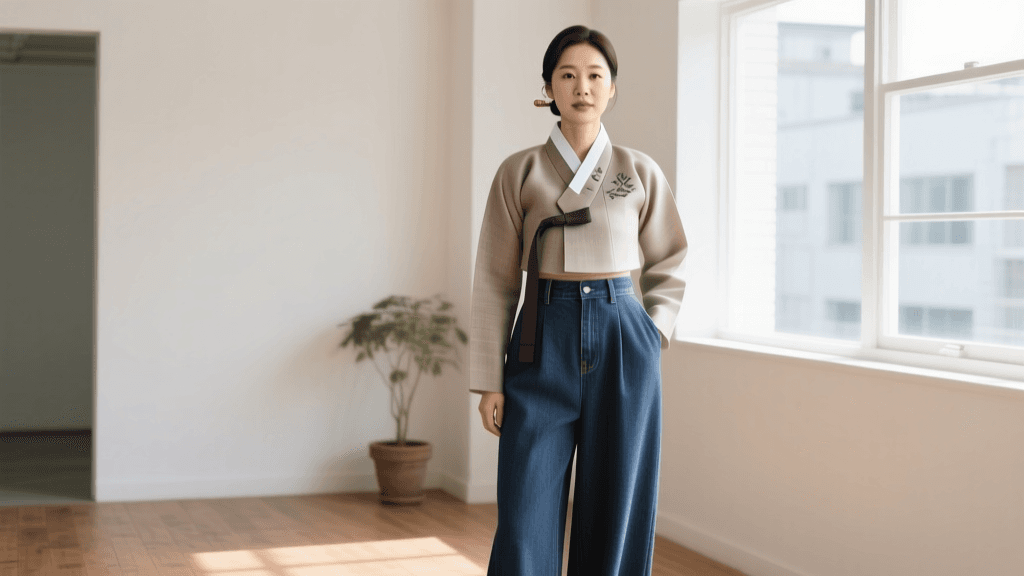
Modern designers have shortened the hemline to sit flush at the natural waist or high hip, making it an ideal crop-top alternative that pairs perfectly with high-waisted bottoms. The traditional goreum (the long, sweeping front ties) has been replaced or supplemented by hidden snap buttons, delicate hook-and-eye closures, or much shorter, streamlined ribbons. Furthermore, 2026 fabric innovations have introduced washable silk blends, structured organic cottons, and eco-friendly Tencel-silk mixes, allowing the garment to withstand the rigors of daily wear without requiring specialized dry cleaning.
The Streetwear Formula: Jeogori Meets Contemporary Denim
The most striking way to style a modern jeogori in 2026 is by contrasting its delicate, historical lines with the rugged, utilitarian nature of contemporary denim. This juxtaposition creates a visually dynamic outfit that bridges centuries of fashion history.
1. The High-Waisted Wide-Leg Silhouette
Because the modern jeogori is typically cropped, it demands a high-waisted bottom to maintain modesty and proportion. In 2026, the dominant denim trend is the structured, wide-leg trouser jean. Pairing a pastel-colored silk-blend jeogori (such as soft celadon or muted lavender) with rigid, raw indigo wide-leg denim creates a stunning visual balance. The stiffness of the raw denim grounds the ethereal quality of the silk, while the high waistband seamlessly meets the jeogori's hemline, creating an unbroken vertical line that elongates the legs.
2. Layering with Denim Jackets and Shackets
For transitional weather, the modern jeogori serves as an exceptional mid-layer. A lightweight, unlined cotton jeogori can be worn over a simple white ribbed tank top, layered beneath an oversized, faded vintage denim shacket (shirt-jacket). Leaving the shacket unbuttoned allows the jeogori's collar—often featuring subtle traditional embroidery or contrasting piping—to frame the face and add a pop of heritage color to an otherwise casual streetwear ensemble.
3. Color Theory and Eco-Indigo
The Metropolitan Museum of Art notes in its Heilbrunn Timeline of Art History that traditional Korean dress heavily utilized the principles of obangsaek (the five traditional colors representing the elements). You can nod to this history by pairing a jeogori in a traditional hue—such as deep crimson or vibrant ochre—with modern eco-dyed denim. In 2026, sustainable fashion brands are utilizing natural indigo and plant-based dyes, resulting in denim with rich, complex undertones that harmonize beautifully with naturally dyed heritage garments.
Office-Appropriate Elegance: Tailored Trousers and Crepe
While denim rules the weekend, the modern jeogori has also found a permanent home in the 2026 business-casual office. The key to translating the jeogori into professional attire lies in fabric weight and tailoring.
Opt for a jeogori crafted from structured crepe, heavy matte satin, or a wool-silk blend. These fabrics drape more like a traditional blazer than a delicate blouse. Pair a monochromatic set—for example, a navy blue structured jeogori with matching navy high-waisted, pleated tailored trousers. The matching set mimics the traditional concept of the hanbok as a coordinated top-and-bottom ensemble, but the tailored, wide-leg cut of the trousers reads as a modern power suit.
To complete the office look, replace the traditional goreum tie with a minimalist silk scarf knotted loosely at the neck, or rely entirely on the garment's hidden closures for a sleek, uninterrupted front panel. This approach respects the garment's origins while adhering to contemporary corporate dress codes.
Traditional vs. Modern Jeogori: A Structural Comparison
Understanding the differences between historical and contemporary iterations is crucial for styling. The table below outlines the key structural and material shifts that make the 2026 jeogori suitable for everyday mixing.
| Feature | Traditional Jeogori | 2026 Modern Jeogori |
|---|---|---|
| Hemline | Below the bust, dramatically curved | Cropped at natural waist or extended to high hip |
| Closure | Goreum (long, wide fabric ties) | Hidden snaps, metal hooks, or short ribbon ties |
| Fabric | Raw silk, hemp, ramie, brocade | Washable silk blends, structured cotton, cupro, Tencel |
| Sleeve Cut | Wide, sweeping, often restricting arm movement | Tapered, set-in sleeves, or relaxed drop-shoulder |
| Care | Dry clean only, specialized pressing required | Machine washable (gentle cycle), steam refresh |
| Price Range (USD) | $300 - $1,500+ (Ceremonial) | $120 - $350 (Everyday Designer) |
Footwear, Accessories, and the Modern Norigae
No outfit is complete without footwear and accessories, and mixing traditional Asian garments with modern wardrobes requires a careful balance of proportions.
Footwear Pairings
Avoid traditional hwa (silk shoes) when wearing denim or tailored trousers, as this can push the outfit into costume territory. Instead, anchor the modern jeogori with contemporary footwear. In 2026, chunky leather loafers, retro-inspired running sneakers, and sleek Chelsea boots are the preferred choices. A pair of pristine, minimalist white leather sneakers adds a sporty edge to a silk jeogori and denim combination, instantly signaling that the outfit is a deliberate, modern styling choice rather than a historical reenactment.
Reimagining the Norigae
The norigae is a traditional Korean tassel accessory historically hung from the goreum tie to signify status and ward off evil spirits. The Victoria & Albert Museum's extensive Asian collections archive highlights the intricate knotting and metalwork of historical norigae. In 2026, modern jewelers and accessories designers have miniaturized the norigae, turning it into a subtle bag charm, a delicate pendant on a gold chain, or a sleek enamel pin that can be attached to the lapel of a structured jeogori or even the pocket of a denim jacket. This allows you to carry the cultural symbolism of the accessory without overwhelming the clean lines of a modern outfit.
Sourcing, Pricing, and Garment Care in 2026
The accessibility of modern hanbok has expanded significantly. While Seoul's Bukchon Hanok Village remains a hub for bespoke traditional tailors, a new wave of digital-first Korean heritage brands are shipping globally, offering 2026 collections specifically designed for Western and global wardrobes. Expect to invest between $150 and $300 USD for a high-quality, everyday modern jeogori from a reputable contemporary designer. Mass-market fast-fashion imitations are available for under $60, but these often lack the structural integrity, proper collar shaping, and sustainable fabric blends that define authentic modern interpretations.
Care Instructions for Mixed Wardrobes
One of the greatest advantages of the 2026 modern jeogori is its ease of care. Unlike traditional raw silks that water-spot and wrinkle instantly, modern blends are designed for the active consumer. When washing a cotton or Tencel-blend jeogori, always use a mesh laundry bag, wash on a cold, delicate cycle with a pH-neutral detergent, and lay flat to dry. To maintain the crispness of the collar and the subtle curve of the hem, use a handheld garment steamer rather than a traditional iron, which can crush the delicate fibers and leave unwanted shine marks. Store the garment on a padded hanger to preserve the shoulder structure, ensuring it remains a versatile, go-to piece in your modern wardrobe for years to come.
Conclusion
Mixing traditional Asian pieces with modern wardrobes is not about diluting history; it is about keeping it alive through daily practice. By pairing the modern jeogori with contemporary denim, tailored trousers, and minimalist accessories, you participate in a global fashion dialogue that respects the past while designing for the future. The 2026 approach to the hanbok proves that heritage garments are not relics to be preserved under glass, but dynamic, beautiful, and highly wearable components of the modern global closet.