Mamianqun Styling Guide 2026: Mix Hanfu With Modern Wear
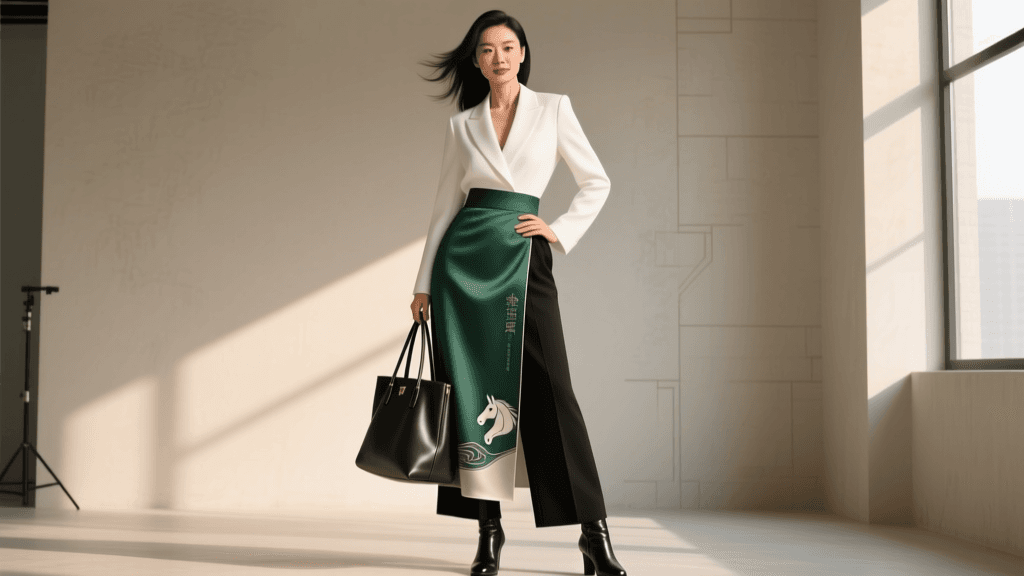
The Renaissance of the Horse-Face Skirt
The intersection of heritage and contemporary fashion has never been more vibrant than in 2026. At the forefront of this sartorial evolution is the 'Xin Zhong Shi' (New Chinese Style) movement, which has successfully transitioned from a niche historical subculture to a mainstream global wardrobe staple. The undisputed star of this movement is the Mamianqun, or 'horse-face' skirt. Originally popularized during the Ming and Qing dynasties, this structurally ingenious garment is now being reimagined by modern stylists, designers, and fashion enthusiasts worldwide. Mixing traditional Asian pieces with modern wardrobes requires a nuanced understanding of proportion, fabric drape, and historical context. In this comprehensive guide, we explore how to seamlessly integrate the Mamianqun into your 2026 capsule wardrobe, whether you are dressing for a corporate boardroom, an urban streetwear photoshoot, or an elegant evening gala.
Structural Brilliance: Why the Mamianqun Works Today
To style the Mamianqun effectively, one must first understand its unique architecture. As detailed in the comprehensive garment archives of Wikipedia's Mamianqun entry, the skirt's defining feature is its combination of flat front and back panels (known as guangmian) flanked by tightly folded side pleats. Unlike a standard pleated midi skirt that expands uniformly around the body, the Mamianqun remains flat against the stomach and lower back while the side pleats offer dynamic movement and volume only when walking.
This structural brilliance is precisely what makes it so compatible with modern tailoring. The flat panels prevent the 'bulking' effect often caused by gathered waistbands, allowing the skirt to sit smoothly under structured blazers or long wool coats. Furthermore, the overlapping side slits provide ease of movement that rivals modern athletic or wrap skirts. In 2026, designers have adapted this historical silhouette by introducing adjustable hardware, hidden elasticized waistbands, and varied hem lengths, making the garment far more accessible for daily wear while retaining its iconic visual rhythm.
2026 Styling Blueprints: Office, Streetwear, and Evening
The Corporate Capsule (Office Wear)
Integrating heritage garments into a professional environment requires a balance of modesty and modern minimalism. For the 2026 office, opt for a midi-length Mamianqun (falling just below the calf) in a muted, monochromatic palette such as charcoal, deep plum, or navy. The fabric should be a matte jacquard or a heavy crepe that drapes elegantly without catching the light too aggressively. Pair this with a crisp, oversized white poplin button-down shirt, leaving the top two buttons undone for a relaxed yet professional vibe. Tuck the shirt in completely to highlight the skirt's flat front panel. Layer with an oversized, drop-shoulder blazer in a complementary neutral tone. Footwear should remain grounded and contemporary: think chunky leather loafers or pointed-toe Mary Janes with a subtle metallic hardware accent. This combination respects the garment's traditional dignity while aligning perfectly with current power-dressing silhouettes.
Urban Streetwear (Casual Crossovers)
The streetwear scene in 2026 thrives on juxtaposition, and the Mamianqun offers a striking contrast to utilitarian and grunge-inspired pieces. For a weekend look, select a shorter, A-line version of the skirt featuring bold, contemporary embroidery or metallic woven threads. Contrast the skirt's intricate patterns with a distressed, heavyweight graphic knit sweater or a vintage-wash cropped leather moto jacket. The key to pulling off this look is proportion play: if the skirt is voluminous, keep the top half slightly cropped or tucked to define the waist. Complete the outfit with chunky platform sneakers or lace-up combat boots. Accessorize with a utilitarian crossbody bag and minimalist silver jewelry to bridge the gap between ancient craftsmanship and modern urban edge.
Elevated Evening (Formal and Gala)
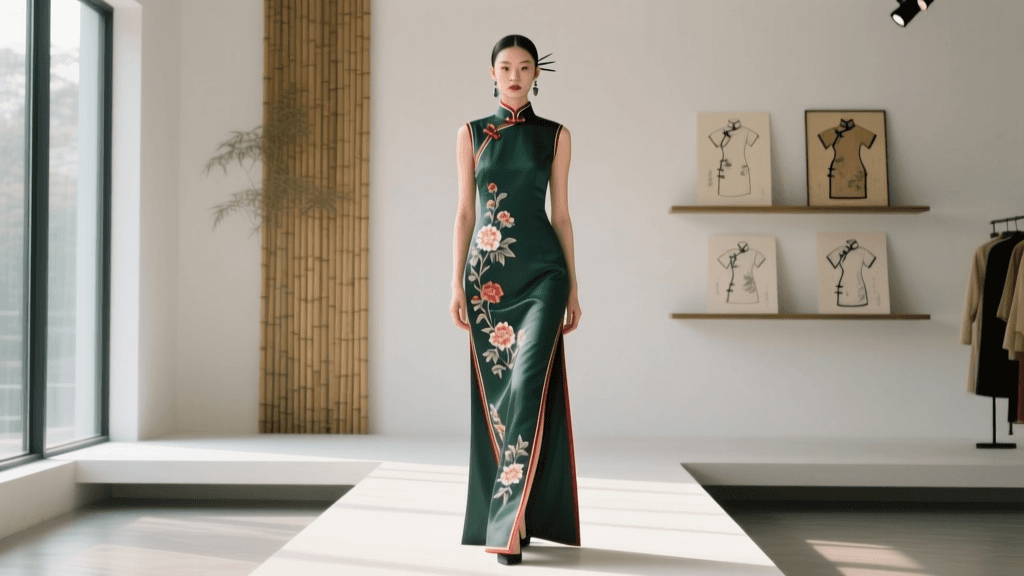
For evening wear, the Mamianqun transforms into a show-stopping centerpiece. Choose a floor-length iteration crafted from silk organza, heavy brocade, or modern tech-satin. The flat panels of the skirt provide the perfect canvas for elaborate, auspicious motifs like soaring cranes, blooming peonies, or geometric lattice patterns. Pair the skirt with a modern, structured corset top or a sleek, high-neck silk camisole. According to historical textile records from the Metropolitan Museum of Art's Heilbrunn Timeline of Art History, the Ming Dynasty saw the codification of many luxurious garment structures and motifs that still inspire today's formal wear. By keeping the top half minimalist and contemporary, you allow the historical artistry of the skirt's weave and pleats to command the room.
Traditional vs. Modernized Mamianqun: A 2026 Comparison
When shopping for your first horse-face skirt, it is crucial to understand the differences between historical reproductions and modern adaptations. The table below outlines the key distinctions to help you choose the right piece for your lifestyle.
| Feature | Traditional (Ming/Qing Era) | Modernized (2026 Market) | Best Modern Pairing |
|---|---|---|---|
| Waistband | White cotton/linen tie-band | Elasticated back with hidden side zipper | Tucked-in crisp button-downs |
| Length | Floor-sweeping (ankle) | Midi, tea-length, and mini variations | Midi for office, mini for streetwear |
| Fabric | Heavy silk brocade, woven jacquard | Wrinkle-resistant poly-blends, Tencel, tech-satin | Poly-blends for daily commute, silk for galas |
| Pleat Structure | Loose knife pleats, hand-pressed | Heat-set permanent pleats, tighter density | Structured blazers and heavy knitwear |
Accessorizing: Bridging the Centuries
The accessories you choose can either anchor your Mamianqun in history or propel it firmly into the future. In 2026, the trend of 'quiet luxury' pairs beautifully with traditional Asian garments. Instead of overly ornate, costume-like hairpieces, opt for modernized jade hairpins or minimalist gold cuff earrings. When it comes to bags, avoid traditional embroidered pouches for daily wear; instead, choose structured leather top-handle bags or sleek shoulder bags that mimic the clean lines of the skirt's flat panels. Belts are generally discouraged, as they disrupt the natural drape of the waistband and obscure the overlapping pleat structure. Let the skirt's intricate waistband detailing serve as the focal point of your midsection.
Fabric Innovations and Seasonality
The versatility of the Mamianqun in 2026 is largely due to advancements in textile manufacturing. While traditional silk and cotton remain popular for spring and summer, modern weavers have introduced wrinkle-resistant polyester blends, breathable Tencel, and even lightweight wool blends for autumn and winter. For colder months, layering is essential. The flat front of the skirt allows you to wear thermal leggings or fleece-lined tights underneath without disrupting the skirt's outer silhouette. Pair a heavy jacquard Mamianqun with a fitted turtleneck and a tailored wool overcoat for a sophisticated winter ensemble. The broader Hanfu movement, which has evolved into today's mainstream 'New Chinese Style', is deeply rooted in historical revivalism, a cultural shift extensively documented by institutions like the Metropolitan Museum of Art's Department of Asian Art, highlighting how ancient textiles continue to inform modern material science and fashion design.
Sourcing, Fit, and Garment Care
Sourcing an authentic yet wearable Mamianqun requires navigating both specialized Hanfu boutiques and mainstream contemporary brands that have adopted the Xin Zhong Shi aesthetic. When purchasing online, always check the 'skirt length' measurement against your own waist-to-floor measurement, as the visual impact of the pleats is entirely dependent on the hem hitting the correct point on your leg. For fit, the waistband should sit comfortably at your natural waist; modern versions often include hidden side zippers and hook-and-eye closures for a secure, customized fit.
Essential Care Instructions
Garment care is paramount to preserving the sharp, knife-edge pleats of the Mamianqun. Follow these strict guidelines to ensure longevity:
- Cleaning: For silk or intricate brocade pieces, professional dry cleaning is non-negotiable. For modern synthetic blends, a gentle cold-water hand wash followed by flat drying is recommended. Never wring or twist the fabric, as this will permanently distort the pleat alignment.
- Ironing: If the pleats begin to relax, use a low-heat steam iron. Carefully pin the pleats into their original folds on an ironing board and press gently with a protective cloth barrier between the iron and the fabric.
- Storage: Hang the skirt using clips attached to the waistband to allow gravity to maintain the pleat structure. Alternatively, fold it carefully along the existing pleat lines and store it flat in a breathable cotton garment bag to prevent dust accumulation and fabric stress.
By understanding the rich history and structural genius of the Mamianqun, you can effortlessly weave this masterpiece of Asian tradition into your modern 2026 wardrobe, creating looks that are both culturally resonant and undeniably chic.