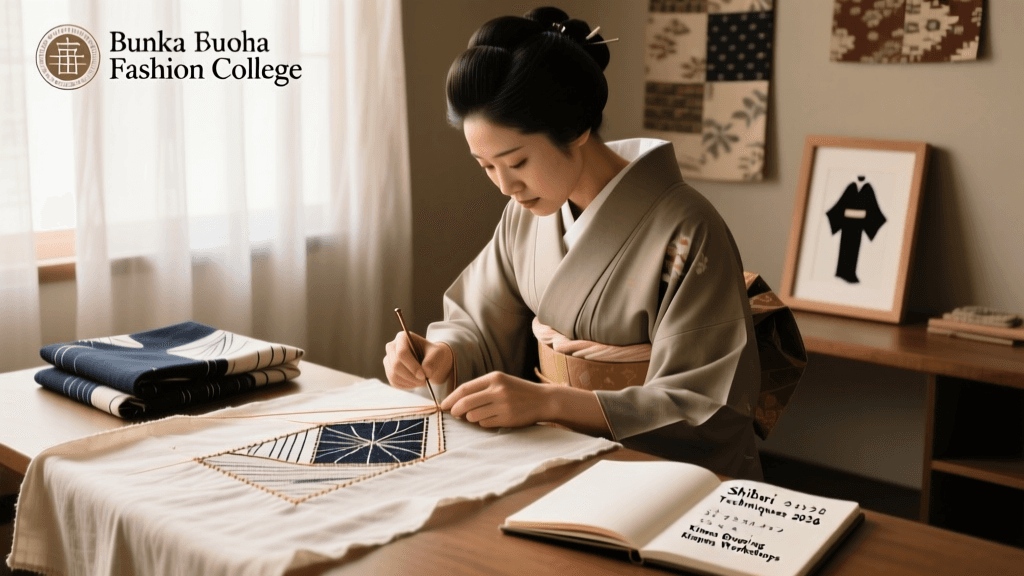
Sustainable Japanese Natural Dye Plants: 2026 Eco Methods
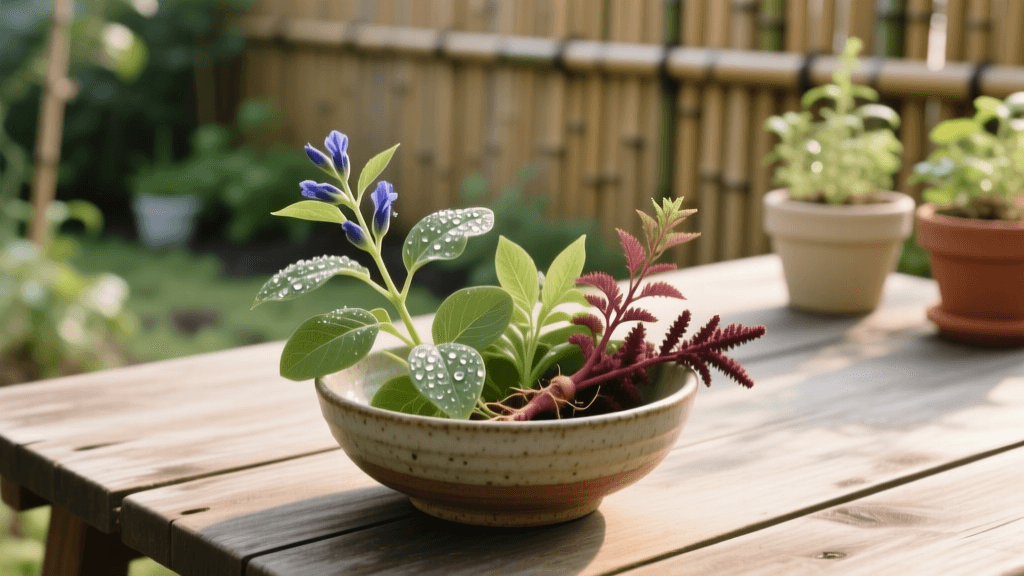
The Renaissance of Kusaki-zome in 2026
As the global fashion and textile industries face increasing scrutiny over environmental degradation, the ancient Japanese art of Kusaki-zome (plant dyeing) is experiencing a massive resurgence in 2026. Historically, synthetic petrochemical dyes have been responsible for roughly 20% of global industrial water pollution. However, modern artisans and eco-conscious hobbyists are turning back to the earth, utilizing traditional Japanese natural dye plants to create vibrant, colorfast textiles without the toxic runoff. According to the United Nations Environment Programme (UNEP), the shift toward regenerative agriculture and closed-loop dye systems is one of the most critical steps in achieving circular fashion by the end of the decade.
In 2026, cultivating your own Japanese dye garden is no longer just a niche historical hobby; it is a practical, sustainable lifestyle choice. With updated organic farming techniques and non-toxic mordanting methods, home dyers can produce museum-quality colors while actively sequestering carbon and enriching local soil. This guide explores the most effective Japanese natural dye plants, eco-friendly mordant alternatives, and water conservation strategies for the modern home studio.
Top Japanese Dye Plants for the 2026 Regenerative Garden
When planning a sustainable dye garden, it is essential to select plants that offer high pigment yields, require minimal chemical intervention, and support local pollinators. Here are the cornerstone plants of Japanese natural dyeing that are thriving in 2026 garden setups.
1. Ai (Japanese Indigo)
Persicaria tinctoria, commonly known as Japanese Indigo, remains the undisputed king of natural blue dyes. Unlike tropical indigo varieties, Ai thrives in temperate climates and can be grown in large containers or raised beds. The 2026 Regenerative Textile Initiative in Tokushima, Japan, has popularized a method of companion planting Ai with nitrogen-fixing legumes, which naturally fertilizes the soil without synthetic inputs. For home growers, a 4x4-foot raised bed can yield enough fresh leaves (roughly 5 to 7 pounds) to dye several yards of cotton or silk a deep, rich navy.
2. Akane (Japanese Madder)
Rubia argyi is a perennial climbing plant that yields brilliant reds, oranges, and terracottas from its deep root system. Because it is a perennial, Akane is an excellent choice for low-maintenance, long-term sustainable gardens. The roots are typically harvested after three years of growth. In 2026, organic Akane root powder is widely available from heritage seed banks, but growing your own ensures a zero-carbon-footprint pigment source. The plant's small, star-shaped flowers also attract vital pollinators to your garden ecosystem.
3. Kakishibu (Persimmon Tannin)
While not a garden plant you grow specifically for dye extraction, Kakishibu is a cornerstone of Japanese eco-dyeing. It is created by fermenting the juice of unripe, astringent persimmons. In 2026, many home dyers partner with local orchards to upcycle fallen, unripe persimmons that would otherwise go to waste. The resulting tannin-rich liquid acts as both a dye (producing beautiful earthy browns and greys when exposed to UV light) and a natural fabric stiffener and water-repellent, eliminating the need for synthetic DWR (Durable Water Repellent) coatings on outdoor garments.
Eco-Friendly Mordanting: Ditching Heavy Metals
A mordant is a substance used to set dyes on fabrics by forming a coordination complex with the dye, which then attaches to the fabric. Historically, heavy metals like chrome and tin were used, but these are highly toxic and environmentally devastating. Even traditional alum (potassium aluminum sulfate), while relatively safe for humans, requires destructive mining practices. The 2026 standard for eco-friendly Kusaki-zome relies on bio-mordants and plant-based alternatives.
Symplocos: The Plant-Based Alum
Symplocos is a genus of shrubs whose leaves naturally accumulate aluminum from the soil. By simmering dried Symplocos leaves, dyers can extract a natural, plant-based alum mordant. This completely bypasses the need for mined aluminum sulfate. A standard eco-mordant bath in 2026 uses 30% weight of fabric (WOF) in dried Symplocos leaves, simmered at 180°F (82°C) for one hour. The leftover leaf matter is then composted, returning nutrients to the earth.
Soy Milk Protein Binder
For cellulose fibers like cotton, linen, and hemp, which are notoriously difficult to dye with natural plant pigments, soy milk acts as an incredible, zero-waste protein binder. The Ellen MacArthur Foundation frequently highlights protein-based fiber treatments as a key innovation in reducing chemical reliance in textile processing. By soaking cotton fabric in a 1:10 ratio of organic soy milk to water, the plant proteins bind to the cellulose, creating a receptive surface for natural dyes like Akane and Ai without any metallic salts.
The 2026 Standard: Non-Toxic Indigo Reduction
Traditional Japanese indigo vats (Sukumo) rely on complex bacterial fermentation that can be difficult to maintain in a modern home. Furthermore, older chemical reduction methods used sodium hydrosulfite (thiox), which produces toxic sulfur fumes and hazardous wastewater. Today, the global eco-dyeing community has universally adopted the '1-2-3 Fructose Vat' for home use. This method uses naturally occurring sugars to remove oxygen from the dye bath, making the indigo soluble.
The 1-2-3 Fructose Vat Recipe
- 1 Part: Natural Indigo Pigment (extracted from your Ai harvest or sourced from organic farms)
- 2 Parts: Calcium Hydroxide (Pickling Lime) - an eco-friendly, non-toxic alkaline agent
- 3 Parts: Fructose (Fruit Sugar) - the reducing agent that removes oxygen
To create a 5-gallon home vat, mix 25g of indigo pigment, 50g of calcium hydroxide, and 75g of fructose in a small amount of hot water. Add this paste to your 5-gallon bucket of warm water (120°F / 50°C). Stir gently to avoid adding oxygen, cover tightly, and let it sit for 24 hours. The liquid will turn a yellow-green, indicating it is ready for dyeing. When you are finished with the vat for the season, the alkaline water can be safely neutralized with white vinegar and poured onto your garden to adjust soil pH for acid-loving plants.
Water Conservation in the Home Dye Studio
Natural dyeing requires significant amounts of water for scouring, mordanting, dyeing, and rinsing. In 2026, sustainable studios operate on closed-loop water systems. According to the Missouri Botanical Garden, cultivating dye plants like Persicaria tinctoria at home allows you to integrate your dye practice with your garden's irrigation needs.
Actionable Water-Saving Steps:
- Sequential Bathing: Always scour (clean) your fabrics first, then use that same warm, soapy water to pre-wash your next batch of raw textiles.
- Mordant Reuse: Symplocos and alum mordant baths can be reused up to three times. Simply replenish the water and add 50% of the original mordant amount for subsequent batches.
- Greywater Routing: The final rinse water from a natural dye bath (once the pH is neutralized) is rich in trace plant minerals and can be safely routed to irrigate ornamental garden beds, ensuring not a single drop goes to the municipal sewer.
Comparison Chart: Eco-Impact of Traditional Japanese Dyes
The following table outlines the primary Japanese dye plants, their botanical profiles, and their specific ecological benefits for the 2026 sustainable homestead.
| Plant Name | Botanical Name | Primary Color | Eco-Benefit & 2026 Application | Est. Seed/Root Cost |
|---|---|---|---|---|
| Ai (Indigo) | Persicaria tinctoria | Deep Blue | Annual; improves soil structure; non-toxic fructose vat reduction. | $6.00 / packet |
| Akane (Madder) | Rubia argyi | Red / Orange | Perennial; deep roots prevent soil erosion; supports pollinators. | $15.00 / root crown |
| Kariyasu (Weld) | Miscanthus tinctorius | Bright Yellow | Native grass; drought-tolerant; requires minimal water to cultivate. | $8.50 / packet |
| Kurumi (Walnut) | Juglans ailantifolia | Warm Brown | Upcycles fallen hulls; requires zero heat or mordant to set color. | Foraged / Free |
| Kakishibu | Diospyros kaki | Earth / Grey | Upcycles agricultural fruit waste; acts as natural fabric waterproofing. | $22.00 / liter |
Conclusion: Weaving a Sustainable Future
The practice of Kusaki-zome is a profound reminder that true luxury in fashion and textiles lies in harmony with nature. By embracing Japanese natural dye plants, utilizing plant-based mordants like Symplocos, and implementing closed-loop water systems, modern artisans are proving that vibrant, lasting colors do not require environmental sacrifice. As we move through 2026, the integration of these ancient techniques with modern ecological science offers a beautiful, tangible path toward a regenerative and deeply sustainable textile future. Whether you are dyeing a single silk scarf or cultivating a backyard indigo farm, every natural dye pot is a step toward a cleaner, greener planet.