Modern Kimono Styling for Weddings, Galas, and Evening Parties
The Renaissance of Kimono in Modern Evening Wear
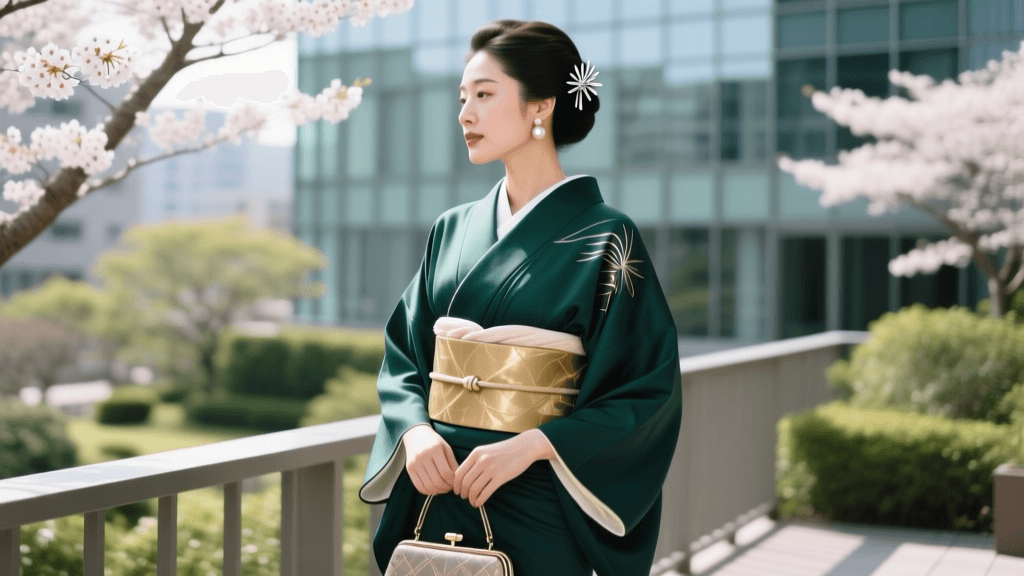
The traditional Japanese kimono has long been celebrated for its meticulous craftsmanship, seasonal motifs, and deep cultural significance. However, as global fashion increasingly embraces cross-cultural elegance, the kimono is experiencing a renaissance beyond its traditional boundaries. Today, fashion-forward individuals and cultural enthusiasts are styling kimono for modern evening events, including Western-style weddings, charity galas, and upscale cocktail parties. This shift represents a beautiful fusion of heritage and contemporary aesthetics.
According to the Victoria and Albert Museum's landmark 'Kimono: Kyoto to Catwalk' exhibition, the kimono has always been a dynamic garment, influencing and being influenced by global fashion trends. When styling a kimono for a modern evening affair, the key lies in balancing strict traditional formalities with contemporary sartorial flair. This guide provides actionable advice on selecting the right garments, adjusting measurements for modern footwear, and accessorizing for a sophisticated evening look.
Choosing the Right Kimono for the Occasion
Weddings: Navigating Formality as a Guest
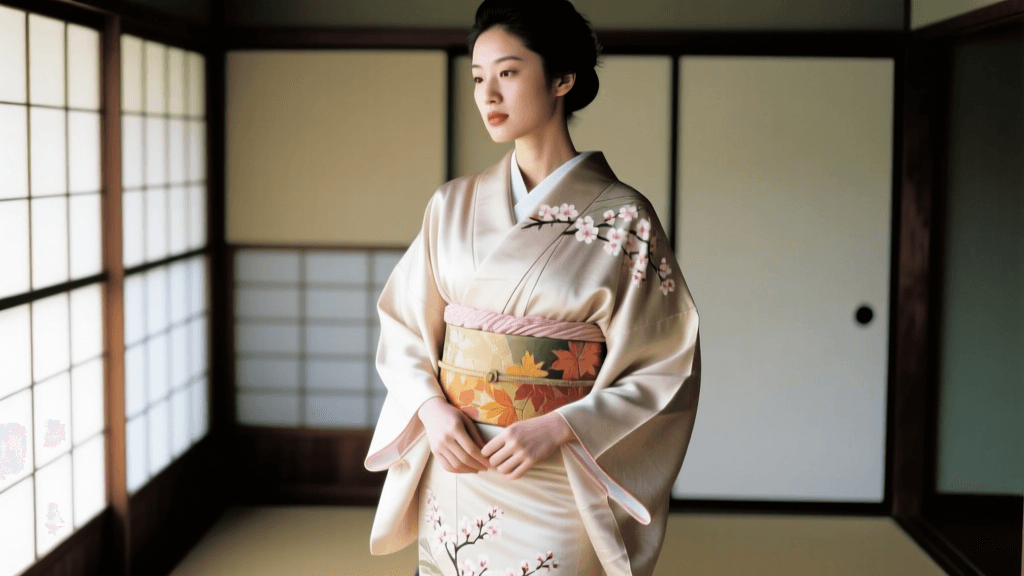
Attending a wedding in a kimono is a profound way to honor the couple and the occasion, but it requires strict adherence to formality levels. For female guests, the Houmongi (visiting wear) is the gold standard. Characterized by continuous patterns that flow across the seams of the skirt and sleeves, the Houmongi is highly formal but stops short of the bridal Shiromuku or Uchikake.
Another excellent choice is the Tsukesage, which features patterns that do not cross the seams, making it slightly less formal but perfectly acceptable for wedding receptions. Crucially, guests must avoid wearing pure white (reserved for the bride) and overly flashy gold or silver brocades that might upstage the bridal party. Opt for rich, jewel-toned silks like deep emerald, plum, or navy, adorned with subtle metallic thread work (surihaku) that catches the evening light.
Galas and Cocktail Parties: The Modern Fusion
For evening galas, art gallery openings, or cocktail parties, the rules relax, allowing for more creative expression. While a formal Houmongi is always appropriate, many modern stylists opt for high-end Komon (all-over repeating pattern) or Edokomon (micro-patterns that appear solid from a distance) paired with an exceptionally luxurious, heavily brocaded Fukuro obi. This contrast between a relatively understated kimono and a show-stopping obi creates a chic, modern silhouette perfect for a cocktail setting.
Essential Measurements and Tailoring for Heels
One of the most significant challenges in modernizing the kimono is adapting it for Western-style evening wear, particularly high heels. Traditionally, a kimono is worn with flat zori sandals, and the length is adjusted via the ohashori (the fold at the waist) so that the hem grazes the ankle bone.
When wearing heels (ranging from 2 to 4 inches), the standard measurement will result in a hem that is dangerously short and prone to tripping. To solve this, modern kimono dressers utilize a technique called waist-padding combined with a deeper, hidden ohashori to elongate the skirt.
- Standard Kimono Length: Typically calculated as the wearer's height multiplied by 0.8 (e.g., a 160cm tall person wears a 128cm length kimono).
- Heel Adjustment: Add 5 to 10 centimeters to the standard length requirement depending on heel height.
- The Modern Hemline: For evening gowns and cocktail events, it is now stylistically acceptable to let the kimono hem fall slightly longer, gently sweeping the floor or resting just at the top of the heel, mimicking the train of a Western evening gown.
The Art of the Obi: Evening Appropriate Knots
The obi (sash) is the centerpiece of evening kimono styling. For formal night events, the Fukuro obi (a fully patterned, double-folded bag obi) is mandatory. The knot you choose communicates your understanding of traditional aesthetics while serving as a structural anchor for your silhouette.
| Obi Type | Formality Level | Best Knot for Evening | Estimated Cost (USD) |
|---|---|---|---|
| Fukuro Obi | High Formal (Weddings, Galas) | Nijuudaiko (Double Drum) | $300 - $1,500+ |
| Maru Obi | Ultra-Formal (Bridal, Black Tie) | Otaiko with heavy brocade | $800 - $3,000+ |
| Nagoya Obi | Semi-Formal (Cocktails, Dinners) | Taiko Musubi (Single Drum) | $150 - $600 |
| Hanhaba Obi | Casual (Not for Evening Events) | Bunko (Butterfly) | $40 - $150 |
For a modern twist at a cocktail party, some stylists incorporate an Obijime (decorative cord) featuring Swarovski crystals or pearls, replacing the traditional braided silk to add a touch of contemporary jewelry to the waistline.
Accessorizing for a Contemporary Edge
Accessories dictate the final tone of your evening ensemble. While traditional kanzashi (hairpins) are beautiful, modern evening styling often blends Eastern and Western jewelry.
Footwear: Zori vs. Western Heels
If you choose to wear traditional footwear, opt for Zori with brocade or vinyl covers that match your obi. For black-tie events, a high-heeled zori (available from specialized Japanese boutiques) bridges the gap between tradition and modern height requirements. Alternatively, many modern wearers pair kimono with elegant Western stilettos or velvet pumps. If doing so, ensure the kimono hem is adjusted perfectly to avoid stepping on the fabric.
The Obidome and Evening Bags
The Obidome is a small brooch worn on the obijime cord. For evening wear, swap traditional carved wood or coral for obidome made of cut glass, onyx, or vintage diamond clips repurposed with a cord loop. For bags, leave the traditional drawstring pouches at home. Instead, carry a structured Western clutch, a vintage beaded opera bag, or a sleek metallic minaudière that complements the metallic threads in your obi.
Seasonal Motifs and Modern Color Palettes
Even in modern settings, respecting the Japanese concept of koromogae (seasonal changing of clothes) elevates your styling. Evening events in autumn call for motifs like tsuki-usagi (moon rabbits), maple leaves, or chrysanthemums, rendered in deep burgundies and golds. Spring evenings demand cherry blossoms, wisteria, or peonies in soft pastels or striking midnight blues. Wearing a winter pine motif to a summer gala is considered a major faux pas, regardless of how modern the rest of your styling may be.
Practical Guide: Renting vs. Buying for Modern Events
Acquiring a formal kimono for a single evening event can be a significant investment. Understanding the market is crucial for practical planning.
Renting for the Occasion
For tourists or those attending a one-off wedding, renting is the most practical route. As noted in the Savvy Tokyo guide to kimono wearing, rental shops in major hubs like Kyoto and Tokyo offer comprehensive evening packages. Timing: Book your rental at least 2 to 3 months in advance if your event falls during peak wedding seasons (May-June or September-November). Cost: A full Houmongi rental package, including dressing services, obi, and accessories, typically ranges from $120 to $300 USD.
Buying Vintage and Modern Bespoke
For frequent gala attendees, purchasing is a worthwhile investment. The vintage kimono market is a treasure trove for high-quality, pre-war silks at a fraction of their original cost. According to cultural reports from Nippon.com on the kimono's modern revival, the sustainable fashion movement has heavily boosted the popularity of recycled kimono shops (reuse shops). You can find stunning, authentic vintage Houmongi for $150 to $500 USD. However, be prepared to spend an additional $200 on professional cleaning (shimensen) and tailoring to adjust the ohashori to your specific height and heel preferences.
The Modern Evening Kimono Checklist
Before stepping out for your next gala or wedding reception, ensure you have checked off these essential styling elements:
- Base Layers: Wear a silk or breathable cotton hadajuban and nagajuban (under-kimono) to protect the outer silk from perspiration, especially in crowded, warm event spaces.
- Collar Alignment: Ensure the eri (collar) is pulled snugly at the back of the neck, exposing the nape—a traditional hallmark of elegance that frames the face beautifully for evening updos.
- Obi Tightness: The obi must be tied tightly enough to support your posture and keep the garment secure while sitting through long dinners or speeches, but loose enough to allow for comfortable breathing.
- Emergency Kit: Carry a few safety pins, a spare obi-ita (obi board) to prevent wrinkling, and a small piece of double-sided fabric tape in your clutch for any sudden wardrobe shifts.
Styling a kimono for modern evening occasions is an art form that respects the past while boldly stepping into the future. By carefully selecting the appropriate formality, adjusting the silhouette for contemporary footwear, and blending traditional textiles with modern accessories, you can create an evening look that is not only culturally respectful but undeniably breathtaking.