Mastering Seasonal Kimono: Awase, Hitoe, and Ro Dressing Techniques
The Philosophy of Kisetsukan in Japanese Dress
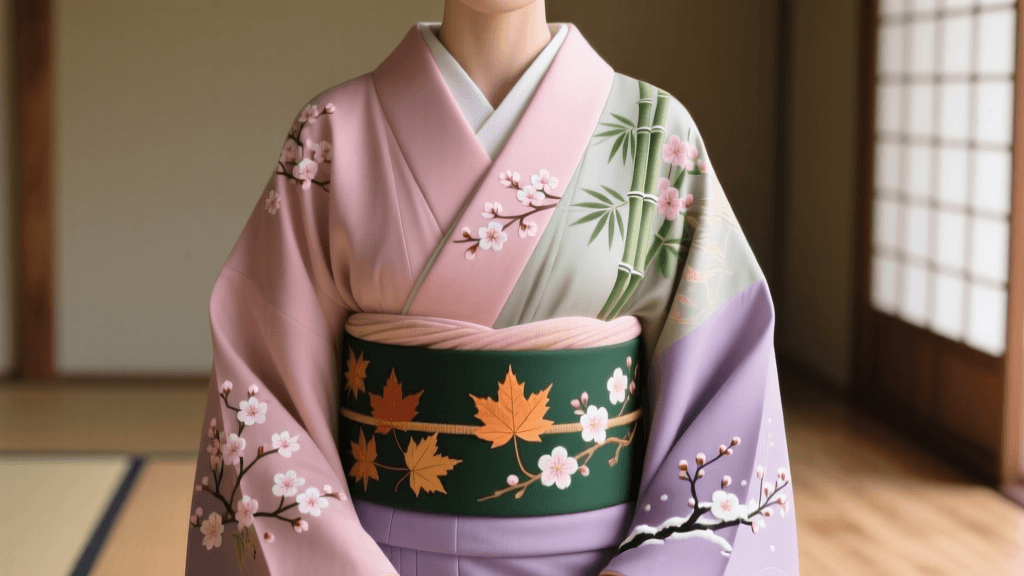
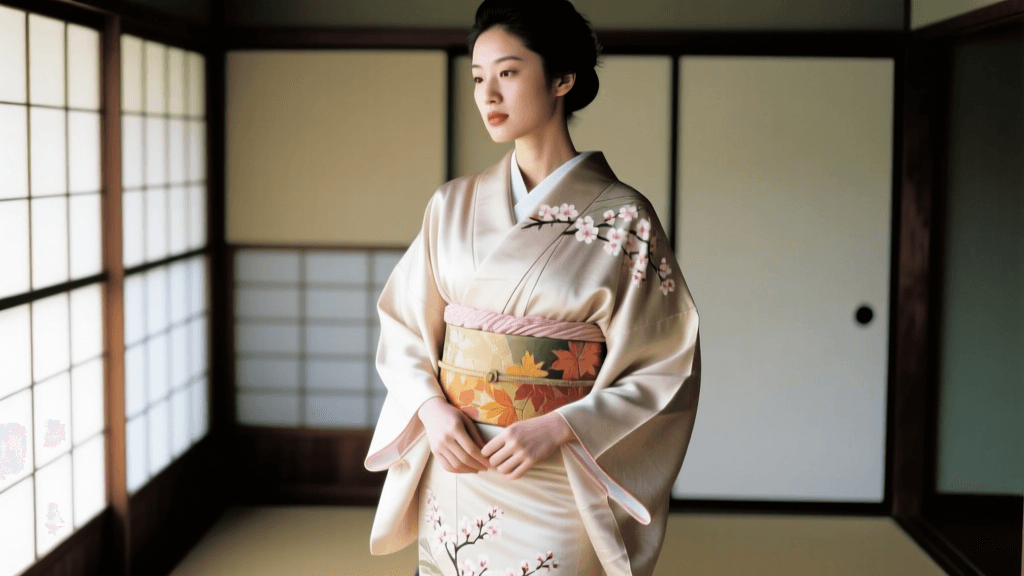
In the intricate world of traditional Japanese clothing, seasonality is not merely a matter of comfort; it is a profound cultural expression known as kisetsukan (the feeling of the season). Unlike Western fashion, which often reacts to the current day's weather, traditional kimono dressing (kitsuke) anticipates the changing of the seasons. A true practitioner of the art will transition their wardrobe slightly ahead of the actual meteorological shift, signaling a deep respect for nature's subtle transitions. According to the Metropolitan Museum of Art, the kimono's T-shaped structure and flat panels serve as a canvas for these seasonal motifs, but the physical construction of the garment itself changes drastically throughout the year to accommodate Japan's humid summers and crisp autumns.
Mastering seasonal wear requires an intimate understanding of fabric weaves, layering techniques, and specialized undergarments. This guide explores the practical mechanics of transitioning from the lined awase kimono of winter to the sheer ro and sha garments of peak summer, providing actionable dressing techniques, precise measurements, and cost expectations for the modern practitioner.
The Seasonal Trinity: Awase, Hitoe, and Ro
The Japanese kimono calendar is broadly divided into three main wearing seasons, each dictating a specific garment construction. Understanding these distinctions is the first step in proper seasonal dressing.
1. Awase (Lined Kimono) - October to May
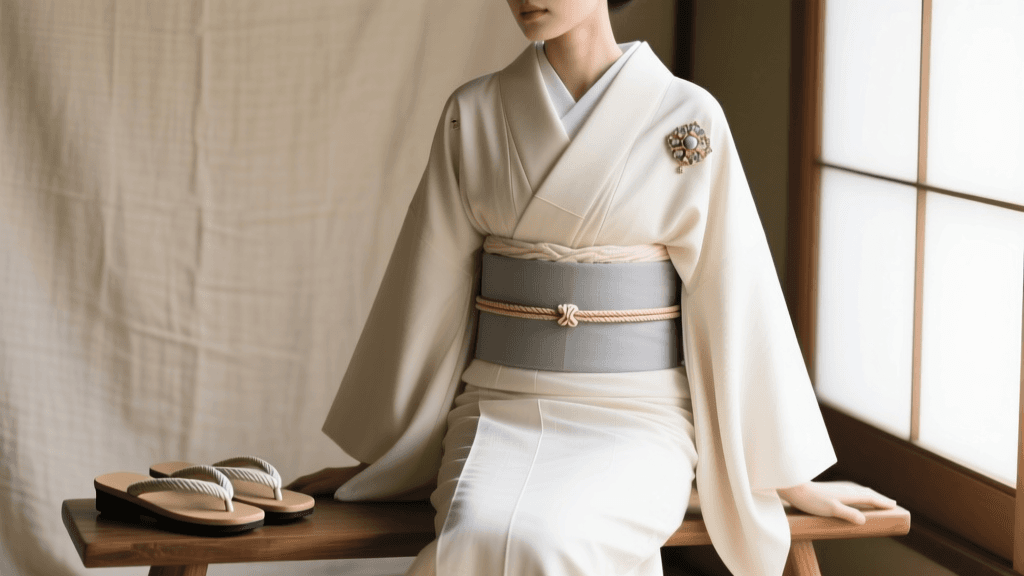
The awase is a fully lined kimono, constructed with an outer layer of silk (often rinzu satin or chirimen crepe) and an inner lining of lightweight silk or modern polyester. The lining provides structural integrity, warmth, and opacity. Because the lining adds weight, the ohashori (the waist fold created during dressing) sits heavily and neatly against the body. Dressing an awase requires standard silk or cotton koshihimo (hip ties) to grip the multiple layers of fabric securely.
2. Hitoe (Unlined Kimono) - June and September
As the humidity rises in June and lingers in September, the lining is removed. The hitoe is made from a single layer of fabric, frequently utilizing shioze (a crisp silk taffeta) or unlined crepe. Without the inner lining, the garment is lighter and more breathable, but it is also more slippery to dress. Practitioners must use wider datejime (under-belts) to prevent the single layer from shifting during the tying of the obi. The Victoria and Albert Museum highlights how the transition to hitoe is often accompanied by cooler, water-inspired motifs to provide visual relief before the peak of summer.
3. Ro and Sha (Sheer Summer Kimono) - July and August
During the sweltering peak of the Japanese summer, practitioners wear usugoromo (thin garments) made from ro (leno weave) or sha (gauze). The ro weave involves twisting warp threads around each other, creating tiny, uniform gaps that allow for maximum airflow. Because these fabrics are semi-transparent, the dressing technique shifts dramatically to manage modesty, sweat, and the delicate nature of the sheer silk.
Data Table: Seasonal Kimono Transition Guide
The following table outlines the practical specifications, timing, and estimated market costs for building a seasonal kimono wardrobe. Costs reflect a mix of vintage markets and modern artisan retail in USD.
| Season / Months | Kimono Type | Primary Fabric Weave | Undergarment (Juban) | Obi Type | Est. Cost (USD) |
|---|---|---|---|---|---|
| Oct - May | Awase (Lined) | Rinzu, Chirimen | Lined Silk / Poly | Fukuro / Nagoya | $100 - $500+ |
| June, Sept | Hitoe (Unlined) | Shioze, Ro-Chirimen | Unlined Cotton / Silk | Unlined Nagoya | $50 - $300 |
| July, August | Ro / Sha (Sheer) | Ro (Leno), Sha (Gauze) | Ro Juban, Kari-Juban | Sha / Ro Nagoya | $150 - $800+ |
Summer Dressing Techniques: Managing Heat and Transparency
Dressing in ro or sha presents unique challenges. The sheer nature of the fabric means that every undergarment, tie, and pad is visible. Furthermore, the Japanese summer is notoriously humid, making sweat management a critical component of kitsuke.
The Foundation: Juban and Kari-Juban
In winter, a standard one-piece nagajuban (under-kimono) is worn. In summer, this is swapped for a kari-juban, a two-piece undergarment system consisting of a hadajuban (top camisole) and a susoyoke (wrap skirt). This allows the wearer to easily replace the lower skirt if it becomes damp with sweat, without having to undress the entire upper torso and ruin the obi tie.
For the collar, a ro or sha juban collar is basted onto the camisole. Because sheer fabrics lack structural rigidity, an erishin (collar stay) made of breathable bamboo or thin mesh is inserted to maintain the crisp, elegant V-shape at the nape of the neck without trapping heat against the skin.
Securing the Garment: Koshihimo and Datejime
Standard silk koshihimo (ties) are too warm and bulky for summer. Instead, practitioners use koshihimo made from coarse cotton or modern breathable mesh. When tying the mesh ties, it is crucial to cross them at the front, pull them taut, and tie them at the back or side using a secure square knot. The mesh allows air to circulate directly against the skin beneath the kimono.
The datejime (the wide belt tied over the koshihimo to flatten the torso before the obi is applied) should be made of linen, hemp, or hakata-ori silk. Linen is highly recommended for July and August due to its moisture-wicking properties and natural stiffness, which prevents the sheer kimono from bunching at the waist.
Measurements, Sizing, and the Ohashori
Proper fit is essential for seasonal dressing, particularly when dealing with transparent fabrics where misaligned folds are glaringly obvious. According to Wikipedia's comprehensive Kimono archives, standard kimono are constructed from a single bolt of fabric (tanmono) measuring approximately 36 centimeters (14 inches) in width. This fixed width dictates the dressing technique.
The most critical measurement in dressing is the ohashori—the horizontal fold of fabric tucked at the waist to adjust the kimono's length. For a standard adult woman, the ohashori should be exactly 5 to 7 centimeters deep and run perfectly parallel to the floor. When dressing a sheer ro kimono, the ohashori must be meticulously straightened, as the transparency will reveal the inner layers of the fold. Practitioners often use a specialized tool called an oshimachi (a thin, smooth bamboo spatula) to tuck and smooth the sheer fabric at the waist without snagging the delicate leno weave.
Hip Padding and Silhouette
Modern kimono dressing relies on a cylindrical silhouette. In winter, thick cotton hip pads are used. In summer, these are swapped for koshimaki (lightweight cotton wrap skirts) or thin, breathable foam pads. The padding must sit precisely on the upper hip bone to provide a shelf for the obi, ensuring the sheer fabric drapes straight down without clinging to the natural curve of the lower back.
Seasonal Maintenance and Storage
The transition between seasons requires specific maintenance protocols to preserve the integrity of natural silk fibers. Before packing away an awase kimono for the summer, or storing a ro kimono for the winter, the garments must undergo mushiboshi (airing out).
Mushiboshi should be performed on dry, breezy days in late autumn or early spring. The kimono is hung on a specialized bamboo rack (emonkake) in a shaded, well-ventilated room for 2 to 4 hours. Direct sunlight must be avoided, as UV rays will rapidly degrade the delicate ro and sha weaves and cause the vibrant seasonal dyes to fade. After airing, the garments are folded precisely along their original seam lines, wrapped in acid-free tatoushi (kimono paper), and stored in a wooden chest (tansu) with natural camphor or cedar blocks to deter moths.
Conclusion
Mastering the seasonal transitions of the kimono is a rewarding discipline that connects the wearer to the historical rhythms of Japanese culture. By understanding the structural differences between awase, hitoe, and ro, and by adapting your undergarments, ties, and dressing techniques to manage heat and transparency, you can wear traditional Japanese garments with both authenticity and physical comfort. Whether you are investing in a vintage silk hitoe or commissioning a bespoke ro kimono for the summer festivals, the meticulous attention to seasonal detail is what truly brings the art of the kimono to life.