Dressing for the Dojo and Chashitsu: Samue and Hakama Guide
The Intersection of Budo and Chado: Garments as Tools
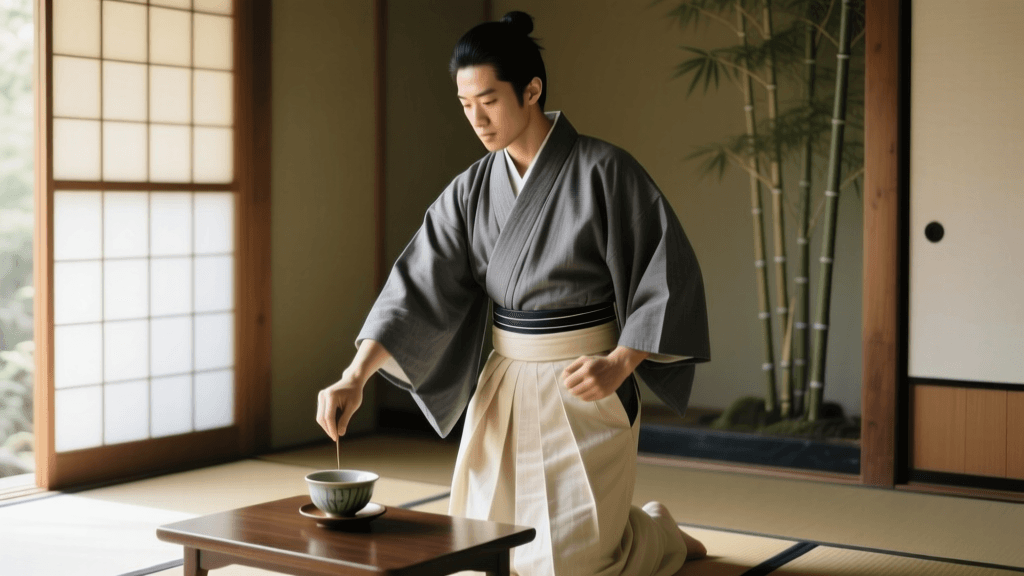
In the study of Japanese traditional arts, the clothing worn by the practitioner is never merely decorative; it is an essential tool that dictates posture, movement, and mindset. This is especially true when examining the intersection of Budo (the martial ways, such as Aikido and Kendo) and Chado (the Way of Tea). Both disciplines demand rigorous physical discipline, deep mindfulness, and an acute awareness of one's surroundings. According to cultural historians, the mindfulness inherent in the tea ceremony, or chanoyu, extends to every physical action, including how one dresses and moves within the space.
For practitioners who engage in these arts, or for enthusiasts of traditional Japanese functional wear, understanding the nuances of the samue (work garments) and the hakama (pleated trousers) is vital. These garments bridge the gap between the rugged utility of the dojo and the refined elegance of the chashitsu (tea room). This guide provides actionable advice on selecting, sizing, and maintaining these traditional uniforms.
The Samue: From Zen Monasteries to Modern Utility
The samue originated as the everyday work clothing for Zen Buddhist monks, worn during samu (physical labor and temple maintenance). Today, it has evolved into a versatile garment worn by artisans, woodworkers, martial artists during casual training, and tea ceremony hosts during the preparation phases (shozui).
Anatomy and Fabric Choices
A traditional samue consists of two pieces: an uwagi (jacket) and momohiki (trousers). The jacket features a wrap-over front secured by ties, while the trousers are equipped with a deep machi (gusset) in the crotch, allowing for deep stances, kneeling (seiza), and unrestricted movement.
- Lightweight Cotton (3 to 5 oz): Ideal for summer tea preparation or light indoor dojo stretching. Often made from wazarashi (Japanese mellowed cotton), which is highly breathable.
- Mid-Weight Canvas (8 to 10 oz): The standard for martial arts warm-ups and artisan work. It provides enough structure to withstand grappling or heavy physical labor.
- Tetsukon (Iron Navy) and Indigo: Traditional dyes that possess natural insect-repellent properties, historically favored by monks and farmers.
Purchasing Advice and Costs
When purchasing a samue for active use, avoid cheap polyester blends that trap heat and restrict the drape of the fabric. A high-quality, 100% cotton samue from a reputable Japanese supplier (such as those based in Kurume or Osaka) will typically cost between $60 and $120 USD. Hand-dyed indigo (aizome) versions can range from $150 to over $300 USD due to the labor-intensive dyeing process.
The Hakama: A Shared Heritage of Discipline
The hakama is perhaps the most iconic garment shared by both martial artists and tea practitioners. As detailed in the historical archives of traditional Japanese dress, the hakama was originally worn by samurai to protect their legs while riding horses and to conceal their footwork in combat. Today, it serves to hide the practitioner's footwork in the dojo and to enforce a gliding, grounded posture in the tea room.
Martial Arts vs. Tea Ceremony Hakama
While they share the same basic silhouette, the construction and fabric of a hakama vary wildly depending on its intended use:
- Kendo Hakama: Constructed from heavy, stiff cotton or cotton-polyester blends (often #8800 or #10000 duck canvas). The stiffness is required to maintain the garment's shape during aggressive, explosive movements and to protect the legs from bamboo sword (shinai) strikes.
- Aikido / Iaido Hakama: Made from softer, lighter cotton or rayon blends. The fabric must drape heavily and flow smoothly to accentuate the circular, fluid movements of Aikido and the precise kneeling draws of Iaido.
- Tea Ceremony Hakama: Worn by male tea masters (and increasingly by female practitioners in certain schools) over a formal kimono. These are made from silk, habotai, or high-quality synthetic silk alternatives. They are lightweight, formal, and feature a rigid backboard (koshi-ita) to enforce perfectly straight posture while kneeling.
Garment Comparison Chart
| Garment Type | Primary Use | Standard Fabric | Weight / Drape | Average Cost (USD) |
|---|---|---|---|---|
| Samue (Standard) | Temple work, artisan craft, casual dojo | 100% Cotton Canvas | Medium / Structured | $60 - $120 |
| Hakama (Kendo) | Kendo, Naginata | #8800 Cotton/Poly Canvas | Heavy / Very Stiff | $70 - $150 |
| Hakama (Aikido) | Aikido, Iaido, Kyudo | Cotton/Rayon Blend | Medium / Fluid Drape | $80 - $180 |
| Hakama (Chado) | Tea Ceremony (Formal) | Silk or Habotai | Light / Elegant Drape | $150 - $400+ |
Sizing, Measurement, and Tying Techniques
Improperly sized traditional garments will actively hinder your practice. A hakama that is too long will cause you to trip during martial arts footwork (suri-ashi) or drag in the ashes of the tea room hearth.
How to Measure for a Hakama
Unlike Western trousers, hakama are not measured by the inseam. They are measured from the heso (navel) down to the ankle bone.
- Stand straight with your feet shoulder-width apart.
- Place the zero mark of a measuring tape at your navel (or slightly below, depending on your school's specific tying tradition).
- Measure straight down to the prominent bone on the outside of your ankle.
- For martial arts, subtract 1 to 2 centimeters so the hem clears the floor during deep stances. For tea ceremony, the hem should rest exactly at the ankle bone when kneeling.
The Art of the Himo (Cords)
The hakama is secured using four himo (cords): two long front cords and two shorter back cords. The front cords are wrapped around the waist and tied at the back, while the back cords are brought to the front and tied over the front cords. The standard knot used in both Budo and Chado is the koma-musubi (a variation of the square knot), which lies completely flat against the body to prevent discomfort when wearing armor or sitting in seiza. Practitioners should spend at least 15 minutes after every session practicing tying and untying the himo, as fumbling with the cords disrupts the zanshin (lingering awareness) of the practice.
Maintenance, Washing, and the Ritual of Folding
The care of your garments is considered an extension of your training. The All Japan Kendo Federation and traditional tea schools alike emphasize that maintaining one's uniform is a practice of respect for the art, the teacher, and oneself.
Washing Guidelines
- Indigo and Natural Dyes: Never use hot water or harsh detergents. Hand wash in cold water with a pH-neutral soap. Add a half-cup of white vinegar to the final rinse to set the dye and remove alkaline sweat residue.
- Heavy Canvas (Kendo): Machine washable on a gentle cycle, but must be hung to dry. Never use a tumble dryer, as the heat will warp the rigid koshi-ita (backboard) and shrink the heavy cotton unevenly.
- Silk (Tea Ceremony): Dry clean only, or spot clean with a damp silk-safe cloth. Sweat and oils will rapidly degrade silk fibers.
The Ritual of Tatamu (Folding)
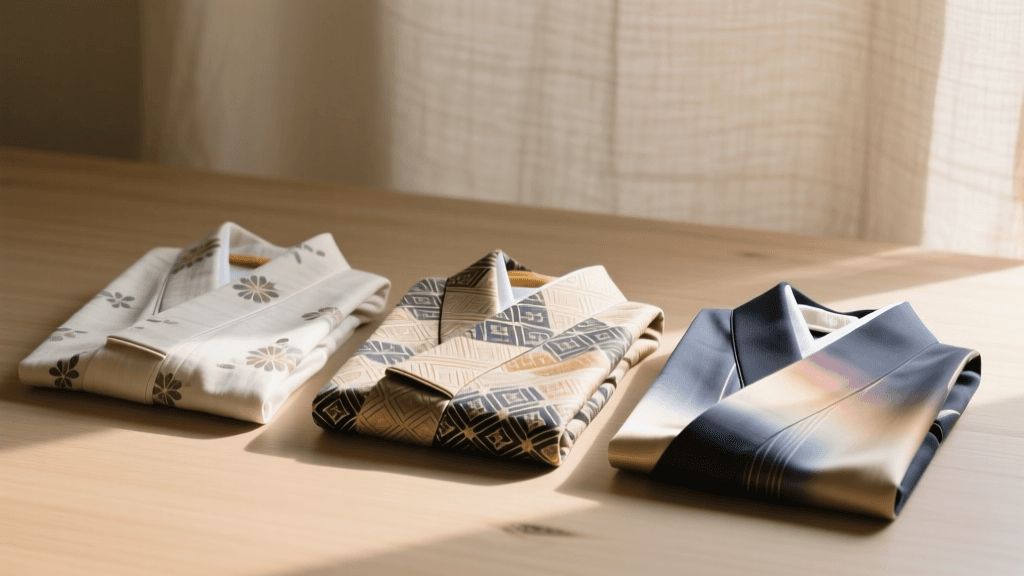
Folding a hakama is a meditative process. It requires smoothing out each of the five or seven pleats with the palms of your hands, aligning them perfectly before folding the garment into a compact square. The seven pleats of the martial arts hakama are often said to represent the seven virtues of the samurai (benevolence, justice, courtesy, wisdom, sincerity, loyalty, and honor). Taking the time to fold the garment correctly ensures that the pleats remain sharp for the next practice and serves as a mental cool-down, allowing the practitioner to transition from the intense focus of the dojo or tea room back to the outside world.
Conclusion
Whether you are stepping onto the tatami mats of a dojo or sliding the shoji screens of a chashitsu, the samue and hakama are more than mere clothing. They are physical manifestations of Japanese philosophy, designed to promote humility, enforce proper posture, and connect the modern practitioner to centuries of martial and cultural lineage. By carefully selecting the right fabrics, ensuring precise measurements, and maintaining your garments with mindful dedication, you honor the profound traditions of both Budo and Chado.