Ming Dynasty Hanfu and Jade Hair Accessories Guide
The Allure of the Ming Dynasty Aesthetic
The Ming Dynasty (1368–1644) represents a pinnacle of Chinese textile and jewelry craftsmanship, characterized by structured silhouettes, rich brocades, and intricate metalwork. For modern Hanfu enthusiasts, assembling a complete Ming-style ensemble is not merely about wearing historical clothing; it is an exercise in cultural preservation and artistic expression. According to the Metropolitan Museum of Art, the era was marked by a revival of traditional Han culture and highly regulated sumptuary laws that dictated clothing, ensuring that garments and ornaments reflected one's social standing and moral virtue.
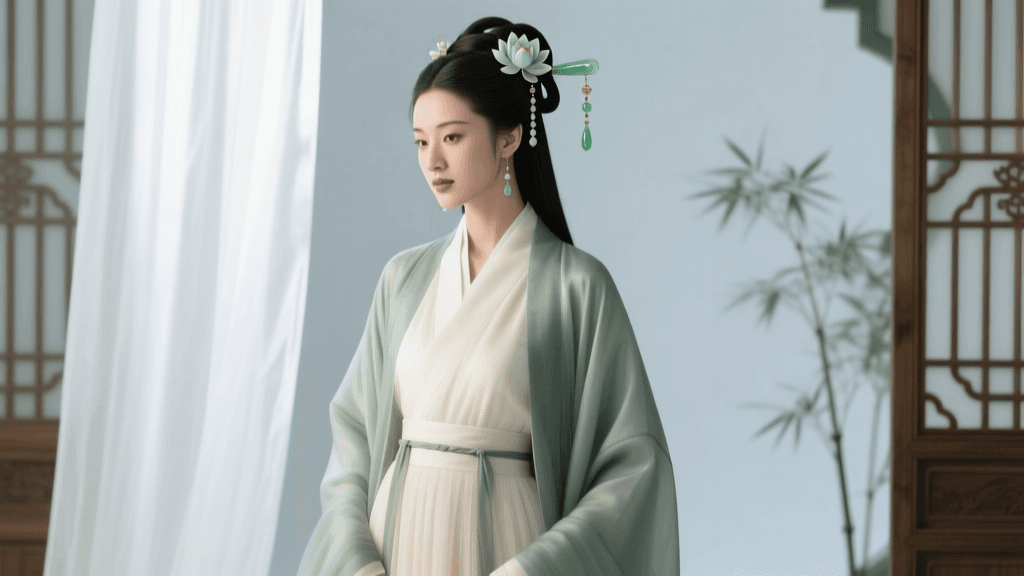
At the heart of this aesthetic is the harmonious balance between heavy, structured garments and delicate, luminous jade hair accessories. This comprehensive guide will walk you through sourcing authentic garments, identifying genuine jade, and styling a historically inspired updo that honors this magnificent era.
Building the Garment Foundation: Ao and Mamianqun
A complete Ming Dynasty women's ensemble typically consists of an upper garment (Ao) and a lower skirt (Mamianqun). Getting the proportions and fabrics right is essential for an authentic silhouette.
The Pipa Sleeve Ao (琵琶袖袄)
The Ao is a lined or unlined jacket that fastens at the right side. The most iconic Ming sleeve is the Pipa sleeve, named for its resemblance to the traditional Chinese lute. It features a wide upper arm that tapers down to a narrow cuff.
- Measurements: The sleeve length should extend to the knuckles when the arms are relaxed. The cuff width should be narrow, typically between 15 cm and 18 cm, to allow for layered bracelets and ease of movement.
- Fabric Selection: Opt for medium-to-heavy weight fabrics like silk brocade, jacquard, or heavy satin. The fabric must have enough body to hold the structured curve of the Pipa sleeve without collapsing.
- Color Palette: Deep crimson, navy blue, emerald green, or mustard yellow are historically accurate and provide a rich backdrop for jade accessories.
The Mamianqun (马面裙)
The horse-face skirt is defined by its flat front and back panels (mamian) flanked by deeply pleated sides. It is a marvel of traditional engineering and draping.
- Pleat Specifications: Authentic Ming skirts feature sharp knife pleats, usually ranging from 3 cm to 5 cm in width at the hem. The skirt requires between 4 to 6 meters of fabric to achieve the proper volume and swing.
- Waistband: The waistband is traditionally made of a contrasting, durable fabric (often white or light cotton/silk blend) to reduce bulk and provide a secure grip when tied.
- Length: For a formal Ming look, the skirt should graze the top of the foot, requiring a custom measurement from your natural waist to the floor minus 2 cm for hem allowance.
The Crown Jewels: Sourcing Jade Hair Accessories
No Ming ensemble is complete without the cool,温润 (warm and moist) luster of jade. In Chinese culture, jade is revered above all other gems, symbolizing purity, moral integrity, and benevolence. As noted by Encyclopædia Britannica, true jade encompasses two distinct minerals: nephrite and jadeite. Ming artisans primarily favored Hetian nephrite, prized for its mutton-fat white translucency and smooth texture.
Essential Jade Hair Ornaments
When shopping for Hanfu accessories, you will encounter several specific terms. Understanding these will help you build a balanced and historically grounded hair collection.
- Zan (簪): A single-pronged hairpin. Jade Zan are often carved with motifs like lotuses, plum blossoms, or ruyi clouds. They are used to secure the core bun.
- Chai (钗): A double-pronged hairpin, offering more stability for heavy buns. The top of a jade Chai often features intricate openwork carving.
- Buyou (步摇): Translating to 'step-shake,' these feature a jade base or inlay with dangling metal or pearl tassels that sway with the wearer's movements. In the Ming Dynasty, gold and jade were frequently combined in Buyou to denote high status.
- Fenxin (分心): A curved, arch-shaped ornament worn at the front of the hair bun. It often features a central jade cabochon surrounded by gold filigree, acting as the focal point of the updo.
'Jade is the stone of heaven. To wear it in the hair is to invite clarity, peace, and ancestral blessing into one's daily life.' — Traditional Chinese Proverb
How to Identify Authentic Nephrite
The Hanfu market is flooded with glass, resin, and dyed quartz masquerading as jade. To ensure you are purchasing genuine Hetian nephrite or quality jadeite:
- Temperature Test: Real jade feels distinctly cold to the touch and takes longer to warm up in your hand compared to glass or plastic.
- Visual Inspection: Look for natural inclusions, subtle color banding, or a 'fibrous' internal structure. Perfectly clear, bubble-free, and uniformly bright green stones in the under $50 range are almost certainly glass or treated quartz.
- Weight: Jade is a dense mineral. A genuine jade hairpin will feel noticeably heavier than a resin or plastic replica of the same size.
Structuring the Hair: A Step-by-Step Updo Guide
The Ming Dynasty favored elaborate, structured updos often supported by a Diji (a traditional hairpiece or wireframe). For modern wearers, creating a voluminous bun using natural hair and foam pads is a practical alternative.
Step 1: Preparation and Volume
Start with day-old hair or apply a texturizing spray to modern, freshly washed hair. Slick the front sections back smoothly using a fine-tooth comb and a light-hold pomade to achieve the sleek, polished look characteristic of Ming portraiture.
Step 2: Creating the Core Bun
Gather all hair into a high ponytail at the crown of the head. Insert a U-shaped hair stick (preferably wood or metal) horizontally through the base of the ponytail. Wrap the hair tightly around the stick and the base, securing the ends with bobby pins. For added volume, place a silk-wrapped foam hair donut over the ponytail before wrapping.
Step 3: Placing the Fenxin and Zan
Position the Fenxin (front arch ornament) at the very front of the bun, securing it with hidden U-pins into the hair base. Next, take your primary jade Zan and insert it diagonally through the center of the bun, catching the hair at the scalp for maximum leverage and support.
Step 4: Flanking with Buyou
Insert your Buyou (step-shake pins) on either side of the bun, angling them slightly downward toward the ears. Ensure the prongs penetrate the thickest part of the bun. The dangling elements should frame the face without tangling in the collar of your Ao.
Budgeting Your Complete Ensemble
Building a Hanfu wardrobe and jewelry collection can range from an affordable hobby to a serious investment in wearable art. Below is a comparative budget chart to help you plan your purchases based on your commitment level.
| Component | Entry-Level (Synthetic/Blended) | Mid-Tier (Silk & Commercial Jade) | Collector (Heirloom & Master-Carved) |
|---|---|---|---|
| Pipa Sleeve Ao (Jacket) | $40 - $80 | $120 - $250 | $400 - $800+ |
| Mamianqun (Skirt) | $50 - $90 | $100 - $220 | $350 - $700+ |
| Jade Buyou (Pair) | $15 - $30 (Glass/Resin) | $80 - $200 (Nephrite/Silver) | $500 - $1,500+ (Gold/Antique) |
| Jade Zan & Fenxin Set | $20 - $45 (Quartz/Alloy) | $150 - $350 (Hetian Jade) | $800 - $2,000+ |
| Total Estimated Cost | $125 - $245 | $450 - $1,020 | $2,050 - $5,000+ |
Care and Maintenance for Silk and Jade
Preserving your investment requires specific care routines for both textiles and gemstones.
- Silk Garments: Never machine wash brocade or heavy silk. Dry clean your Ao and Mamianqun to preserve the metallic threads and pleat structure. Store the skirt rolled or hung on a wide, padded hanger to prevent the pleats from flattening.
- Jade Ornaments: Jade is tough but can chip if dropped on hard tile. Clean your hairpins with a soft, damp cloth and mild soap. Avoid harsh chemicals, ultrasonic cleaners, or prolonged exposure to hairspray, which can dull the stone's natural luster over time.
- Metalwork: If your jade is set in silver or gold alloy, use a specialized jewelry polishing cloth to maintain the shine of the filigree, being careful not to scratch the jade inlay.
Final Thoughts on the Ming Aesthetic
Assembling a Ming Dynasty Hanfu ensemble with authentic jade accessories is a deeply rewarding journey into Asian traditions. By paying close attention to the structural drape of the Mamianqun, the tailored curve of the Pipa sleeve, and the cool elegance of genuine nephrite, you do more than wear a costume. You become a steward of history, carrying the refined beauty and profound symbolism of the Ming era into the modern world.