Japanese Fashion 2026: Styling Kimono, Hakama & Tabi Footwear
The Renaissance of Japanese Heritage Fashion in 2026
As the global fashion industry pivots toward sustainability and mindful consumption in 2026, traditional Japanese garments have experienced a profound renaissance. No longer confined strictly to ceremonial occasions or historical reenactments, the kimono, hakama, and specialized footwear like tabi and zori are being integrated into contemporary, Zen-inspired wardrobes worldwide. This comprehensive guide explores the intersection of ancient weaving methods, sensory design, and modern styling, offering actionable advice for enthusiasts, collectors, and international designers alike.
The modern approach to Japanese fashion is deeply rooted in the Zen concept of Ma (negative space) and Wabi-Sabi (the beauty of imperfection). In 2026, styling these garments is less about rigid historical adherence and more about capturing the spiritual and sensory essence of the clothing while adapting it to the rhythms of modern life, travel, and education.
The Kimono and Yukata: Fabric, Fit, and Function
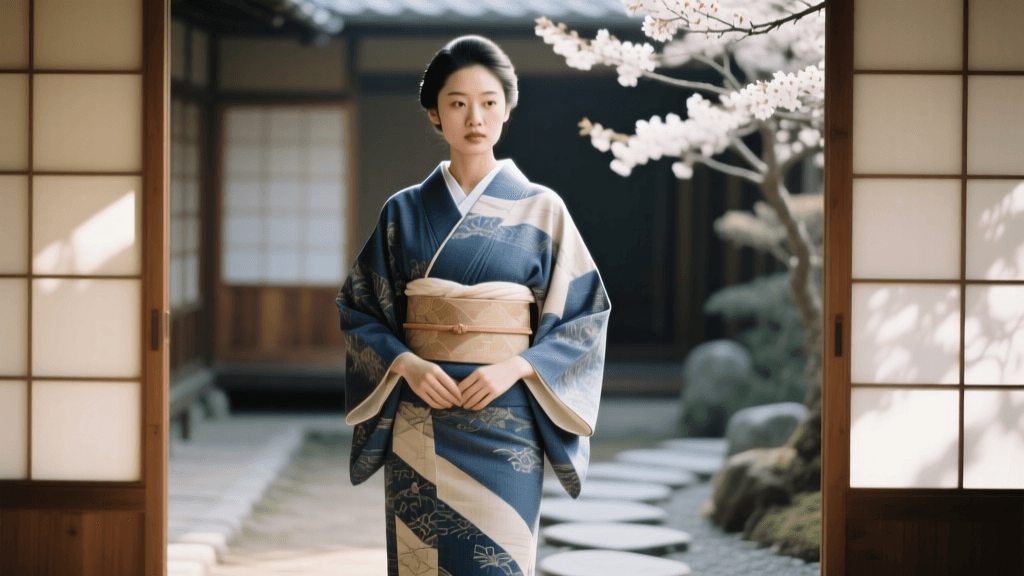
The kimono remains the cornerstone of Japanese traditional fashion. However, the 2026 wardrobe favors versatile, breathable fabrics that transition seamlessly between seasons. While formal silk kimono (houmongi) are reserved for tea ceremonies and weddings, the everyday wardrobe has embraced high-quality hemp (asa) and washed cotton yukata for their durability and ease of care.
Mastering the Kitsuke (Dressing)
Styling a kimono requires an understanding of the kitsuke (the art of dressing). The most critical actionable measurement for a modern wearer is the ohashori—the fold at the waist that adjusts the garment's length. In 2026, contemporary stylists recommend an ohashori depth of exactly 5 to 7 centimeters for a balanced, elegant silhouette. To achieve this:
- Measure your hips: The kimono width should wrap around your hips with at least 15 centimeters of overlap at the front.
- Adjust the length: The hem should graze the ankle bone, allowing the tabi socks to be fully visible.
- Secure the Datejime: Use a modern, elasticized datejime (under-belt) to secure the fold without restricting breathing, a significant upgrade from the rigid silk cords of the past.
For those looking to invest in authentic textiles, a vintage mid-century silk Komon (everyday patterned kimono) in 2026 averages between ¥45,000 and ¥120,000 at specialized Kyoto vintage dealers, offering an accessible entry point into heritage fashion.
Hakama: Structured Elegance Across Life Stages
The hakama, a pleated, divided skirt traditionally worn over a kimono, has seen a massive surge in international streetwear and Zen minimalist styling. Originally designed for samurai to protect their legs while riding horses, the umanori (divided) hakama is now celebrated for its dramatic movement and structured elegance.
The traditional hakama features five or seven pleats, each historically representing a Confucian virtue such as benevolence, justice, and loyalty. In 2026, designers are pairing tailored, ankle-length hakama with modern knitwear and structured blazers, creating a cross-cultural silhouette that respects the garment's origins while fitting seamlessly into a contemporary urban environment.
'The hakama forces the wearer to be mindful of their posture and movement. It is not just a garment; it is a physical practice of Zen awareness in daily life.' — Master Artisan at the Kyoto Textile Guild, 2026.
When purchasing a hakama for daily wear, opt for a poly-blend or heavy cotton twill. These materials hold the sharp pleats significantly better than traditional silk when navigating modern commutes and require only a simple steam-pressing to maintain their architectural shape.
Footwear: The Sensory Experience of Tabi, Zori, and Geta
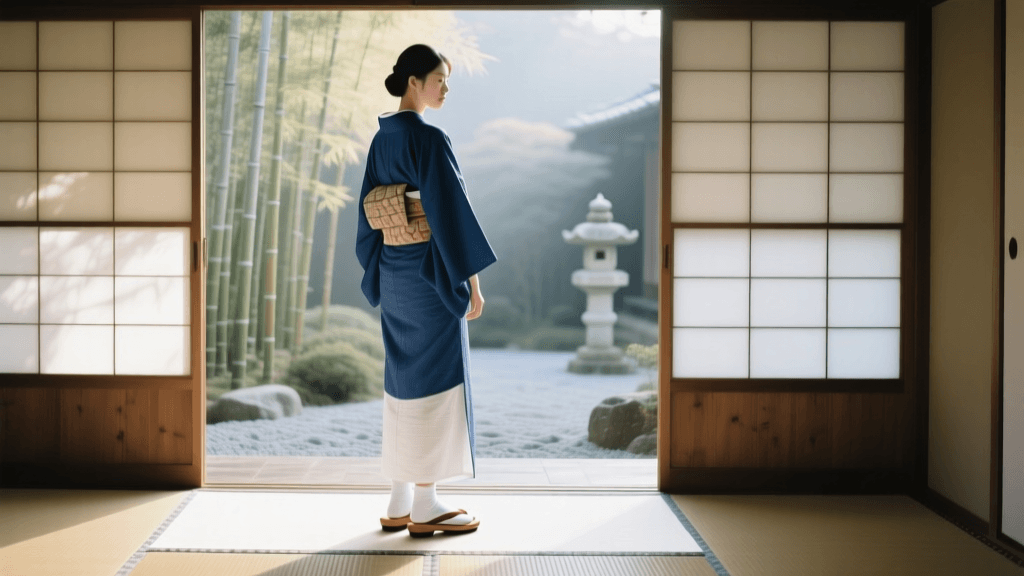
No Japanese fashion guide is complete without addressing footwear. The split-toe tabi sock, paired with zori (flat sandals) or geta (wooden clogs), offers a unique sensory experience that connects the wearer to the ground. Biomechanical studies in 2026 continue to highlight the benefits of the split-toe design, which promotes better balance, engages the core, and encourages a natural, heel-to-toe walking gait.
Choosing the Right Footwear for 2026
- Tabi Socks: For winter, look for thermal merino wool blends. Custom-fitted tabi, which take 3 to 4 weeks to produce by artisans in Nara, cost approximately ¥18,000 and offer unparalleled comfort for those with non-standard foot shapes.
- Zori: Formal zori are covered in brocade or vinyl, but the 2026 trend leans toward sustainable EVA foam and recycled cork bases. These provide the traditional elevation with modern shock absorption, crucial for walking on concrete.
- Geta: Best for casual yukata styling in the summer. The elevated wooden teeth (ha) keep the hem clean and produce the iconic 'clack' that defines the auditory landscape of traditional Japanese festivals.
Life Stages and Garment Transitions
Traditional Japanese clothing is deeply tied to life stages and educational milestones. Understanding these transitions is key to respecting the culture when incorporating these garments into your wardrobe. For example, the Shichi-Go-San (Seven-Five-Three) festival sees children dressed in vibrant, heavily padded kimono to celebrate growth. Conversely, the Seijin no Hi (Coming of Age Day) marks the transition to adulthood, where young women wear the spectacular furisode (long-sleeved kimono) and young men often wear a formal black montsuki kimono with a hakama.
In 2026, international educators and cultural exchange programs emphasize the importance of these garments not as costumes, but as living markers of personal and communal growth. When styling these garments outside of Japan, it is recommended to adopt the color palettes and modesty standards associated with your own life stage, favoring subdued, elegant tones for mature professionals and vibrant patterns for younger wearers.
2026 Japanese Garment Comparison and Styling Chart
| Garment | Primary Occasion | Recommended 2026 Fabric | Modern Styling Tip |
|---|---|---|---|
| Yukata | Summer festivals, casual lounging | Organic Cotton / Hemp Blend | Pair with a modern leather obi belt and minimalist sandals. |
| Komon Kimono | Daily wear, travel, dining | Washable Silk / Tsumugi Pongee | Layer over a fine-gauge turtleneck in autumn; use a subtle geometric obi. |
| Hakama | Graduations, martial arts, streetwear | Heavy Cotton Twill / Poly-blend | Wear with a tailored blazer and Chelsea boots for a fusion look. |
| Zori | Formal events, tea ceremonies | Sustainable Cork / Recycled EVA | Ensure the thong (hanao) is snug to prevent blisters during long events. |
Weaving Preservation: Nishijin-ori and Yuki-tsumugi
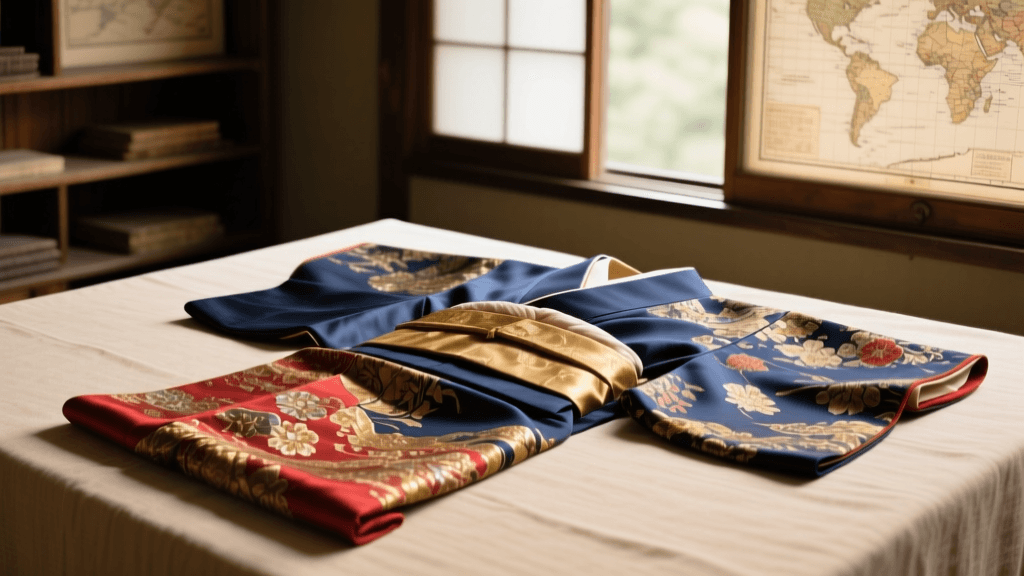
The soul of Japanese fashion lies in its textiles. In 2026, the preservation of intangible cultural heritage is supported by both government initiatives and global appreciation. The Japan Agency for Cultural Affairs continues to heavily subsidize master weavers, ensuring that techniques like Nishijin-ori (Kyoto's luxurious brocade) and Yuki-tsumugi (hand-spun pongee silk) survive the modern era.
According to archives documented by the Victoria and Albert Museum's Asian Collections, the complexity of Nishijin-ori involves thousands of individual warp threads, creating intricate, multi-colored patterns that look identical on both sides of the fabric. In 2026, a fusion of heritage and technology has emerged: artisan workshops now use AI-assisted loom diagnostics to detect thread tension anomalies in real-time, reducing waste and preserving the physical health of elderly weavers.
For collectors, institutions like The Metropolitan Museum of Art's Asian Art Department provide invaluable digital and physical resources to study historical textile patterns, helping modern buyers distinguish between authentic hand-woven heritage pieces and mass-produced imitations. Investing in a genuine Yuki-tsumugi obi in 2026 requires a budget of ¥800,000 to ¥1,500,000, but it represents a direct contribution to the survival of a UNESCO-recognized craft.
Building Your Zen-Inspired Wardrobe
Transitioning to a wardrobe that incorporates Japanese traditions requires patience, respect, and an eye for quality. Begin by sourcing a versatile, neutral-toned yukata and a well-fitted pair of tabi. As your understanding of the garments deepens, expand into silk kimono and hakama, paying close attention to the weaving methods and the artisans behind the textiles.
Ultimately, Japanese fashion in 2026 is about intentionality. It is a rejection of fast fashion in favor of garments that carry history, require mindful dressing, and promote a harmonious relationship between the body, the fabric, and the environment. By embracing these traditions, you are not just adopting a style; you are participating in a living, breathing cultural continuum.