Historic Kimono Trade Textiles: 2026 Silk Import Guide
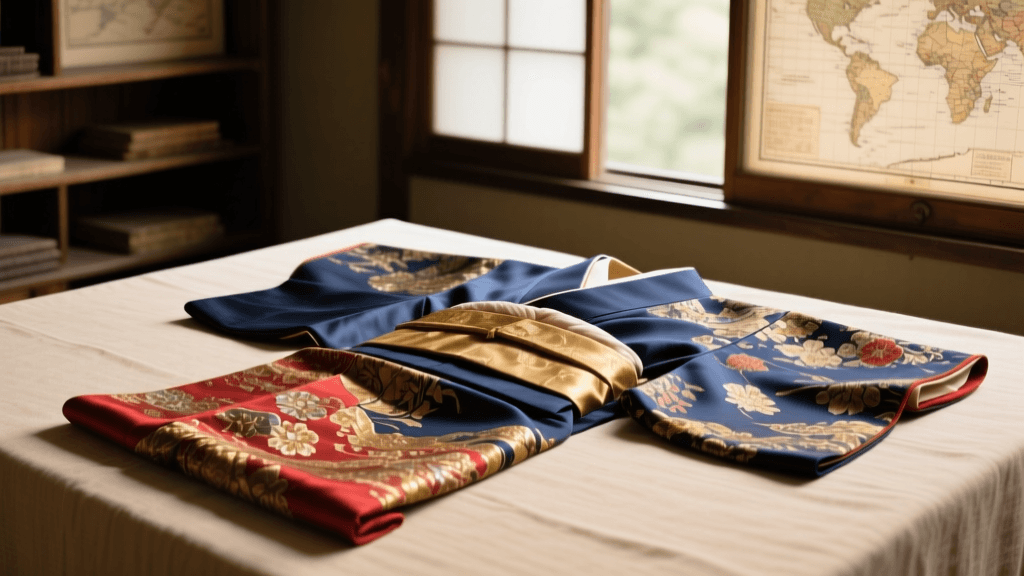
The kimono is globally recognized as the quintessential symbol of Japanese heritage, often romanticized as an isolated, purely domestic art form. However, beneath the surface of this iconic T-shaped garment lies a complex, centuries-old web of international commerce and cross-cultural exchange. In 2026, as vintage textile collecting reaches new heights of technological sophistication and global interest, understanding the historical trade routes that supplied Japan with exotic silks, dyes, and weaving techniques is essential for serious collectors, curators, and historians alike. From the arduous overland caravans of the Silk Road to the perilous maritime galleons of the Nanban trade, imported materials fundamentally altered the trajectory of Japanese fashion and domestic textile production. This comprehensive guide explores the enduring legacy of kimono textile trade routes, how to identify historical imports using modern science, and the current 2026 market landscape for these rare sartorial artifacts.
The Silk Road and the Allure of Chinese Brocade
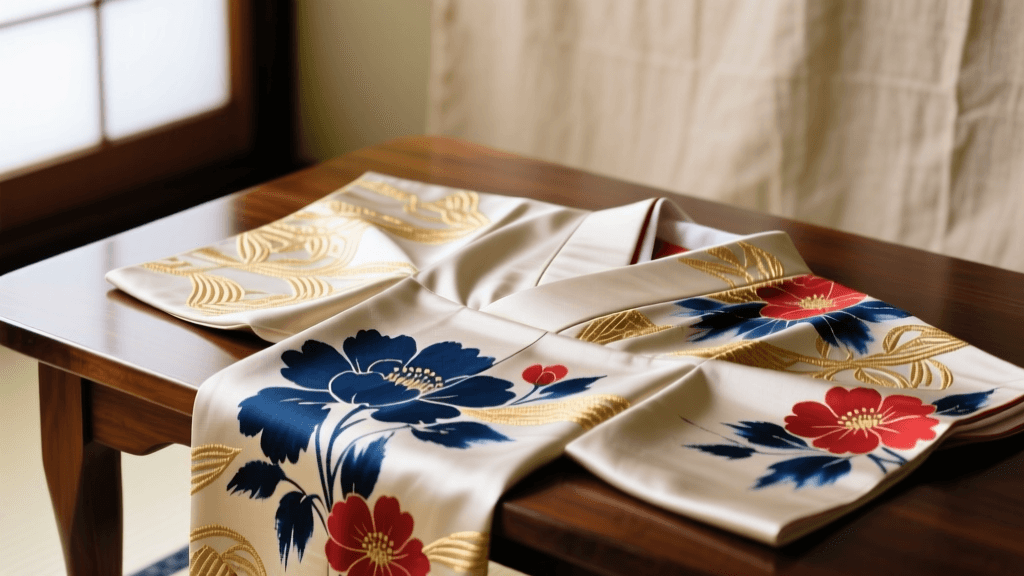
Long before Japan opened its ports to the West, the overland and maritime Silk Roads served as the primary conduit for luxury textiles. Chinese brocades, known in Japan as nishiki, were among the most highly prized imports during the Muromachi and Edo periods. Woven with gold and silver threads, these heavy, ornate silks were not typically used for entire garments due to their weight and cost. Instead, they were strategically cut and applied as panels on kosode (the predecessor to the modern kimono) or crafted into luxurious obi (sashes).
According to the Metropolitan Museum of Art's Asian textile archives, the integration of Chinese motifs—such as dragons, phoenixes, and peonies—into Japanese weaving eventually inspired domestic production centers like Nishijin in Kyoto. By the mid-Edo period, Japanese weavers had begun replicating imported techniques, but true imported Ming and Qing dynasty nishiki remains incredibly rare. In 2026, authenticating a genuine imported brocade versus a high-quality Nishijin domestic reproduction requires meticulous examination of the warp and weft tension, as historical Chinese looms produced a distinct structural signature that Japanese artisans intentionally altered to suit local aesthetics.
Maritime Routes: Dutch Chintz and Portuguese Velvet
The arrival of European traders in the 16th and 17th centuries introduced an entirely new sensory experience to Japanese fashion. The Portuguese brought birodo (velvet), a heavy, plush textile that became highly sought after by the samurai class for jinbaori (surcoats worn over armor) and winter haori (jackets). The rich, light-absorbing texture of imported velvet provided a striking contrast to the flat, reflective surface of native silk.
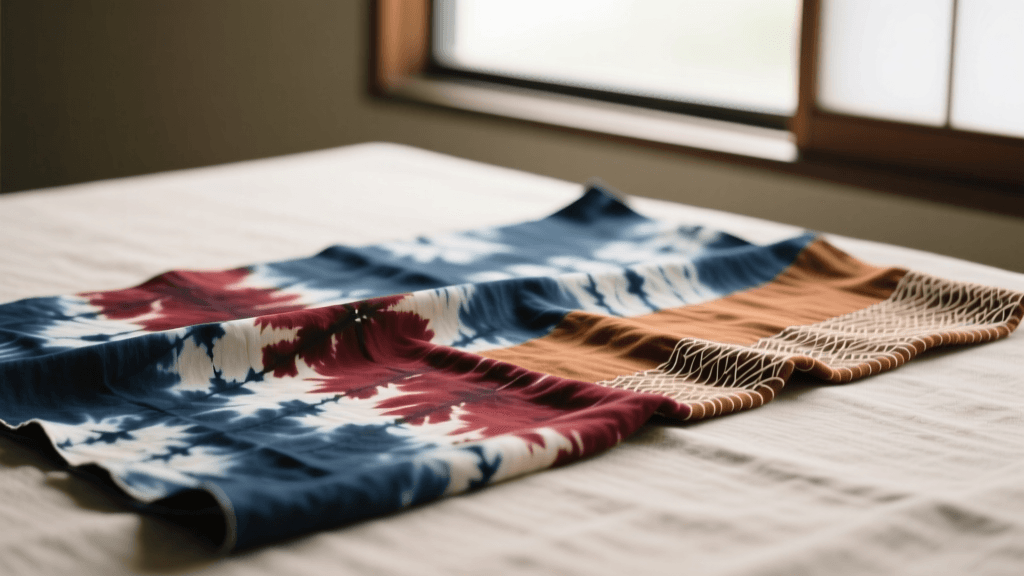
Simultaneously, the Dutch East India Company (VOC) established a monopoly on trade through Dejima, Nagasaki. Among their most influential imports was Indian Coromandel chintz, known in Japan as sarasa. Characterized by vibrant floral patterns and colorfast mordant dyes, sarasa was a revelation to Japanese dyers. Because imported cotton chintz was expensive and relatively scarce, it was primarily used for high-status uchikake (wedding overcoats), yogi (luxury sleeping garments), and the linings of elite garments. The Victoria and Albert Museum's extensive Asian collections frequently highlight how Japanese artisans eventually reverse-engineered these Indian dyeing techniques, leading to the development of domestic cotton dyeing hubs in regions like Aichi and Osaka.
2026 Market Data: Valuing Trade-Route Kimono Textiles
The vintage kimono market in 2026 has seen a surge in demand for garments featuring verifiable imported textiles. Collectors are moving away from standard 20th-century meisen silks and aggressively pursuing Edo and early Meiji-period pieces with foreign material origins. Below is a comparative breakdown of the current auction landscape for historical trade-route textiles.
| Textile Type | Trade Route Origin | Common Garment Application | 2026 Avg. Auction Price (USD) | Rarity Index (1-10) |
|---|---|---|---|---|
| Ming/Qing Nishiki (Brocade) | Overland Silk Road / Maritime Junks | Obi, Kosode panels | $4,500 - $12,000 | 8.5 |
| Coromandel Sarasa (Chintz) | Dutch VOC Maritime Route | Uchikake, Yogi (bedding) | $2,800 - $6,500 | 7.0 |
| Portuguese Birodo (Velvet) | Nanban Trade Ships | Haori, Jinbaori | $8,000 - $18,000 | 9.5 |
| Persian Dye-Paste Silks | Central Asian Caravans | Obi-jime (cords), Accessories | $1,200 - $3,000 | 6.5 |
Authentication in 2026: Beyond the Magnifying Glass
Identifying authentic trade-route textiles in 2026 requires more than a trained eye; it demands scientific verification. The proliferation of high-quality 20th-century reproductions means that provenance alone is no longer sufficient. Today, leading authentication houses utilize portable X-Ray Fluorescence (XRF) spectrometers to analyze the elemental composition of metallic threads in nishiki brocades. Genuine historical imports often feature pure gold or silver leaf applied to paper or animal hide substrates, whereas later domestic reproductions may contain trace amounts of zinc or copper alloys indicative of modern manufacturing.
Furthermore, AI-assisted weave analysis software has become a standard tool for appraisers in 2026. By feeding high-resolution macro photographs into specialized databases, collectors can instantly compare the warp-to-weft ratio and thread twist direction against known historical samples from Chinese and Indian looms. For sarasa chintz, non-destructive Fourier Transform Infrared (FTIR) spectroscopy is used to verify the presence of natural mordants like alum and iron, distinguishing 17th-century Indian imports from 19th-century European synthetic aniline dyes that flooded the market during the Meiji Restoration.
Archival Preservation for Imported Textiles
Owning a piece of global trade history comes with stringent preservation responsibilities. Imported textiles, particularly those combining disparate materials like silk, metallic threads, and cotton linings, are highly susceptible to differential degradation. In 2026, museum-grade preservation protocols dictate strict climate control: a stable temperature of 65°F (18°C) and a relative humidity (RH) of 45-50%. Fluctuations in humidity cause the organic silk fibers and metallic threads to expand and contract at different rates, leading to catastrophic shredding of the brocade.
When storing these garments, avoid traditional cedar chests, which emit acidic vapors that can yellow imported cotton and degrade natural dyes. Instead, wrap the kimono in unbuffered, acid-free tatou paper and place it in an archival-grade polypropylene box. For heavily embroidered or velvet (birodo) pieces, flat storage is mandatory to prevent the crushing of the pile and the permanent creasing of metallic threads.
Essential 2026 Preservation Checklist for Trade Textiles
- Climate Stabilization: Maintain 65°F (18°C) and 45-50% RH using smart archival humidifiers integrated with IoT home sensors to ensure zero fluctuation.
- Light Exposure: Limit display lighting to 50 lux or less. UV-filtering acrylic cases are mandatory for any garment featuring imported natural dyes, which are highly fugitive and prone to rapid fading.
- Pest Management: Utilize anoxic (oxygen-deprived) treatment chambers for newly acquired pieces to eliminate dormant textile pests without the use of harsh chemical fumigants that damage metallic threads.
- Handling Protocols: Always use powder-free nitrile gloves. The natural oils and salts from human skin accelerate the oxidation of imported silver and gold leaf threads.
Sourcing Authentic Trade-Route Garments Today
For collectors looking to acquire historical imports in 2026, the most reliable avenues are specialized auction houses in Tokyo, Kyoto, and London that provide full spectroscopic provenance reports. While estate sales and regional antique markets occasionally yield hidden treasures, the risk of purchasing a Meiji-era domestic reproduction masquerading as an Edo-period import is exceptionally high. Always request documentation of dye analysis and loom-structure verification before making a significant investment. By understanding the profound impact of the Silk Road and maritime trade routes, collectors do more than acquire a garment; they preserve a tangible thread of global history woven into the very fabric of Asian tradition.