Styling Japanese Noragi and Haori in 2026 Modern Wardrobes
The Renaissance of Heritage Outerwear in 2026
As the global fashion landscape in 2026 continues its decisive pivot away from transient micro-trends and toward enduring "quiet heritage," traditional Asian garments have rightfully claimed a central role in the modern capsule wardrobe. Among the most versatile and visually striking of these pieces are the Japanese noragi and haori. Once strictly confined to rural farmwork or formal ceremonial wear, these traditional outerwear silhouettes are now being reimagined by contemporary stylists and heritage enthusiasts alike. By understanding their historical proportions, fabric weights, and cultural significance, you can seamlessly integrate these masterpieces of Asian textile tradition into your daily rotation, whether you are navigating a modern creative office or exploring the streets of a bustling metropolis.
Noragi vs. Haori: Understanding the Silhouettes
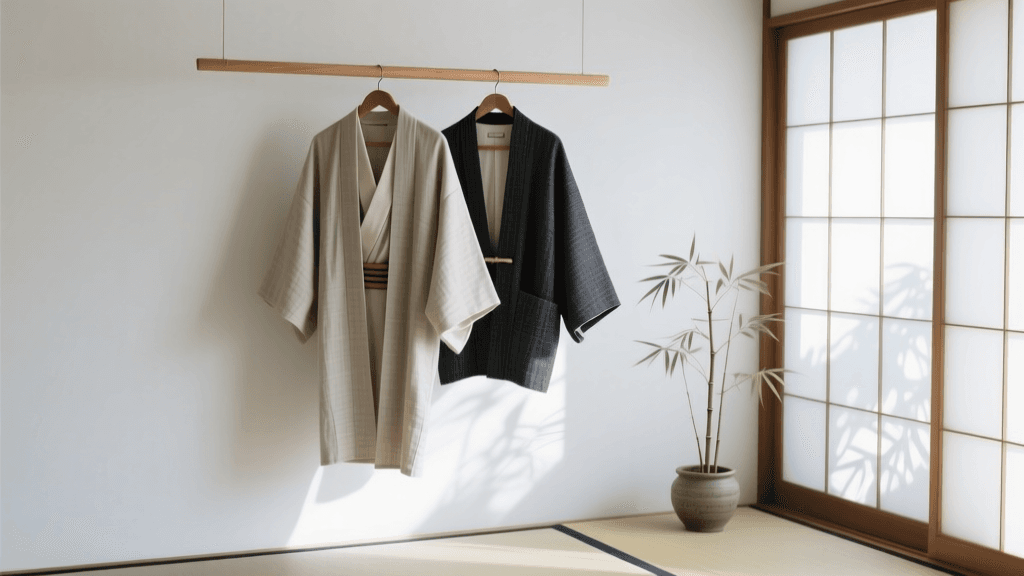
Before attempting to mix these traditional pieces with contemporary clothing, it is crucial to understand their distinct structural differences. The noragi is fundamentally a workwear garment. Originating from Japan's rural farming communities, it was designed for durability, ease of movement, and protection from the elements. It typically features a simple, straight cut, dropped shoulders, and a collarless or simple band-collar neckline. Historically, noragi were the primary canvas for boro (patchwork) and sashiko (decorative reinforcement stitching) techniques, which the Metropolitan Museum of Art's Heilbrunn Timeline of Art History notes as vital evolutionary steps in Japanese textile arts that transformed functional mending into high art.
Conversely, the haori is a formal or semi-formal coat worn over a kimono. It features a distinct, tailored collar that folds back to reveal the layers beneath, and it is traditionally left open at the front, secured only by two small braided ties called haori himo. The haori is characterized by its flowing, T-shaped sleeves and luxurious silk or finely woven linen fabrics.
| Feature | Noragi (Farmer's Jacket) | Haori (Formal Coat) |
|---|---|---|
| Historical Origin | Rural agricultural workwear | Edo-period merchant and samurai formalwear |
| Collar Style | Collarless or simple band collar | Folded, tailored lapel-style collar |
| Front Closure | Open or tied with simple fabric sashes | Open, secured with braided himo ties |
| Typical 2026 Fabrics | Heavyweight sashiko cotton, raw indigo denim, hemp blends | Jacquard silk, lightweight summer linen, tech-wool blends |
| Best Modern Pairing | Streetwear, wide-leg denim, chunky footwear | Smart-casual office wear, tailored trousers, minimal leather shoes |
The 2026 Fabric Revolution: Climate-Adaptive Heritage
One of the most exciting developments in 2026 is how contemporary Japanese ateliers are adapting traditional weaving techniques for modern, climate-responsive wardrobes. While vintage noragi were often crafted from incredibly heavy, multi-layered cottons to withstand harsh winters, today's interpretations utilize advanced, breathable blends. For instance, many 2026 spring collections feature 4oz to 6oz linen-cotton sashiko weaves that provide the textured, three-dimensional look of heritage workwear without causing overheating in transitional weather. Similarly, modern haori are increasingly woven with recycled tech-yarns blended with raw silk, offering the lustrous drape of traditional garments while providing water-resistant and wrinkle-free properties essential for the modern commuter.
Styling the Haori for the Modern Workplace
Integrating a haori into a professional or smart-casual wardrobe requires a careful balance of proportions. Because the haori is designed to be worn open and layered, it acts as an exceptional alternative to the standard unstructured blazer or cardigan.
- The Base Layer: Opt for a fine-gauge merino wool mock-neck or a crisp, high-thread-count cotton poplin shirt. The high neckline of a mock-neck beautifully mirrors the traditional high-collared undergarments of the kimono, creating a cohesive vertical line.
- The Trousers: Pair the flowing silhouette of the haori with structured, high-waisted, single-pleat wool trousers. A 20-inch to 22-inch leg opening provides enough volume to match the drape of the haori without looking sloppy. Avoid skinny or heavily tapered pants, as they will create a jarring, top-heavy silhouette.
- Footwear: Ground the outfit with minimalist leather derbies, sleek suede loafers, or polished Chelsea boots. The sharp lines of modern leather footwear provide a necessary contemporary anchor to the traditional drape of the silk or linen haori.
- Proportion Rule: Ensure the hem of the haori hits around mid-thigh. The sleeves should ideally end just above the wrist bone, allowing a half-inch of your base layer's cuff to peek through, a nod to the traditional layering of kimono sleeves.
Integrating the Noragi into Contemporary Streetwear
The noragi is inherently rugged, making it a natural fit for the elevated streetwear and workwear aesthetics that dominate 2026 casual fashion. Its boxy, cropped cut and dropped shoulders align perfectly with modern utilitarian trends.
- The Base Layer: A heavyweight, boxy-cut cotton t-shirt (around 7oz to 9oz fabric weight) or a relaxed, cropped hoodie works best. The thickness of the base layer should complement, not overpower, the noragi's canvas or denim exterior.
- The Bottoms: Lean into volume. Wide-leg raw selvedge denim, heavy canvas carpenter pants, or technical nylon cargo trousers are ideal. The noragi's cropped nature means your waistline and belt (or drawstring) will be visible, so ensure your trouser hardware is intentional and aesthetically pleasing.
- Footwear: Chunky retro runners, thick-soled derby shoes, or durable trail-ready sneakers provide the necessary visual weight to balance the broad shoulders of the noragi.
- Accessories: Silver jewelry, particularly hand-hammered rings or thick chain necklaces, contrasts beautifully with the matte, rustic texture of indigo and sashiko cotton. A structured canvas tote bag completes the utilitarian narrative.
Color Theory: Anchoring Tradition in a Modern Palette
When mixing traditional Asian garments with Western-style modern clothing, color harmony is essential. In 2026, the most successful integrations rely on a muted, nature-inspired palette that honors the origins of the textiles. Deep, naturally dyed indigo is the undisputed king of the noragi wardrobe; it pairs effortlessly with charcoal greys, unbleached ecru, and faded olive greens. For the haori, sumi (charcoal black), matcha (muted green), and deep plum offer a sophisticated alternative to the standard navy or black blazer. By keeping the rest of your capsule wardrobe in neutral, earthy tones, you allow the intricate sashiko stitching or the subtle jacquard patterns of the haori to serve as the focal point of your outfit.
Care and Maintenance for Heritage Textiles
Investing in traditional garments requires a commitment to proper care, especially when dealing with natural dyes and antique weaving techniques. The Victoria and Albert Museum emphasizes that historical garments require specialized, gentle care to preserve their structural integrity and color vibrancy. In 2026, eco-friendly, pH-neutral detergents specifically formulated for natural indigo and raw silk are widely available and should be your standard. Never machine-wash a silk haori; instead, rely on professional dry cleaners who specialize in heritage textiles. For cotton noragi, hand-washing in cold water and air-drying away from direct UV sunlight will prevent the indigo from fading unevenly and will allow the sashiko threads to shrink naturally, enhancing the garment's beautiful, puckered texture over time.
Conclusion: A Bridge Between Eras
Mixing traditional Asian pieces like the noragi and haori with a modern wardrobe is not about wearing a costume; it is about engaging in a cross-cultural dialogue through the medium of fashion. By respecting the original intent of these garments—the rugged utility of the farmer's jacket and the refined elegance of the formal coat—and adapting them to the proportions and fabrics of 2026, you create a personal style that is both deeply rooted in history and entirely relevant to the modern world. Whether you are draping a silk haori over a tailored office ensemble or throwing a heavy sashiko noragi over your weekend streetwear, you are participating in the ongoing, evolving story of Asian textile traditions.