Japanese Traditional Fashion 2026: Kimono, Hakama & Styling Guide
Japanese traditional fashion is not merely a relic of the past; in 2026, it represents a living, breathing synthesis of Zen spirituality, meticulous craftsmanship, and modern sartorial expression. From the sweeping silhouettes of the kimono to the structured elegance of the hakama, Japanese garments offer a profound sensory experience. The rustle of silk (known as kinu-zure), the earthy scent of natural indigo, and the visual depth of hand-painted motifs all contribute to a wearable art form that transcends mere clothing. This comprehensive guide explores the core garments, masterful weaving methods, footwear, and the integration of these traditions into contemporary life stages and international design in 2026.
The Core Wardrobe: Kimono, Yukata, and Hakama
The Kimono: Layers of Elegance
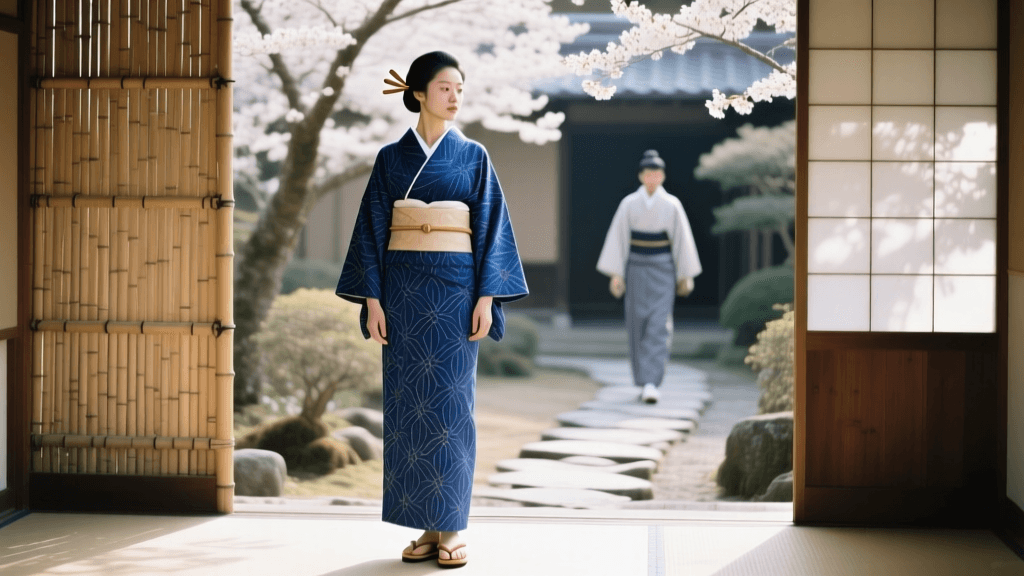
The kimono remains the quintessential Japanese garment. In 2026, wearing a kimono is an exercise in mindfulness and precision. The foundation begins with the hadajuban (under-kimono) and nagajuban (full-length under-robe), which protect the delicate outer silk from oils and sweat. The outer kimono is secured not by buttons or zippers, but by the obi—a wide, intricately woven sash. For formal events, women often wear the furisode (characterized by long, swinging sleeves) or the tomesode (the most formal married women's kimono, featuring patterns only below the waist). Men typically wear subdued, solid-colored kimono paired with a haori (jacket) and hakama.
The Yukata: Summer Festivities
Originally a bathrobe for the nobility, the yukata has evolved into the standard summer garment for festivals (matsuri) and fireworks displays. Made from breathable cotton or modern hemp blends, the yukata is unlined and far more accessible for beginners. In 2026, contemporary yukata designs frequently blend traditional floral motifs with subtle, modern geometric patterns, appealing to a younger demographic seeking sustainable, reusable summer fashion.
The Hakama: Structure and Movement
The hakama is a pleated, divided skirt or wide trousers worn over a kimono. Historically worn by samurai to protect their legs while riding horses, today it is a staple for university graduations, martial arts (like kendo and aikido), and Shinto priests. The five front pleats and two back pleats are often said to represent the five Confucian virtues and the dualities of life, embedding deep philosophical meaning into the garment's structure.
Masterful Weaving and Dyeing Techniques
The true value of Japanese traditional fashion lies in its textiles. According to the Traditional Craft Products of Japan, the preservation of these regional techniques is a national priority, supported by rigorous apprenticeship systems that continue to produce master artisans in 2026.
- Nishijin-ori (Kyoto Brocade): Originating in Kyoto, this technique involves dyeing the threads before weaving them into complex, multi-layered brocades. A single Nishijin obi can take months to weave on a traditional loom and remains one of the most expensive and sought-after accessories in Japanese fashion.
- Kyo-Yuzen (Resist Dyeing): This hand-painting technique uses a rice-paste resist to prevent colors from bleeding into one another. It allows for incredibly detailed, painterly designs on silk, often depicting seasonal flora, flowing water, and auspicious cranes.
- Arimatsu Shibori (Tie-Dye): A labor-intensive method where fabric is bound, stitched, or folded before dyeing, creating intricate, textured patterns. The tactile, three-dimensional quality of high-end shibori is highly prized in modern luxury fashion.
Footwear and Accessories: Zori, Geta, and Tabi
Footwear in Japanese tradition is deeply connected to the sensory experience of walking and the Zen concept of being present in the moment. Geta are wooden clogs elevated by two 'teeth', traditionally worn with yukata. The distinct 'karankoron' sound they make on pavement is a nostalgic auditory hallmark of Japanese summers. Zori, on the other hand, are flat, sandal-like footwear made from woven straw, cloth, or modern synthetic materials, worn with formal kimono. Both require tabi—split-toe socks that separate the big toe from the rest, providing better grip on the thong (hanao) of the footwear and promoting a grounded, mindful stride.
2026 Japanese Garment Comparison Chart
Understanding the formality, materials, and current market costs is essential for collectors and enthusiasts. Below is a structured comparison of core garments as of 2026.
| Garment | Primary Material | Formality Level | Best Season | Average 2026 Cost (USD) |
|---|---|---|---|---|
| Furisode Kimono | 100% Silk (Crepe/Rinzu) | Very High (Unmarried Women) | Winter/Spring | $2,500 - $8,000+ |
| Tomesode Kimono | 100% Silk (Smooth) | Very High (Married Women) | All Seasons | $1,800 - $5,000 |
| Yukata | Cotton / Hemp Blend | Casual | Summer | $80 - $250 |
| Hakama (Andon-bakama) | Silk / Polyester Blend | Formal / Academic | Spring (Graduations) | $150 - $600 |
| Nishijin-ori Obi | Silk / Gold Thread | Formal Accessory | All Seasons | $1,200 - $4,500 |
Dressing for Life Stages and Occasions
Japanese fashion is intrinsically linked to the human life cycle, marking transitions with specific garments that carry immense cultural weight.
Shichi-Go-San (Seven-Five-Three)
Celebrated in November, this rite of passage for children aged three, five, and seven involves dressing in miniature, highly ornate kimono. Girls typically wear colorful, floral-patterned kimono with bright red or pink hifu (padded vests), while five-year-old boys wear their first formal hakama. These garments are often rented or passed down as family heirlooms, emphasizing the tradition of preservation.
Seijin-no-Hi (Coming of Age Day)
Held on the second Monday of January, this holiday celebrates those who have reached the age of majority. It is one of the most vibrant displays of traditional fashion in modern Japan, with thousands of young women donning brilliant, heavily embroidered furisode kimono, often accessorized with lavish faux-fur stoles to combat the winter chill.
Traditional Weddings
For Shinto weddings, the bride wears a shiromuku—an entirely white ensemble symbolizing purity and the willingness to be 'dyed' in the colors of the groom's family. Later in the reception, she may change into an uchikake, a heavily brocaded, trailing coat worn over a kimono, often featuring auspicious motifs like cranes, pine trees, and gold leaf.
Modern Preservation and International Design in 2026
The intersection of Japanese tradition and global fashion has never been more dynamic. In 2026, international design houses are increasingly collaborating with regional Japanese weaving cooperatives. Institutions like the Kyoto Costume Institute and the Tokyo National Museum continue to play pivotal roles in preserving historical textiles while inspiring contemporary designers.
Sustainability is also driving a resurgence in traditional methods. The slow-fashion movement has brought renewed appreciation for natural dyes (like ai, or Japanese indigo) and the durability of hand-woven textiles. Vintage kimono recycling and upcycling—transforming damaged silk into modern haori jackets, tote bags, or even interior decor—has become a thriving subculture in Tokyo and Kyoto, ensuring that the exquisite craftsmanship of the past remains relevant and utilized in the present.
"To wear a kimono is to wrap oneself in the seasons, the history of the artisan's hands, and the quiet dignity of Japanese aesthetics. It is an act of wearing time itself." — Modern Textile Conservator, Kyoto, 2026.
Whether you are attending a summer matsuri in a crisp cotton yukata, studying the intricate gold threads of a Nishijin obi, or simply appreciating the mindful stride required by wooden geta, Japanese traditional fashion offers an unparalleled journey into the heart of Asian cultural heritage. By understanding the life stages, weaving techniques, and styling nuances detailed in this guide, enthusiasts can approach these garments with the respect, knowledge, and aesthetic appreciation they truly deserve.