Ceremonial vs Everyday Hanbok and Kimono: 2026 Guide
The Evolution of Traditional Asian Dress in 2026
As we navigate the fashion landscape of 2026, the dichotomy between ceremonial and everyday traditional Asian garments has never been more pronounced. Across East Asia, traditional dress is no longer confined to museum archives or rare holiday sightings. Instead, it has bifurcated into two distinct categories: the highly structured, meticulously crafted ceremonial garments reserved for life's most significant milestones, and the fluid, modernized everyday adaptations designed for contemporary urban living. Understanding the differences in fabric, construction, cost, and cultural etiquette between these two tiers is essential for anyone looking to respectfully and stylishly integrate Asian sartorial heritage into their modern wardrobe.
Hanbok: From Royal Courts to Seoul Streets
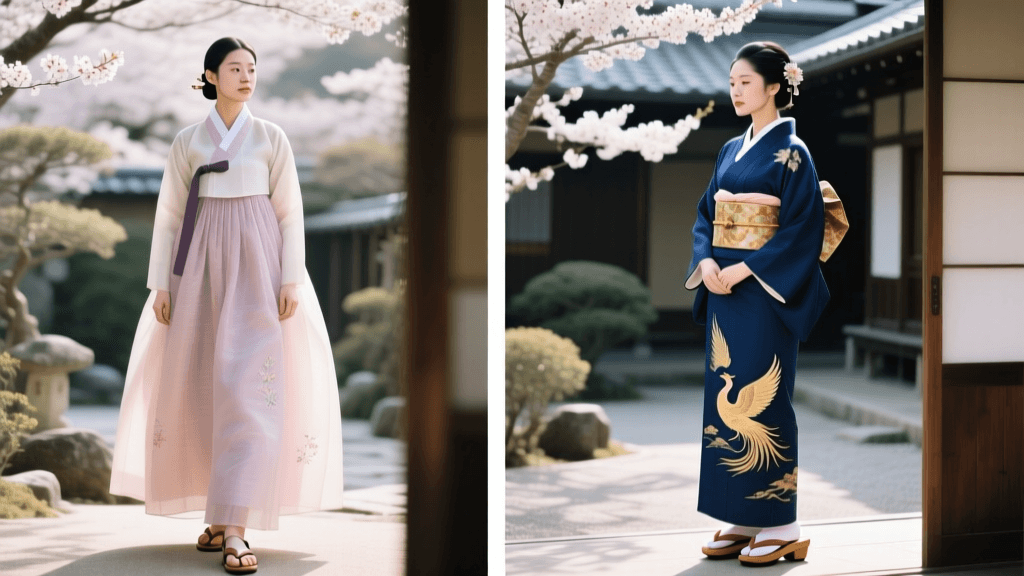
The Korean hanbok is celebrated for its vibrant colors, elegant curves, and harmonious lines. However, the hanbok worn during the Joseon Dynasty by royalty and nobility differs vastly from the garments seen on the streets of Seoul today. In 2026, the distinction between formal and casual hanbok is defined by material integrity, structural complexity, and the presence of traditional embellishments.
Ceremonial Hanbok: The Pinnacle of Elegance
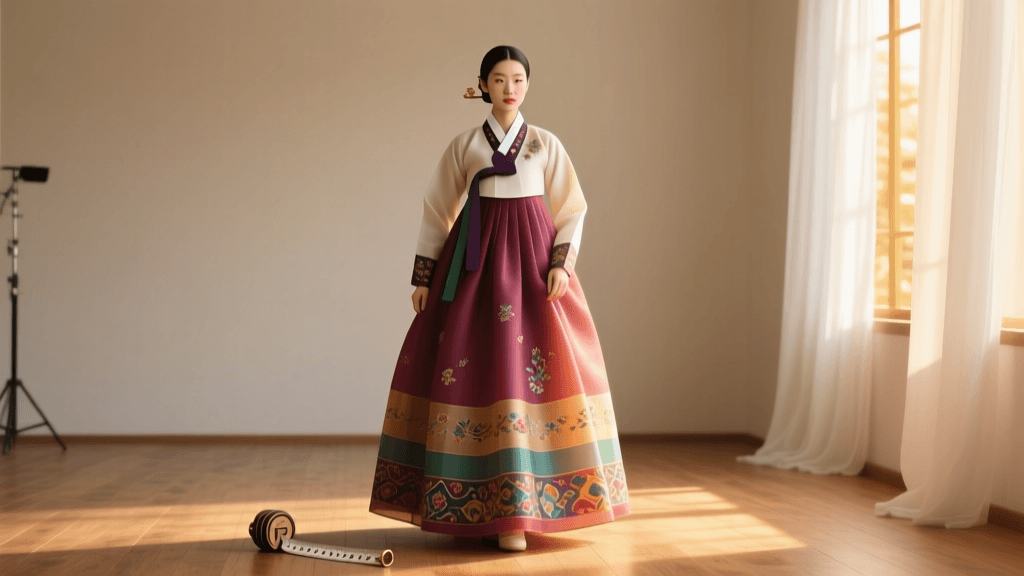
Ceremonial hanbok, often worn during traditional weddings, major ancestral rites, and significant cultural festivals, represents the zenith of Korean textile artistry. These garments are typically constructed from high-grade silk, such as gapsa or myeongju, which provide a natural, luminous sheen. A defining feature of formal hanbok is the use of geumbak, a painstaking process where ultra-thin gold leaf is stamped onto the fabric in intricate patterns of cranes, peonies, or geometric motifs. According to historical archives preserved by the National Museum of Korea, these motifs are not merely decorative; they carry deep auspicious meanings related to longevity, fidelity, and prosperity.
In 2026, a bespoke ceremonial hanbok set, including the heavily layered skirts and structured jackets, requires the expertise of master artisans. The rigid structure of the collar and the precise pleating of the chima (skirt) demand specialized tailoring. Consequently, the cost for a genuine, artisan-crafted ceremonial hanbok ranges from $800 to over $2,500, reflecting the intensive labor and premium natural materials involved.
Everyday Hanbok (Saenghwal Hanbok): Practicality Meets Heritage
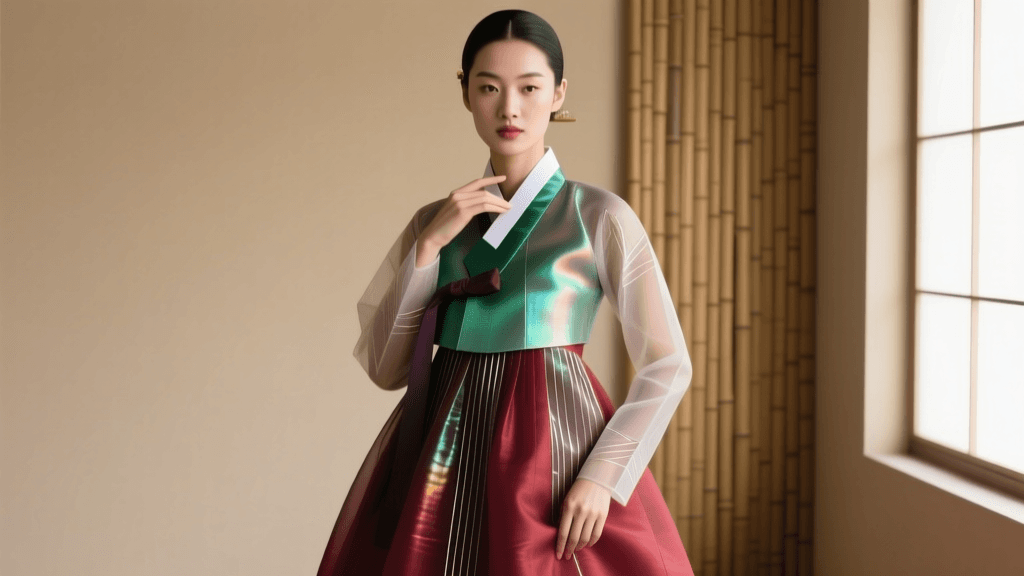
Conversely, the saenghwal hanbok, or everyday hanbok, has been reimagined for the fast-paced lifestyle of the 2020s. The primary goal of the saenghwal hanbok is to retain the recognizable silhouette of the traditional dress while eliminating the physical constraints. Designers have shortened the length of the chima to ankle or calf-length to prevent tripping on modern transit systems and have replaced traditional silk ties with discreet hook-and-eye closures or elasticized waistbands.
Fabric choices for everyday wear prioritize breathability and ease of care. Bio-washed linens, organic cotton blends, and temperature-regulating hemp textiles dominate the 2026 market. These materials are machine-washable, a non-negotiable feature for daily wear. The geumbak gold leaf is replaced by subtle tonal embroidery or omitted entirely. Priced accessibly between $60 and $180, everyday hanbok allows younger generations to wear their cultural heritage to cafes, offices, and casual gatherings without the fear of damaging a priceless silk garment.
Kimono: Navigating Formality and Daily Wear
Japan's kimono tradition operates on a highly codified system of formality. The rules governing which kimono to wear, when to wear it, and how to style it are deeply ingrained in the culture. In 2026, while the strictness of these rules has relaxed slightly for foreigners and younger demographics, the fundamental divide between ceremonial and everyday kimono remains intact.
Ceremonial Kimono: Masterpieces of Silk and Symbolism
Ceremonial kimono, such as the kurotomesode (the most formal kimono for married women) and the furisode (characterized by its long, swinging sleeves for unmarried women), are wearable canvases. These garments are crafted from heavy, uncrepe silk and feature elaborate yuzen dyeing techniques or intricate silk embroidery. The crests, or kamon, are meticulously hand-painted or dyed into the fabric, signifying family lineage and formal intent.
The complexity of a ceremonial kimono extends beyond the outer layer. A formal kituske (dressing) session involves multiple under-layers, including the nagajuban (under-robe), various padding pieces to create a seamless cylindrical silhouette, and a highly ornate silk obi tied in complex knots like the taiko musubi. As highlighted by cultural guides from the Japan National Tourism Organization, mastering the art of formal kimono dressing often requires professional assistance, adding a significant service cost to the wearer's experience. Purchasing a new, formal silk kimono with all necessary accessories in 2026 can easily exceed $5,000, making rental services a popular choice for one-off events like coming-of-age ceremonies or formal tea gatherings.
Everyday Kimono and Yukata: Casual Comfort
For daily wear, casual strolls, or summer festivals, the everyday kimono and yukata take center stage. The yukata, traditionally a cotton bathhouse garment, has evolved into the ultimate casual summer staple. It is unlined, lightweight, and worn directly over simple undergarments. The obi used for a yukata is narrow and tied in simple, manageable knots that a wearer can easily master themselves.
In the cooler months, casual kimono made from komon (repeating pattern) silk or, increasingly in 2026, high-quality washable synthetic blends and denim-cotton mixes, are favored. These everyday garments lack the formal crests and lavish embroidery of their ceremonial counterparts. They are designed to be approachable, comfortable, and relatively affordable, with prices ranging from $40 for a basic yukata to $250 for a stylish, modern casual kimono set.
2026 Comparison Chart: Ceremonial vs. Everyday Garments
To better understand the practical differences when building a traditional wardrobe, refer to the comparison table below outlining the key metrics for 2026.
| Feature | Ceremonial Hanbok | Everyday Hanbok | Ceremonial Kimono | Everyday Kimono / Yukata |
|---|---|---|---|---|
| Primary Fabric | Heavy Silk, Gapsa | Cotton, Linen, Hemp | Heavy Silk, Brocade | Light Cotton, Washable Blends |
| 2026 Avg Cost (USD) | $800 - $2,500+ | $60 - $180 | $2,000 - $8,000+ | $40 - $250 |
| Maintenance | Specialist Dry Clean Only | Machine Washable | Specialist Dry Clean Only | Machine / Hand Washable |
| Time to Dress | 15 - 30 Minutes | 3 - 5 Minutes | 45 - 90 Minutes (Pro Help) | 10 - 15 Minutes |
| Embellishments | Geumbak (Gold Leaf), Silk Thread | Minimal or Tonal Embroidery | Yuzen Dyeing, Kamon (Crests) | Printed Patterns, Woven Textures |
Sourcing and Styling Tips for 2026
If you are looking to incorporate these garments into your life, knowing where and how to source them is crucial. The textile conservation experts at the Victoria and Albert Museum frequently emphasize the importance of understanding textile origins to appreciate their cultural value. When shopping in 2026, keep the following actionable tips in mind:
- Verify the Silk: When purchasing ceremonial wear, always ask for a fabric burn test or a certificate of authenticity. The market is flooded with high-grade polyesters that mimic silk but lack the breathability and historical accuracy required for true formal wear.
- Embrace Modern Tailoring for Daily Wear: Do not be afraid to have an everyday hanbok or casual kimono tailored to your specific body type. Traditional garments are often cut in straight lines, but modern everyday adaptations benefit from subtle darting and hemming to suit contemporary footwear and movement.
- Mix and Match Respectfully: In 2026, it is highly fashionable to pair an everyday hanbok skirt with a modern knit turtleneck, or to wear a casual kimono jacket over a simple linen dress. However, avoid mixing ceremonial elements, like a formal silk obi, with casual cotton wear, as this creates a sartorial clash that is considered culturally incongruous.
- Support Certified Artisans: For ceremonial pieces, bypass fast-fashion online marketplaces. Seek out certified cultural heritage brands or established ateliers that employ traditional weaving and dyeing techniques, ensuring your investment supports the continuation of these ancient crafts.
Preserving Heritage Through Modern Utility
The survival of the hanbok and kimono in the 21st century relies entirely on this dual-track approach. Ceremonial garments act as the anchors of cultural identity, preserving the highest levels of artisanal skill, historical accuracy, and symbolic depth. They are the living museums of East Asian textile history. Meanwhile, everyday adaptations act as the vital, breathing extensions of the culture, ensuring that the silhouettes and aesthetics remain relevant, visible, and integrated into the daily rhythm of modern life. By understanding and respecting the boundaries and innovations of both spheres, wearers in 2026 can honor the past while confidently stepping into the future.