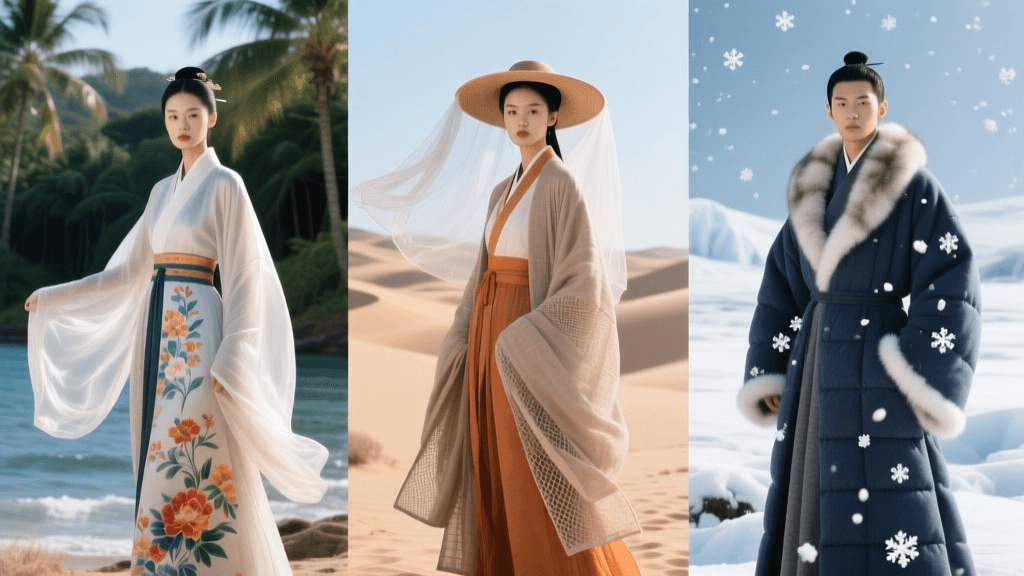
Buying Authentic Hanbok Online 2026: Top Marketplaces & Tailors
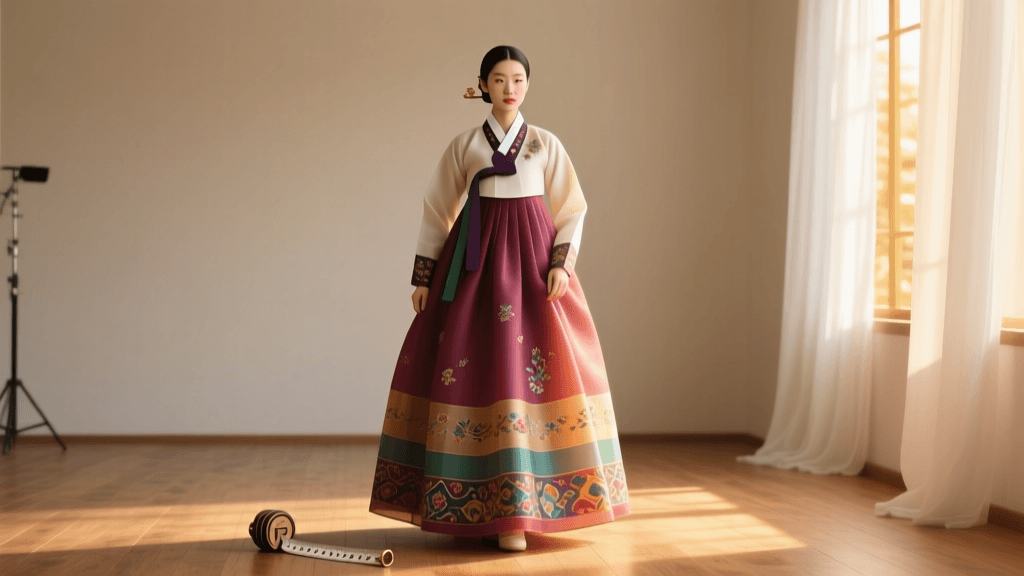
The Global Hanbok Renaissance and the 2026 E-Commerce Shift
The traditional Korean garment, the hanbok, has transcended its historical roots to become a global symbol of elegance, structural beauty, and cultural heritage. As we navigate the fashion landscape of 2026, the demand for authentic jeontong hanbok (traditional hanbok) has surged internationally. This is driven by global media, international cultural exhibitions, and a growing appreciation for slow fashion and artisanal craftsmanship. However, for international buyers, the digital marketplace is heavily saturated with mass-produced, synthetic costumes that bear little resemblance to genuine Korean attire. Sourcing authentic pieces requires knowing exactly which online platforms connect you directly with Korean artisans, heritage brands, and master tailors.
According to the Korean Culture and Information Service, the preservation and global promotion of traditional clothing have become a major cultural initiative, leading to a robust digital infrastructure for heritage e-commerce. In 2026, buying authentic hanbok online is more accessible than ever, provided you know how to navigate Korean domestic platforms, understand traditional textiles, and accurately communicate your measurements to overseas tailors.
Mass-Market Costumes vs. Authentic Jeontong Hanbok
Before adding items to your cart, it is vital to distinguish between a costume and a genuine traditional garment. Mass-market sets, often priced between $30 and $60 USD on global mega-retailers, are typically constructed from cheap polyester blends. They feature printed-on patterns, machine-stiffened collars, and Velcro closures that completely undermine the historical integrity of the garment.
Authentic jeontong hanbok, on the other hand, relies on precise structural elements. The dongjeong (the crisp white paper-lined collar) must be detachable and pristine. The goreum (the long coat strings used to tie the jacket) must be cut on the bias and weighted correctly to hang elegantly. Furthermore, authentic garments utilize natural fibers like silk, ramie, and hemp, which dictate the drape, breathability, and longevity of the piece. Investing in authentic hanbok means investing in garments that can be passed down through generations.
Top Online Marketplaces for Authentic Hanbok in 2026
To bypass the sea of synthetic imitations, savvy buyers in 2026 are turning directly to Korean domestic platforms and specialized heritage portals. Here are the most reliable marketplaces for sourcing authentic traditional garments.
1. Idus: The Artisan Hub
Often described as the Korean equivalent of Etsy, Idus is the premier destination for handmade, artisanal goods. This platform is exceptional for sourcing traditional accessories that elevate a hanbok ensemble. If you are looking for hand-embroidered norigae (ornamental pendants tied to the skirt waist or jacket strings), intricately braided daenggi (hair ribbons), or custom beaded binyeo (hairpins), Idus connects you directly with independent Korean craftspeople. Many sellers on Idus now offer integrated international shipping portals, making it easier than ever to receive bespoke accessories globally.
2. Gmarket Global and Naver Smart Stores
For ready-to-wear authentic hanbok from established heritage brands, Gmarket Global remains a powerhouse. Brands like Sonjjang Hanbok, which has been crafting traditional garments for decades, operate flagship stores here. Gmarket provides English-language interfaces and consolidated international shipping. Meanwhile, Naver Smart Stores offer a more localized experience. While navigating Naver requires some translation tools, it grants you direct access to small, family-run boutiques located in Seoul’s historic Bukchon and Insadong districts, many of which offer custom overseas tailoring services.
3. Direct-to-Consumer Heritage Brands
In 2026, several prestigious Korean hanbok houses have launched dedicated global e-commerce sites. Brands like Danha, which masterfully blends traditional silk weaving techniques with slightly modernized, wearable silhouettes, allow international buyers to purchase authentic jeogori (jackets) and chima (skirts) without needing a Korean proxy address. These D2C sites often feature augmented reality (AR) fitting rooms, allowing you to visualize the drape of the silk before committing to a custom order.
2026 Sourcing Comparison Chart
Use the table below to determine which purchasing route best aligns with your budget, timeline, and authenticity requirements.
| Platform / Source | Best For | Price Range (USD) | Lead Time | Authenticity Level |
|---|---|---|---|---|
| Idus (Artisan Market) | Handmade accessories, norigae, custom indie jackets | $40 - $300 | 2 - 4 Weeks | High (Artisan Crafted) |
| Gmarket Global | Ready-to-wear authentic sets from heritage brands | $150 - $600 | 1 - 2 Weeks | High (Commercial Traditional) |
| Naver Smart Stores | Bespoke tailoring, rare regional fabrics, bridal hanbok | $400 - $2,500+ | 4 - 8 Weeks | Exceptional (Master Tailored) |
| Global Mega-Retailers | Photography props, casual cosplay, Halloween | $25 - $70 | 3 - 7 Days | Low (Synthetic Costume) |
How to Measure for Custom Hanbok Online
Unlike Western clothing, which relies on standardized S/M/L sizing based on form-fitting metrics, hanbok is designed with volumetric grace. The fit of the jeogori is meant to rest gently on the body, while the chima or baji (pants) are tied securely above the natural waist. When ordering custom pieces from a Korean tailor online in 2026, you will need to provide specific measurements.
Pro Tip: Never measure over thick clothing. Wear a thin, form-fitting layer, and use a soft fiberglass measuring tape. If you are between sizes, traditional tailors generally recommend sizing up the chima for a more luxurious drape, while keeping the jeogori exact.
- Chest (Gaseum): Measure around the fullest part of your bust/chest, keeping the tape level across your back.
- Waist (Heori): For hanbok, measure your high waist, approximately one inch above your navel, where the skirt or pants will be tied.
- Hips (Eongdeongi): Measure the widest part of your lower body to ensure the under-layers and skirt have adequate volume.
- Arm Length (Ppae): Measure from the base of your neck (at the spine), across your shoulder, and down to your wrist bone. The sleeves of a traditional jeogori are cut in a single continuous curve with the body, making this measurement critical.
- Back Length (Deung): From the prominent bone at the base of your neck down to your natural high waist.
Navigating Traditional Fabrics: Silk, Ramie, and Hemp
The soul of an authentic hanbok lies in its textile. The Cultural Heritage Administration of Korea actively recognizes and protects several traditional weaving and dyeing techniques as Intangible Cultural Heritage. When shopping online, look for these specific fabric terms in the product descriptions:
Myeongju (Silk): A plain-woven silk that is soft, lustrous, and possesses a beautiful structural memory. It is the gold standard for autumn and winter hanbok, as well as for bridal and ceremonial wear. Authentic myeongju will have slight, natural irregularities that prove it was woven on traditional looms rather than mass-produced in synthetic factories.
Mosi (Ramie): A semi-translucent, highly breathable fabric woven from ramie plant fibers. Mosi is crisp, cool to the touch, and historically favored by scholars and nobility for summer garments. It requires immense skill to weave, and genuine Hansan Mosi is a prized, expensive textile.
Sambe (Hemp): A rustic, durable fabric with a slightly rougher texture than ramie. It is often used for everyday traditional wear or mourning garments, offering a deeply historical, earthy aesthetic.
Shipping, Customs, and Garment Care
In 2026, international logistics from South Korea are highly streamlined. Most reputable hanbok boutiques ship via EMS (Express Mail Service) or DHL. EMS is generally more cost-effective for garments and clears customs smoothly in most Western countries, typically arriving within 7 to 14 business days. Be prepared to pay local import duties on textiles exceeding your country's de minimis threshold, which your courier will invoice prior to final delivery.
Caring for authentic hanbok requires strict adherence to traditional textile maintenance. Never machine wash or hand wash authentic silk or ramie hanbok. Water can cause the natural dyes to bleed and the fibers to warp. Instead, utilize a professional dry cleaner who has explicit experience with delicate, natural-fiber heritage garments. Between wears, hang the chima on a wide, padded hanger to preserve the pleats, and fold the jeogori neatly along its natural seam lines, storing it in a breathable cotton garment bag away from direct sunlight to prevent the silk from degrading.
Conclusion
Purchasing an authentic hanbok online in 2026 is an investment in cultural preservation and sartorial excellence. By bypassing generic marketplaces and engaging directly with Korean artisan hubs like Idus, established heritage portals on Gmarket, and master tailors via Naver, you ensure that your garment is a true reflection of Korean history. Take the time to understand the textiles, measure accurately, and care for your garments properly, and your authentic hanbok will remain a breathtaking centerpiece of your wardrobe for decades to come.