Styling the Japanese Haori for Modern Urban Wardrobes in 2026
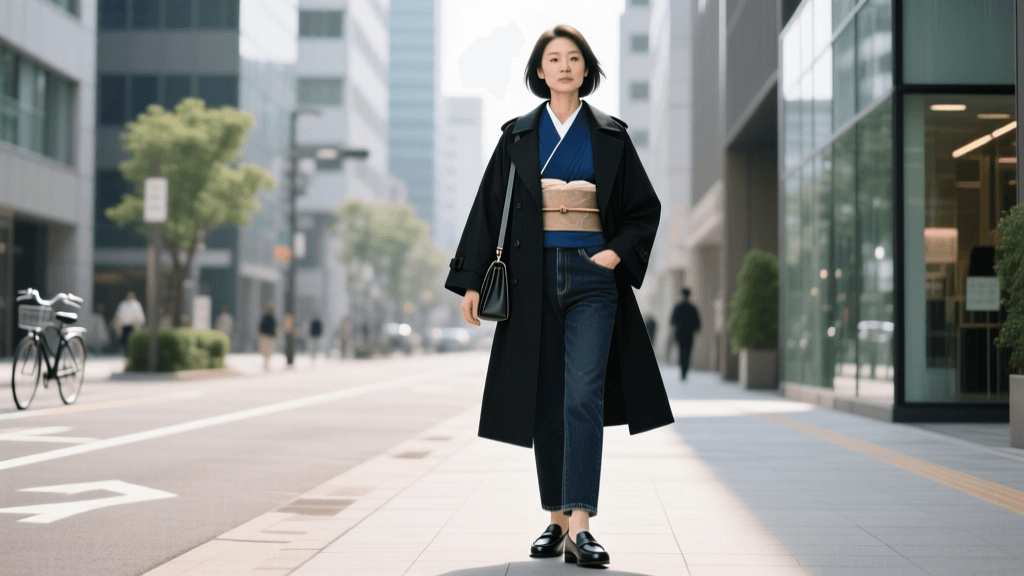
The 2026 Haori Renaissance: Bridging Heritage and Contemporary Style
In the ever-evolving landscape of global fashion, the traditional Japanese haori has cemented its place as a cornerstone of the modern hybrid wardrobe. As we navigate the style landscape of 2026, the desire to blend cultural heritage with contemporary urban aesthetics has never been stronger. The haori—a hip- or thigh-length, kimono-style jacket—offers an unparalleled silhouette that flatters diverse body types while providing a striking layer of visual interest. No longer confined to ceremonial wear or martial arts uniforms, the haori is now a staple for the fashion-forward individual seeking to infuse their daily rotation with mindfulness, history, and structural elegance.
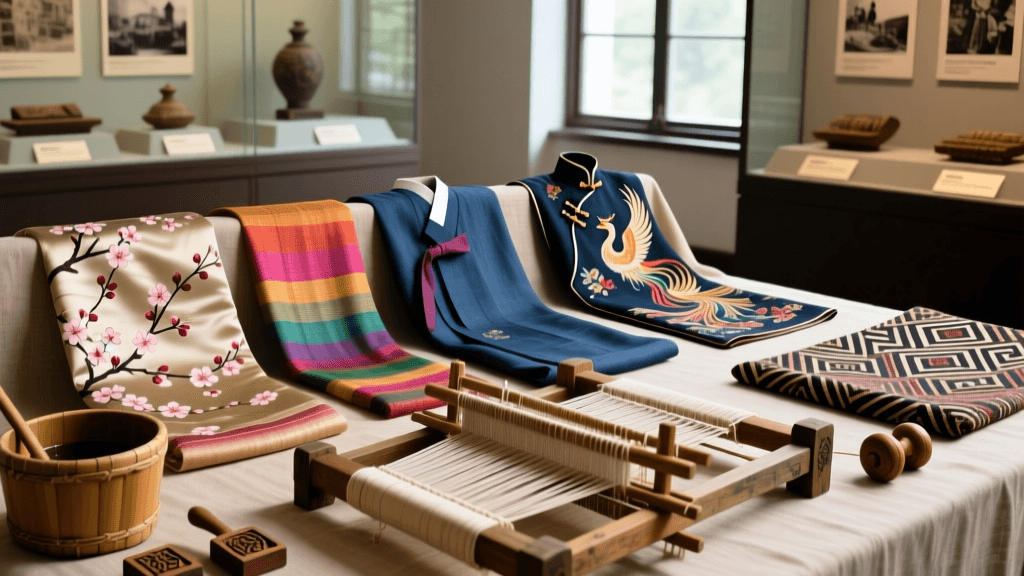
According to the digital archives at the Kyoto Costume Institute, the haori originated as a practical garment for warmth before evolving into a profound symbol of status, artistry, and regional identity. Today, modern stylists and designers are reinterpreting this rich history, creating a seamless dialogue between centuries-old Japanese tailoring and the demands of the 2026 urban commute.
The Anatomy of a Modern-Ready Haori
Before integrating a haori into a contemporary closet, it is essential to understand its structural nuances. Unlike Western jackets, the haori lacks a lapel, collar, or traditional button closures. It is designed to hang straight from the shoulders, creating a fluid, architectural drape that layers effortlessly over modern garments without adding bulk to the chest or waist.
Proportions and Fit
For a modern 2026 aesthetic, proportion is everything. While traditional haoris often hit at the mid-thigh, contemporary styling favors two distinct lengths: the cropped hip-length haori, which acts similarly to a modern bolero or cropped bomber jacket, and the extended calf-length haori, which functions as a dramatic duster coat. When shopping, look for drop-shoulder seams that extend at least two to three inches past your natural shoulder line. This ensures the sleeves drape correctly over modern thick-knit sweaters or structured blazers underneath.
Rethinking the Haori Himo (Ties)
Traditionally, the haori is secured at the front using a himo—a woven or braided cord. In 2026, many wearers choose to leave the haori completely open to allow the inner layers to breathe and create a dynamic, flowing silhouette as they walk. However, if you prefer a closed look, the traditional himo can feel overly ceremonial for a casual office or streetwear environment. A popular modern workaround is swapping the himo for a minimalist leather cord, a sleek silk ribbon, or even a discreet interior magnetic clasp, allowing the garment to stay secure while maintaining a clean, unbroken exterior line.
3 Core Styling Formulas for 2026
Mixing traditional Asian garments with modern pieces requires a careful balance of textures, volumes, and color palettes. Here are three highly actionable styling formulas to master this season.
Formula 1: The Urban Commuter
The Pieces: A mid-length, solid-colored Cupro or matte-silk haori, a fine-gauge merino wool turtleneck, tailored wide-leg trousers, and minimalist leather loafers.
The Execution: This look bridges the gap between smart-casual and high-fashion. The fluid drape of the haori softens the sharp, structured lines of the tailored trousers. Stick to a monochromatic or tonal palette—such as a slate-grey haori over a charcoal turtleneck and black trousers. The lack of lapels on the haori keeps the neckline clean, allowing the turtleneck to frame the face elegantly. This is an ideal uniform for creative professionals navigating the 2026 hybrid-work environment.
Formula 2: Elevated Streetwear Layering
The Pieces: A vintage, patterned silk haori (featuring subtle family crests or nature motifs), a heavyweight 300gsm graphic cotton tee, baggy raw-denim jeans, and chunky retro sneakers.
The Execution: Contrast is the key to this formula. The delicate, luminous sheen of vintage silk plays beautifully against the matte, rugged texture of raw denim and heavy cotton. Let the haori remain completely open. The bold patterns of the silk act as the focal point of the outfit, so keep the t-shirt and denim in muted, neutral tones like faded indigo, off-white, or washed black.
Formula 3: Summer Evening Elegance
The Pieces: A lightweight, breathable organic linen haori, a bias-cut slip dress or a matching linen co-ord set, and strappy leather sandals.
The Execution: Linen haoris have seen a massive surge in popularity for resort wear and summer evenings. The natural slub of the linen provides a tactile, earthy contrast to the smooth, liquid drape of a silk slip dress. Opt for botanical or earth-toned dyes, such as matcha green, terracotta, or indigo. This formula provides necessary coverage for breezy evenings while maintaining an effortless, resort-ready silhouette.
Fabric and Seasonality Guide
Choosing the right textile is crucial for ensuring your haori functions as a practical layering piece rather than a mere costume. Below is a comprehensive guide to the most popular haori fabrics available in the 2026 market, including their ideal seasons and current price ranges.
| Fabric Type | Best Season | 2026 Avg. Price (USD) | Modern Styling Vibe | Care Instructions |
|---|---|---|---|---|
| Vintage Silk | Spring / Autumn | $250 - $600 | Elevated Evening / Streetwear | Dry Clean Only |
| Organic Linen | Summer | $180 - $350 | Relaxed Coastal / Resort | Machine Wash Cold, Line Dry |
| Cupro Blend | Year-Round | $150 - $280 | Urban Commuter / Office | Hand Wash / Steam |
| Wool-Cashmere | Winter | $400 - $850 | Smart Outerwear / Formal | Professional Clean |
Sourcing Authentic and Upcycled Haoris
The 2026 fashion market places a heavy emphasis on sustainability and circularity. Consequently, the upcycled kimono market has become the primary source for authentic silk haoris. Artisans and specialized vintage curators carefully dismantle damaged or stained vintage kimonos, salvaging the pristine sections of silk to tailor new, modern-proportioned haoris. This process not only preserves incredible mid-century Japanese dyeing techniques, such as yuzen and shibori, but also prevents textile waste.
When sourcing online, look for specialized boutiques based in Kyoto or Tokyo that provide detailed measurements in centimeters, specifically noting the yuki (sleeve length from center back) and miyatsukuchi (the open vents under the arms). For those seeking brand-new, contemporary interpretations, several sustainable fashion labels are now producing haoris using deadstock fabrics and eco-friendly Cupro, offering machine-washable convenience without sacrificing the traditional silhouette.
Footwear Pairings: Grounding the Silhouette
The footwear you choose will dictate the overall direction of your haori-styled outfit. While traditional zori or geta are reserved for formal kimono wear, modern styling requires a different approach.
- Chunky Loafers: The thick sole of a modern lug-sole loafer provides a necessary visual weight to balance the flowing, voluminous hem of a mid-length haori.
- Minimalist Sneakers: A clean, low-profile leather sneaker in white or black keeps the urban commuter look grounded and practical for city walking.
- Modern Tabi Boots: For the fashion purist, contemporary split-toe leather ankle boots offer a subtle nod to traditional Japanese footwear while remaining entirely appropriate for a modern winter wardrobe.
Care and Maintenance for Hybrid Wardrobes
Proper care is essential to maintain the structural integrity and vibrant dyes of your garments. When preserving vintage textiles, experts at the Victoria and Albert Museum recommend avoiding direct sunlight and utilizing acid-free tissue paper for storage, a practice that remains essential for collectors in 2026. Never hang a heavy vintage silk haori on a thin wire hanger; the weight of the fabric will distort the shoulder seams over time. Instead, use a wide, padded wooden hanger, or fold the garment along its natural seam lines and store it in a breathable cotton garment bag with natural cedar blocks to deter pests without the use of harsh chemicals.
“The beauty of the haori in a modern context lies in its refusal to conform to the rigid structures of Western tailoring. It breathes, it moves, and it demands that the wearer engage with space and fabric in a completely different way.”
By thoughtfully integrating the haori into your 2026 wardrobe, you do more than just adopt a striking fashion trend; you participate in the ongoing, living evolution of Asian textile traditions, proving that true heritage is not static, but endlessly adaptable.