2026 Hanfu Coming-Of-Age Ceremonies: Ji Li & Guan Li Guide
The Revival of Coming-of-Age Rites in 2026
As we navigate through 2026, the global Hanfu movement has matured from a niche internet subculture into a cornerstone of mainstream cultural expression. No longer confined to casual street fashion or social media photoshoots, traditional Chinese garments are now taking center stage in formal life milestones. Among the most profound of these milestones are the traditional coming-of-age ceremonies: the Ji Li (笄礼) for young women and the Guan Li (冠礼) for young men. Rooted in the ancient Book of Rites (Liji), these ceremonies mark the transition from childhood to adulthood, carrying deep responsibilities, societal expectations, and spiritual significance.
In 2026, cultural tourism boards, university Hanfu societies, and specialized ceremonial planners have standardized these rites, making them more accessible than ever. Whether you are planning a ceremony for a high school graduate, a university student, or simply seeking to reconnect with ancestral traditions, understanding the intricate garment changes, ritual steps, and modern sourcing options is essential.
Understanding Ji Li (笄礼): The Hair-Pinning Ceremony
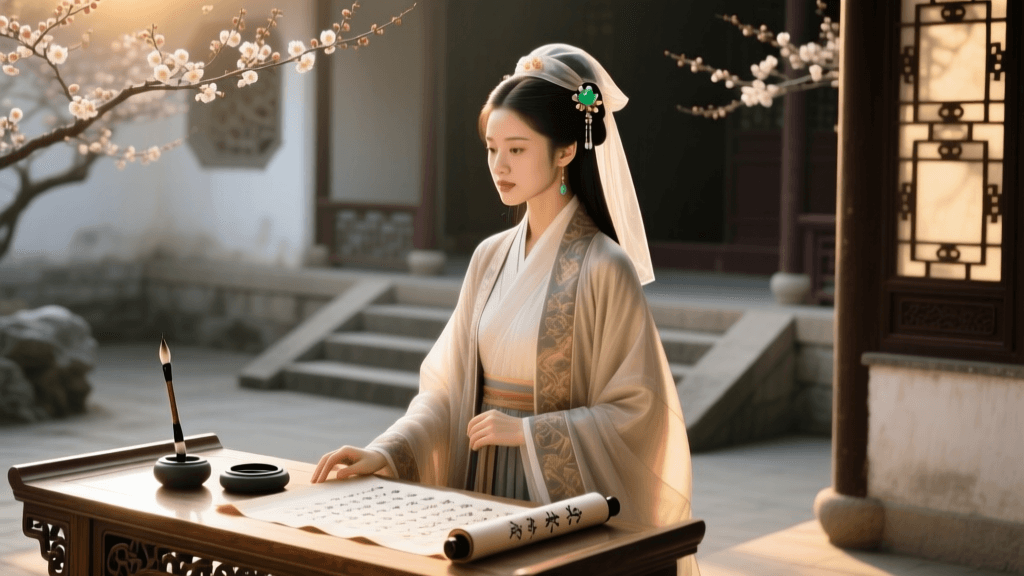
The Ji Li is traditionally performed for young women between the ages of 15 and 20. The central act of the ceremony is the pinning up of the hair, which was previously worn loose or in simple childhood braids. This physical transformation symbolizes her readiness to take on adult responsibilities and, historically, her eligibility for marriage. In 2026, the focus has shifted heavily toward personal empowerment, academic readiness, and cultural pride.
The Three Garment Changes (San Jia)
A formal Ji Li requires three distinct outfit changes, each representing a different stage of maturity:
- First Addition (Chu Jia): The celebrant wears a simple, modest Ruqun (a top and skirt ensemble), typically in pastel or light colors like celadon or soft pink. This represents the innocence of childhood and the initial step into youth. The hair is secured with a simple wooden or jade hairpin.
- Second Addition (Er Jia): The outfit changes into a more structured Aoqun (a lined jacket and skirt) or a graceful Beizi. The colors become deeper and more vibrant, such as ruby red or sapphire blue, symbolizing the blooming of youth and the acquisition of knowledge. A more ornate hairpin, often crafted from silver or gold-plated alloys, is added.
- Third Addition (San Jia): The final change is into a formal, majestic court-style dress, such as a Ming-style Da Xiufen (large-sleeved robe) or a heavily embroidered Di Yi. The colors are typically regal, featuring deep crimson, black, or imperial yellow accents. The hair is fully styled into an elaborate updo, secured with a formal Ji (hairpin) and a Guan (crown or diadem), signifying full adulthood and societal respect.
Understanding Guan Li (冠礼): The Capping Ceremony
The Guan Li is the male equivalent, traditionally performed at age 20. It emphasizes the transition into a man who is expected to uphold familial duties, societal ethics, and national responsibilities. The ceremony revolves around the progressive capping of the head.
The Three Cappings
- First Capping: The young man dons a simple Futou (a basic black cap) and a modest dark-colored Shenyi (deep robe). This represents the foundational stage of manhood and the commitment to basic moral virtues.
- Second Capping: He changes into a scholar's hat (Rufu) and a more refined, layered robe, often featuring subtle embroidery. This signifies the pursuit of education, intellect, and civic duty.
- Third Capping: The final capping involves a formal ceremonial crown, such as the Liang Guan or a formal Ming-style official hat, paired with a grand, sweeping court robe. This marks his full integration into adult society as a respected, responsible gentleman.
2026 Sourcing Guide: Where to Buy Ceremonial Hanfu
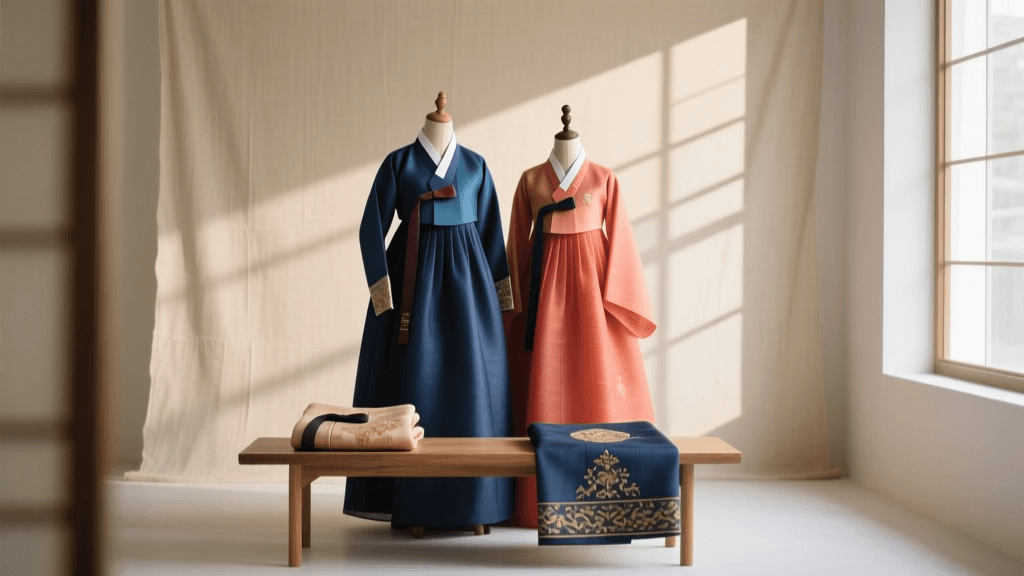
The Hanfu market in 2026 is highly segmented. While mass-market brands offer accessible options for casual wear, ceremonial Hanfu requires premium fabrics like authentic Xiangyunsha (gambiered gauze) and Song brocade. The intricate silk weaving techniques that make these ceremonial garments possible are recognized globally, with traditional sericulture and silk craftsmanship officially inscribed on the UNESCO Representative List of the Intangible Cultural Heritage of Humanity.
Below is a comprehensive guide to sourcing ceremonial Hanfu in 2026, comparing top tiers based on budget, authenticity, and lead times.
| Brand / Tier | Garment Style & Material | Estimated 2026 Price (USD) | Lead Time | Best For |
|---|---|---|---|---|
| Ming Huatang (High-End Custom) | Ming-style court dress, authentic silk brocade, hand-woven | $2,500 - $5,000+ | 6 - 10 Months | Heirloom pieces, museum-quality Guan/Ji Li |
| Zhongling (Premium Boutique) | Song & Ming styles, premium jacquard silk, detailed embroidery | $800 - $1,500 | 2 - 4 Months | Formal university graduations, serious enthusiasts |
| Shisan Yu (Accessible Retail) | Stylized ceremonial sets, poly-silk blends, machine embroidery | $150 - $350 | 1 - 2 Weeks | Budget-friendly ceremonies, high school milestones |
| Independent Taobao Artisans | Custom Xiangyunsha, hand-dyed, small-batch production | $600 - $1,200 | 3 - 5 Months | Unique, personalized fabrics, eco-conscious buyers |
Step-by-Step Ceremony Planning & Execution
Hosting a Ji Li or Guan Li in 2026 requires careful coordination of personnel, venue, and ritual flow. Modern planners often blend ancient texts with contemporary event management to ensure the ceremony is both authentic and engaging for modern guests.
Key Personnel
- The Celebrant (Ji Li / Guan Li Zhe): The young adult undergoing the rite.
- The Officiant (Zhengbin): Traditionally a respected elder or scholar of the same gender as the celebrant. In 2026, this is often a university professor, a community leader, or a revered family elder.
- The Assistant (Zanke): A peer or slightly older friend who assists with the garment changes and hair styling.
- The Host (Zhu Ren): Usually the parents or guardians of the celebrant, who formally welcome the guests and the Officiant.
The Ritual Flow
- Welcoming the Guests (Ying Bin): The Host greets the Officiant and guests at the entrance of the venue, accompanied by traditional Yayue (elegant court music).
- The First Addition: The celebrant enters, kneels, and the Officiant washes their hands (a ritual purification), then places the first hairpin or cap on the celebrant's head while reciting a blessing of health and innocence.
- Garment Change & Second Addition: The celebrant retires to change into the second outfit. Upon returning, the Officiant adds the second pin/cap, blessing them with wisdom and academic success.
- Garment Change & Third Addition: After the final outfit change, the formal crown or diadem is placed. The blessing focuses on societal contribution, moral integrity, and familial prosperity.
- Offering Wine (Li Zi): The celebrant is offered a cup of sweet rice wine, symbolizing the bittersweet nature of adult life.
- Bestowing the Courtesy Name (Zi): The Officiant grants the celebrant a Zi (courtesy name), which adults use to address them in formal settings, marking their new social identity.
- Bowing (Bai Xie): The celebrant bows to the Officiant, the Host (parents), and the guests, expressing profound gratitude.
Venue and Atmosphere in 2026
While ancestral halls and Confucian temples remain the most authentic venues, 2026 has seen a surge in specialized cultural spaces and botanical gardens offering 'Hanfu Ceremony Packages.' These venues provide the necessary architectural backdrop—such as red pillars, curved eaves, and wooden pavilions—while offering modern amenities like climate control and professional lighting for photography. For historical context on the evolution of these silk garments and the environments they were worn in, the Metropolitan Museum of Art's Heilbrunn Timeline of Art History provides extensive documentation on Chinese silk, dress evolution, and courtly aesthetics.
Blending Tradition with 2026 Graduations
One of the most exciting trends in 2026 is the integration of the Ji Li and Guan Li with modern academic graduations. Many universities across Asia, and increasingly in Western institutions with large Asian student populations, now host 'Hanfu Graduation Ceremonies.' Instead of the standard Western cap and gown, graduates don their Ming-style academic robes or Song-style scholar attire. The 'tassel turning' is replaced or supplemented by the formal capping or hair-pinning ritual, bridging the gap between ancient scholarly traditions and modern academic achievements.
For parents and young adults planning these milestones, the investment in a high-quality Hanfu set is increasingly viewed not just as an expense for a single day, but as the acquisition of a cultural heirloom. Whether opting for a custom-woven Xiangyunsha robe or a beautifully embroidered boutique set, the coming-of-age ceremony in 2026 remains a profound, life-affirming celebration of heritage, maturity, and the journey ahead.