Cheongsam in 2026 Global Fashion Media: Editorial Styling Guide
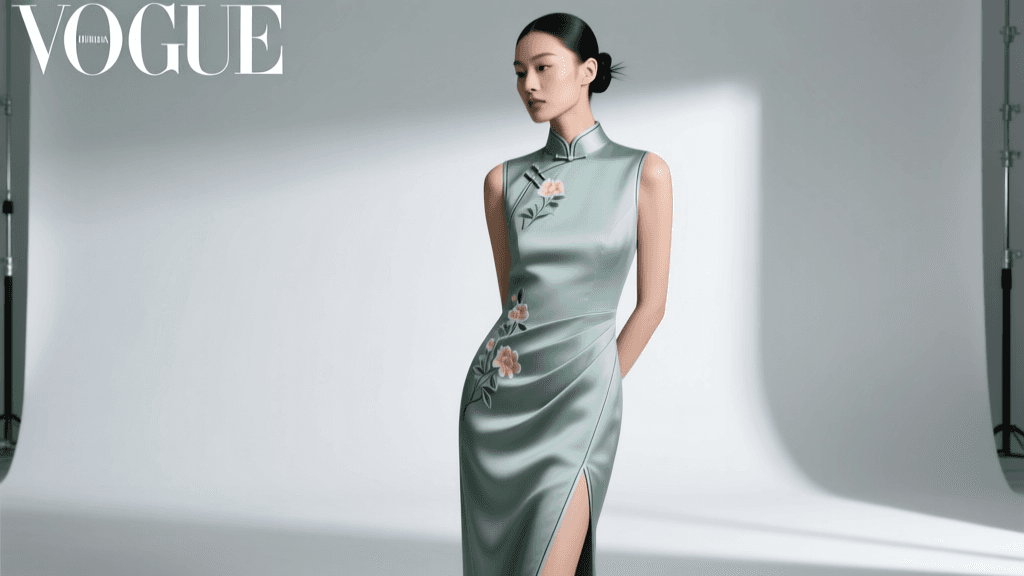
The Renaissance of the Cheongsam in 2026 Global Fashion Media
As we navigate the 2026 editorial season, the cheongsam (also known as the qipao) has firmly transcended its traditional boundaries to become a cornerstone of global high-fashion media. No longer confined to ceremonial wear or historical retrospectives, this iconic Asian garment is dominating the pages of Vogue, Harper's Bazaar, and avant-garde indie publications. Global fashion editors and stylists are reimagining the cheongsam, blending its rich heritage with cutting-edge sustainable textiles and deconstructed silhouettes. For fashion students, editorial stylists, and cultural historians alike, understanding how to style, source, and pitch the modern cheongsam in 2026 is essential for staying ahead in the competitive landscape of global fashion media.
The shift we are witnessing in 2026 is not merely aesthetic; it is deeply rooted in a demand for cultural authenticity, sustainable innovation, and dynamic movement. According to the Victoria and Albert Museum's historical analysis of the cheongsam, the garment has always been a reflection of modernity and shifting social roles for women. Today, that modernity is expressed through eco-conscious manufacturing and gender-fluid styling, making it a favorite for editorial directors seeking depth and narrative in their visual storytelling.
The 2026 Editorial Shift: Deconstructing the Silhouette
Traditional bespoke cheongsams are renowned for their form-fitting elegance, but the 2026 editorial landscape favors movement, volume, and structural rebellion. Top stylists in Paris, Milan, and Shanghai are actively deconstructing the classic silhouette to create striking visual tension on the page.
- Asymmetrical Hemlines and Slits: Editors are requesting dramatic, asymmetrical side slits that expose layered sustainable silk organza petticoats. This adds a sense of kinetic energy to static editorial spreads.
- Detached Mandarin Collars: A major trend in 2026 is the detached or exaggerated mandarin collar, often crafted from contrasting recycled leather or stiffened peace silk, framing the face like architectural sculpture.
- Oversized Tailoring Pairings: The form-fitting qipao is increasingly styled under sharply tailored, oversized vegan leather blazers or structured wool overcoats, creating a juxtaposition between traditional intimacy and modern power dressing.
When pitching these concepts to global fashion editors, it is crucial to emphasize the narrative of 'heritage meets futurism.' The visual contrast between the delicate frog closures (pankou) and heavy, industrial hardware is a visual language that resonates deeply with 2026 media audiences.
Sustainable Textiles Taking Over the Runway and Pages
The most significant driver of the cheongsam's media resurgence in 2026 is the integration of next-generation sustainable textiles. Global fashion media is heavily scrutinizing the environmental impact of editorial garments. In response, ateliers are replacing traditional, resource-heavy silk brocades with innovative, low-impact alternatives. The Ellen MacArthur Foundation's framework on circular fashion has heavily influenced how luxury brands approach traditional garment production, pushing for closed-loop systems even in heritage wear.
Below is a comprehensive comparison of the fabrics dominating 2026 cheongsam editorials:
| Fabric Type | Traditional Use | 2026 Editorial Application | Sustainability Rating | Cost per Meter (USD) |
|---|---|---|---|---|
| Mulberry Silk (30mm) | Bridal/Ceremonial | High-gloss studio shoots, classic draping | Medium | $85 - $120 |
| Ahimsa (Peace) Silk | Rare/Custom | Matte-finish outdoor editorials, soft tailoring | High | $140 - $180 |
| Recycled PET Brocade | Non-existent | Avant-garde structural pieces, high-flash photography | Very High | $60 - $90 |
| Piñatex (Pineapple Leather) | N/A | Contrast piping, collars, and frog closures | High | $75 - $100 |
| Lotus Stem Silk | Royal/Elite | Ultra-luxury minimalist spreads, breathable summer edits | Very High | $250 - $350 |
For stylists, understanding the drape and light-reflective properties of these fabrics is critical. Recycled PET brocade, for instance, catches studio strobes differently than natural silk, requiring specific lighting adjustments to avoid unwanted glare on camera.
Actionable Styling and Fit Guide for 2026 Shoots
Styling a cheongsam for an editorial shoot requires a different approach than fitting a client for a gala. The demands of the camera, the environment, and the model's movement dictate the technical specifications of the garment.
Mastering the 'Dynamic Ease'
Traditional bespoke qipaos are cut with zero to negative ease for a skin-tight fit. However, 2026 editorial styling demands a 'dynamic ease' of 3 to 4 cm in the bust and 2 to 3 cm in the hips. This allows models to stride, leap, and interact with wind machines without tearing the delicate silk or stressing the side slits. Always communicate this requirement to your atelier or tailor when commissioning pieces for a shoot.
Slit Reinforcement Techniques
High-movement editorial shoots are notorious for causing blowouts at the apex of the cheongsam's side slits. To prevent this, stylists must ensure that invisible silk organza stay-tape is applied along the inner edge of the slit apex. This provides structural integrity without altering the external drape or adding visible bulk.
Lighting and Lens Selection
When shooting modern metallic brocades or lotus stem silk, lighting is everything. Use a 45-degree Rembrandt lighting setup with a silver reflector to highlight the intricate textures of the fabric. For full-body editorial shots that capture the sweeping asymmetrical hems, a 50mm or 85mm prime lens is preferred in 2026 to compress the background slightly while maintaining accurate proportions of the garment's vertical lines.
Hair, Makeup, and Accessory Pairings
The styling ecosystem surrounding the cheongsam has evolved drastically. The stereotypical, overly polished updos of the past have been replaced by raw, textured, and avant-garde beauty looks that align with current global fashion media trends.
- Footwear: Stiletto pumps have been entirely replaced in high-fashion editorials by chunky, architectural runway boots, minimalist leather loafers, or even barefoot styling for organic, nature-focused spreads. The contrast between the delicate hem of the qipao and a heavy, treaded boot is a staple of 2026 street-style and editorial crossover.
- Jewelry: Traditional jade and gold are being swapped for brushed titanium, recycled silver ear cuffs, and asymmetrical geometric ear pieces. The goal is to frame the mandarin collar without competing with the intricate pankou (frog) closures.
- Beauty: Bleached brows, graphic negative-space eyeliner, and highly textured, 'lived-in' hair are the dominant beauty pairings. This grittier aesthetic grounds the historical elegance of the cheongsam, making it relevant to Gen Z and Alpha demographics consuming digital fashion media.
Pitching to Global Fashion Editors in 2026
Getting your cheongsam editorial published in top-tier media requires a strategic pitch. Editors at publications like Business of Fashion's sustainability and culture hubs and major Vogue franchises are looking for stories, not just pretty pictures. When building your pitch deck, include a dedicated slide on the garment's provenance. Detail the heritage artisans who crafted the pankou closures, the specific sustainable origins of the textiles, and the cultural narrative you are exploring. Highlighting the intersection of traditional Asian craftsmanship and modern circular fashion is the most effective way to secure prime editorial real estate this year.
Cultural Nuance and Media Reception
As the cheongsam becomes a global editorial staple, the line between cultural appreciation and appropriation remains a critical conversation in 2026 fashion media. Global stylists and editors are now held to rigorous standards of cultural competency. It is no longer acceptable to use the cheongsam merely as an exoticized prop. Modern editorials must credit the cultural origins of the garment, collaborate with Asian creative directors, and ensure that the styling respects the garment's historical significance while pushing its boundaries. Media reception in 2026 heavily favors campaigns that are transparent about their creative process and deeply respectful of the communities from which these traditions originate.
Conclusion
The cheongsam's journey through 2026 global fashion media is a testament to the enduring power of Asian traditional garments when placed in the hands of visionary, respectful, and innovative creatives. By embracing sustainable textiles, deconstructing classic silhouettes, and prioritizing dynamic, narrative-driven styling, the qipao has secured its place not just as a relic of the past, but as a vital, evolving force in the future of global high fashion. For stylists and designers, mastering the nuances of this garment is no longer optional—it is a fundamental requirement for participating in the modern fashion dialogue.