Authentic Hanbok Online Shopping 2026: Artisan Market Guide
The Rise of Digital Hanbok Shopping in 2026
The global appreciation for Korean traditional clothing has reached unprecedented heights in 2026, driven by international cultural exchanges, historical dramas, and a renewed interest in sustainable, slow fashion. However, this surge in popularity has also flooded international e-commerce sites with mass-produced, synthetic 'costume' hanbok that lack the structural integrity, historical accuracy, and artisanal craftsmanship of genuine garments. For serious collectors, cultural enthusiasts, and those seeking authentic ceremonial wear, navigating the online marketplace requires a discerning eye and an understanding of where true Korean artisans operate.
In 2026, the e-commerce landscape for traditional Asian garments has matured. International buyers no longer have to rely solely on generalized global marketplaces that prioritize dropshipped fast fashion. Instead, specialized Korean craft platforms, direct-to-consumer artisan boutiques, and advanced proxy shipping services have made it entirely feasible to commission and purchase museum-quality hanbok from anywhere in the world. This guide will help you bypass the polyester imitations and connect directly with the master tailors preserving Korea's sartorial heritage.
Decoding Authenticity: Fabrics and Structural Elements
To successfully navigate online marketplaces, you must first understand what separates an authentic hanbok from a theatrical costume. According to the Korea Craft & Design Foundation (KCDF), the preservation of traditional textile techniques is paramount in authentic garment creation. Genuine hanbok rely on natural fibers and specific structural tailoring that mass-market factories routinely ignore.
The Importance of Natural Textiles
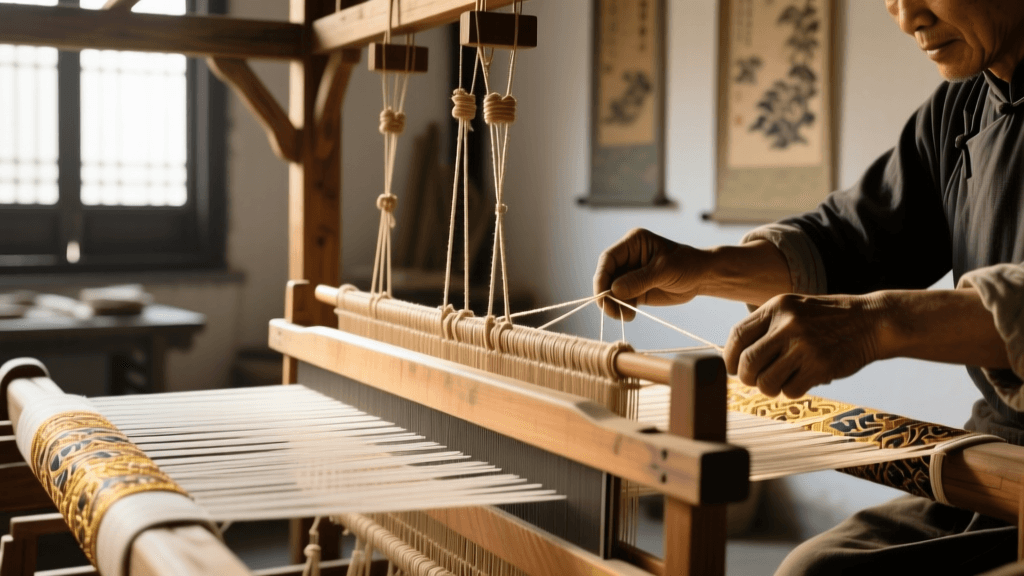
Authentic hanbok are crafted from natural materials such as myeongju (high-quality silk), mosi (fine ramie), and premium cotton. Ramie, in particular, is a summer staple prized for its crisp texture and breathability. When shopping online, scrutinize the fabric composition. If a listing advertises 'silk-like polyester' or fails to provide a precise fiber breakdown, it is likely a mass-produced imitation. Genuine mosi weaving is a highly specialized craft, and authentic ramie hanbok will command a premium price reflective of the labor-intensive weaving process.
Structural Hallmarks: Dongjeong and Goreum
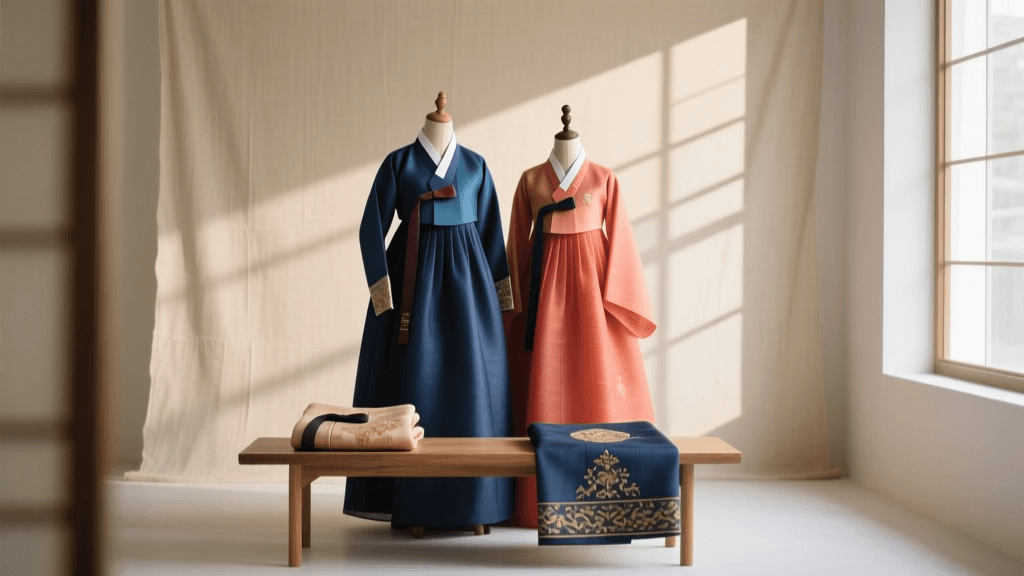
The dongjeong (the white, detachable collar) and the goreum (the long, flowing front ties) are the defining structural elements of the jeogori (jacket). The National Museum of Korea notes that the proportions and stitching of these elements have evolved over centuries but remain strictly regulated in traditional tailoring. An authentic dongjeong is made of stiffened white cotton or silk, designed to be removed and washed separately to maintain the garment's pristine appearance. In contrast, fast-fashion versions often stitch a flimsy white ribbon directly onto a synthetic collar. Similarly, authentic goreum are lengthy, wide, and feature a specific internal stitching pattern that allows them to drape elegantly without twisting, a detail entirely lost in cheap, factory-made alternatives.
Top Platforms for Sourcing Genuine Hanbok in 2026
Finding authentic pieces requires looking beyond standard global search engines and tapping into the platforms where Korean artisans actually sell their work.
Idus (아이디어스): The Premier Artisan Marketplace
Idus is South Korea's largest online marketplace dedicated exclusively to handmade, artisanal goods. In 2026, it remains the gold standard for sourcing authentic, custom-made hanbok directly from independent tailors and textile artists. Here, you can find makers specializing in nubi (traditional Korean quilting), natural indigo dyeing, and bespoke saekdong (color-striped sleeves). Because Idus is primarily designed for the domestic Korean market, international buyers typically utilize proxy buying services (such as Delivered Korea or Buyee) to navigate the interface, handle domestic payments, and consolidate international shipping via EMS or DHL.
Specialized Global Boutiques: Danha and Leesle
For buyers who prefer a seamless, English-language shopping experience without the need for proxy services, established modern-hanbok brands like Danha and Leesle are exceptional choices. While these brands often modernize the silhouettes for contemporary daily wear, their underlying construction, fabric sourcing, and respect for traditional tailoring techniques remain uncompromised. They offer reliable international shipping, clear sizing charts, and premium customer service, making them ideal for high-end wedding hanbok or formal event wear.
Etsy: Vetting the Independent Makers
Etsy can be a treasure trove for authentic hanbok, but it requires rigorous vetting. To avoid dropshippers, filter your search to sellers located in Seoul or other South Korean provinces. Look for shops that provide behind-the-scenes photos of their sewing studios, detailed close-ups of their hand-stitching, and a portfolio of custom chima (skirt) pleating. Genuine artisans will gladly communicate via message to discuss custom fabric sourcing and precise tailoring adjustments.
Marketplace Comparison Chart
The following table contrasts the primary avenues for purchasing hanbok online in 2026, highlighting the stark differences in quality, pricing, and buying logistics.
| Platform Type | Examples | Authenticity & Materials | Price Range (USD) | Lead Time & Logistics |
|---|---|---|---|---|
| Korean Artisan Markets | Idus (via Proxy) | Exceptional; Natural silks, ramie, hand-quilted | $250 - $1,500+ | 2-6 weeks creation + 1 week proxy shipping |
| Specialized Boutiques | Danha, Leesle | High; Modernized cuts, premium natural blends | $150 - $800 | In-stock or 2 weeks; Direct global shipping |
| Vetted Etsy Sellers | Seoul-based Studios | High; Custom tailoring, traditional techniques | $200 - $900 | 3-5 weeks custom creation + direct shipping |
| Mass Market Dropshippers | AliExpress, Temu | Poor; 100% Polyester, glued collars, costume-grade | $20 - $60 | 1-2 weeks; Standard packet shipping |
How to Measure and Order Custom Hanbok Online
One of the greatest advantages of purchasing from platforms like Idus or independent Etsy artisans is the ability to order custom-tailored garments. Traditional hanbok are designed to drape from the body's natural anchor points rather than clinging to the skin, requiring a specific set of measurements that differ from Western tailoring.
Essential Measurements for the Jeogori (Jacket)
- Hwa-jang (Shoulder to Wrist): Measure from the base of the neck, across the shoulder, and down to the wrist bone. This ensures the sleeves drape correctly over the hands, a hallmark of elegant hanbok styling.
- Chest/Bust Circumference: Measure around the fullest part of the chest. The tailor will add the necessary ease to ensure the jeogori crosses over comfortably without pulling the goreum ties taut.
- Sleeve Width (Bae-rae): Traditional sleeves feature a curved underarm seam. Artisans will calculate this based on your wrist and bicep measurements to allow for graceful movement.
Essential Measurements for the Chima (Skirt)
- High Waist Circumference: The chima sits significantly higher than Western skirts, resting just below the bust or at the natural ribcage. Measure this area snugly.
- Total Length: Measure from the high waist down to the ankle bone. Traditional formal skirts should graze the floor, while modernized daily skirts may end at the mid-calf.
Caring for Your Online Hanbok Purchase
Investing in an authentic, artisan-made hanbok requires a commitment to proper textile care. Natural dyes, particularly those derived from indigo, persimmon, or safflower, are sensitive to harsh chemicals and high alkalinity. Never machine wash a silk or ramie hanbok. For minor stains on the chima, spot clean with a damp cloth and a pH-neutral detergent. The dongjeong collar should be removed after every wear and gently hand-washed or replaced if heavily soiled. For deep cleaning, seek out a dry cleaner who specializes in delicate, natural fibers and traditional garments, explicitly informing them of any natural dye treatments to prevent color bleeding.
By prioritizing Korean artisan marketplaces and understanding the structural nuances of traditional tailoring, you can build a collection of hanbok in 2026 that honors the deep cultural heritage and extraordinary craftsmanship of Korean textile arts.