Styling Authentic Japanese Fashion from Global Pop Culture
The Global Allure of Traditional Japanese Garments in Media
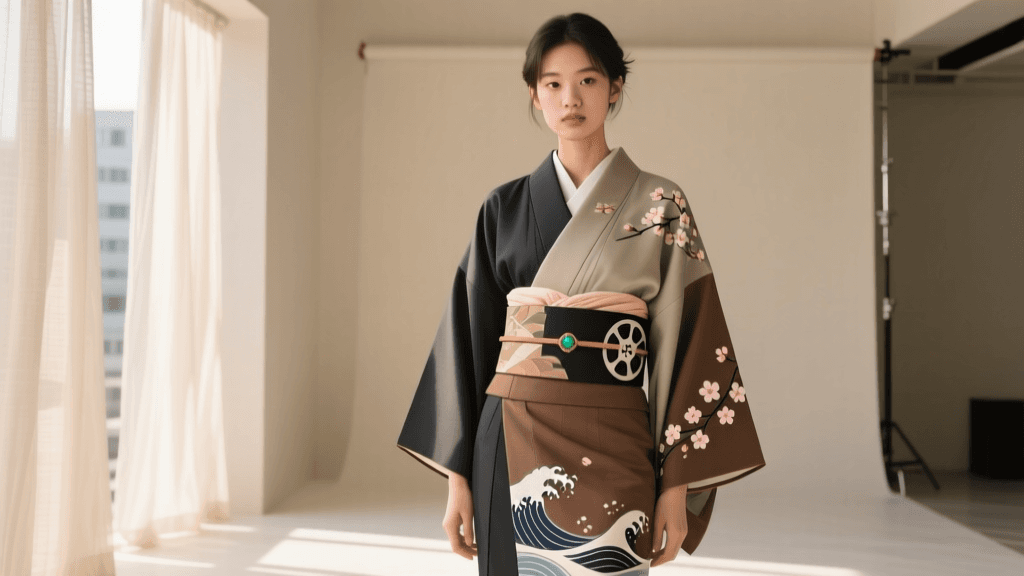
Global pop culture has undeniably transformed the way the world interacts with traditional Japanese fashion. From the striking silk kimono seen in Hollywood blockbusters to the embroidered sukajan (souvenir jackets) sported by global music icons and anime protagonists, Japanese garments have transcended their geographical origins to become staples of global streetwear and high fashion. For collectors, cosplayers, and sartorial enthusiasts, the challenge lies in moving beyond mass-produced, synthetic replicas to source and style authentic, vintage, and traditional pieces. This guide explores the intersection of Japanese textile heritage and modern media, providing actionable advice on how to authenticate, measure, and integrate these iconic garments into a contemporary wardrobe.
The Cinematic and Anime Influence on Japanese Silhouettes
Hollywood cinema has long been captivated by the structured elegance of Japanese clothing. Films like Memoirs of a Geisha and Kill Bill introduced global audiences to the intricate layering of the kimono, the dramatic drape of the haori, and the utilitarian sharpness of the hakama. According to The Metropolitan Museum of Art, the kimono's T-shaped, straight-lined silhouette has historically served as a canvas for profound artistic expression, a fact that modern costume designers heavily leverage to convey character depth and cultural heritage on screen.
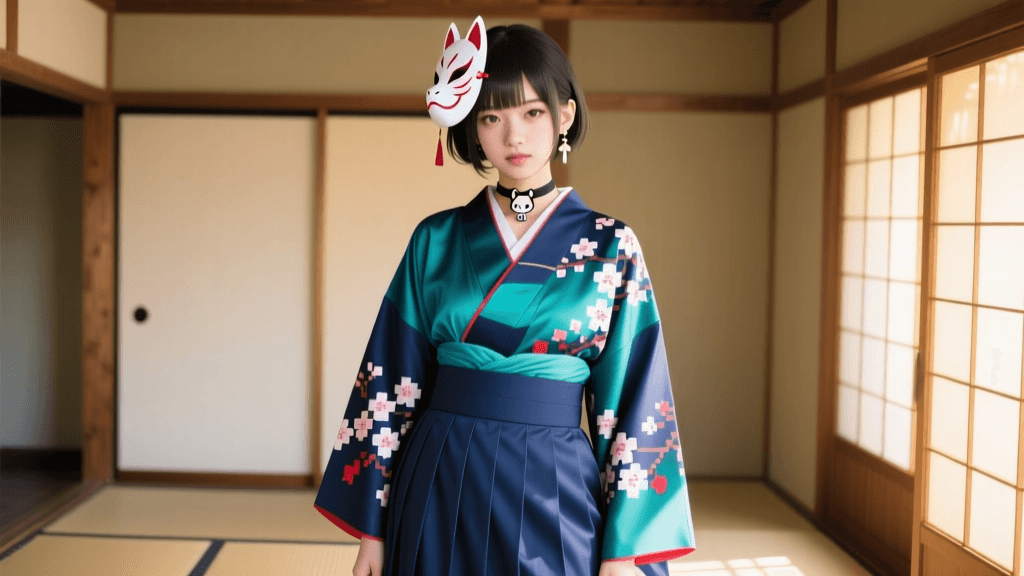
In the realm of anime and manga, traditional garments are frequently reimagined through a fantasy lens. The massive global success of Demon Slayer: Kimetsu no Yaiba sparked a renewed interest in Taisho-era (1912–1926) fashion, particularly the ichimatsu (checkerboard) pattern and the vibrant, geometric motifs of the Taisho Roman aesthetic. Similarly, the hakama—a pleated, skirt-like trouser worn by martial artists and shrine maidens—has become a visual shorthand for discipline and historical mystique in series like Rurouni Kenshin and Inuyasha. For fans looking to incorporate these looks into daily life, the key is to focus on the foundational pieces: the haori and the sukajan.
The Sukajan: From Yokosuka to Global Streetwear
No garment bridges the gap between Japanese tradition and global pop culture quite like the sukajan, or souvenir jacket. Originating in the port city of Yokosuka in the immediate aftermath of World War II, these jackets were commissioned by American GIs who wanted a tangible memento of their time in Japan. Local tailors brilliantly adapted the silhouette of the American varsity letterman jacket but constructed it from silk or acetate, adorning it with traditional Japanese embroidery motifs such as tigers, dragons, eagles, and cherry blossoms.
Today, the sukajan is a highly coveted item in vintage streetwear circles, frequently spotted on celebrities and featured in media like the film Drive. However, the market is flooded with modern, fast-fashion reproductions. Authenticating a vintage 1960s or 1970s sukajan requires a keen eye. Authentic vintage pieces are almost always reversible, featuring a secondary, often more subdued design on the inside. The embroidery should be dense, with a slight imperfection that indicates manual or early-machine stitching, rather than the flawless, flat computerized embroidery of modern replicas. Furthermore, vintage acetate develops a distinct, slightly crisp patina and a subtle sheen that modern polyester simply cannot replicate.
Sourcing Authentic Pieces: A Buyer's Guide
When sourcing traditional garments inspired by your favorite media, understanding Japanese sizing and terminology is critical. Unlike Western clothing, kimono, haori, and yukata are not sized by chest or waist measurements. They are measured flat, and the most crucial metrics are Yuki and Mitake.
- Yuki (裄): The measurement from the center back seam of the neck, across the shoulder, and down to the edge of the sleeve. This determines how the garment will drape across your shoulders and arms.
- Mitake (身丈): The back length of the garment, measured from the base of the collar down to the bottom hem. For a haori worn as a modern duster, a mitake of 80cm to 95cm is generally ideal for most heights.
- Sakahaba (前幅) and Ushirohaba (後幅): The front and back panel widths, which dictate how the garment will wrap and overlap.
To source authentic pieces, bypass generic costume shops and utilize specialized platforms. Yahoo Auctions Japan (accessible via proxy services like Buyee or ZenMarket) is the gold standard for vintage haori and kimono. For sukajan, specialized vintage dealers on Etsy or dedicated Japanese vintage exporters offer curated selections with verified provenance.
Pop Culture Garment Comparison Chart
The following table breaks down the most popular media-inspired Japanese garments, their authentic counterparts, and what you should expect to pay for genuine vintage or traditionally crafted pieces.
| Garment Type | Pop Culture Reference | Authentic Material | Avg. Vintage Cost (USD) | Sourcing & Authentication Tip |
|---|---|---|---|---|
| Sukajan | Ryan Gosling in Drive, Anime Streetwear | Silk / Acetate / Quilted Lining | $150 - $800+ | Check for Yokosuka tags; ensure reversible embroidery and vintage acetate patina. |
| Haori | Demon Slayer (Taisho Era Patterns) | Silk / Rinzu (Figured Silk) | $50 - $300 | Search for 'Taisho Roman' aesthetics; check for hand-painted or yuzen-dyed motifs. |
| Hakama | Rurouni Kenshin, Shrine Maiden Tropes | Wool / Silk / Hemp Blends | $80 - $250 | Ensure the pleats (hida) are sharp; check the koshiita (back board) for structural integrity. |
| Yukata | Summer Festivals in Slice-of-Life Anime | Cotton / Hemp | $30 - $120 | Look for traditional indigo dye (aizome) and geometric patterns rather than mass-printed synthetics. |
Styling Traditional Pieces for Modern Streetwear
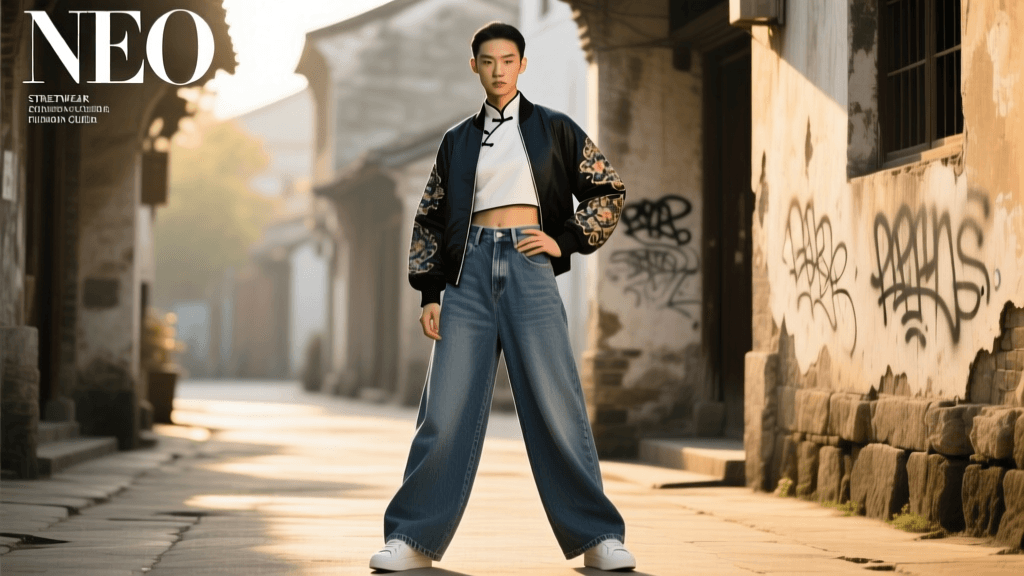
Integrating traditional Japanese garments into a modern wardrobe requires a balance of proportions and textures. The haori is arguably the most versatile piece for contemporary styling. Because it lacks the overlapping front panels of a kimono and is left open, it functions similarly to a duster cardigan or an unstructured blazer. Pair a vintage silk haori featuring a subtle, dark komon (repeating pattern) with a crisp white t-shirt, raw selvedge denim, and minimalist leather boots. The contrast between the fluid, lustrous silk and the rigid, matte denim creates a visually striking silhouette that honors the garment's heritage while grounding it in modern streetwear.
The sukajan is inherently a statement piece. When styling a heavily embroidered vintage souvenir jacket, keep the rest of your outfit muted and monochromatic. A black turtleneck, tailored black trousers, and Chelsea boots allow the intricate tiger or dragon embroidery to take center stage without overwhelming the senses. For a more avant-garde approach, layer a lightweight cotton yukata over wide-leg linen trousers and a fitted tank top during the summer months, utilizing the garment's breathable textile properties exactly as they were intended centuries ago.
Caring for Your Media-Inspired Vintage Collection
Authentic vintage Japanese garments are investments in textile art and require meticulous care to preserve their structural integrity and vibrant dyes. The Victoria and Albert Museum emphasizes that historical Asian textiles are highly susceptible to light damage and improper storage. Never hang a vintage silk kimono or heavy haori on a wire or thin wooden hanger; the concentrated weight will distort the shoulder seams and stretch the delicate fibers. Instead, store them folded, interleaved with acid-free tissue paper to prevent the dyes from bleeding or transferring.
For long-term storage, traditional Japanese culture utilizes kiri-bako (paulownia wood boxes). Paulownia is naturally resistant to moisture, insects, and fire, making it the perfect environment for preserving silk and acetate. If authentic paulownia boxes are outside your budget, opt for breathable, unbleached cotton storage bags. Keep your collection in a cool, dark, and climate-controlled environment, and avoid using chemical mothballs, which can react with vintage dyes and leave a permanent, noxious odor. Instead, use natural camphor or cedar blocks to deter pests.
Conclusion
The migration of Japanese traditional garments from historical archives and post-war ports to global cinema and anime conventions is a testament to their timeless design and profound cultural resonance. By understanding the history, mastering the unique sizing metrics, and committing to proper textile conservation, collectors and fashion enthusiasts can authentically participate in this ongoing sartorial dialogue. Whether you are donning a Taisho-era haori or a vintage Yokosuka sukajan, you are not merely wearing a costume inspired by pop culture; you are preserving and propagating a rich, living textile heritage.