Styling the Haori in 2026: Modern Streetwear Guide
The Evolution of the Haori in Contemporary Fashion
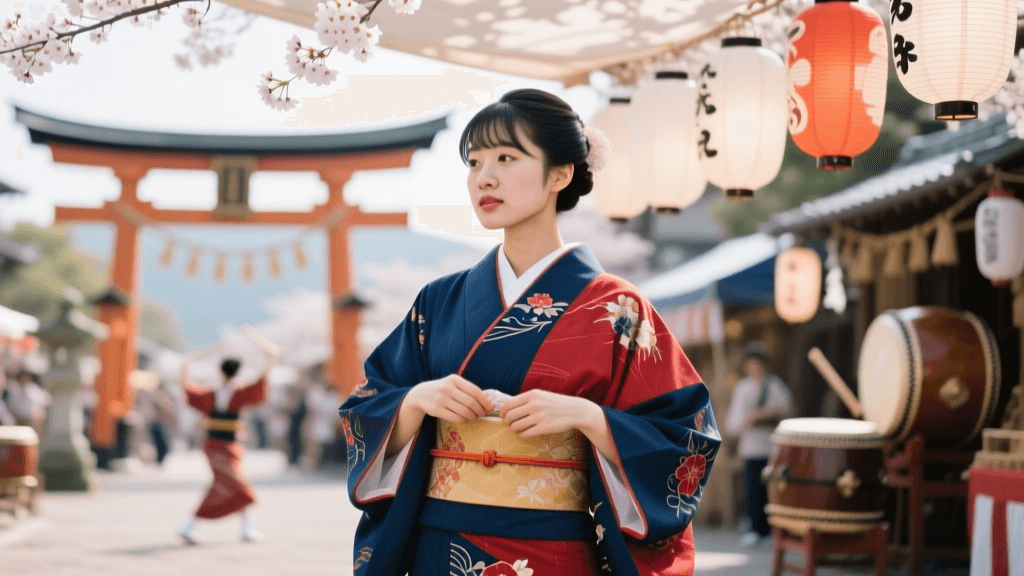
The traditional Japanese haori—a hip- or thigh-length jacket worn over a kimono—has undergone a radical transformation in the global fashion landscape. Originally popularized during the Edo period as a protective and decorative layer for samurai and later adopted by geisha and everyday citizens, the haori is now a cornerstone of avant-garde streetwear and functional techwear. In 2026, the intersection of heritage craftsmanship and futuristic utility has birthed a new era of 'Daily Haori' styling, where traditional silhouettes meet modern, weather-resistant textiles.
According to historical archives at the Victoria and Albert Museum, the structural brilliance of Japanese outerwear lies in its linear, zero-waste cutting techniques. Today's streetwear designers are leveraging these exact geometric principles to create oversized, drop-shoulder layers that drape effortlessly over contemporary wardrobes. Whether you are navigating the concrete jungle in technical gear or aiming for a refined minimalist office look, integrating a haori into your 2026 rotation offers unmatched versatility.
Core Outfit Formulas for 2026
Mixing a heritage piece with modern apparel requires an understanding of proportion, texture, and utility. Here are three master formulas for styling the haori this year.
1. The Techwear Shell (Nylon & Cargo Pairings)
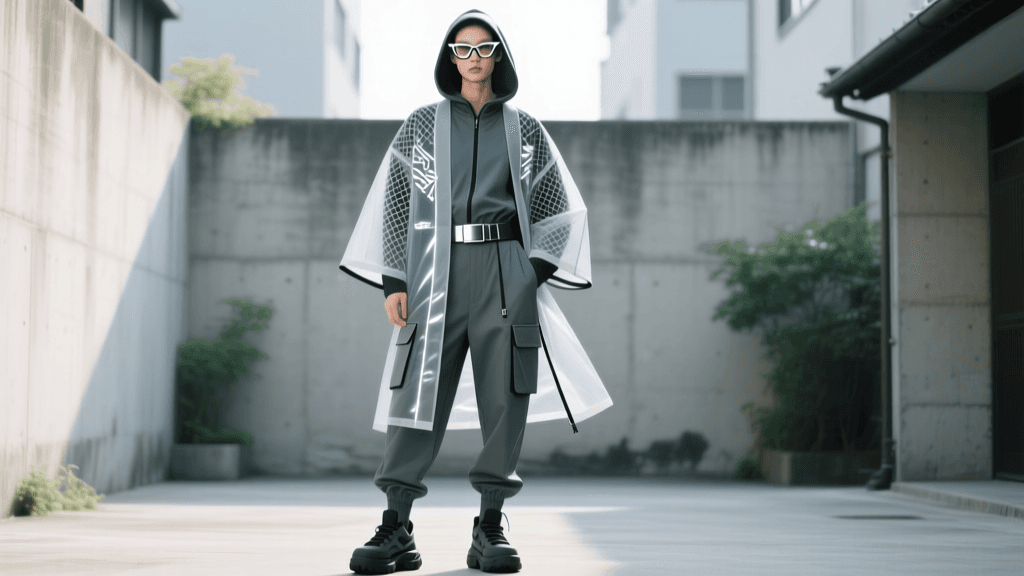
Techwear in 2026 is heavily focused on modularity and climate adaptability. A modern, water-resistant synthetic haori serves as the perfect mid-layer or light outer shell. Pair a matte-black or olive-drab tech-silk haori with articulated cargo trousers and a moisture-wicking mock-neck base layer. The wide, rectangular sleeves of the haori provide a striking contrast to the tapered, utilitarian cuffs of modern techwear pants. Finish the look with split-toe sneakers or magnetic-buckle utility boots to bridge the gap between traditional Japanese footwear (tabi) and modern street readiness.
2. The Minimalist Office (Tailored Trousers & Silk Blends)
For the modern creative workspace, the haori replaces the restrictive Western blazer. Opt for a haori crafted from a silk-ramie blend, which offers the luxurious sheen of silk but with the breathability and structural crunch of ramie. Wear it open over a crisp, oversized poplin shirt and wide-leg pleated wool trousers. The absence of lapels and buttons on a traditional haori creates a clean, vertical line that elongates the torso. In 2026, minimalist styling favors monochromatic palettes; a charcoal grey haori over a tonal slate outfit exudes quiet luxury while honoring traditional Asian garment construction.
3. Heritage Street (Upcycled Denim & Vintage Silk)
Sustainability remains a dominant force in 2026 fashion. Sourcing a vintage, upcycled silk haori from mid-century Japan and pairing it with heavy, raw selvedge denim is a masterclass in texture mixing. The delicate, often hand-painted or woven motifs of the vintage silk contrast beautifully with the rugged, indigo-dyed denim. Throw on a heavyweight, boxy graphic tee underneath, and let the haori hang loosely. This look embraces the 'wabi-sabi' aesthetic, celebrating the age and imperfections of the vintage textile against the stiff, unworn canvas of raw denim.
Fabric Innovations: Traditional vs. 2026 Tech-Blends
While purists may seek out authentic vintage silks, the 2026 market is flooded with innovative hybrid fabrics designed for urban life. Traditional weaving techniques, such as those recognized by UNESCO's Intangible Cultural Heritage list for Yuki-tsumugi, are now being adapted with modern synthetic warp threads to increase durability without sacrificing the iconic slubbed texture.
| Fabric Type | Characteristics | Best Use Case in 2026 | Care Requirements |
|---|---|---|---|
| Traditional Tsumugi (Pongee Silk) | Slubbed texture, matte finish, breathable, delicate. | Heritage streetwear, dry indoor events, artistic layering. | Strictly dry clean; avoid direct prolonged sunlight. |
| Washable Tech-Silk | Silk-polyester blend, water-repellent coating, lightweight. | Everyday urban commuting, light rain, travel. | Machine wash cold on gentle cycle; hang dry. |
| Ramie-Cotton Canvas | Stiff drape, highly breathable, textured, durable. | Summer festivals, casual streetwear, office layering. | Machine wash warm; tumble dry low or iron for crispness. |
| Recycled Nylon Crepe | Matte finish, wind-resistant, packs down small, silent movement. | Hardcore techwear, outdoor layering, travel. | Wipe clean or machine wash cold; no heat. |
Proportions, Sizing, and the 'Oversized' Fit
One of the most common mistakes when integrating Asian traditional garments into a Western wardrobe is misunderstanding the sizing system. Traditional haori are not sized by Small, Medium, or Large. Instead, they are measured by specific dimensions that dictate how they drape over the shoulders and down the arms.
To achieve the coveted 2026 oversized streetwear silhouette, pay close attention to the following measurements when shopping online or at vintage archives:
- Yuki (Shoulder to Sleeve Cuff): For a modern drop-shoulder look, look for a yuki measurement of at least 75cm to 82cm. This ensures the seam falls down the bicep rather than sitting on the shoulder joint.
- Sode-guchi (Sleeve Opening): A wider sleeve opening (35cm+) allows for easy layering over thick hoodies or techwear jackets without bunching at the forearm.
- Migoro (Body Width): The haori should be at least 15cm wider than your actual chest measurement to ensure it hangs in a straight, architectural column rather than pulling across the back.
- Taken (Back Length): For streetwear, a mid-thigh length (85cm - 95cm) offers the most dramatic, flowing silhouette, whereas a cropped hip-length (65cm - 75cm) works better for high-waisted trouser pairings.
Modernizing the Haori Himo (Ties)
Traditionally, a haori is fastened at the front using a haori himo—a decorative, braided silk cord. While beautiful, these can feel overly ceremonial for a Tuesday morning coffee run. In 2026, streetwear enthusiasts are hacking the himo loops to suit modern aesthetics. Consider swapping the silk cords for matte paracord, minimalist leather straps, or even utilizing the loops to clip modular techwear carabiners. Some contemporary brands are now producing haori with hidden magnetic snap closures integrated into the inner lining, preserving the clean, tie-less exterior while providing the security of a modern jacket.
Sourcing Authentic and Modern Haori
The secondary market for vintage haori is thriving, driven by the global push toward circular fashion. Platforms specializing in upcycled Asian heritage garments offer one-of-a-kind silk pieces that have been professionally cleaned and re-lined with modern, breathable cupro. For those seeking brand-new, tech-integrated pieces, contemporary Japanese labels and global avant-garde designers are releasing seasonal 'Daily Haori' collections that utilize recycled nylons and laser-cut hems, eliminating the fraying associated with vintage silk.
Care and Maintenance for Hybrid Garments
Maintaining your haori ensures its longevity as a staple piece in your wardrobe. If you are wearing a vintage silk piece, avoid spraying perfumes or colognes directly on the fabric, as the alcohol can degrade the natural fibers and alter the hand-painted dyes. Store silk haori on wide, padded wooden hangers to support the weight of the wide sleeves and prevent shoulder dimples. For modern tech-blends and ramie-cotton haori, follow standard garment care, but always avoid high-heat ironing directly on any water-repellent coatings, as this will melt the synthetic fibers and ruin the jacket's weather-resistant properties.
Conclusion
The haori is no longer confined to the realm of formal ceremonies or historical reenactment. In 2026, it stands as a testament to the timelessness of Asian garment engineering. By understanding its proportions, respecting its textile heritage, and boldly mixing it with contemporary techwear and streetwear staples, you can create a wardrobe that is deeply rooted in tradition yet entirely geared for the future.