Mixing Japanese Haori and Korean Jeogori in 2026 Fashion
The Rise of Heritage Minimalism in 2026
In 2026, the global fashion landscape has decisively pivoted away from the hyper-logoed, fast-paced streetwear of the early 2020s. Today, the prevailing aesthetic is what industry analysts and cultural commentators call 'Heritage Minimalism'—a mindful approach to dressing that prioritizes craftsmanship, cultural narrative, and versatile layering. At the forefront of this movement is the integration of traditional Asian garments into contemporary, everyday wardrobes. Rather than treating these pieces as mere costumes or occasional ceremonial wear, modern style enthusiasts are embracing them as functional, sophisticated outerwear and smart-casual staples.
Two garments, in particular, have emerged as the ultimate layering pieces for the 2026 wardrobe: the Japanese Haori and the Korean Jeogori. When styled correctly, these traditional items bridge the gap between ancient artistry and modern urban life. This guide explores how to authentically and respectfully incorporate these heritage pieces into your modern minimalist wardrobe, complete with fabric care, sourcing tips, and contemporary outfit formulas.
The Japanese Haori: The Ultimate Modern Mid-Layer
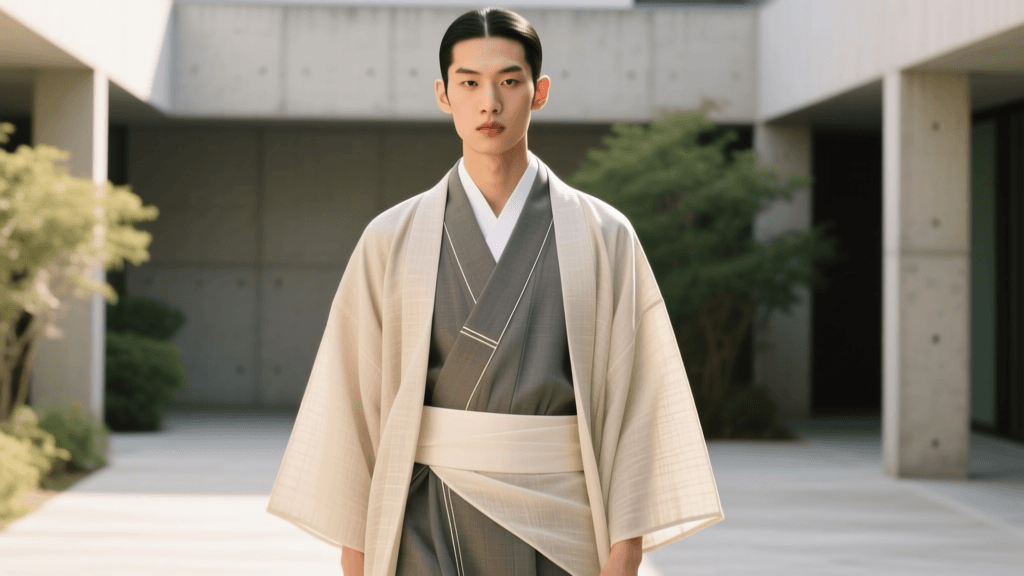
Originally worn over the kimono to provide warmth or denote status during the Edo period, the Haori is a hip- or thigh-length jacket characterized by its open front, wide sleeves, and lack of overlapping lapels. According to The Metropolitan Museum of Art, the Haori evolved from a practical garment for samurai and travelers into a highly decorative canvas for textile arts. In 2026, its structural simplicity makes it an ideal replacement for the modern blazer or the unstructured cardigan.
Styling the Haori for the Contemporary Wardrobe
The key to wearing a Haori in a modern context is to let its textile and silhouette speak for themselves while grounding it with contemporary basics. Because the Haori lacks a traditional closure (it is typically held together by a small braided cord called a haori himo), it creates a beautiful, vertical drape that elongates the torso.
- The Urban Commuter: Pair a charcoal-grey Kasuri (ikat-woven) Haori with a heavyweight, cream-colored ribbed turtleneck and wide-leg olive drab canvas trousers. Finish with chunky leather loafers. The contrast between the intricate, rustic weave of the Kasuri and the stark minimalism of the turtleneck creates a striking, sophisticated look.
- Evening Smart-Casual: A vintage silk Tsumugi (slub silk) Haori featuring subtle geometric motifs can be worn over a tailored black mock-neck shirt and pleated wool trousers. Leave the Haori open to allow the inner layers to frame the chest, creating a relaxed yet deliberate silhouette.
The Korean Jeogori: Structural Elegance for Smart-Casual
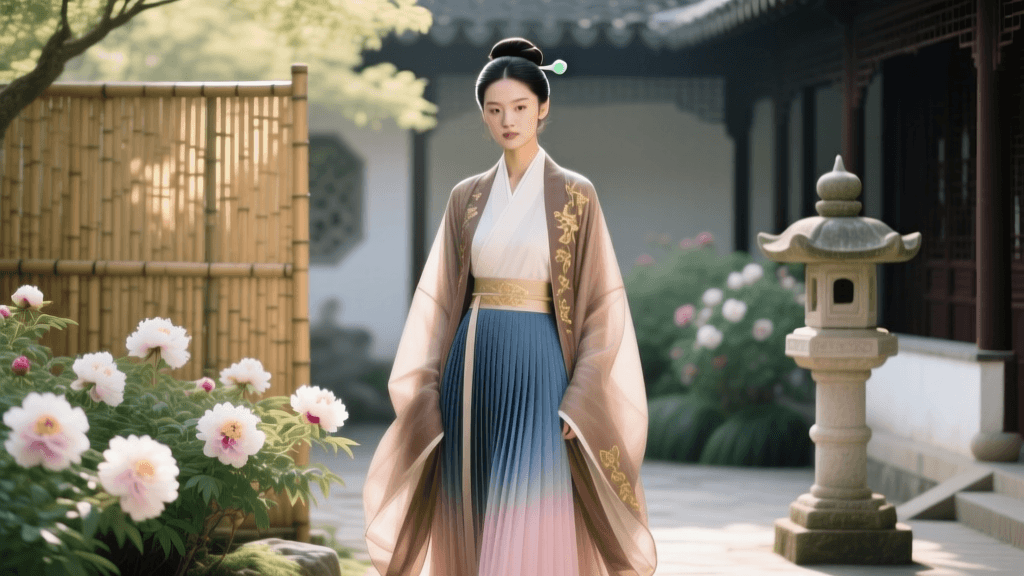
The Jeogori is the traditional upper garment of the Korean Hanbok, recognized by its structured collar (Dongjeong), curved sleeves (Bae-rae), and long front ties (Goreum). As noted by Encyclopedia Britannica, the Hanbok has undergone numerous structural evolutions throughout history, and the modern Jeogori is no exception. In 2026, Seoul-based heritage designers have reimagined the Jeogori for the global office and smart-casual environments, introducing subtle innovations like hidden magnetic closures and cropped, boxy silhouettes that mimic modern bolero jackets or cropped blazers.
Integrating the Jeogori into 2026 Office and Streetwear
The crisp, white Dongjeong collar of the Jeogori acts as a natural frame for the face, offering a sharp, clean line that rivals the crisp collar of a traditional Western dress shirt.
- The Modern Professional: A cropped, ivory silk-blend Jeogori with a subtle tonal embroidery pattern can be paired with high-waisted, tailored charcoal trousers. Instead of the traditional long Goreum ties, which can be impractical for desk work, opt for modernized 2026 iterations that feature abbreviated ties or discreet internal fastenings. Pair with pointed-toe mules for a sharp, architectural finish.
- Weekend Gallery Hopping: A relaxed, linen-blend Jeogori in a muted sage green worn over a simple white tank top and a pleated midi skirt. The voluminous sleeves of the Jeogori provide a romantic, avant-garde contrast to the sleekness of the skirt.
Seasonal Fabric Selection for 2026 Climates
One of the most remarkable aspects of traditional Asian garments is their inherent responsiveness to seasonal shifts. As global temperatures continue to fluctuate in 2026, the natural, breathable weaves developed centuries ago are more relevant than ever.
| Fabric Type | Origin & Technique | Best Season | Modern Styling Application |
|---|---|---|---|
| Ro & Sha | Japan (Silk Gauze / Leno Weave) | Summer | Worn as a sheer, breathable duster over linen camisoles and wide-leg shorts. |
| Tsumugi | Japan (Pongee / Slub Silk) | Autumn / Spring | Ideal mid-layer over merino wool turtlenecks; offers excellent temperature regulation. |
| Moshi | Korea (Ramie) | Summer | Crisp, cooling, and highly structured; perfect for modernized Jeogori in humid climates. |
| Saekdong | Korea (Color-striped Silk/Cotton) | Winter / Festive | Used as an accent layer or lining in modern streetwear jackets for a pop of heritage color. |
Sourcing Authentic Pieces in 2026
The market for heritage garments has matured significantly. In 2026, consumers are moving away from mass-produced, culturally appropriated 'costume' replicas and seeking authentic, artisan-made, or well-preserved vintage pieces.
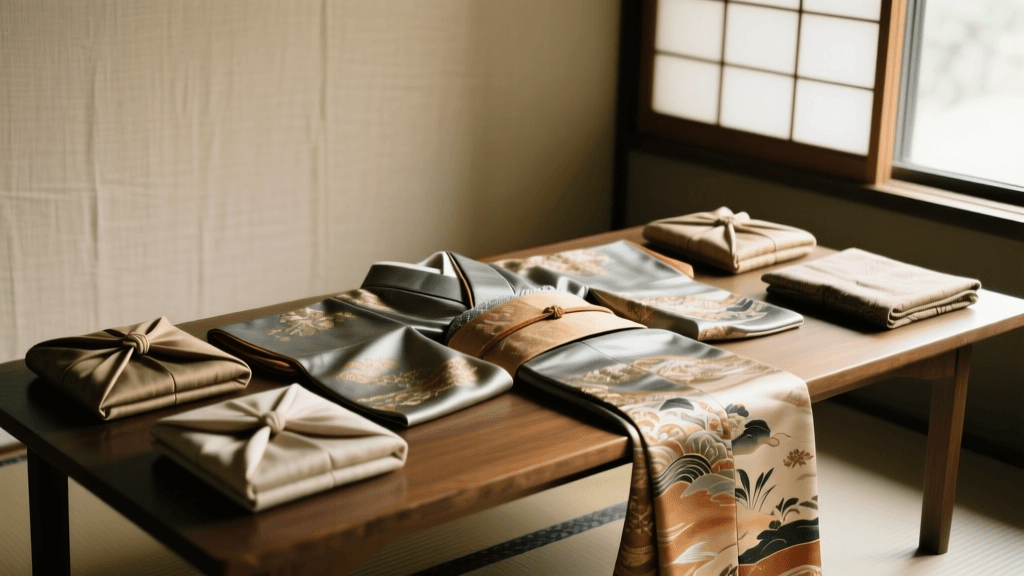
For the Japanese Haori, the secondary vintage market is a treasure trove. Online platforms specializing in curated Asian antiquities, as well as physical antique markets like Kyoto’s Toji Temple flea market, offer mid-century Haori in pristine condition. When buying vintage, look for the Hiyoku (inner lining) to ensure the silk is free from dry rot or severe water staining.
For the Korean Jeogori, supporting contemporary artisans is highly recommended. Seoul’s Dongdaemun Design Plaza (DDP) and the Bukchon Hanok Village district house independent boutiques where young designers are creating modernized, ready-to-wear Hanbok separates using ethical, locally sourced textiles. The Victoria and Albert Museum frequently highlights the importance of supporting living textile traditions, noting that purchasing from verified artisans helps sustain endangered weaving techniques.
Garment Care: Merging Tradition with 2026 Technology
Traditional silks and ramies require meticulous care, but modern technology has made maintaining these garments significantly easier. The harsh chemical dry-cleaning methods of the past are being replaced by advanced, eco-friendly garment care systems.
- Smart Sanitization Cabinets: In 2026, smart-home garment care appliances (such as the latest LG Styler and Samsung AirDresser models) are essential for heritage owners. These cabinets use steam and gentle oscillation to sanitize, deodorize, and remove wrinkles from delicate Tsumugi silk and Ramie without the use of degrading chemicals.
- Proper Storage: Never hang a heavy silk Haori on a wire hanger, as the weight of the fabric will distort the shoulders. Use wide, padded wooden hangers. For long-term storage, wrap the garments in unbleached cotton cloth (tatou) and store them in cedar drawers to naturally repel moisture and insects.
Styling Mistakes to Avoid
When mixing traditional Asian garments with Western or modern streetwear, the line between cultural appreciation and caricature can be thin. To ensure your styling remains respectful and sophisticated in 2026, avoid the following pitfalls:
- Avoid Full Ceremonial Ensembles: Wearing a Haori with traditional Hakama and Tabi socks in a casual, modern setting can look like a costume. Break the pieces apart. Pair the Haori with modern denim or wool trousers to contextualize it in the present day.
- Respect the Collar: The white Dongjeong collar of the Jeogori should remain clean and unadorned. Avoid pinning brooches or modern jewelry directly onto the traditional collar structure.
- Do Not Mix Incompatible Formalities: A highly formal, gold-leaf stamped Kurotomesode-style Haori should not be paired with distressed streetwear or athletic sneakers. Match the formality of the textile with the formality of your modern basics.
Conclusion: A Mindful Approach to Global Fashion
Integrating the Japanese Haori and the Korean Jeogori into a modern 2026 wardrobe is more than a stylistic choice; it is an exercise in cultural appreciation and sustainable fashion. By investing in heritage garments, we reject the disposable nature of fast fashion and embrace pieces that carry history, artisanal mastery, and timeless elegance. Whether you are draping a vintage Kasuri Haori over a minimalist turtleneck for a crisp autumn day, or fastening a modernized linen Jeogori for a summer evening in the city, these traditional Asian pieces offer unparalleled versatility and depth to the contemporary wardrobe.