Top Chinese Fashion Creators Reviving Hanfu Trends 2026
The Evolution of Chinese Fashion Journalism in 2026
The landscape of Chinese fashion journalism has undergone a radical transformation by 2026. What began in the early 2010s as a niche subculture of enthusiasts sharing 'outfit of the day' (OOTD) photos has matured into a sophisticated ecosystem of digital historians, textile conservationists, and cultural critics. Today, top Chinese fashion blogs and content creators are not merely showcasing traditional garments like the Hanfu, Qipao, and Mamianqun (horse-face skirt); they are actively shaping global perceptions of Asian heritage through rigorous historical research, sustainable advocacy, and high-end editorial storytelling.
In 2026, the most influential voices in this space operate at the intersection of ancient craftsmanship and modern digital media. They are bridging the gap between museum archives and everyday street style, proving that traditional Chinese clothing is not a static relic, but a dynamic, living wardrobe. For readers and aspiring journalists, understanding how these creators operate offers a masterclass in modern cultural fashion media.
Key Platforms Shaping the Traditional Garment Narrative
The distribution of traditional fashion journalism in China is highly platform-specific, with each app serving a distinct editorial purpose and audience demographic.
Xiaohongshu (Little Red Book): The Visual Styling Hub
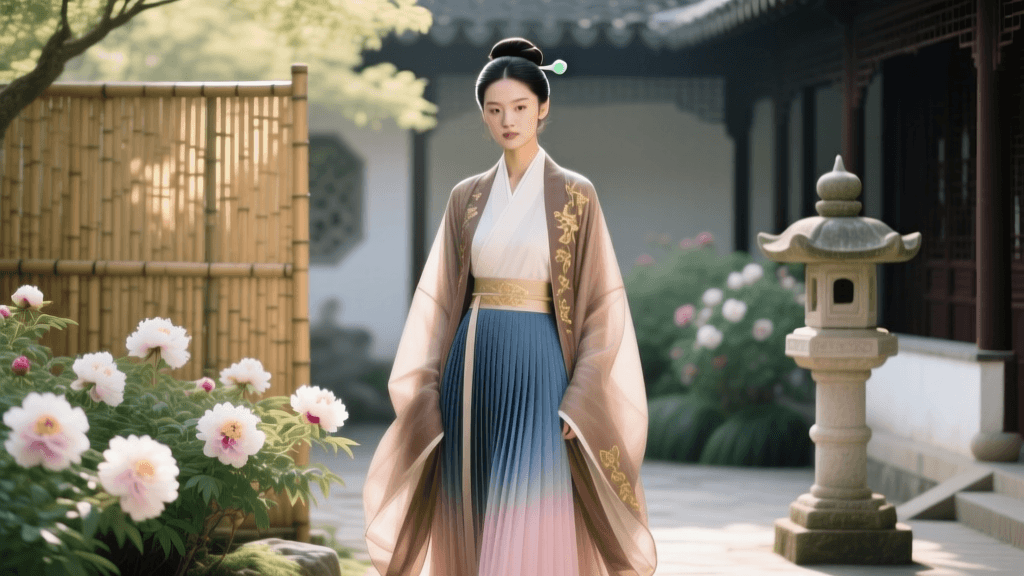
Xiaohongshu remains the undisputed king of visual fashion inspiration in 2026. However, the top Hanfu creators on the platform have moved beyond simple aesthetic posts. The current trend focuses on 'heritage integration'—demonstrating how to seamlessly incorporate Ming Dynasty Mamianqun or Song Dynasty pleated skirts into modern corporate and casual wardrobes. Creators provide detailed breakdowns of fabric weight, drape, and seasonal adaptability, often partnering with ethical domestic mills to promote authentic, high-quality weaves over mass-produced, synthetic costume replicas.
Bilibili: Long-Form Video Essays and Textile Analysis
For deep-dive journalism, Bilibili is the premier destination. In 2026, the platform's top traditional fashion creators produce documentary-style video essays that rival professional broadcast journalism. These creators use macro-lenses to analyze the intricate weave structures of Yunjin (cloud brocade) and the unique dyeing processes of Xiangyunsha (gambiered Canton gauze). By visually deconstructing the garments, they educate their millions of followers on the immense labor and technical mastery required to produce authentic traditional textiles.
WeChat Public Accounts: The Home of Deep Journalism
While short-form video dominates attention spans, WeChat Public Accounts remain the sanctuary for long-form, text-heavy fashion journalism. Independent writers use this platform to publish extensive interviews with master artisans, loom operators, and natural dyers. These articles often serve as the foundational research that eventually trickles down to shorter, more digestible content on other platforms.
The Push for Eco-Friendly Dyeing and Sustainable Textiles
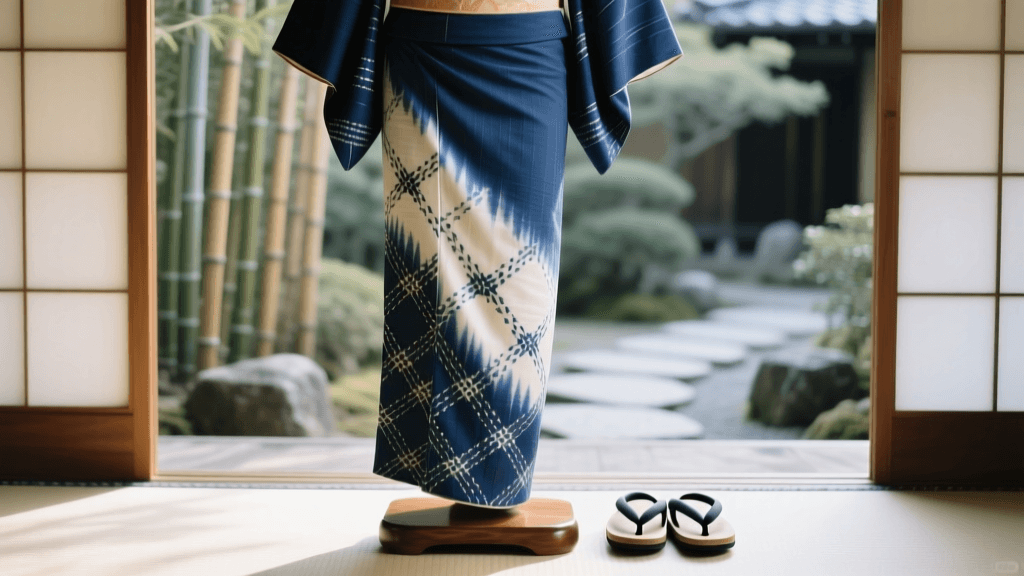
A major editorial focus for Chinese fashion bloggers in 2026 is the urgent advocacy for sustainable, eco-friendly dyeing methods. As the environmental impact of fast fashion becomes increasingly scrutinized, top creators are championing the revival of traditional botanical dyes. Ingredients such as madder root (for reds), indigo (for blues), lotus leaves, and pomegranate rinds are being heavily featured in editorial spreads and behind-the-scenes studio vlogs.
This digital push aligns with broader institutional efforts to protect ancient textile practices. As recognized by UNESCO in their documentation of sericulture and silk craftsmanship in China, the traditional knowledge of silk production and natural dyeing is an intangible cultural heritage that requires active, modern preservation. Fashion bloggers act as the vital conduit, translating this heritage into a compelling, eco-conscious narrative that resonates with Gen Z and Millennial consumers who prioritize sustainability in their 2026 purchasing decisions.
2026 Traditional Chinese Fashion Content Niches
To understand the current market, it is essential to look at how content is categorized across the major platforms. The table below outlines the primary niches dominating Chinese traditional fashion journalism this year.
| Content Niche | Primary Platform | Format | Key Focus in 2026 |
|---|---|---|---|
| Heritage Styling | Xiaohongshu | Short Video / Photo Carousels | Integrating Mamianqun into modern office and travel wardrobes. |
| Textile Forensics | Bilibili | Long-form Video Essays | Macro-analysis of historical weave structures and loom mechanics. |
| Artisan Profiles | Long-form Text / Interviews | Documenting the lives and techniques of master natural dyers and weavers. | |
| Runway Translation | Douyin / Weibo | Live Streams / Critiques | Adapting Shanghai Fashion Week traditional elements for daily wear. |
Translating Runway to Reality: Shanghai Fashion Week 2026
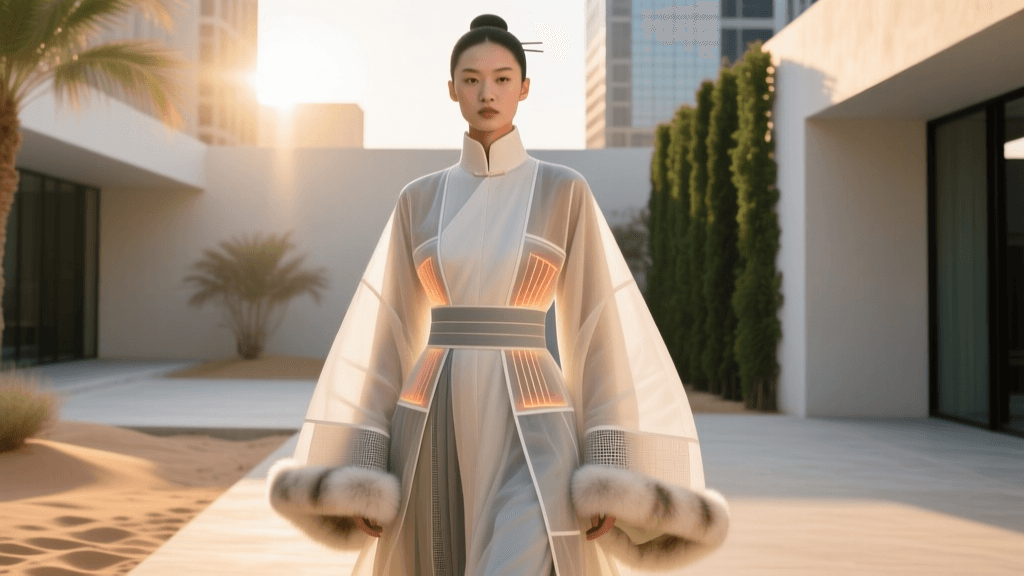
The Spring/Summer 2026 editions of Shanghai Fashion Week saw an unprecedented integration of traditional Chinese motifs, structural tailoring, and heritage fabrics on the global runway. However, the true impact of these collections is mediated by fashion bloggers who translate high-concept runway looks into actionable advice for everyday consumers.
Top creators dissect the runway shows, identifying key traditional elements—such as the structural stand collars of the Qipao, the intricate pankou (knotted buttons), and the cross-collar (jiaoling youren) silhouettes of Hanfu. They then provide tutorials on how to source or tailor these specific elements for modern, practical wear. This continuous coverage by regional and international fashion media, frequently highlighted in the Asian fashion segments of publications like the South China Morning Post's fashion desk, ensures that traditional Chinese design remains a dominant force in contemporary global style.
Actionable Advice for Aspiring Traditional Fashion Journalists
For those looking to enter the field of Asian traditional fashion journalism or content creation in 2026, the barrier to entry is higher than ever, demanding both aesthetic sensibility and academic rigor. Here is actionable advice for building a credible platform:
- Master the Terminology: Precision is paramount. Understand the exact historical and structural differences between a Ruqun, Aoqun, and Shenyi. Mislabeling garments immediately damages credibility among the highly educated traditional apparel community.
- Verify Historical Accuracy: Always cross-reference your styling and historical claims with established museum archives. Resources such as the Metropolitan Museum of Art's Heilbrunn Timeline of Art History on Silk provide invaluable, peer-reviewed context on the evolution of Chinese textiles and trade routes that can elevate your editorial storytelling.
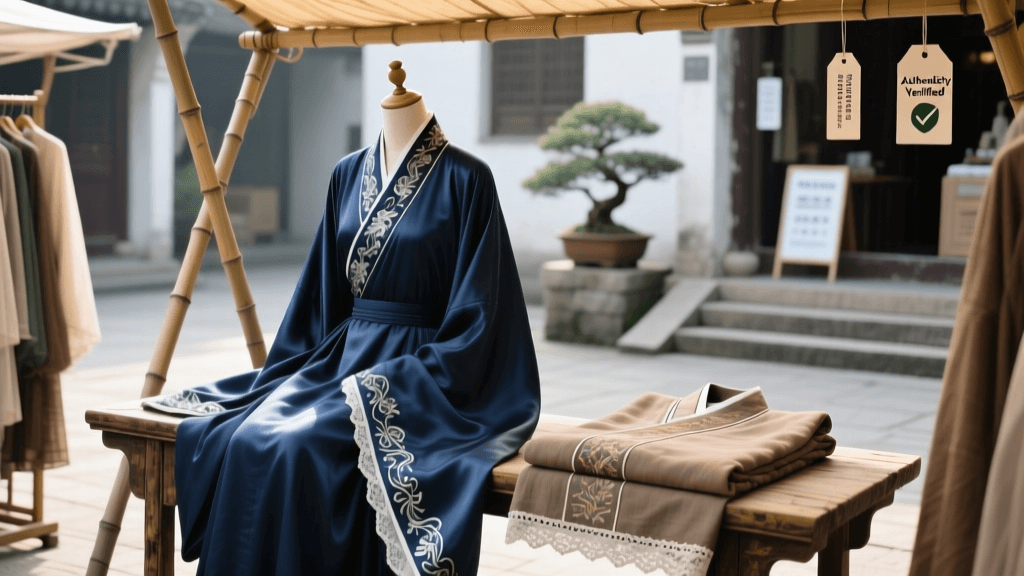
- Champion Transparency in Sourcing: The 2026 audience demands to know where their clothes come from. Build relationships with verified, ethical workshops that utilize traditional hand-looms and natural dyes. Expose the differences between authentic heritage craftsmanship and factory-made 'costume' Hanfu.
- Focus on Wearability and Climate Adaptation: Traditional garments must be adapted for modern life and extreme climate variations. Create content that addresses how to layer silk and linen traditionally for harsh winters, or how to utilize breathable gambiered gauze for humid summers.
Conclusion
Chinese fashion journalism in 2026 is a vibrant, intellectually rigorous field that goes far beyond surface-level aesthetics. By leveraging platform-specific strategies, championing eco-friendly botanical dyes, and translating high-fashion runway concepts into daily wear, today's top content creators are ensuring that traditional garments like the Hanfu and Mamianqun remain relevant, respected, and beautifully alive. For both consumers and aspiring journalists, engaging with this digital renaissance offers a profound appreciation for the enduring legacy of Asian sartorial traditions.