Hanfu for Extreme Climates: Desert & Cold Weather Guide 2026
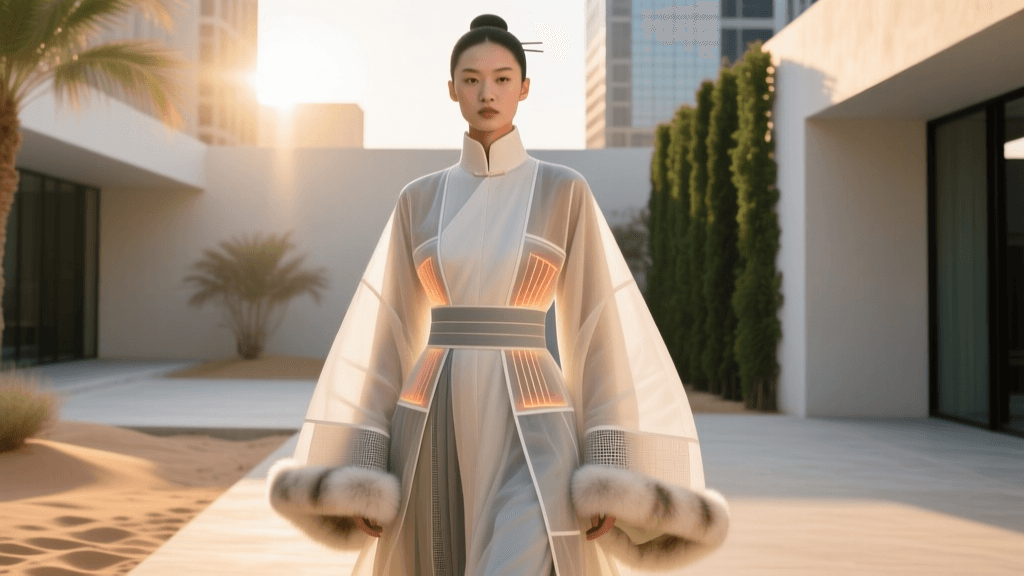
The global Hanfu movement has evolved dramatically over the last decade. No longer confined to temperate spring outings or controlled studio photography, traditional Chinese clothing is now being worn in some of the most unforgiving environments on Earth. As we navigate 2026, enthusiasts, travelers, and cultural ambassadors are pushing the boundaries of historical dress, adapting ancient silhouettes for tropical humidity, arid desert sands, and sub-zero winter expeditions. This comprehensive guide explores the intersection of historical authenticity and modern textile innovation, providing you with the knowledge to wear Hanfu comfortably and safely in extreme climates.
The Evolution of Hanfu in Extreme Environments
Historically, Chinese clothing was deeply tied to the geographical and climatic realities of its wearers. As noted by the Victoria and Albert Museum, traditional Chinese dress has always been deeply responsive to regional climates, utilizing layering and localized textile production to combat environmental extremes. In the north, heavy brocades and fur linings were essential, while the southern Lingnan region relied on breathable, sweat-wicking weaves. Today, the 2026 Hanfu revival leverages both this historical wisdom and cutting-edge material science. Modern weavers and designers are integrating phase-change materials, UV-reactive threads, and advanced thermal battings into traditional cuts, ensuring that the elegance of the Huaxia aesthetic remains uncompromised, regardless of the thermometer's reading.
Beating the Heat: Hanfu for Tropical and Desert Climates
Wearing multiple layers of traditional silk in 35°C (95°F) heat with high humidity or blistering desert sun requires strategic fabric selection and silhouette adjustments. The goal is to maximize airflow, protect against UV radiation, and manage perspiration without compromising the structural integrity of the garment.
Fabric Choices: Xiangyunsha and Bamboo-Silk Blends
For tropical and coastal environments, Xiangyunsha (gambiered gauze) remains the undisputed champion. Originating from Guangdong, this silk is dyed with the juice of the dioscorea cirrhosa plant and coated with iron-rich mud. The Metropolitan Museum of Art highlights that historic Chinese silk weaving and dyeing techniques often served functional purposes beyond mere aesthetics. Xiangyunsha is naturally antibacterial, repels insects, and dries almost instantly upon sweating. In 2026, leading textile mills have introduced 'Smart-Weave' Xiangyunsha, which incorporates microscopic ceramic particles into the silk threads to reflect up to 40% more solar radiation than traditional weaves, making it ideal for equatorial travel.
For those seeking more affordable or vegan options, 2026 has seen a massive surge in bamboo-silk blends. These fabrics mimic the drape and sheen of mulberry silk but possess the moisture-wicking and thermoregulating properties of bamboo viscose, keeping the skin remarkably cool in desert heat.
Silhouette Adjustments: The Song Beizi and Tang Weimao
The Song Dynasty Beizi (a long, open-front jacket) is perfect for hot climates. Worn over a lightweight Moxiong (tube top) and a sheer skirt, the open front creates a natural convection current, allowing body heat to escape while the long sleeves protect the arms from harsh UV rays. For desert environments specifically, the Tang Dynasty Weimao (a wide-brimmed hat with a sheer veil) has made a massive functional comeback in 2026. Originally designed to shield aristocratic women from dust and wind, modern reproductions utilize UPF 50+ sheer mesh, offering unparalleled protection against sandstorms and sunburns while maintaining an ethereal, historically accurate silhouette.
Braving the Cold: Hanfu for Freezing Regions
Winter Hanfu is a masterclass in the art of layering. Whether you are attending a lantern festival in Harbin or navigating the snowy streets of Hokkaido, staying warm in traditional garments requires an understanding of historical insulation and modern thermal tech.
The Art of Layering: Ming Dynasty Aoqun
The Ming Dynasty Aoqun (a lined or padded jacket paired with a skirt) is the foundation of winter Hanfu. The Mamianqun (horse-face skirt) is particularly advantageous in extreme cold; its flat front and pleated sides allow for the wearing of thick, fleece-lined leggings or wool trousers underneath without disrupting the skirt's elegant drape. The jacket, or Ao, traditionally features a high collar and tight cuffs (often with white sleeve protectors called Huling), which act as natural barriers against freezing winds.
2026 Tech: Aerogel and Graphene Linings
Historically, winter cloaks like the Doupeng were lined with animal fur or heavy cotton wadding, which added significant weight and bulk. In 2026, top-tier Hanfu brands have partnered with aerospace textile engineers to utilize aerogel insulation. Originally developed for space suits, aerogel is incredibly lightweight yet offers superior thermal resistance. A 2026 aerogel-lined Doupeng weighs less than a traditional autumn jacket but can comfortably withstand temperatures as low as -20°C (-4°F). Furthermore, graphene-infused inner linings are now being used in Zhongyi (innermost garments) to reflect body heat back to the wearer, eliminating the need for bulky modern sweaters that ruin the traditional silhouette.
'The true beauty of Hanfu lies in its adaptability. By marrying Ming Dynasty tailoring with 2026 aerogel technology, we are not just preserving history; we are allowing it to thrive in the modern world's most extreme environments.' — Dr. Lin Wei, Textile Historian and 2026 Hanfu Innovation Summit Keynote Speaker.
Climate-Specific Hanfu Comparison Chart
When building your extreme-weather Hanfu wardrobe, refer to this 2026 market guide to select the appropriate styles, fabrics, and technologies for your destination.
| Climate Zone | Ideal Hanfu Style | Recommended 2026 Fabric | Tech Integration | Est. Cost (USD) |
|---|---|---|---|---|
| Tropical / Coastal | Song Beizi & Moxiong | Xiangyunsha / Bamboo-Silk | UV-blocking ceramic threads | $120 - $250 |
| Arid Desert | Tang Tanling Ruqun & Weimao | Raw Hemp-Silk Blends | UPF 50+ sheer mesh veils | $150 - $300 |
| Sub-Zero Cold | Ming Aoqun & Doupeng | Heavy Brocade & Velvet | Aerogel thermal batting | $350 - $600 |
Practical Wardrobe Building and Sizing in 2026
Purchasing Hanfu for extreme climates requires careful attention to sizing, especially when layering is involved. Here are actionable tips for sourcing and fitting your garments this year:
- Winter Sizing Adjustments: When ordering a winter Ao or Beizi for sub-zero climates, you must account for thermal underlayers. Add 4 to 6 centimeters to your actual bust and waist measurements. This ensures the garment drapes correctly over a thick Zhongyi or modern merino wool base layer without pulling at the seams or restricting movement.
- Desert Hemline Management: For desert travel, avoid floor-sweeping skirts that will drag in the sand and become heavy with dust. Opt for a 'travel-length' Mamianqun that grazes the ankle bone (approximately 5-7 cm shorter than standard ceremonial lengths). Pair this with historically inspired leather riding boots.
- Sourcing Authentic Tech-Wear: In 2026, the most reliable platforms for sourcing climate-adapted Hanfu are specialized boutiques on Taobao Global and independent designers on Xiaohongshu (RED). Look for certifications like the 'Guobiao Textile Tech Standard' to ensure the garment's thermal or UV-blocking claims are laboratory-tested.
- Accessory Integration: Do not forget the Shoulong (traditional hand warmer). Modern 2026 versions are crafted from lightweight titanium and feature USB-C rechargeable graphene heating pads, easily concealed within the wide sleeves of a Ming-style jacket.
Conclusion
Wearing Hanfu in extreme climates is no longer a compromise between cultural expression and physical comfort. By understanding the historical ingenuity of regional Chinese textiles and embracing the material innovations of 2026, you can confidently don traditional garments anywhere on the globe. Whether you are shielding yourself from the Saharan sun in a gambiered gauze Beizi or braving the Siberian winds in an aerogel-lined Doupeng, the adaptability of Hanfu proves that true tradition is not static—it evolves to meet the needs of the wearer.