Oshima Tsumugi Kimono Guide 2026: Styling, Care, and Authentication
The Zen Philosophy and Resurgence of Oshima Tsumugi in 2026
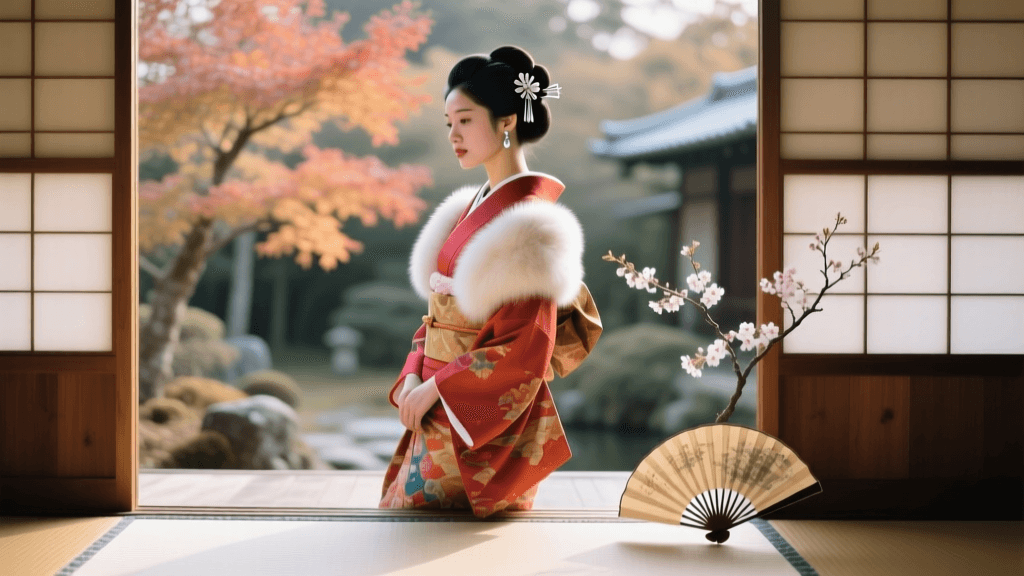
In 2026, the global appreciation for traditional Japanese fashion has evolved beyond mere aesthetic admiration into a profound engagement with the philosophy, craftsmanship, and sensory experience of the garments themselves. Among the most revered of these textiles is Oshima Tsumugi, a pongee silk fabric originating from the Amami Oshima islands in Kagoshima Prefecture. As contemporary fashion increasingly embraces sustainability, mindfulness, and the Zen concept of wabi-sabi (finding beauty in imperfection and transience), Oshima Tsumugi stands out as a masterclass in slow fashion. Wearing this garment is not just about donning a piece of clothing; it is a tactile, meditative practice that connects the wearer to centuries of Japanese heritage, natural dyeing processes, and meticulous hand-weaving techniques.
This comprehensive guide explores the intricate weaving methods, authentication protocols, modern styling techniques, and essential preservation strategies for Oshima Tsumugi kimonos in 2026, ensuring that collectors and enthusiasts can honor and maintain these masterpieces for generations to come.
The Intricate Weaving Method: Mud-Dyeing and Kasuri
To truly appreciate an Oshima Tsumugi kimono, one must understand its grueling and highly specialized production process, which the Agency for Cultural Affairs, Japan recognizes as a vital intangible cultural asset. The creation of authentic Oshima Tsumugi involves over thirty distinct steps, taking up to a year to complete a single bolt of fabric (tanmono).
The Dorozome (Mud-Dyeing) Process
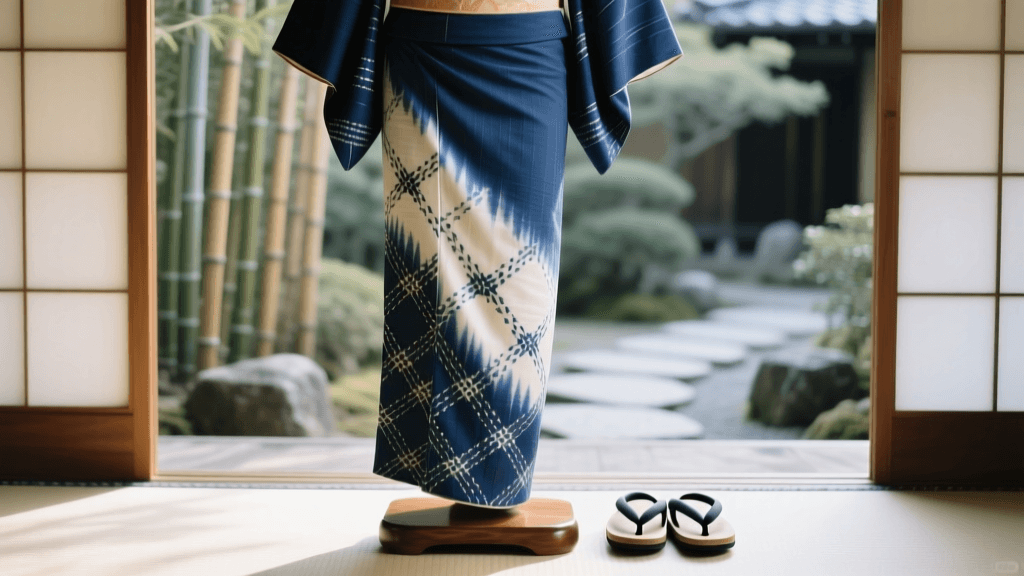
The signature muted, earthy color palette of Oshima Tsumugi is achieved through dorozome, or mud-dyeing. Artisans first boil the bark of the techigi (ironwood) tree to extract a rich, red-brown tannin. The silk threads are repeatedly dyed in this tannin bath and then submerged in the iron-rich mud of Amami Oshima's rice paddies. The chemical reaction between the tannin and the iron creates a deep, enduring grey-black hue that is remarkably colorfast. This connection to the earth embodies the Zen principle of grounding and harmony with nature.
Kasuri (Ikat) Tie-Dyeing and Weaving
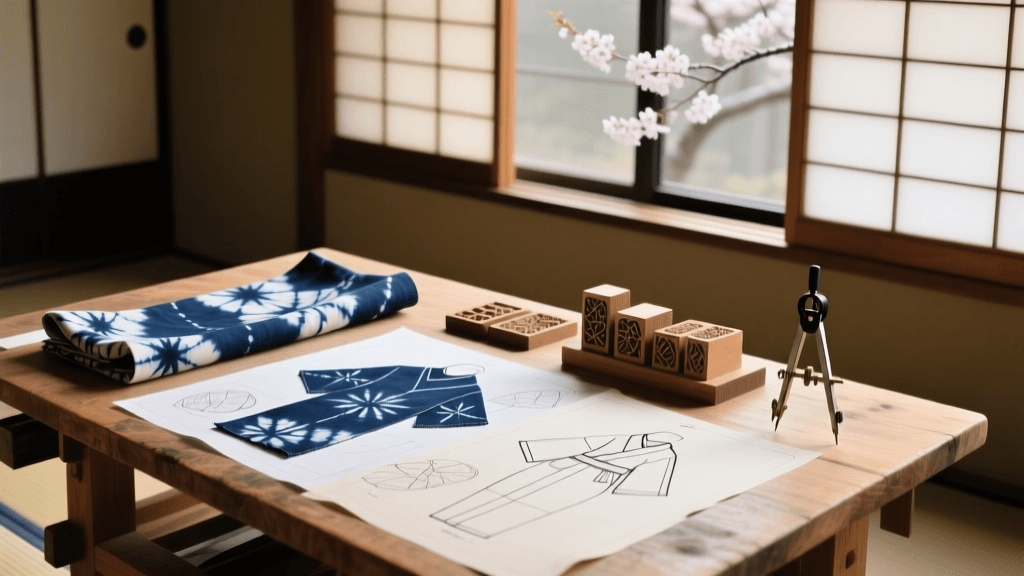
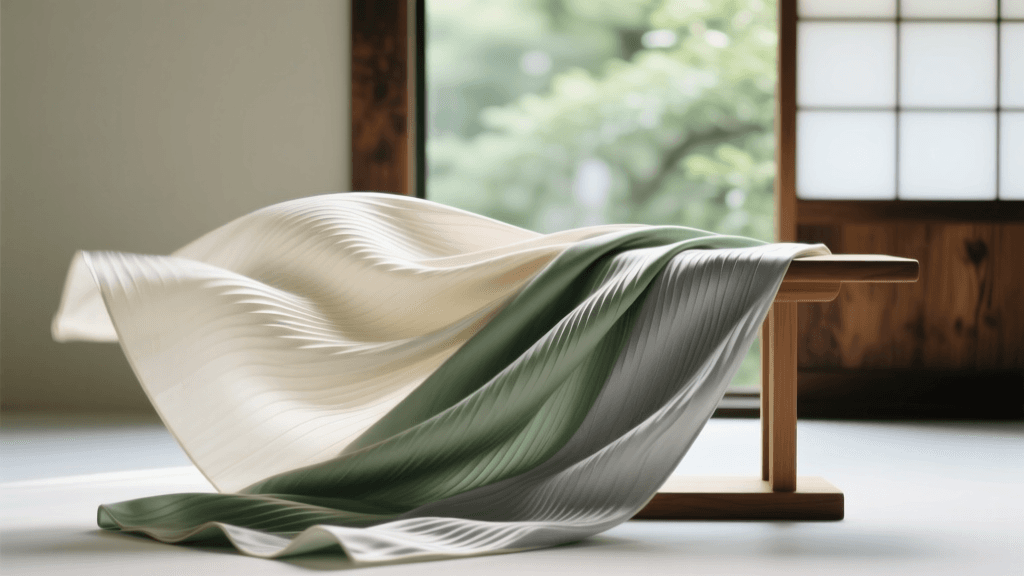
Before dyeing, the threads are bound with cotton to resist the dye, creating the kasuri (ikat) patterns. The precision required is staggering; a misalignment of even a millimeter during the weaving phase on the shime-bata (loom) will blur the intricate geometric or floral motifs. The resulting fabric is lightweight, highly durable, and possesses a subtle, sophisticated luster that only deepens with years of wear.
Authenticating Your Garment: The Maruki Seal System
As the market for vintage and contemporary Japanese textiles expands in 2026, authentication has become paramount. Genuine Oshima Tsumugi is rigorously inspected by the Amami Oshima Tsumugi Cooperative. Only fabrics that pass strict criteria regarding thread count, dyeing methods, and weaving precision receive the official inspection seals.
When examining a kimono, look for the paper inspection tags or the stamped seals on the fabric's reverse side. The most critical indicator of quality is the Maruki (マルキ) mark, which denotes the density and complexity of the kasuri pattern. Below is a comparison chart of the Maruki grading system to help you assess the value and formality of your garment.
| Maruki Grade | Kasuri Thread Density | Formality Level | Estimated 2026 Market Price (USD) |
|---|---|---|---|
| 12-Maruki | Highest density (finest patterns) | Premium Casual / Formal Events | $8,000 - $15,000+ |
| 9-Maruki | High density | Upscale Everyday Casual | $4,000 - $7,500 |
| 4-Maruki | Standard density | Entry-level Casual | $1,500 - $3,500 |
| Unmarked / No Maruki | Varies (often machine-assisted) | Daily Wear / Practice | $200 - $800 |
Note: According to the Ministry of Economy, Trade and Industry (METI), protecting these traditional craft designations ensures that consumers are purchasing genuine, hand-crafted regional textiles rather than mass-produced imitations.
Styling Oshima Tsumugi for the Modern Wardrobe
Despite its high cost and exquisite craftsmanship, Oshima Tsumugi is traditionally classified as an everyday, casual fabric (fudangi). However, in 2026, contemporary Japanese fashion stylists frequently elevate it for semi-formal occasions by carefully selecting accompanying accessories.
Obi Pairings
- Nagoya Obi: For a sophisticated, upscale casual look (such as attending a tea ceremony or a gallery opening), pair a 12-Maruki Oshima kimono with a high-quality silk Nagoya obi featuring a subtle woven pattern or metallic thread accents.
- Hanhaba Obi: For weekend travel, dining, or casual cultural festivals, a vibrant, reversible Hanhaba obi adds a playful contrast to the subdued, earthy tones of the mud-dyed silk.
Seasonal Considerations
Oshima Tsumugi is highly breathable, making it comfortable for three seasons. In the humid Japanese summer, wearers opt for hitoe (unlined) Oshima kimonos, while the autumn, winter, and spring seasons call for the standard lined awase kimono. The fabric's natural temperature-regulating properties make it a favorite for modern travelers exploring Japan's diverse climates, a trend heavily promoted by the Japan National Tourism Organization (JNTO) for cultural immersion trips.
Footwear Pairings: Zori and Tabi Selection Guide
No kimono ensemble is complete without the proper footwear. In 2026, the integration of ergonomic design with traditional aesthetics has revolutionized zori (sandals) and tabi (split-toe socks).
Sizing and Fit
Unlike Western shoes, zori should not cover the entire foot. The ideal fit allows the heel to slightly overhang the back edge of the sandal by about 0.5 to 1 centimeter. This prevents the heel from stepping on the back of the zori, which damages the material and disrupts your gait. When purchasing tabi, select your exact foot measurement in centimeters; a snug fit is essential to prevent slipping inside the zori's hanao (thong).
Material Choices for 2026
- Tatami-Omote Zori: Woven rush grass soles are traditional, highly breathable, and perfect for indoor events or dry, mild days.
- EVA and Leather Hybrids: Modern 2026 iterations feature lightweight, waterproof EVA foam cores wrapped in traditional leather or brocade. These are highly recommended for travel, providing arch support and weather resistance without sacrificing the traditional silhouette.
Preservation: Combating Humidity and Textile Degradation
Silk is a protein fiber, making it highly susceptible to humidity, mold, and insect damage. With global climate shifts causing increased humidity fluctuations in 2026, proper preservation of Oshima Tsumugi is more critical than ever.
The Kiribako (Paulownia Wood Box)
Always store your kimono in a kiribako, a traditional box made from paulownia wood. Paulownia is naturally moisture-regulating; it expands in high humidity to create an airtight seal, protecting the silk from dampness and mold, and contracts in dry conditions to allow the fabric to breathe. Never store premium silk in plastic bins, as trapped moisture will inevitably lead to mildew.
Mushi-Boshi (Airing Out) Schedule
Twice a year—ideally in the dry, crisp days of late autumn and early spring—perform mushi-boshi. Unfold the kimono and hang it on a specialized kimono hanger in a shaded, well-ventilated room for a few hours. This process releases trapped moisture, odors, and prevents permanent crease lines from setting into the silk fibers. Avoid direct sunlight, which can rapidly degrade the natural dyes and weaken the silk proteins.
Folding and Stuffing
When folding the kimono back into its tatou (paper wrapper), insert acid-free tissue paper along the major fold lines. This prevents sharp creases that can eventually cause the silk threads to snap over decades of storage. By adhering to these meticulous preservation methods, you ensure that the profound artistry of Oshima Tsumugi remains a vibrant, living tradition in your wardrobe for years to come.