Japanese Kimono Age Milestones: Shichi-Go-San & Seijin Guide 2026
The Enduring Legacy of Japanese Garment Milestones
In Japanese culture, the kimono is far more than a mere article of clothing; it is a chronological map of a person’s life, a visual diary woven from silk, hemp, and synthetic blends that marks our most profound transitions. As we navigate through 2026, the intersection of ancient heritage and modern sustainability is reshaping how families approach these sartorial milestones. From the tender years of early childhood to the cusp of adulthood and the revered elder years, specific garments are donned to signal growth, societal integration, and longevity.
For international enthusiasts, cultural historians, and families living abroad who wish to honor their Japanese heritage, understanding the nuances of these life-stage garments is essential. The year 2026 has brought a renewed focus on eco-conscious rentals, upcycled vintage silks from the Showa era, and a revival of regional weaving techniques. This comprehensive guide explores the traditional kimono milestones, detailing the specific garments, modern styling trends, and the financial considerations for participating in these timeless ceremonies today.
Shichi-Go-San: Celebrating Ages Three, Five, and Seven
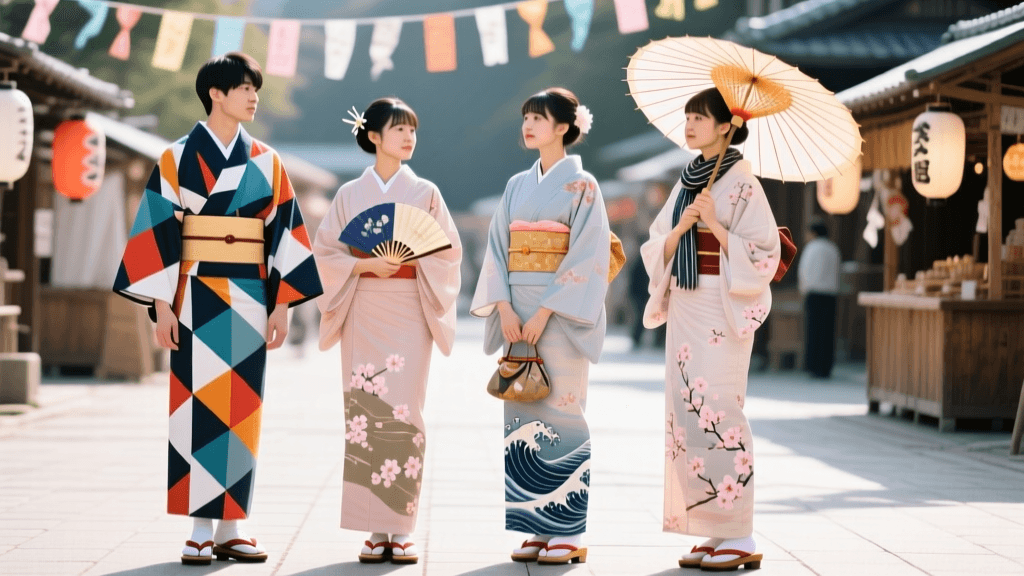
Shichi-Go-San, which translates literally to "Seven-Five-Three," is a traditional rite of passage and festival day celebrated annually on November 15th. Historically, these ages were considered critical thresholds in a child's development, a time when they were particularly vulnerable and in need of spiritual protection. Today, it is a joyous occasion where families visit Shinto shrines to pray for the health and longevity of their children. According to historical overviews provided by Japan Guide's comprehensive guide to Shichi-Go-San, the garments worn during this festival are deeply symbolic, representing the child's first steps into the structured world of traditional Japanese dress.
Age Three: The Himo-Toki and Hakamagi Ceremonies
At age three, both boys and girls traditionally celebrate the himo-toki (cord-untying) ceremony. Historically, this marked the transition from wearing simple, cord-tied baby garments to wearing a proper kimono with a sash. In 2026, little girls typically wear a bright, patterned silk kimono paired with a hifu—a padded, sleeveless vest that makes tying a complex obi unnecessary for a toddler. Boys of this age may participate in the hakamagi ceremony, donning a miniature hakama over their kimono, though this is now more commonly reserved for age five.
Age Five: The First Hakama for Boys
The age of five is exclusively celebrated by boys, marking their first time wearing a hakama (pleated trousers) and haori (jacket) adorned with the family crest (kamon). The hakama symbolizes the boy's entry into the male sphere of society and his readiness to take on future responsibilities. Modern 2026 trends see many parents opting for breathable, washable synthetic blends for five-year-olds, prioritizing comfort and stain resistance during long shrine visits, though high-end Nishijin-ori silk rentals remain highly sought after for formal photography.
Age Seven: The Obi-Toki Transition for Girls
At age seven, girls celebrate the obi-toki ceremony, transitioning from the simple cord-tied kimono of their toddler years to a full-length kimono tied with a proper, structured obi sash. This is a miniature version of adult women's formal wear. The garments are often heavily decorated with auspicious motifs like cranes, pine trees, and peonies, utilizing the vibrant Yuzen dyeing technique. A shigoki (a decorative silk sash tied lower on the waist) is often added to manage the excess length of the kimono, allowing the child to walk safely while maintaining the elegant silhouette of trailing fabric.
Seijin no Hi: The Coming of Age Furisode and Hakama
Held on the second Monday of January, Seijin no Hi (Coming of Age Day) celebrates young adults who have reached the age of 20, the legal age of majority in Japan (though recent legal shifts regarding voting and marriage ages have added layers of cultural complexity, the traditional garment milestone remains firmly anchored at 20). For young adults navigating the transition into society, Japan Guide's context on Seijin no Hi highlights the enduring importance of the furisode and the male hakama in projecting maturity, elegance, and readiness for adult responsibilities.
The Furisode: Swinging Sleeves of Youth
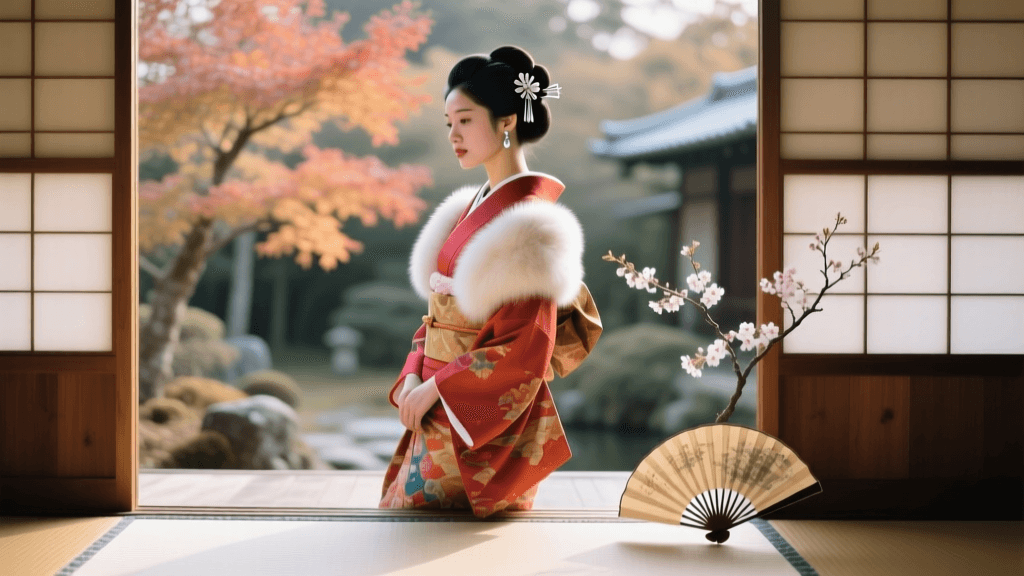
The furisode is the most formal kimono for unmarried young women, instantly recognizable by its dramatically long, swinging sleeves, which can measure up to 114 centimeters in length. The long sleeves historically served to ward off evil spirits and signal marital availability. In 2026, the furisode market is experiencing a massive shift toward sustainability. Rather than purchasing brand-new, resource-intensive silks, many young women are renting or purchasing upcycled vintage furisode from the 1970s and 1980s. These vintage pieces offer unique, bold retro color palettes that stand out against the more standardized modern mass-produced designs, allowing for deep personal expression.
Men’s Hakama and Haori: A Dignified Transition
While many young men opt for Western business suits for their Coming of Age ceremonies, those who choose traditional dress wear a dark, formal montsuki hakama (crested trousers) paired with a striped or solid haori jacket. The ensemble exudes a quiet, stoic dignity. The 2026 styling trend for men leans heavily into minimalist aesthetics, favoring subdued navy, charcoal, and deep plum hues, accented by subtle, hand-woven geometric patterns in the hakama fabric that catch the light only upon close inspection.
Kanreki and Kiju: Honoring the Elder Years
The kimono milestone tradition does not end with youth; it extends into the later stages of life, celebrating longevity and wisdom. The most famous of these is Kanreki, the 60th birthday. In the traditional East Asian sexagenary calendar, turning 60 means completing one full cycle of the zodiac, symbolizing a rebirth. To mark this, the celebrant wears a chanchanko—a padded, sleeveless vest—and a zukin (hood) in vibrant red. The color red is traditionally believed to ward off evil spirits and represents the vitality of a newborn. Subsequent milestones, such as the 70th birthday (Kiju) and the 77th birthday (Kiju), are often celebrated with purple or yellow chanchanko, colors historically associated with nobility, respect, and the autumn of life.
The Textile Artistry Behind the Milestones
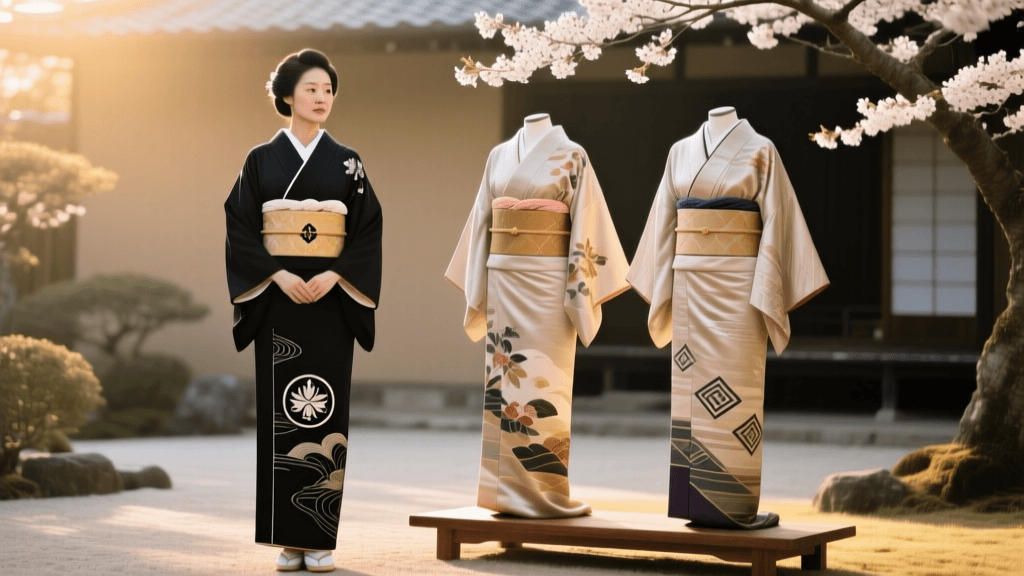
The garments worn during these life stages are canvases for Japan's most revered textile arts. The preservation of these intricate techniques is closely monitored and supported by Japan's Agency for Cultural Affairs, ensuring that the skills of master artisans are passed down to the next generation. The furisode and seven-year-old Shichi-Go-San kimono frequently feature Kyo-Yuzen dyeing, a resist-dyeing technique that allows for painterly, multi-colored designs that look as though they were brushed directly onto the silk. Meanwhile, the formal hakama worn by men and five-year-old boys are often woven using Nishijin-ori, a complex, multi-harness weaving method originating in Kyoto that produces dense, durable, and subtly lustrous fabrics.
2026 Market Trends: Rental Costs and Sustainable Silks
Navigating the financial aspect of kimono milestones is crucial for modern families. The cost of purchasing a brand-new, hand-dyed silk kimono ensemble can easily exceed several thousand dollars, making the rental market the dominant force in 2026. The table below outlines the average rental costs and key components for each major milestone in the current market.
| Life Stage Milestone | Primary Garment | 2026 Average Rental Cost (JPY) | Key Accessories & Symbolism |
|---|---|---|---|
| Shichi-Go-San (Age 3) | Hifu over Kimono | ¥15,000 - ¥25,000 | Zori sandals, Chitose-ame candy |
| Shichi-Go-San (Age 5) | Hakama & Haori | ¥20,000 - ¥35,000 | Katana toy, Hakama straps |
| Shichi-Go-San (Age 7) | Full Obi Kimono | ¥25,000 - ¥45,000 | Shigoki sash, Marugushi comb |
| Seijin no Hi (Age 20) | Furisode / Hakama | ¥80,000 - ¥150,000 | Zori, Pochette, Fur shawl |
| Kanreki (Age 60) | Red Chanchanko | ¥10,000 - ¥20,000 | Red Zukin hood, Fan |
"In 2026, the most profound trend in Japanese ceremonial dress is not a new color palette, but a return to circular fashion. Renting, upcycling, and sharing heirloom kimono across generations is how modern families honor both their ancestors and the environment."
Final Thoughts on Sourcing and Styling
Whether you are planning a Shichi-Go-San shrine visit in Kyoto, attending a Seijin no Hi ceremony in Tokyo, or sourcing a Kanreki vest for a family celebration abroad, the key to a successful milestone is preparation. In 2026, reputable online rental services offer comprehensive packages that include professional dressing (kitsuke), hair styling, and even eco-friendly dry cleaning upon return. For those outside of Japan, specialized international shipping services for vintage kimono have made it easier than ever to drape a piece of Japanese history over the shoulders of the next generation, ensuring that the beautiful, silent language of the kimono continues to be spoken for centuries to come.