2026 Guide to Traditional Chinese Footwear: Cloud Shoes & Boots
The Xin Zhongshi Footwear Renaissance of 2026
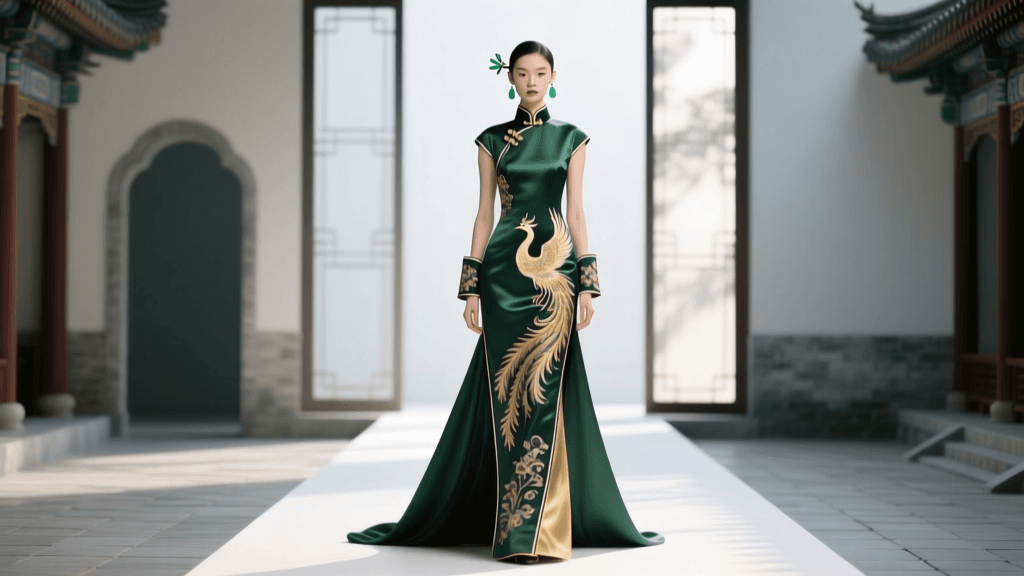
The global fashion landscape in 2026 has fully embraced the Xin Zhongshi (New Chinese Style) movement, transforming traditional garments from occasional ceremonial wear into everyday luxury. While flowing Mamianqun (horse-face skirts) and structured Song Dynasty jackets often steal the spotlight, a historically accurate outfit is fundamentally incomplete without the correct footwear. Traditional Chinese footwear—ranging from the iconic upturned Cloud Shoes to intricately embroidered winter boots—has undergone a massive revival, with modern artisans blending historical silhouettes with 2026 ergonomic innovations.
Whether you are attending a spring tea ceremony, navigating a modern city commute, or preparing for a winter cultural festival, understanding the nuances of traditional Chinese shoes is essential. This comprehensive guide explores the history, modern adaptations, styling rules, and maintenance of traditional Chinese footwear for the contemporary wardrobe.
Cloud Shoes (Yuntou Lu): The Pinnacle of Elegance
The Cloud Shoe, known historically as Yuntou Lu or Yunxie, is arguably the most recognizable piece of traditional Chinese footwear. Characterized by its distinct upturned toe that resembles a stylized cloud or ruyi scepter, this shoe style reached its zenith during the Ming and Qing dynasties. Historically, the height and extravagance of the cloud toe indicated the wearer's social status and wealth.
2026 Material Innovations
In 2026, leading Hanfu footwear artisans have solved the historical discomfort of traditional layered cloth soles (Qiancengdi). While purists still commission handmade, quilted cotton soles for indoor events, the modern Cloud Shoe features a hidden EVA foam midsole and a flexible, silent rubber outsole. This allows wearers to walk on asphalt and tile without destroying the delicate silk uppers or compromising the traditional aesthetic. The uppers are now frequently crafted from heavy-weight mulberry silk, vegan lotus-silk blends, and brocade, featuring hand-embroidered motifs of peonies, cranes, and plum blossoms.
Styling Cloud Shoes
- Ming Dynasty Attire: Pair heavily embroidered, thick-soled cloud shoes with a floor-sweeping Mamianqun. The upturned toe is specifically designed to peek out elegantly from beneath the heavy pleats of the skirt as you walk.
- Song Dynasty Minimalism: Opt for unembroidered, solid-color satin cloud shoes with a lower toe profile to complement the slender, pleated Song skirts and narrow-sleeved Beizi jackets.
- Modern Xin Zhongshi: In 2026, fashion-forward stylists are pairing minimalist matte-black cloud shoes with tailored wide-leg linen trousers and structured Mandarin-collar blazers for a striking office-appropriate look.
Winter Elegance: Embroidered Boots (Xuezi)
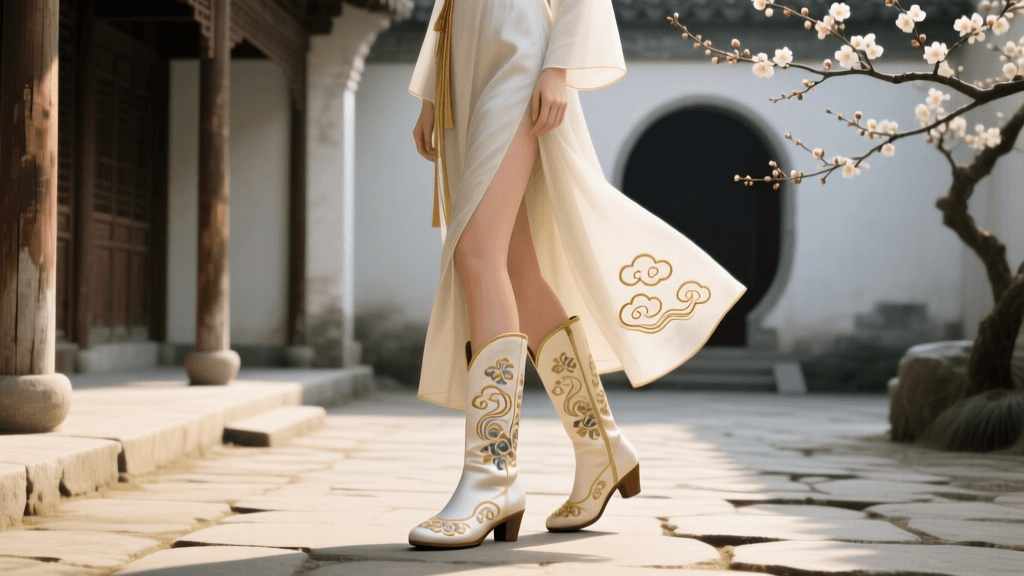
As the temperature drops, traditional footwear transitions from delicate slip-ons to structured, ankle-height boots known as Xuezi. Influenced heavily by the equestrian and nomadic cultures of northern China, as well as the Manchu traditions of the Qing dynasty, these boots are essential for winter Hanfu styling.
Modern 2026 winter boots maintain the traditional flat, slightly elevated wooden or composite heel but incorporate plush shearling linings and water-resistant velvet exteriors. The embroidery on winter boots tends to be denser and more opulent, often utilizing metallic gold and silver threads to depict winter flora like pine, bamboo, and plum blossoms (the 'Three Friends of Winter').
How to Wear Traditional Boots
Traditional boots are best styled with heavier, winter-weight garments. They pair flawlessly with wool-blend Mamianqun, thick velvet Ming-style Aoqun (jacket and skirt sets), and modern Xin Zhongshi wool overcoats. Because the boots cover the ankle entirely, they eliminate the need for heavy layering of socks, keeping the silhouette clean and historically accurate. For a regal aesthetic, choose boots with a slightly pointed toe and side-closure toggles made of carved jade or polished brass.
Summer Breezes: Woven and Straw Sandals
While silk shoes dominate the luxury market, traditional summer footwear offers a breathable, rustic alternative. Historically worn by scholars, monks, and commoners, woven straw sandals (Mangxie) and hemp shoes are experiencing a resurgence in 2026 among those who prefer a minimalist, Zen-inspired aesthetic. Modern iterations use softened, treated raffia and woven cotton cords that prevent the blisters associated with historical rough-hewn grasses. These are ideal for pairing with lightweight, translucent Tang dynasty-style Ruqun or casual summer linen sets.
2026 Buyer’s Guide and Comparison Chart
Navigating the market for traditional Chinese footwear requires an understanding of what to expect regarding price, materials, and use cases. Below is a comprehensive comparison of the primary footwear types available from top-tier artisans and specialized boutiques in 2026.
| Footwear Type | Historical Era | 2026 Avg. Price (USD) | Best Modern Pairing |
|---|---|---|---|
| Cloud Shoes (Yuntou Lu) | Ming / Qing | $85 - $250 | Mamianqun, Song pleated skirts, wide-leg trousers |
| Embroidered Ankle Boots | Qing / Republic | $150 - $380 | Winter wool Hanfu, Xin Zhongshi overcoats |
| Woven Straw Sandals | Han / Tang | $40 - $90 | Summer Ruqun, casual linen sets, Zen wear |
| Scholar's Cloth Shoes | Song / Ming | $60 - $120 | Daily casual Hanfu, modern streetwear fusion |
When purchasing, always prioritize retailers that provide detailed millimeter sizing charts and offer customizable embroidery options. According to the Victoria and Albert Museum's extensive Asian collections, historical footwear was often heavily embroidered to signify rank and occasion, a tradition that modern bespoke artisans continue to honor today.
Sizing and Fit: Navigating Artisan Measurements
One of the most significant hurdles for international buyers in 2026 is navigating traditional Chinese sizing. Unlike Western footwear, which uses arbitrary numerical scales, authentic artisan shoes are measured strictly in millimeters (MM) based on foot length.
How to Measure for Traditional Shoes
- Trace Your Foot: Stand on a piece of paper and trace the outline of your foot while wearing the thickness of socks you intend to wear with the shoes.
- Measure Length: Measure from the very tip of your longest toe to the back of your heel in millimeters. A measurement of 235mm typically corresponds to a US Women's 6.5.
- Account for the Toe Box: Cloud shoes and traditional boots often feature a narrower, more tapered toe box than modern Western shoes. If you have a wide foot, it is highly recommended to size up by 5mm to 10mm to prevent crushing the delicate silk embroidery at the toe.
Furthermore, traditional shoes lack modern arch support. In 2026, many wearers purchase thin, leather-topped orthotic inserts specifically designed for flat traditional soles, ensuring all-day comfort during festivals and long photoshoots.
Care and Maintenance of Silk and Velvet Footwear
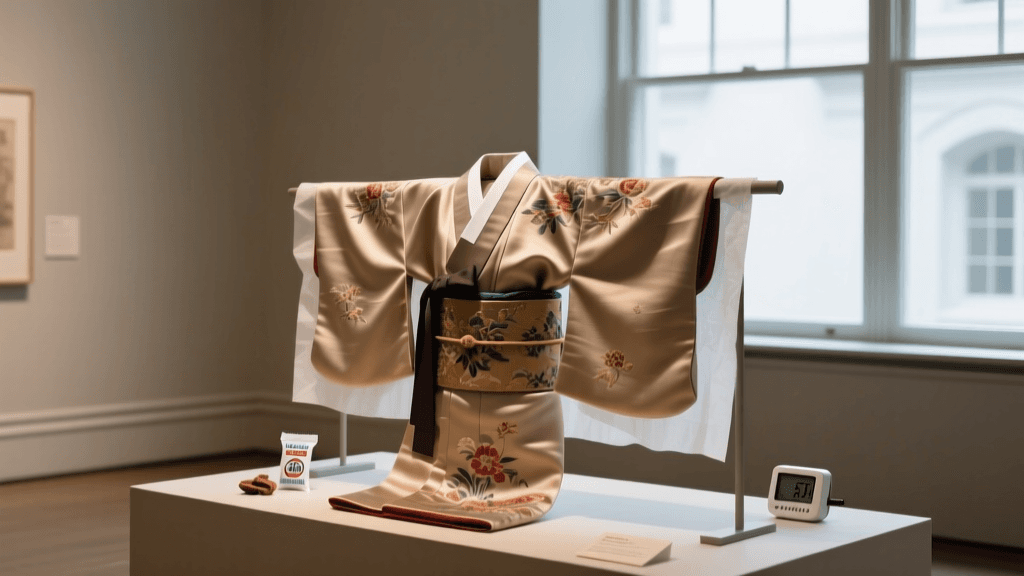
Traditional Chinese footwear is an investment in wearable art. The delicate nature of silk brocade, velvet, and metallic embroidery requires meticulous care to ensure longevity. The Metropolitan Museum of Art's Asian Art department emphasizes the importance of proper environmental controls for historical textiles, a principle that applies equally to your modern wardrobe.
Cleaning Protocols
- Silk and Brocade: Never submerge silk shoes in water. Use a soft, dry brush to remove surface dust. For localized stains, use a barely damp microfiber cloth with a drop of pH-neutral silk detergent, dabbing gently without rubbing the embroidery threads.
- Velvet Boots: Use a specialized velvet brush to restore the nap of the fabric. If the boots get wet from snow or rain, stuff them with acid-free tissue paper and allow them to air dry away from direct heat sources, which can cause the velvet to crush and the adhesive to fail.
Storage and Preservation
Proper storage is critical to maintaining the structural integrity of the upturned cloud toe and the boot shafts. Always insert cedar shoe trees or stuff the toes with acid-free archival tissue paper to prevent the silk from creasing or the toe from collapsing. Store the shoes in breathable cotton dust bags—never in plastic, which can trap moisture and cause the silk to mildew or the metallic threads to tarnish. Keep them in a cool, dark closet with silica gel packets to control ambient humidity, ensuring your footwear remains pristine for years to come.
Conclusion
The traditional Chinese footwear market in 2026 offers an unprecedented blend of historical reverence and modern practicality. Whether you are stepping out in a pair of upturned Cloud Shoes to complement a Ming-style skirt, or lacing up embroidered velvet boots for a winter stroll, these garments connect the wearer to centuries of sartorial excellence. By understanding the proper sizing, styling contexts, and meticulous care required, you can seamlessly integrate these masterpieces of Asian heritage into your contemporary wardrobe, walking confidently into the future while honoring the artistry of the past.