Kimono Life Stages 2026: Age Milestones & Styles
The Wearable Calendar: Kimono as Life Markers in 2026
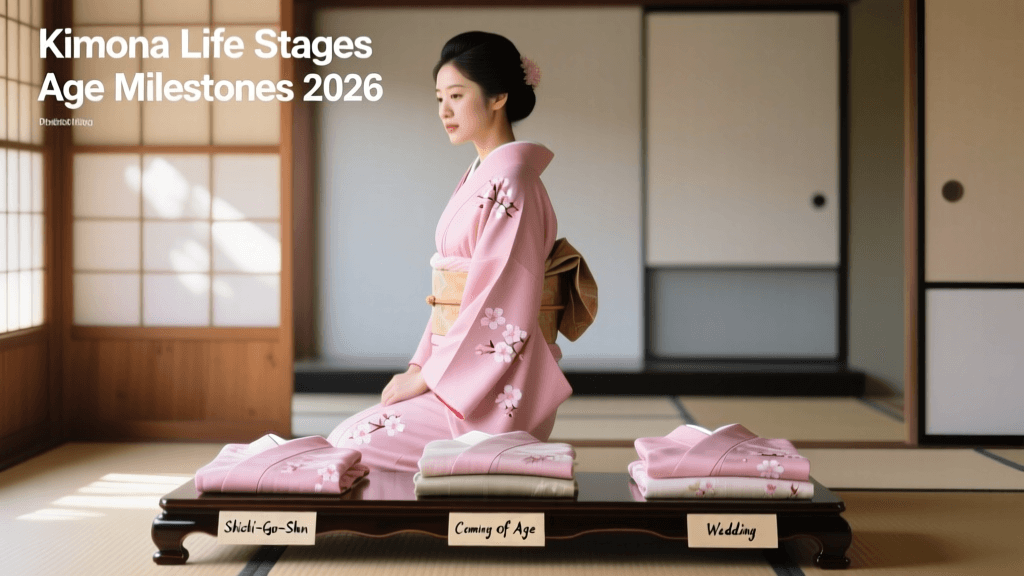
The traditional Japanese kimono is far more than a beautiful garment; it is a wearable calendar that meticulously records the passage of time, personal growth, and societal transitions. In 2026, while daily Western clothing dominates everyday life in Japan, the kimono remains the undisputed sovereign of life's most significant milestones. From the first shrine visit of an infant to the solemn elegance of elder years, the cut, color, sleeve length, and motifs of a kimono communicate a person's exact stage in life without a single word being spoken.
As of 2026, the intersection of heritage preservation and modern sustainability has breathed new life into these traditions. Eco-friendly botanical dyes, lab-grown sustainable silk alternatives, and AI-driven virtual fitting rooms in Tokyo and Kyoto have made participating in these milestones more accessible than ever. This comprehensive guide explores how kimono styles evolve across different life stages, providing actionable insights, current 2026 pricing, and cultural context for each major milestone.
Infancy and Early Childhood: Protection and Growth
Miyamairi: The First Shrine Visit
When a Japanese baby reaches one month of age, families participate in Miyamairi, a Shinto ceremony to introduce the infant to the local tutelary deity and pray for their health. The baby is traditionally wrapped in an ubugi (a white silk undergarment) and a brightly colored outer kimono called a miyamairi-gi. In 2026, modern parents often opt for lightweight, breathable organic silk blends to ensure the infant's comfort during the ceremony. The motifs embroidered on the back of the garment are deeply symbolic: boys often feature eagles, samurai helmets (kabuto), or dogs (symbolizing easy birth and protection), while girls feature delicate peonies or butterflies.
Shichi-Go-San: The Ages of Three, Five, and Seven
Held annually in November, Shichi-Go-San celebrates the survival and growth of children at the ages of three, five, and seven. According to Japan Guide's comprehensive overview of Shichi-Go-San, these ages were historically considered critical milestones where children were particularly vulnerable, making their survival a cause for grand celebration.
- Age Three (Boys and Girls): Children wear a kimono over a hifu (a padded, sleeveless vest). This allows the beautiful kimono fabric to be seen without the complex, restrictive obi tying required for adults.
- Age Five (Boys): Boys wear their first formal hakama (pleated trousers) over a kimono, often featuring the kamon (family crest). This marks their formal entry into the community.
- Age Seven (Girls): Girls transition from the simple cords used to tie their toddler kimono to a proper, structured obi belt, mirroring the dressing style of adult women.
In 2026, renting children's Shichi-Go-San sets is highly popular, with premium packages in major cities averaging between ¥10,000 and ¥18,000. These packages typically include professional dressing (kitsuke), hair styling for girls, and commemorative photography.
Coming of Age: The Furisode and Seijin Shiki
Arguably the most visually spectacular milestone in the Japanese life cycle is Seijin no Hi (Coming of Age Day), celebrated on the second Monday of January for those who have turned 20. This is the moment young women debut the furisode, a kimono characterized by its dramatically long, swinging sleeves that can measure up to 114 centimeters in length.
The long sleeves are historically significant; unmarried women wear them to signal their availability and youth, while the swinging motion was traditionally believed to ward off evil spirits. In 2026, the design landscape for furisode has expanded. While classic motifs like cranes (tsuru), cherry blossoms (sakura), and pine (matsu) remain popular, there is a massive surge in demand for contemporary, geometric Art Deco patterns and bold, contrasting color-block designs that appeal to Gen Z aesthetics.
Purchasing a bespoke, high-end silk furisode in 2026 can cost anywhere from ¥300,000 to over ¥1,000,000 depending on the artisan and dyeing technique (such as yuzen or shibori). However, the vast majority of young women utilize rental services. A premium 2026 rental package—including the furisode, undergarments, obi, accessories, zori sandals, professional dressing, and salon styling—typically ranges from ¥45,000 to ¥85,000.
Matrimony: The Purity of Shiromuku and Uchikake
Marriage represents a profound shift in a woman's kimono wardrobe, marking the transition from the long-sleeved furisode to the short-sleeved garments of married life. Traditional Shinto weddings feature the shiromuku, an ensemble where every layer—from the innermost shiro-muku undergarments to the outer uchikake coat—is pure white. As detailed in traditional Japanese wedding customs documented by Japan Guide, the white symbolizes the bride's purity and her willingness to be "dyed" in the colors of her new husband's family.
Following the solemn ceremony, brides often change into an iro-uchikake (a colored, heavily padded outer robe) for the reception. In 2026, deep jewel tones like emerald green, sapphire blue, and rich burgundy are highly sought after for the iro-uchikake, heavily embroidered with gold and silver threads depicting auspicious symbols like the phoenix and the pine-bamboo-plum (shochikubai) combination.
The weight of a traditional bridal kimono can exceed 20 kilograms. To combat this, 2026 has seen the rise of "lightweight luxury" rental lines in Kyoto and Tokyo, utilizing advanced, ultra-fine silk weaves that maintain the opulent drape and volume of the garment while reducing the physical burden on the bride by up to 30%.
Adulthood and Formal Maturity: Houmongi and Tomesode
Once a woman is married, her sleeves are metaphorically and literally "cut" or tucked, signifying her new status. The most formal garment for a married woman is the kurotomesode (black tomesode), characterized by its short sleeves and intricate patterns that only appear below the obi. It is strictly reserved for the weddings of close relatives.
For general formal visits, tea ceremonies, and graduation ceremonies, both married and unmarried women wear the houmongi (visiting wear). The houmongi is distinguished by its continuous patterns that flow seamlessly across the seams of the shoulders, sleeves, and hem. According to the evolution of Japanese clothing, the houmongi is the ultimate expression of refined, adult elegance, allowing women to participate in high-society events with appropriate grace.
The Elder Years: Inheritance and 2026 Upcycling
In the later stages of life, kimono wearing often shifts toward subdued colors, smaller motifs, and highly refined, understated fabrics like tsumugi (pongee silk). However, the elder years also bring the responsibility of tsunagashi—the passing down of family garments. In 2026, the upcycling and remodeling of vintage Showa and Heisei era kimono is a booming industry. Elder matriarchs are increasingly working with specialized Kyoto ateliers to dismantle their formal furisode or wedding uchikake, repurposing the pristine, hand-painted silk into modern haori (jackets), elegant tote bags, or framed textile art for their grandchildren, ensuring the family legacy survives in a functional, contemporary format.
2026 Milestone Kimono Comparison Chart
| Life Stage | Age | Primary Garment | Key Motifs & Features | 2026 Avg. Rental Cost (JPY) |
|---|---|---|---|---|
| Early Childhood | 3, 5, 7 | Hifu / Hakama | Pine, Bamboo, Dogs, Kabuto | ¥10,000 - ¥18,000 |
| Coming of Age | 20 | Furisode | Long sleeves, Cranes, Sakura | ¥45,000 - ¥85,000 |
| Marriage | Adult | Shiromuku / Uchikake | Pure white, Phoenix, Shochikubai | ¥150,000 - ¥350,000 |
| Formal Adulthood | Married | Kurotomesode | Short sleeves, Below-obi patterns | ¥30,000 - ¥60,000 |
| Visiting / General | Adult | Houmongi | Continuous seam-crossing patterns | ¥25,000 - ¥50,000 |
Practical Guide: Navigating Kimono Rentals and Kitsuke in 2026
Participating in these milestones requires careful planning. The art of dressing in a kimono, known as kitsuke, is highly technical and usually requires a certified professional. Here is your actionable guide for navigating the 2026 kimono landscape:
- Booking Timelines: For major milestones like Seijin Shiki or weddings, booking your rental salon and kitsuke appointment 6 to 8 months in advance is mandatory in 2026. Popular dates in November (for Shichi-Go-San) and January (for Coming of Age) sell out almost immediately after the previous year's ceremonies conclude.
- Virtual Try-Ons: Take advantage of the AR (Augmented Reality) virtual fitting mirrors now standard in most high-end Tokyo and Kyoto boutiques. These allow you to visualize how different obi patterns and kimono colors interact with your skin tone and hair color before committing to a physical fitting.
- Measurements Matter: Unlike Western clothing, kimono are generally one-size-fits-all, adjusted through folding and tying. However, you must provide the salon with your exact height, hip circumference, and arm span (from the nape of the neck to the wrist). If you are unusually tall (over 170cm), you must specifically request a tall-size kimono, as standard lengths will result in an awkwardly short hemline.
- The Sensory Experience: Prepare for the physical reality of kitsuke. A professional dressing session takes 45 to 60 minutes. The obi is tied tightly to ensure the garment does not shift, which can restrict deep breathing and sitting. In 2026, many salons offer "comfort-padding" kits and specialized, flexible obi-boards that significantly reduce the physical strain of wearing formal garments for 8-hour wedding receptions or long shrine visits.
Ultimately, the kimono remains a profound vessel of cultural memory. Whether it is the protective embrace of a baby's miyamairi garment or the dignified elegance of an elder's tsumugi silk, these garments ensure that the most vital chapters of life are worn, celebrated, and remembered.