2026 Fashion Media: Styling Hanbok & Qipao Editorial Trends
The Evolution of Asian Heritage in Global Fashion Media
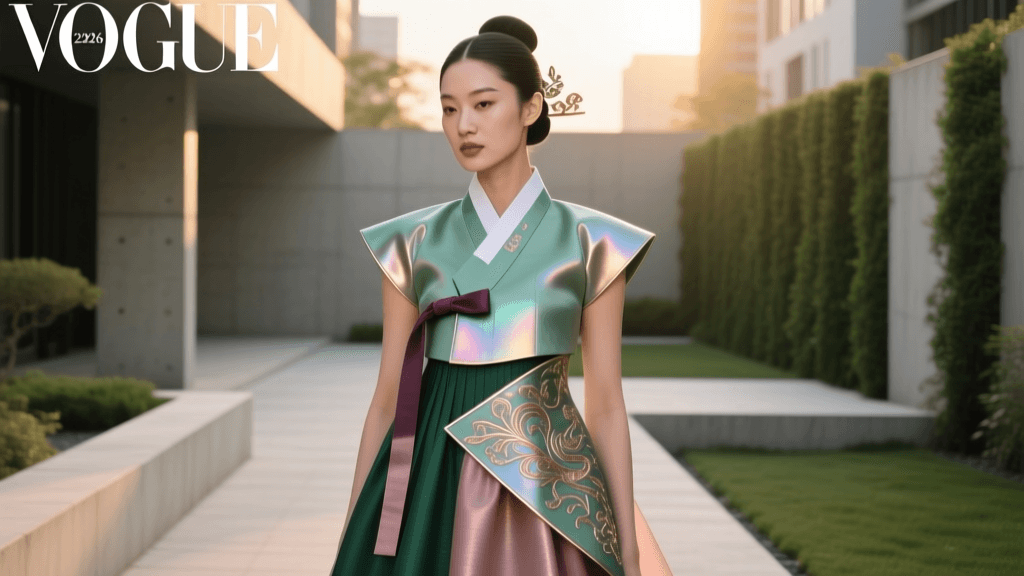
The landscape of global fashion media has undergone a radical transformation regarding the representation of Asian traditional garments. As we navigate the Spring and Summer 2026 editorial seasons, publications like Vogue, Harper's Bazaar, and Elle have decisively moved away from the superficial exoticism and cultural appropriation that plagued early 2010s editorials. Today, the narrative is driven by 'Heritage Modernism'—a collaborative approach where Asian designers, cultural historians, and traditional artisans are given creative control over how their garments are styled, photographed, and contextualized.
This shift is not merely aesthetic; it is deeply structural. In 2026, fashion media serves as a bridge between centuries-old craftsmanship and contemporary luxury. The Hanbok of Korea and the Qipao (Cheongsam) of China are no longer treated as static museum pieces or costume tropes. Instead, they are celebrated as dynamic, living textiles that inform the cutting edge of global sartorial trends. For the modern consumer and fashion enthusiast, understanding how to translate these high-fashion editorial concepts into a wearable, everyday wardrobe requires a nuanced appreciation of proportion, textile technology, and cultural respect.
The 2026 Shift: Authentic Representation in Fashion Editorials
To understand the current editorial landscape, we must look at the historical baseline. The infamous 2015 Met Gala, tied to the China: Through a Looking Glass exhibition, highlighted a time when Western media frequently conflated various Asian cultures and prioritized Orientalist fantasy over authentic garment construction. Fast forward to 2026, and the industry standard has been entirely rewritten.
According to market analyses tracked by Vogue Business, luxury consumers in 2026 demand verifiable provenance and authentic cultural collaboration. Editorial spreads now routinely credit the specific regional artisans responsible for weaving the silk or knotting the closures. Stylists are trained in the traditional rules of the garments before deconstructing them for the camera. This respect for the foundation allows for breathtaking 2026 innovations, such as pairing a structurally rigid, traditionally woven Hanbok skirt with a fluid, avant-garde European tailored blazer, creating a dialogue between East and West that is rooted in mutual respect rather than pastiche.
Deconstructing the Hanbok Editorial Look
The traditional Hanbok is defined by its vibrant colors, simple lines, and lack of pockets, characterized by the jeogori (jacket) and chima (skirt) for women. In 2026 fashion editorials, the Hanbok has been reimagined for the modern, mobile woman while retaining its iconic silhouette.
The Cropped Jeogori and Wide-Leg Trouser Pairing
The most prominent Hanbok-inspired trend in 2026 media is the substitution of the voluminous chima with high-waisted, wide-leg wool or heavy silk trousers. The jeogori is cropped to hit exactly two inches above the natural waistline, emphasizing the torso while maintaining the traditional sloped shoulder seam.
- Proportion Rule: When styling a modern jeogori, ensure the sleeve curve (baerae) retains its traditional rounded bottom edge, even if the fabric is a modern matte crepe rather than traditional glossy silk.
- The Goreum Evolution: The traditional goreum (chest ribbon) is frequently elongated in 2026 editorials, acting as an asymmetrical belt that wraps around the waist and ties at the hip, merging traditional closure methods with modern utility.
The ongoing global promotion and preservation of these styles are heavily supported by institutional initiatives, as documented by the Korean Culture and Information Service, which highlights how contemporary designers are utilizing sustainable, lab-grown peace silk to make the Hanbok more accessible and ecologically responsible for the 2026 market.
The Qipao (Cheongsam) Renaissance in High Fashion
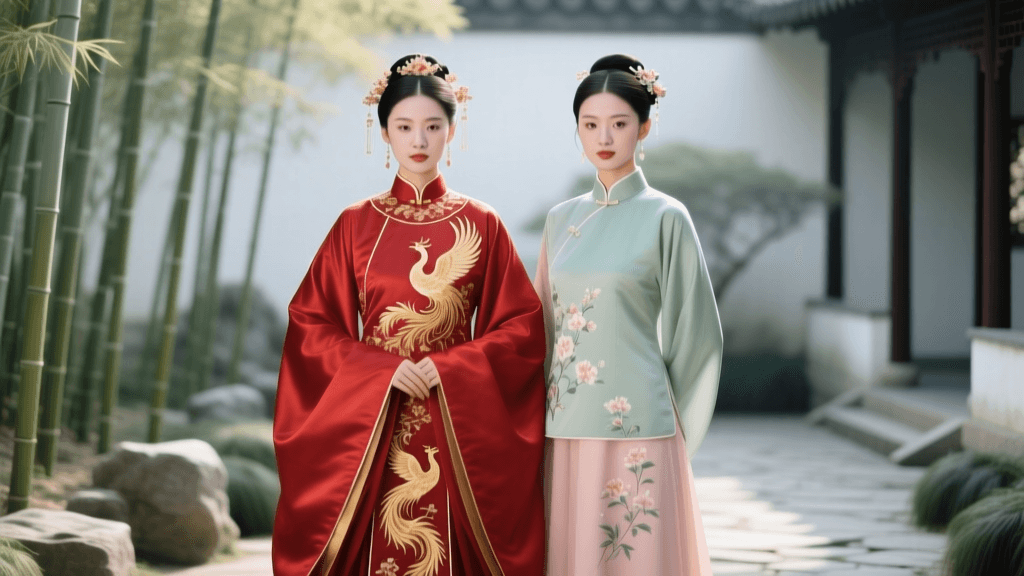
The Qipao, known for its form-fitting silhouette, high Mandarin collar, and intricate pankou (frog closures), has experienced a massive renaissance in 2026 high-fashion editorials. Moving away from the hyper-sexualized, restrictive cuts seen in mid-20th-century cinema, the 2026 editorial Qipao is architectural, modular, and fiercely independent.
Deconstructed Collars and Modular Closures
Fashion editors in 2026 are favoring Qipaos that feature deconstructed elements. The Mandarin collar is often split or lowered into a soft cowl, while the traditional side slits are extended and reinforced with structured binding, allowing for dramatic movement in editorial photography.
'Heritage is not a costume; it is a living, breathing dialogue between the ancestors and the avant-garde. The 2026 Qipao does not restrict the body; it armors it in history.'
— Editorial Director, Harper's Bazaar Asia, March 2026 Issue
Actionable Styling Advice: To replicate the 2026 editorial Qipao look for evening wear, opt for a midi-length, sleeveless Qipao crafted from heavy jacquard. Layer it over a sheer, high-necked organza turtleneck. This layering technique, heavily featured in recent Paris Fashion Week street style, respects the modesty of the traditional high collar while introducing a textural contrast that reads beautifully in both daylight and flash photography.
Data Table: 2026 Media-Featured Garments vs. Traditional Counterparts
Understanding the difference between historical garments and their 2026 editorial adaptations is crucial for informed shopping and styling. Below is a comparison of how global media has reinterpreted these classics.
| Garment Feature | Traditional Historical Counterpart | 2026 Global Media Editorial Adaptation |
|---|---|---|
| Hanbok Silhouette | Voluminous, floor-sweeping chima; long jeogori | Structured micro-chima or wide-leg trousers; cropped, architectural jeogori |
| Hanbok Textiles | Glossy silk, ramie, hemp; vibrant natural dyes | Matte peace silk, temperature-regulating ramie blends; muted, earthy palettes |
| Qipao Collar | Stiff, high Mandarin collar tightly fastened | Softened cowl variations, split collars, or detachable collar pieces |
| Qipao Closures | Functional, hand-knotted silk pankou (frog buttons) | Hidden magnetic closures with decorative, 3D-printed or metallic pankou |
| Styling Context | Ceremonial, festive, or formal daily wear | High-fashion street style, avant-garde evening wear, modular daywear |
How to Build a 2026 Heritage-Inspired Wardrobe
Translating editorial fantasy into a functional wardrobe requires strategic investment. In 2026, the market is divided between high-end luxury houses and accessible, contemporary heritage brands.
Sourcing and Budgeting
Contemporary editorial Hanbok sets from Seoul-based luxury houses currently retail between $850 and $1,400 in 2026. These pieces often feature hand-stitched details and custom-dyed organic silks. For those seeking accessible, high-quality Qipao separates, emerging Shanghai and Singapore-based designers offer modular pieces ranging from $320 to $650. When shopping, prioritize garments that clearly state their fabric composition and the origin of their textile weaving.
Care and Maintenance for Modern Heritage Textiles
The 2026 adaptations of these garments often utilize advanced textile blends that require specific care to maintain their editorial-grade finish:
- Peace Silk and Ramie Blends: Always hand-wash in cold water (below 30°C) using a pH-neutral detergent. Never wring the fabric; instead, roll it in a dry towel to press out moisture to maintain the structural integrity of the jeogori seams.
- Jacquard and Brocade Qipaos: Dry clean only. The metallic threads used in 2026 editorial brocades can tarnish if exposed to harsh chemicals or prolonged humidity. Store them on padded hangers to prevent shoulder dimples.
- UV Protection: Many 2026 designers use revived, natural botanical dyes (such as indigo and persimmon). Store these garments in breathable cotton garment bags away from direct sunlight to prevent the colors from shifting or fading.
Conclusion
The representation of the Hanbok and Qipao in 2026 global fashion media marks a triumphant era of cultural reclamation and sartorial innovation. By moving past caricature and embracing the deep, structural brilliance of Asian garment-making, the fashion industry has provided a masterclass in how to honor tradition while pushing the boundaries of modern design. For the consumer, adopting these editorial trends is not just about wearing a beautiful garment; it is about participating in a global dialogue that respects the past while dressing boldly for the future.