Traditional Chinese Footwear: Cloud Shoes & Boots 2026
The Resurgence of Traditional Chinese Footwear in 2026
The global fashion landscape in 2026 has seen an unprecedented embrace of the Xin Zhongshi (New Chinese Style) movement, a cultural renaissance that seamlessly blends historical garment construction with contemporary streetwear and haute couture. While much of the spotlight has fallen on the Mamianqun (horse-face skirt) and the modern Qipao, traditional Chinese footwear has quietly become the cornerstone of authentic heritage styling. From the elegant, upturned toes of Ming-inspired cloud shoes to the structured silhouettes of Manchu court boots, these garments are no longer relegated to museum archives or theatrical costumes. Today, they are wearable, highly sought-after pieces of living history.
According to the Metropolitan Museum of Art's Heilbrunn Timeline, the evolution of Chinese dress and accessories from the Ming to the Qing dynasties reflects a complex interplay of philosophy, social hierarchy, and artistic innovation. In 2026, modern artisans and heritage brands are reviving these techniques, utilizing sustainable silks, vegan leathers, and ergonomic sole technology to make traditional footwear viable for everyday wear. Whether you are a dedicated Hanfu enthusiast, a collector of Asian antiquities, or a modern fashionista looking to incorporate heritage pieces into your wardrobe, understanding the nuances of traditional Chinese footwear is essential.
Anatomy of the Cloud Shoe (Yunxie)
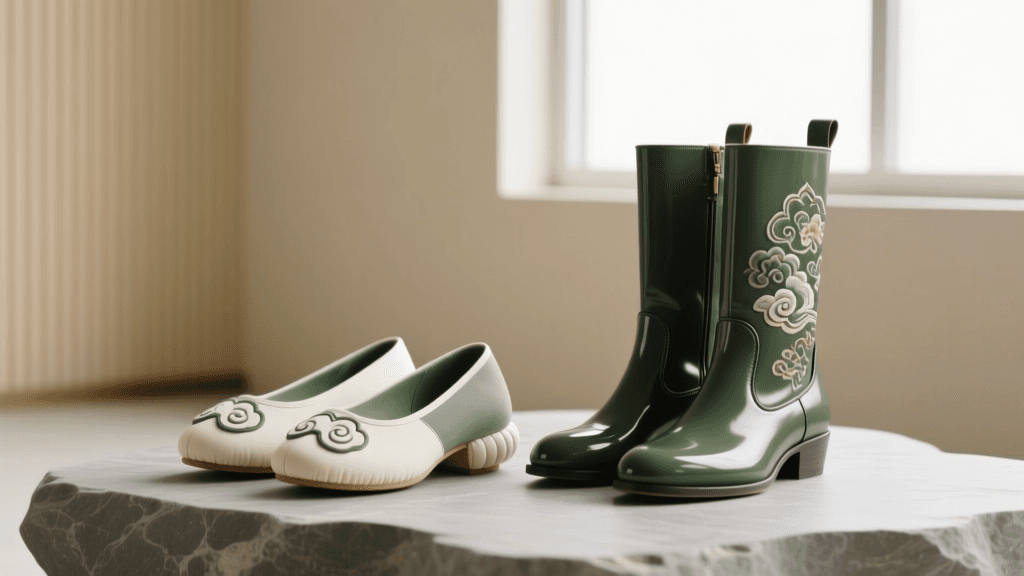
The Cloud Shoe, or Yunxie, is arguably the most recognizable and enduring symbol of traditional Han Chinese footwear. Originating in the Ming dynasty and evolving through the Qing era, the cloud shoe is characterized by its distinctive upturned toe, which is often layered and stitched to resemble the auspicious ruyi cloud motif. In traditional Chinese cosmology, clouds represent the heavens, immortality, and the divine mandate, making these shoes highly symbolic garments often worn during festivals, weddings, and court ceremonies.
The foundation of a high-quality cloud shoe lies in its sole. Traditional artisans employ the naxie technique, a meticulous process of layering cotton cloth and stitching it tightly with hemp thread to create a breathable, shock-absorbing, and durable base. In 2026, bespoke Suzhou embroidery masters are pairing this ancient sole-making technique with modern ergonomic arch supports, addressing the historical lack of cushioning while preserving the external aesthetic. The uppers are typically crafted from silk brocade or satin, heavily embroidered with floral motifs, bats (symbolizing good fortune), or phoenixes using the intricate Peking knot and satin stitch techniques.
Manchu Boots and the Flower-Pot Base
While Han Chinese women predominantly wore cloud shoes and lotus shoes, the Manchu women of the Qing dynasty introduced a radically different silhouette to Chinese footwear. The most famous of these is the Qixie, commonly referred to as the 'flower-pot' or 'horse-hoof' platform shoe. Worn by Manchu noblewomen, these shoes featured a towering wooden base positioned in the center of the sole, forcing the wearer into a swaying, deliberate gait that was considered highly elegant and aristocratic.
Alongside the platforms, flat Manchu riding boots were essential for both men and women, reflecting the semi-nomadic equestrian heritage of the Manchu people. These boots featured stiff, upturned toes designed to fit perfectly into stirrups, and were often crafted from heavy cotton, leather, or silk satin. The Smithsonian National Museum of Asian Art notes that Qing court regulations strictly dictated the materials, colors, and embellishments permitted on footwear based on the wearer's rank. Today, modern interpretations of Manchu boots have softened the rigid historical constraints. In 2026, fashion houses are producing flat-soled, embroidered Manchu-style ankle boots that pair beautifully with tailored wide-leg trousers and winter coats, offering a structured, gender-neutral alternative to the delicate cloud shoe.
2026 Buyer’s Guide: Sizing, Materials, and Pricing
Navigating the market for traditional Chinese footwear requires an understanding of modern sizing conversions and material innovations. Unlike Western footwear, which often relies on standardized lasts, many heritage brands in China still utilize traditional sizing metrics, though most major retailers in 2026 provide comprehensive conversion charts.
| Footwear Type | Historical Era | 2026 Average Price (USD) | Best Paired With | Primary Materials |
|---|---|---|---|---|
| Cloud Shoes (Yunxie) | Ming/Qing | $80 - $450 | Mamianqun, Hanfu | Silk Brocade, Cotton Naxie Sole |
| Manchu Platform (Qixie) | Qing | $150 - $600 | Qipao, Formal Gowns | Lacquered Wood, Satin |
| Modern Hanfu Sneakers | Contemporary | $60 - $120 | Streetwear, Wide-leg Pants | Vegan Leather, Rubber/EVA |
| Embroidered Ankle Boots | Qing/Modern | $120 - $350 | Winter Coats, Tailored Trousers | Suede, Recycled Brocade |
When purchasing cloud shoes online in 2026, it is crucial to measure your foot length in centimeters. A standard Chinese size 38 typically corresponds to a foot length of 24.0 cm, which equates to a European 38 or a US Women's 7.5. Because traditional silk uppers do not stretch like modern knit fabrics, buyers with wider feet are advised to size up by half a centimeter to accommodate the rigid embroidery panels.
Styling Traditional Footwear with Modern Xin Zhongshi
The beauty of the 2026 Xin Zhongshi movement lies in its versatility. You no longer need to wear a full, historically accurate Hanfu ensemble to incorporate traditional footwear into your wardrobe. Here are three contemporary styling strategies for traditional Chinese shoes:
1. The Everyday Mamianqun Pairing
The horse-face skirt remains the undisputed champion of modern Chinese heritage fashion. When wearing a mid-calf Mamianqun, flat-soled cloud shoes are the ideal companion. The upturned toe of the shoe peeks out elegantly from beneath the pleats as you walk, drawing attention to the intricate embroidery. For a modern office look, pair a muted, solid-color wool Mamianqun with a crisp white button-down shirt and a pair of navy blue silk cloud shoes featuring subtle silver threading.
2. Streetwear and Hanfu Sneakers
For those who prioritize comfort and urban aesthetics, the 2026 market offers 'Hanfu sneakers'—hybrid shoes that combine the rubber soles and cushioned interiors of modern skate shoes with the woven uppers and cloud-motif toe caps of traditional Yunxie. These look exceptional with relaxed-fit linen trousers, oversized knitwear, and crossbody bags woven from bamboo or rattan.
3. Winter Elegance with Manchu Boots
During the colder months, swap delicate silk slippers for embroidered Manchu-style ankle boots. Crafted from weather-resistant suede or treated cotton, these boots provide excellent ankle support and insulation. Pair them with a modern, collarless wool coat inspired by traditional Qing dynasty outerwear, creating a silhouette that is both commanding and deeply rooted in Asian sartorial history.
Care, Maintenance, and Preservation
Traditional footwear, particularly those crafted from natural silks and cotton soles, requires specialized care to ensure longevity. The Victoria and Albert Museum's Asian Collections archive highlights the vulnerability of historic Chinese textiles to light damage, humidity, and pest infestation. While modern 2026 reproductions are treated with more resilient dyes, the fundamental care principles remain the same.
- Moisture Control: Never wear traditional cotton-soled cloud shoes in heavy rain or snow. The naxie sole will absorb water, leading to warping and potential mold growth. If they do become damp, stuff them with acid-free tissue paper and allow them to air dry away from direct heat sources.
- Cleaning Embroidery: Do not machine wash or submerge embroidered silk uppers. Use a soft, dry brush to gently remove surface dust. For localized stains, consult a professional textile conservator who specializes in Asian garments, as commercial spot cleaners can cause the vibrant silk dyes to bleed.
- Storage: Store your traditional footwear in breathable cotton dust bags. Avoid plastic bins, which can trap moisture and cause the silk to degrade or the metallic embroidery threads to tarnish. Place silica gel packets in your storage area to maintain a stable humidity level, ideally between 45% and 55%.
- Wooden Base Care: If you own Manchu platform shoes with exposed wooden bases, treat the wood annually with a light application of natural beeswax to prevent cracking and maintain the lacquer finish.
Travel Packing Tips for Heritage Footwear
For cultural travelers attending heritage festivals, tea ceremonies, or international design weeks, packing traditional footwear requires forethought. Always use rigid, structured shoe boxes or specialized hard-shell shoe cases to prevent the delicate upturned toes of cloud shoes from being crushed in your luggage. Wrap each shoe individually in unbleached muslin cloth to protect the embroidery from snagging on zippers or other hardware. If you are traveling to humid climates, include a few cedar wood blocks in your luggage to naturally repel moisture and insects, ensuring your heritage footwear remains in pristine condition throughout your journey.
Conclusion
The revival of traditional Chinese footwear in 2026 is a testament to the enduring appeal of Asian cultural heritage. By understanding the historical context, mastering the modern sizing conventions, and learning how to seamlessly integrate cloud shoes and Manchu boots into contemporary wardrobes, enthusiasts can honor the artisans of the past while stepping confidently into the future of global fashion.